
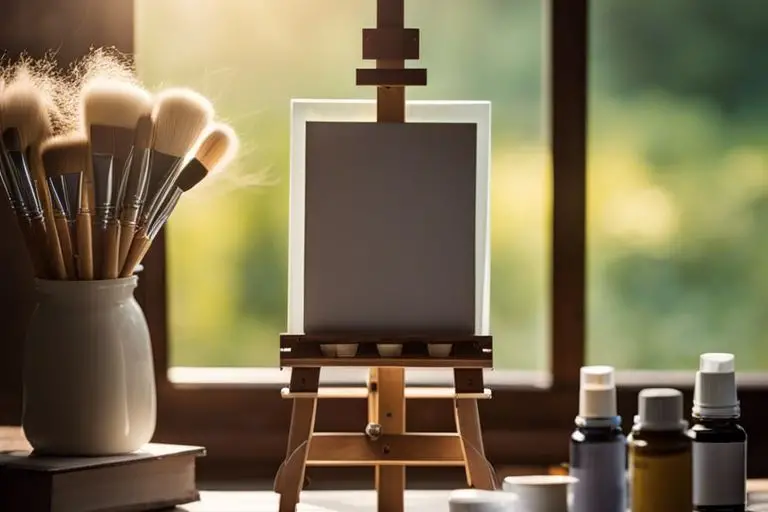
Materials are crucial when starting your journey into the world of painting. Choosing the right brushes, paints, and canvases can significantly impact your painting experience. As a beginner, it is important to familiarize yourself with the basic techniques and tools required to create beautiful artworks. This guide will provide you with step-by-step instructions, important tips, and common mistakes to avoid as you initiate on this creative endeavor. Keep in mind, practice makes perfect, and with dedication and patience, you will improve your painting skills over time.
Key Takeaways:
- Start with the right materials: Invest in good quality brushes, paint, and paper or canvas to ensure better results.
- Understand basic color theory: Learn how to mix primary colors to create secondary colors and understand color harmony.
- Practice different brush techniques: Experiment with different strokes and brush pressure to create various textures and effects.
- Work from light to dark: Build up layers of color starting with lighter shades and adding darker tones gradually.
- Use a limited color palette: Start with a few basic colors to avoid overwhelming yourself and to focus on mixing the right shades.
- Study and recreate masterpieces: Analyze famous paintings to understand composition, color usage, and techniques used by renowned artists.
- Don’t strive for perfection: Embrace mistakes as part of the learning process and keep practicing to improve your skills over time.

Types of Painting
Now, when it comes to painting, there are various types that you can explore. Each type offers its unique characteristics and techniques that cater to different preferences and styles. It’s important to understand the distinctions between them so you can choose the one that best fits your creative vision. For beginners looking for a comprehensive guide on how to start painting, check out Painting for Beginners: How to Get Started.
| Watercolor Painting |
| Acrylic Painting |
| Oil Painting |
Watercolor Painting
There’s a delicate and transparent quality to watercolor painting that makes it a favorite among many artists. This medium is known for its luminous hues and fluidity, creating ethereal and whimsical artworks. Watercolor painting requires a gentle touch and a good understanding of water control to achieve the desired effects.
Acrylic Painting
Acrylic paints are versatile and fast-drying, making them ideal for both beginners and experienced artists. Acrylic painting allows for layering, texture, and a wide range of styles, from realistic to abstract. The quick drying time of acrylics enables artists to work efficiently and layer colors without waiting for extended drying periods.
Characteristics
If you are looking for a medium that offers rich colors, texture, and the ability to work in layers, then oil painting might be the right choice for you. Oil paints have a slow drying time, allowing for intricate details and blending of colors on the canvas.
Oil Painting
If you are drawn to depth and richness in your artworks, oil painting may be the perfect medium for you. Oil paints offer a buttery consistency that allows for smooth blending and layering. These paints also provide a glossy finish that enhances the vibrancy of colors and the overall depth of the artwork. Assume that oil painting requires proper ventilation due to the fumes emitted by oil-based solvents.
Essential Tools for Painting
Keep Painting for Beginners – A 7 Step Guide to Get You Started in mind as you gather the necessary tools for your painting journey. Whether you are a beginner or an experienced artist, having the right tools can make a significant difference in your painting process.
Brushes and Their Uses
Uses: Brushes are necessary tools for painting, and each type of brush has a specific use. For example, round brushes are great for creating fine details, while flat brushes are ideal for covering large areas. It is important to experiment with different brushes to understand their uses and how they can enhance your painting techniques.
Selecting Your Palette: Paints and Colors
Brushes: In terms of selecting your palette of paints and colors, it is crucial to choose quality over quantity. Invest in a few high-quality paints in primary colors and mix them to create a wide range of hues. Understanding color theory and how different colors interact with each other is necessary for creating harmonious and visually appealing paintings.
Canvas and Paper: Choosing the Right Surface
Now: When deciding on the right surface for your painting, consider the texture and absorbency of the canvas or paper. A smooth surface is ideal for detailed work, while a rough surface can add texture and depth to your paintings. It is important to choose a surface that complements your painting style and technique.
Step-by-Step Painting Process
| Planning Your Composition | Color Mixing and Theory |
Planning Your CompositionAn vital step in the painting process is planning your composition. Take the time to sketch out your ideas and consider elements such as balance, focal points, and color schemes. This initial planning will set the foundation for a successful painting. |
Color Mixing and TheoryAssuming you have your composition planned out, understanding color mixing and theory is crucial. Familiarize yourself with the color wheel, primary, secondary, and tertiary colors, as well as concepts like hue, saturation, and value. This knowledge will help you create harmonious and visually appealing paintings. |
Painting Techniques for Beginners
Your journey into painting will be greatly enhanced by mastering some basic painting techniques. Start by practicing brush control, blending colors, and experimenting with different brush strokes. Do not forget, practice makes perfect when it comes to painting!
When approaching different painting techniques, remember to be patient with yourself as you learn. Experiment with different brush sizes, strokes, and textures to create depth and dimension in your paintings. Embrace the process, learn from your mistakes, and celebrate your progress.
Tips for Aspiring Painters
Not everyone is born with innate talent when it comes to painting, but that doesn’t mean you can’t become a skilled artist with dedication and practice. Here are some tips to help you on your journey to becoming a great painter:
- Practice regularly: The more you paint, the better you will get. Set aside time each day to work on your craft.
- Study the masters: Learn from the techniques and styles of established painters to improve your own skills.
- Experiment with different mediums: Don’t be afraid to try new materials and techniques to discover what works best for you.
- Seek feedback: Don’t be afraid to show your work to others and ask for constructive criticism to help you grow as an artist.
Mastering Brushwork
Painters, mastering brushwork is crucial in creating beautiful and precise strokes in your paintings. Experiment with different brushes, strokes, and pressures to achieve various textures and effects. Practice is key in improving your brushwork skills, so don’t be afraid to make mistakes and learn from them. Assume that each stroke you make is a learning opportunity to refine your technique.
The Importance of Light and Shadow
You, as a painter, must understand the crucial role that light and shadow play in creating depth, form, and mood in your paintings. Light and shadow can transform a two-dimensional painting into a realistic and dynamic piece of art. With careful observation and practice, you can learn to manipulate light and shadow to enhance the visual impact of your work.
With light and shadow, you have the power to evoke emotions, create focal points, and add drama to your paintings. Pay attention to how light interacts with objects in your composition and experiment with different lighting scenarios to add interest and realism to your artwork.
Factors to Consider When Painting
Unlike other forms of art, painting requires a unique set of considerations to achieve the desired result. From the choice of materials to the environment in which you work, several factors can impact the outcome of your painting.
- Surface: The type of surface you paint on, whether canvas, paper, wood, or other materials, will affect how the paint adheres and the overall look of the finished piece.
- Lighting: Proper lighting is imperative for accurately perceiving colors and values while painting. Natural light is ideal, but artificial lighting can also be used effectively.
- Color selection: Choosing the right colors and understanding how they interact is crucial for creating a harmonious and visually appealing painting.
After considering these factors, you can begin your painting process with a clearer understanding of how each element will contribute to the final outcome.
The Role of Medium in Texture and Finish
Some mediums, such as oils or acrylics, offer different textures and finishes that can greatly impact the overall look and feel of your painting. Experimenting with different mediums can help you achieve the desired effect, whether you prefer a smooth, glossy finish or a textured, matte surface.
Understanding Color Harmony and Contrast
For a successful painting, it is crucial to understand how colors work together to create harmony and contrast. Color harmony ensures that the colors in your painting complement each other and create a unified composition. On the other hand, contrast adds visual interest and can help certain elements stand out.
To create a visually engaging painting, pay attention to the relationships between colors, using complementary colors to create contrast and varying tones to achieve depth and dimension.

Pros and Cons of Different Painting Styles
After delving into the wonderful world of painting, it’s important to consider the various styles you might encounter. Each painting style has its own set of pros and cons, catering to different preferences and skill levels. To learn more about painting styles, check out Art for beginners: how to learn to paint during lockdown.
| Realism | Abstract |
| High level of detail | Freedom of interpretation |
| Challenging for beginners | Less focus on technical skill |
| Requires patience | Emphasis on creativity |
| Good for practicing observation | Open to personal expression |
Realism Versus Abstract: A Comparative Study
| Realism | Abstract |
| Focuses on capturing reality | Encourages experimentation |
| Highly detailed and precise | Emphasizes emotions and energy |
Comparative Study: When deciding between realism and abstract styles, consider your preference for detail and expression. Realism challenges you to master technical skills, while abstract allows for more freedom and creativity in interpretation.
Exploring Impressionism: Is It Right for You?
Painting Studies have shown that impressionism can evoke strong emotions and capture fleeting moments in a unique way. Impressionism may be right for you if you enjoy experimenting with color, light, and brushstrokes to create a sense of movement and atmosphere in your paintings.
Study: Keep in mind that impressionism requires a looser, more gestural approach, which can be both liberating and challenging. The style’s emphasis on capturing the essence of a scene rather than its details can lead to exciting results, but may not be suitable for those who prefer a more controlled and precise technique.
Conclusion
Drawing together the key points discussed in this beginner’s guide to painting, it is clear that anyone can start their artistic journey with just a few basic tools and techniques. By understanding color theory, brush strokes, and various painting styles, beginners can feel more confident and inspired to express their creativity on canvas. Bear in mind, practice is key, so don’t be afraid to make mistakes and learn from them as you experiment and grow as an artist. With patience and dedication, painting can be a fulfilling and rewarding hobby for anyone willing to explore their creative side.
FAQ
Q: What are the necessary tools and materials needed for beginner’s painting?
A: Essential tools and materials for beginner’s painting include brushes, acrylic or watercolor paint, canvas or paper, palette, water cup, and paper towels.
Q: What is the difference between acrylic and watercolor paint?
A: Acrylic paint is water-based and dries quickly to a waterproof finish, while watercolor paint is also water-based but gives a transparent, delicate look.
Q: How should a beginner start a painting?
A: A beginner should start by sketching the subject lightly on the canvas, then blocking in the main colors and shapes before moving on to details.
Q: What are some basic painting techniques for beginners to practice?
A: Basic painting techniques for beginners include blending colors, creating gradients, layering paint, dry brushing, and using different brush strokes.
Q: How can beginners improve their painting skills?
A: Beginners can improve their painting skills by practicing regularly, studying the work of other artists, taking classes or workshops, experimenting with different techniques, and seeking feedback from peers.
Q: How should beginners choose a subject for their painting?
A: Beginners should choose a subject for their painting that interests them, such as landscapes, still life, portraits, or abstract art, and start with simple compositions before moving on to more complex scenes.
Q: What are some common mistakes beginners make when painting?
A: Some common mistakes beginners make when painting include using too much paint, not cleaning brushes properly, overworking a painting, being too critical of their work, and comparing themselves to others.