

Refinish your old furniture to breathe new life into tired pieces. Sanding and painting can transform dull, dated furniture into stylish statement pieces. Discover how to revamp your decor without breaking the bank with our step-by-step guide to refinishing furniture. Follow our expert tips to achieve a professional finish and create stunning furniture that reflects your unique style.
Key Takeaways:
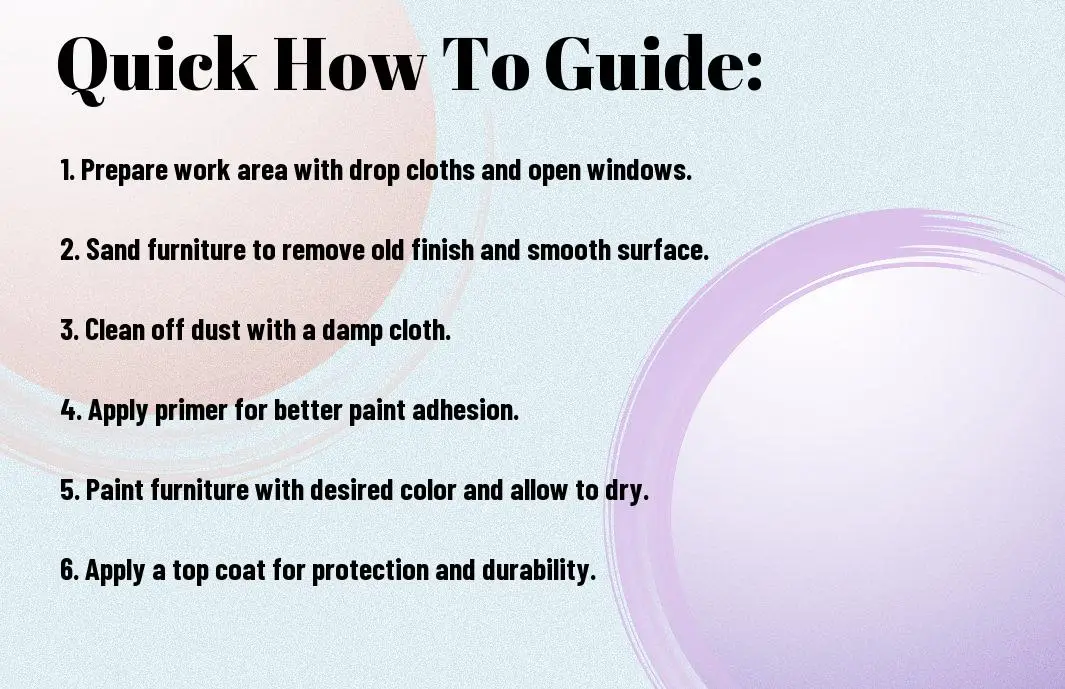
- Proper Preparation: Before refinishing furniture, ensure proper preparation by cleaning, sanding, and repairing any damages.
- Sand Adequately: Use different grits of sandpaper progressively to achieve a smooth finish and remove all previous layers of paint or varnish.
- Choose the Right Paint: Select a high-quality paint suitable for furniture, considering factors like durability, finish, and color.
- Use Primer: Apply a primer before painting to help the paint adhere better and provide a uniform finish.
- Apply Paint in Thin Layers: To avoid drips and achieve a professional finish, apply paint in thin, even coats allowing each layer to dry completely.
- Add a Protective Coat: Finish off your refinished furniture with a protective topcoat to enhance durability and provide longevity to your paint job.
- Personalize with Hardware: Consider adding new hardware or accents to further enhance the look of your refinished furniture and give it a unique touch.
Preparation is Key
Assessing the Condition of Your Furniture
While launching on the journey of refinishing your old furniture, it is crucial to assess its current condition. Clearly examine for any structural damage, like wobbly legs or loose joints, that need to be fixed before moving forward with the refinishing process.
Gathering Essential Tools and Materials
There’s no doubt that having the right tools and materials is important for a successful furniture refinishing project. Ensure you have strong> sandpaper in various grits, a good quality paintbrush, primer, paint, gloves, goggles, and a mask to protect yourself during the process.
Condition your workspace is also crucial; make sure you have adequate ventilation and a well-lit area to work in.
Choosing the Right Sandpaper and Paint
One of the most critical steps in refinishing furniture is selecting the right sandpaper grit and paint type. Be sure to choose sandpaper with the appropriate grit to suit the level of the project – lower grits for removing old finishes, and higher grits for smoothing out the surface before painting.
A quality paint that is suitable for the type of furniture you are refinishing is also important. Consider whether you need a primer or if the paint has built-in primer properties for better adhesion and durability.
Sanding Like a Pro
Any How to Refinish Wood Furniture project requires proper sanding to ensure a smooth and professional finish. Sanding is a crucial step in the furniture refinishing process as it helps to remove old finishes, smooth out imperfections, and prepare the surface for painting or staining.
Understanding Different Sanding Techniques
Some furniture pieces may require different sanding techniques depending on their condition and the desired end result. For example, using coarse sandpaper with lower grit numbers is ideal for stripping old finishes or removing deep scratches, while finer grit sandpaper is suitable for smoothing out the surface and preparing it for painting or staining.
Tips for Effective Sanding
There’s no denying that sanding can be a labor-intensive process, but following a few tips for effective sanding can help make the task more manageable. Start by using the right sandpaper grit for the job, always sand in the direction of the wood grain to avoid damaging the surface, and don’t forget to use a sanding block or pad to ensure even pressure and consistent results. Thou, take breaks as needed to prevent fatigue and maintain focus throughout the sanding process.
Common Sanding Mistakes to Avoid
Like any DIY project, sanding old furniture comes with its own set of challenges. Some common sanding mistakes to avoid include applying too much pressure, using the wrong grit sandpaper, skipping grits, and neglecting to clean the surface between sanding stages. Proper sanding techniques are crucial for achieving a professional-looking finish, so it’s imperative to take your time and pay attention to detail.
Tips: When sanding, always wear a mask and safety goggles to protect yourself from dust and debris. Additionally, make sure to work in a well-ventilated area to avoid inhaling harmful fumes. Remember that proper sanding is key to achieving a beautiful and durable refinished furniture piece.
Factors to Consider Before Painting
To ensure a successful furniture refinishing project, there are several factors that you need to consider before painting. These include selecting the perfect paint color, understanding paint finishes and sheens, and properly preparing the surface for painting. By taking these factors into account, you can achieve a beautiful and long-lasting finish for your old furniture.
Selecting the Perfect Paint Color
The color you choose for your refinished furniture can completely transform its look and feel. When identifying a paint color, consider the overall design aesthetic of the room where the piece will be placed. You may also want to take into account any existing colors in the space, as well as current design trends. It’s imperative to choose a color that you love and that will complement your existing decor.
Understanding Paint Finishes and Sheens
Clearly understanding different paint finishes and sheens can help you achieve the desired look for your refinished furniture. Paint finishes range from matte to high gloss, each offering a different level of durability and shine. Matte finishes are great for hiding imperfections, while high gloss finishes are more durable and easier to clean. Select a finish that suits your furniture piece and the level of wear and tear it will endure.
A common mistake when choosing paint finishes is not considering the environment in which the furniture piece will be placed. Assume that areas with high humidity or moisture exposure may require a more durable finish to prevent paint peeling or damage over time.
Preparing the Surface for Painting
An important step in the furniture refinishing process is properly preparing the surface for painting. This involves cleaning the furniture piece thoroughly to remove any dirt, grease, or old finishes that may affect the adhesion of the new paint. Smooth out imperfections and fill in any scratches or dents to ensure a smooth finish. By taking the time to prepare the surface properly, you can ensure that your paint job will be long-lasting and professional-looking.

Painting Perfection
Many How To Paint Furniture: A Beginner’s Guide tutorials emphasize the importance of achieving a smooth finish when painting furniture.
How to Achieve a Smooth Finish
There’s an art to painting furniture that involves more than just slapping on a coat of paint. To achieve a smooth finish, make sure to properly sand and prime the piece before painting. This will help the paint adhere better and give a professional look to the final result.
Tips for Painting Small and Delicate Areas
Achieve precision when painting small and delicate areas by using fine-bristled brushes and taking your time to carefully apply the paint. Masking tape can be your best friend in protecting surrounding areas from accidental paint smudges. Any spills or mishaps can easily be corrected with a damp cloth immediately.
- Use fine-bristled brushes for small areas
- Take your time for precision
- Protect surrounding areas with masking tape
- Correct mistakes with a damp cloth
Dealing with Paint Drips and Runs
Smooth out any paint drips and runs by gently sanding the affected area once the paint has dried. This will help to create an even surface before applying another coat of paint, ensuring a flawless finish.
The key to a successful paint job is in the preparation and technique. Taking the time to properly address small and delicate areas, as well as dealing with any paint drips or runs, will ultimately lead to a beautifully refinished piece of furniture.

Additional Touches
Once again, if you’re looking for more tips and ideas on how to refinish old furniture, you can check out this Quora thread where DIY enthusiasts share their experiences and advice.
Adding a Protective Clear Coat
Clear coats are an necessary final step in the refinishing process as they protect the newly painted or stained surfaces from scratches, water damage, and other wear and tear. Applying a clear coat not only adds a glossy or matte finish but also prolongs the life of your furniture. Make sure to choose a clear coat that is compatible with the type of paint or stain you have used.
Installing New Hardware and Accessories
An easy and effective way to refresh the look of your furniture is by replacing old hardware like knobs, handles, and hinges with new ones. You can also add decorative accessories such as trims, decals, or stencils to give your piece a unique and personalized touch. These small changes can make a big difference in the overall appearance of your furniture.
Understanding the style and theme of your refinished furniture can guide you in selecting the right hardware and accessories to complement the new look. Whether you’re going for a modern, vintage, or eclectic style, choosing the appropriate hardware and accessories can enhance the aesthetic appeal of the piece.
Distressing for a Vintage Look
For those who love the shabby chic or vintage look, distressing techniques can add character and charm to your refinished furniture. By lightly sanding edges, corners, and other areas where natural wear would occur over time, you can create a weathered and aged appearance that gives your furniture a unique and antique feel.
Common Challenges and Solutions
Dealing with Stains and Discoloration
To refinish furniture successfully, it is crucial to address stains and discoloration that may be present on the piece. Using a wood cleaner or mineral spirits can help remove built-up grime and dirt. For tougher stains like water rings or ink marks, sanding the affected area gently can help lift the discoloration. If the stain persists, consider bleaching the wood to even out the color before proceeding with the refinishing process.
Fixing Scratches and Dents
Any scratches or dents on the furniture can detract from its overall appearance. Start by sanding the affected area to smooth out any rough edges. For deeper scratches, fill them in with a wood filler that matches the color of the piece. Once the filler has dried, sand it down until it is level with the rest of the surface. This will ensure a seamless finish once the piece is painted or stained.
Dealing with scratches and dents requires patience and precision. Take your time to assess the damage and work carefully to achieve the best results. Remember that proper preparation and attention to detail are key to restoring the furniture to its former glory.
Removing Old Paint and Varnish
Even though removing old paint and varnish can be a tedious process, it is important for a successful furniture refinishing project. Using a paint stripper can help loosen the old finish, making it easier to scrape off. Be sure to wear protective gear and work in a well-ventilated area when using chemical strippers. Once the old paint or varnish is removed, sand the surface to prepare it for the new finish.
Varnish and paint removal can be time-consuming, but it is worth the effort to achieve a smooth and professional-looking result. Invest in quality sandpaper and tools to make the process more manageable and to ensure a uniform finish on the furniture.
Final Words
On the whole, refinishing furniture by sanding and painting it is a straightforward and cost-effective way to transform old pieces into stylish and modern furniture. By following the steps outlined in this guide, you can breathe new life into tired and outdated pieces, giving them a fresh look that matches your decor and style preferences. Whether you are a seasoned DIY enthusiast or a beginner looking to try your hand at furniture restoration, this method provides a great way to update your home’s furnishings on a budget.
FAQ
Q: What tools do I need to refinish furniture?
A: You will need sandpaper, a sanding block, paint or stain, a paintbrush or roller, a drop cloth, and a protective finish such as varnish or wax.
Q: How do I prepare the furniture for refinishing?
A: Start by cleaning the furniture with a mild detergent to remove any dirt or grime. Then, remove any existing finish using sandpaper or a chemical stripper.
Q: Should I sand the furniture before painting?
A: Yes, it is important to sand the furniture before painting to ensure that the new paint adheres properly. Sanding will also help smooth out any imperfections in the wood.
Q: Can I paint over stained wood?
A: Yes, you can paint over stained wood, but it is important to sand the surface first to remove the glossy finish and allow the paint to adhere better.
Q: How many coats of paint should I apply?
A: It is recommended to apply at least two coats of paint for even coverage and a more durable finish. You can apply additional coats for a smoother finish.
Q: How long does the paint need to dry between coats?
A: The drying time between coats of paint will depend on the type of paint you are using. In general, latex paint dries faster than oil-based paint. Check the manufacturer’s instructions for specific drying times.
Q: How do I protect the refinished furniture?
A: Once the paint has dried completely, you can apply a protective finish such as varnish or wax to protect the surface from scratches and stains. Follow the manufacturer’s instructions for application.