
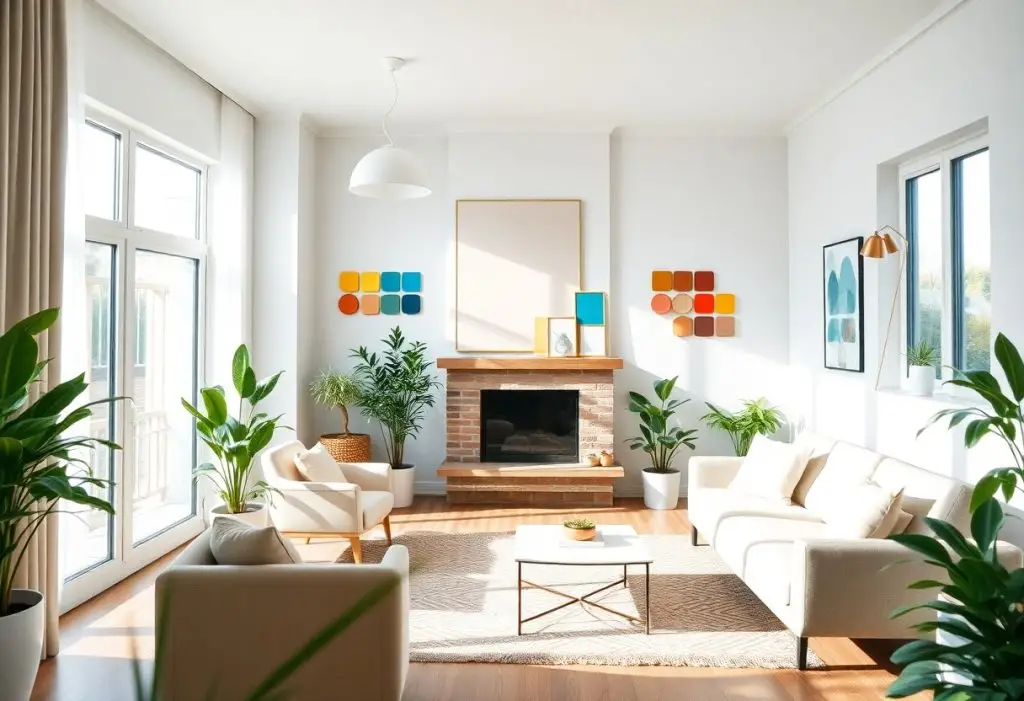
Paint sets the stage for your home’s aesthetic, influencing everything from mood to perceived space. As you begin on the journey of selecting the perfect colors, you’ll want to consider not just trends but how hues interact with your existing décor and natural light. This guide will walk you through the imperatives of color theory, practical tips for testing shades, and inspiring ideas to elevate your surroundings. With the right guidance, you can create a harmonious and inviting atmosphere in every room of your home.
Understanding Types of Paint Colors
Before you explore choosing paint colors, it’s imperative to understand the types available. Each color can evoke different emotions and atmospheres within your space. Here’s a concise breakdown to help you navigate your choices:
| Color Type | Description |
|---|---|
| Warm Colors | Colors like red, orange, and yellow that create an inviting and cozy atmosphere. |
| Cool Colors | Colors such as blue, green, and violet that promote calmness and serenity. |
| Neutral Colors | Subtle shades like beige, gray, and white that balance and complement other colors. |
| Accent Colors | Bold hues used sparingly to highlight certain areas or features. |
| Monochromatic Colors | Different shades of a single color to create depth and complexity. |
This foundational knowledge will significantly aid in enriching your home’s aesthetic.
Warm vs. Cool Colors
One of the fundamental choices you’ll face is whether to use warm or cool colors. Warm colors can make a space feel intimate and inviting, perfect for social areas like living rooms and kitchens. In contrast, cool colors are great for creating a serene environment, making them ideal for bedrooms and bathrooms.
Glossy vs. Matte Finishes
If you’re contemplating the finish of your paint, you’ll encounter two primary options: glossy and matte. Glossy finishes reflect more light, lending a contemporary look to surfaces and making them easier to clean. Matte finishes, on the other hand, offer a more subdued look and excel at hiding imperfections.
A glossy finish is ideal for high-traffic areas or spaces where spills are likely, such as kitchens and children’s rooms. Meanwhile, matte finishes can impart warmth and richness in living rooms and bedrooms, creating a velvety feel. Assess your needs to ensure the finish not only suits your style but also meets practical requirements.
Essential Tips for Choosing the Right Color
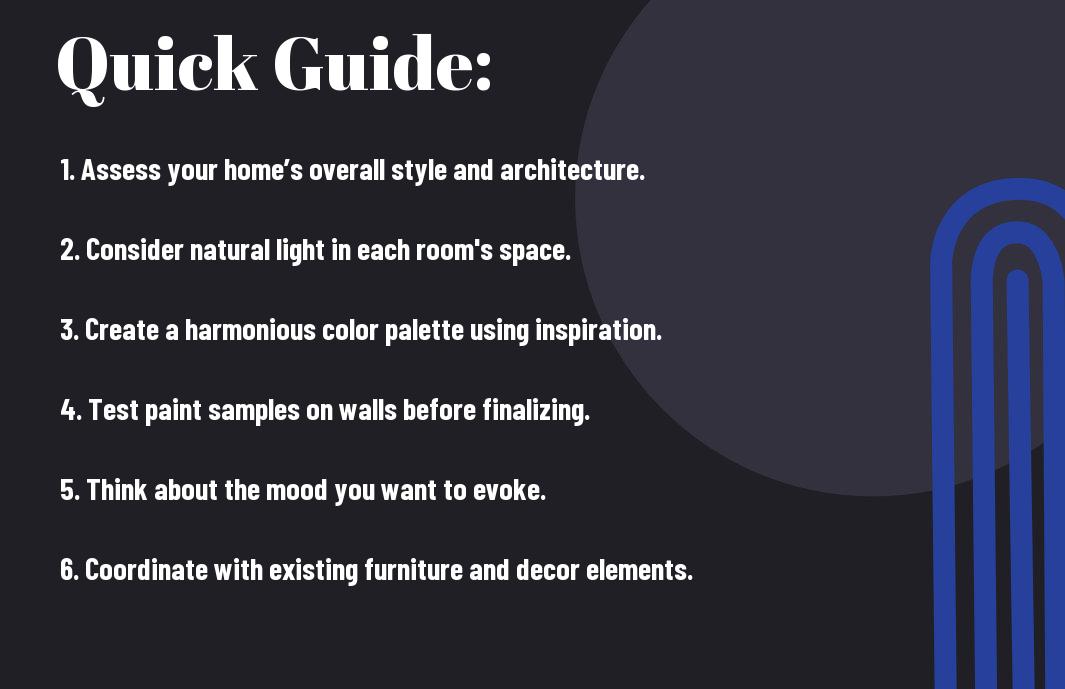
One of the first steps in selecting paint colors is to consider your personal style and the ambiance you want to create. Here are some key tips:
- Identify your favorite colors and analyze the mood they evoke.
- Think about your home’s architecture and existing decor.
- Test paint samples on your walls before making a decision.
- Consider how colors coordinate with each other throughout your home.
Perceiving the impact of color on your space can help you make a confident choice.
Analyzing Your Space
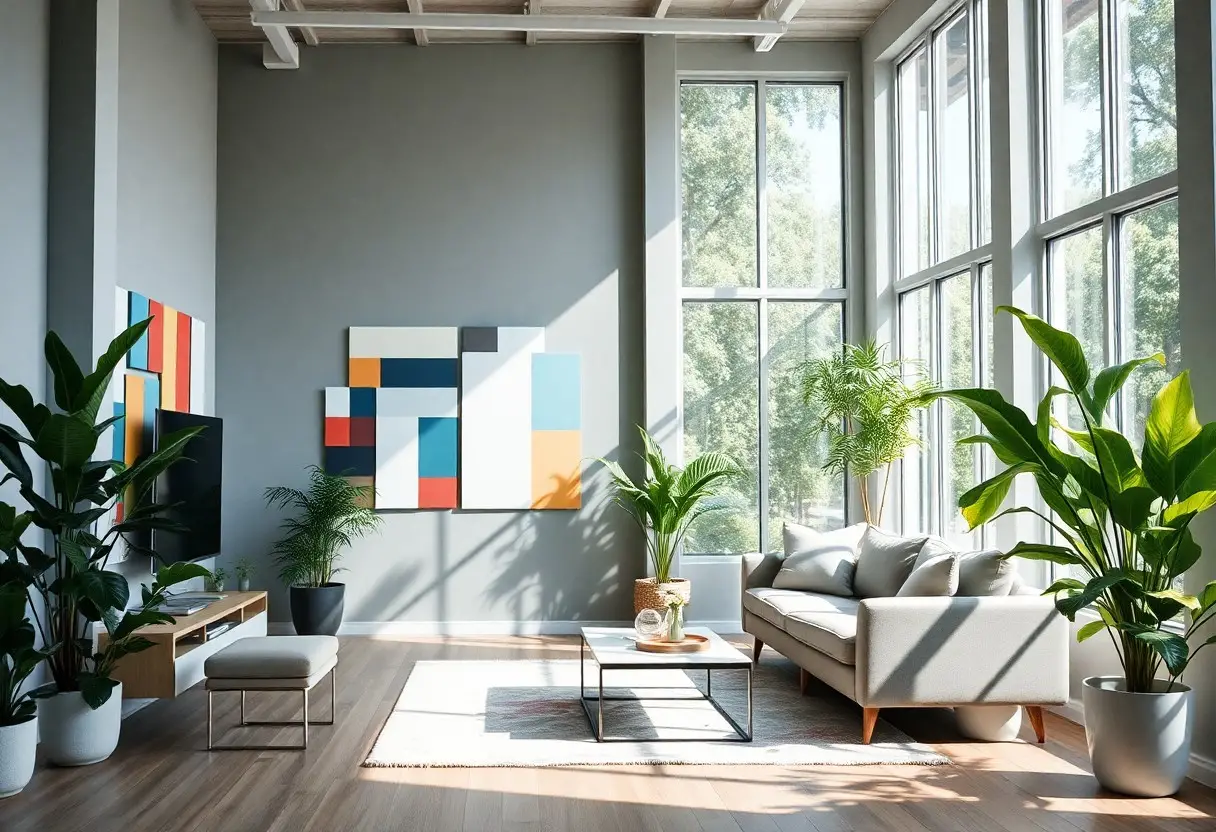
While evaluating your space, consider the size and layout of the rooms. Larger areas can often accommodate bolder colors, while smaller spaces may benefit from lighter shades to create an illusion of openness. Take note of architectural details and how they might complement specific hues. By assessing your space carefully, you ensure that your color choices enhance rather than overwhelm your home.
Considering Lighting Conditions
The lighting in your home significantly affects how colors appear on your walls. Natural light shifts throughout the day and can alter tones, making it important to observe your space at different times. Whether your home is filled with warm sunlight or cooler artificial lights, be mindful of the undertones in your chosen shades.
Color behaves differently under various lighting conditions, which is why selecting the right shade requires attention to detail. A paint color that looks stunning in a store may transform dramatically in your home’s lighting, appearing either warmer or cooler than expected. To avoid surprises, test your selected shades on the actual walls in different lighting scenarios. This ensures the color harmonizes beautifully with your space at all hours of the day, aligning perfectly with your desired aesthetic.
Step-by-Step Guide to Color Selection
Now that you’re ready to enhance your home’s aesthetic, follow this structured approach to select the ideal paint colors. This table will guide you through various stages of the color selection process:
| Step | Description |
|---|---|
| 1. Identify Your Style | Consider the existing decor and your personal taste. |
| 2. Define the Mood | Decide the atmosphere you want to create in each room. |
| 3. Choose a Color Palette | Select complementary colors that enhance each other. |
| 4. Gather Samples | Collect paint swatches and materials for trial. |
| 5. Test Your Choices | Apply samples to walls and observe them under different lighting. |
Preparing for the Process
Color selection begins with preparation. You should assess your current space, considering light sources, furniture, and existing decor. Take notes on what you like and dislike about your current color scheme to refine your choices. This foundational step sets the stage for confident decisions, allowing you to visualize how new colors will harmonize with your home.
Testing Paint Samples
Paint testing is an imperative part of the color selection journey. Using small paint samples on your walls allows you to see how different shades look at various times of the day and in different lighting conditions. This practical approach ensures you choose colors that will run true in your environment.
Plus, testing paint samples gives you the chance to evaluate how colors work with your furnishings and decor. You may discover that a shade appears completely different on your wall than it does on a swatch. By taking the time to test, you can confidently make an informed choice that truly reflects your style and enhances your home’s aesthetic.
Key Factors Influencing Color Choices
After considering the overall vibe you want to create, here are some key factors influencing your color choices:
- Lighting conditions
- Room size and layout
- Architectural style
- Existing décor and furnishings
- Personal preferences and emotions
After evaluating these factors, you can make more informed decisions that elevate your home’s aesthetic appeal.
Architectural Style
Even the architectural style of your home plays a significant role in determining which paint colors will work best. From contemporary to traditional designs, each style has color palettes that can either complement or clash with its unique features. Pay attention to the characteristics of your home’s structure and opt for colors that harmonize with its overall design.
Existing Decor and Furnishings
Existing décor and furnishings are important in choosing your paint colors as they set the tone for your living space. You should consider the color, texture, and style of the furniture and accessories you already have.
Plus, it’s beneficial to take inspiration from the hues found in your existing decor, as these can guide you in selecting complementary or contrasting wall colors. By harmonizing your paint choices with your furnishings, you create a cohesive look that enhances your home’s aesthetic, ensuring a well-thought-out design that reflects your personal style.
Pros and Cons of Popular Color Palettes
Unlike some choices where the advantages and disadvantages are clear, various color palettes have their unique considerations. Weighing the pros and cons can impact your final decision significantly.
Pros and Cons of Color Palettes
| Pros | Cons |
|---|---|
| Timeless appeal | Can feel bland |
| Easy to coordinate | May lack personality |
| Creates a serene atmosphere | Overly muted rooms can feel dark |
| Enhances natural light | Can appear washed out |
| Versatile for furniture and décor | Fewer stand-out features |
Neutrals and Earth Tones
You can’t go wrong with neutrals and earth tones in your home. These shades provide a comforting and inviting atmosphere while easily blending with your existing decor. They serve as a perfect canvas for adding textures and accessories, allowing your personal style to shine through without overwhelming the space.
Bold Colors and Accents
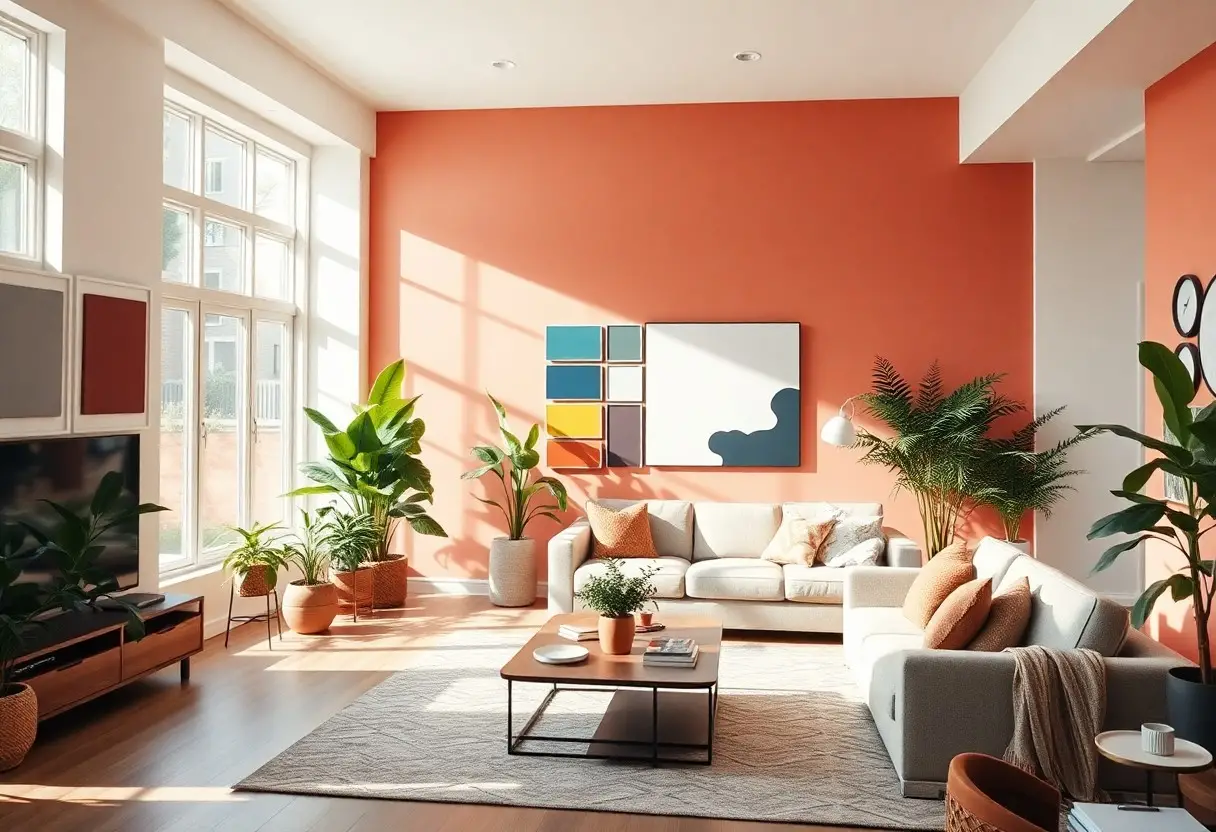
To inject energy and personality into your home, consider using bold colors and accents. These vibrant hues can make a dramatic statement and define a space, drawing attention to specific areas or features in your rooms. Used thoughtfully, bold colors can serve as focal points that enhance your home’s overall aesthetic.
Palettes incorporating bold colors should be balanced carefully with more subdued shades to avoid overwhelming your space. Consider using bold colors for accent walls, furniture pieces, or decorative accessories while keeping the remainder of your palette neutral. This approach allows you to express your personality while maintaining harmony throughout your home.
Common Mistakes to Avoid
All too often, homeowners make choices that hinder the aesthetic appeal of their spaces. When dicking out paint colors, it’s crucial to avoid common pitfalls that can detract from your desired outcome. Whether it’s neglecting lighting sources or overlooking the purpose of the room, these oversights can lead to less-than-satisfactory results. By steering clear of these mistakes, you can achieve a beautiful and harmonious environment that reflects your style and preferences.
Underestimating Lighting Impact
One of the most significant factors in paint color selection is lighting. The way light interacts with color can dramatically alter its appearance throughout the day. Natural light can brighten and enhance shades, while artificial light can cast unwanted tones. Consider testing your chosen colors in various lighting conditions before making a final decision to ensure they achieve your desired effect.
Ignoring Room Functionality
Clearly defining the purpose of each room is crucial when choosing paint colors. Selecting hues that align with the functionality of the space can enhance its atmosphere and usability. For instance, soothing colors may work well in a bedroom, while vibrant tones might be more suitable for a lively kitchen. By prioritizing room functionality, you can create an environment that supports and enhances your lifestyle.
Underestimating the role of functionality can lead to unsatisfactory results in your space. Consider how each room will be used and the mood you want to evoke. For example, a home office may benefit from calming hues to promote focus, while a playroom could use bright colors to inspire creativity. Carefully selecting colors that accommodate the intended use will create a more cohesive and enjoyable living experience.
Conclusion
Summing up, selecting the right paint colors for your home can dramatically elevate its visual aesthetics. By considering factors like natural light, room purpose, and personal style, you can create a harmonious and inviting environment. Use this guide as a helpful resource to explore various palettes and finishes that best reflect your personality and enhance your space. With thoughtful choices, your home can truly become a reflection of your unique taste and creativity.