

This guide will help you evaluate whether a project is suitable for your DIY skills and resources. You’ll learn how to assess various factors, including your experience level, available tools, and the complexity of the tasks involved. By understanding these elements, you can make informed decisions about which projects are feasible for you, ensuring a satisfying and successful outcome. Let’s examine the key considerations that will aid you in determining the DIY-friendliness of your next project.
Assessing Project Complexity
Evaluating project complexity helps you determine if you’re equipped to tackle it on your own. Start by examining the tasks involved, the materials needed, and the skills required. A project that requires specialized techniques or tools may be beyond the scope of a typical DIYer, while simpler tasks might be perfect for your skill set. Balance your ambition with an honest self-assessment to ensure the project aligns with your capabilities and resources.
Identifying Technical Skills Required
Every DIY project necessitates a range of technical skills, which can vary from basic abilities like painting and sanding to advanced tasks such as electrical work or plumbing. Assess the skills you currently possess and compare them to what the project demands. If the project requires knowledge or experience that you’re lacking, consider whether you’re willing to invest time in learning these new skills or if it’s best to seek professional assistance.
Analyzing Project Scale and Scope
The scale and scope of a project can significantly impact its DIY-friendliness. A small, manageable project, such as building a bookshelf or creating a garden bed, may take only a weekend and require minimal resources. In contrast, larger endeavors like remodeling a room or constructing a deck demand more time, effort, and planning. You should also account for the space available for materials and work, deadlines for completion, and your ability to sustain engagement with a prolonged project.
When analyzing project scale and scope, consider both the physical dimensions and the timeline. Projects that require extensive renovations or involve multiple rooms can easily become overwhelming, particularly if you’re unsure of your abilities. Break down the tasks involved into smaller, achievable milestones, making the project feel less daunting. It might help to create a detailed plan, taking note of the estimated time for each step. This approach not only keeps you organized but also reveals if the project can be realistically completed within your available time and resources.

Evaluating Available Resources
Understanding what resources you have at your disposal can significantly influence the feasibility of your DIY project. Take a close look at your space, tools, and materials to determine if you can comfortably launch into the task without overextending yourself or compromising your vision. Consider not only what you physically possess but also your skills and previous experience with similar projects. This assessment can help you avoid unnecessary setbacks and boost your confidence when tackling new endeavors.
Inventory of Tools and Materials
Before entering into a DIY project, create a detailed inventory of the tools and materials you currently own. Check for imperative instruments such as drills, saws, and measuring devices, as well as crafting supplies and hardware. If you find gaps in your inventory, make a list of what you’ll need to purchase or borrow. For many projects, investing in high-quality tools may pay off in terms of durability and ease of use, leading to a smoother process and a more satisfying outcome.
Time Commitment and Scheduling
Assessing the time commitment required for your project is paramount. Understand how long each phase will take and when you’ll be able to dedicate time to the project. Factor in your current schedule, any family or work obligations, and potential interruptions. This foresight helps you set realistic expectations and keeps you from feeling overwhelmed by the task at hand.
Specific projects may require only a few hours, while others can span several weekends or even months. Break the tasks into manageable sections, and set deadlines for each stage. For example, if you’re building a furniture piece, allocate specific days for purchasing materials, cutting, assembling, and finishing. By writing these time estimates into your calendar, you can ensure that projects fit within your lifestyle, making DIY not just achievable but enjoyable.
Understanding Your Skill Set
Assessing your skill set is vital to determine if a project is within your DIY capabilities. Each project requires a unique combination of skills, tools, and patience. By understanding what you can confidently tackle, you’ll reduce the risk of frustration and failed attempts. Self-reflection regarding your abilities can save time, resources, and even safety hazards down the line. Start by identifying past projects you’ve successfully completed and pinpoint any specific skills or techniques you’ve mastered.
Self-Assessment of DIY Capabilities
Evaluating your DIY capabilities begins with a list of skills you possess and identifying areas where you may need improvement. Consider your prior experiences with carpentry, plumbing, painting, or electrical work. Be honest about your comfort level and expertise in these areas, and don’t shy away from acknowledging what you find challenging. This self-assessment will guide you in choosing projects that align with your abilities, helping to set realistic expectations from the outset.
Learning Curve: What’s Realistic?
Understanding the learning curve for your chosen project can help you set practical goals. Some DIY tasks may require you to learn new techniques, while others might build on skills you already possess. Analyze the complexity of the project at hand and gauge how much time you can commit to learning new skills. Online tutorials, workshops, and community classes can bridge any gaps, but consider how much effort you’re willing to invest.
Different projects come with varying levels of complexity. For instance, a simple furniture assembly might have a minimal learning curve, whereas a home renovation involving plumbing and electrical work could require extensive research and practice. Setting aside a timeline for mastering these skills can help keep you motivated. Researching resources like video tutorials or hands-on workshops lets you better understand what you’re getting into. Recognizing your capacity to adapt and learn is key; start small, and gradually tackle more complex tasks as your confidence builds.
The Cost-Benefit Analysis of DIY
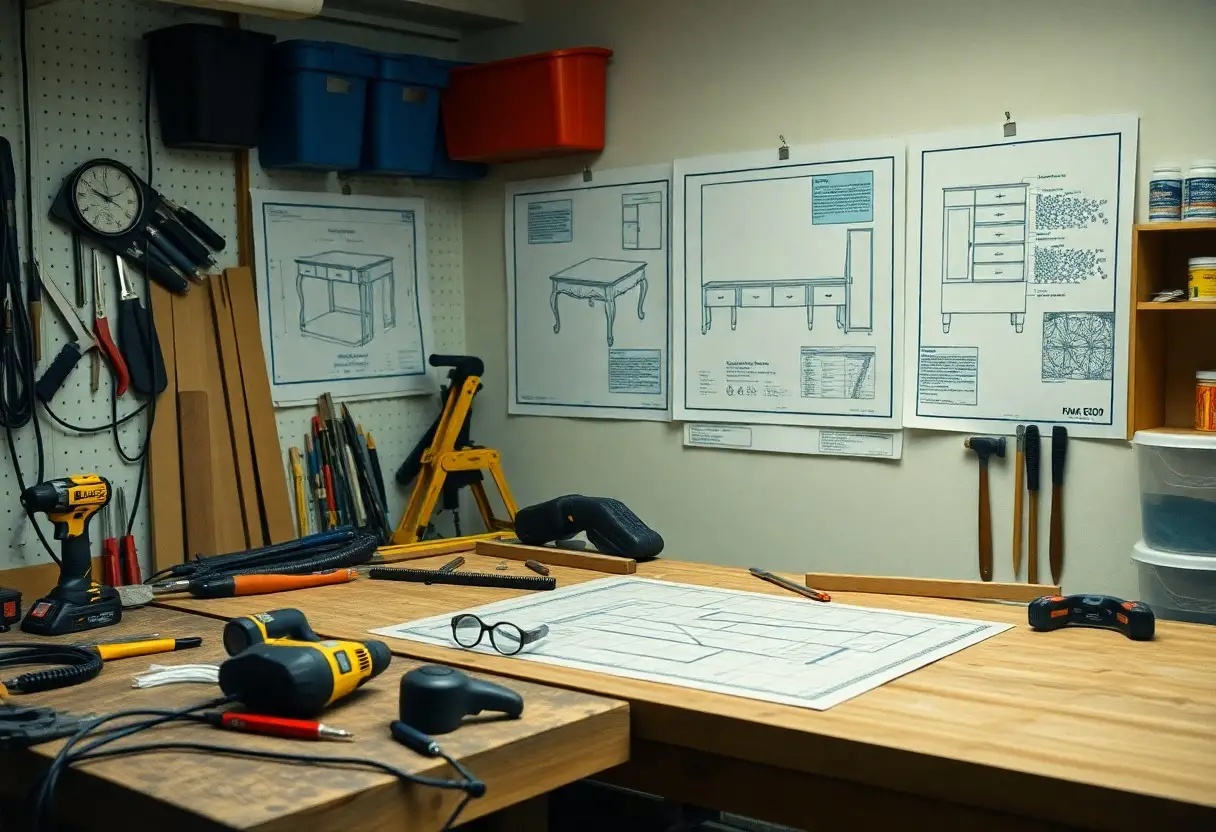
Conducting a cost-benefit analysis of your DIY project allows you to weigh the financial and time commitments against the potential rewards. By assessing both direct costs such as materials and equipment, and indirect costs like your time and effort, you can gauge whether taking the DIY route is a wise financial decision. This thorough examination helps to avoid discovering too late that you may have spent more than you would on professional help.
Calculating Potential Savings vs. Professional Help
To determine whether a DIY project is worth your time and energy, compare the costs of materials and tools to quotes from professionals. For example, if a contractor charges $500 for a job that can be completed with $150 in supplies, you’d save $350 by doing it yourself. However, account for your hourly wage—if the project takes 10 hours to complete, that savings can quickly diminish if your time has a high value in other commitments.
Long-Term Value of DIY Projects
Investing time in DIY projects can lead to long-term financial benefits and increased home value. When you roll up your sleeves and complete renovations or improvements yourself, you often create equity that far exceeds the initial investment in materials. For instance, a DIY kitchen remodel could return over 80% of its cost upon resale, while the hands-on skills you gain can continually benefit you in future projects.
Moreover, tackling DIY projects equips you with valuable skills that can pay off over the long run, including troubleshooting, repair techniques, and design knowledge. Each successful project adds to your confidence and competence, making subsequent tasks seem less daunting and encouraging you to take on even more ambitious endeavors. It’s a cumulative effect that not only increases your home’s market value but also transforms you into a more capable and resourceful homeowner.
Seeking External Insights
Gaining perspectives from others can significantly enhance your understanding of a project and reveal potential pitfalls you might overlook. Engaging with those who have firsthand experience can guide your decision-making process and help clarify whether the task at hand is truly DIY-friendly. Their insights can save you time, money, and effort, allowing you to focus on projects that you can realistically tackle on your own.
Engaging with Online Communities and Forums
Online communities and forums dedicated to DIY projects are invaluable resources. By posting your project ideas or questions, you can quickly gather feedback from experienced DIYers. These platforms help you connect with a diverse group of individuals who can share their successes, failures, and inventive solutions, providing you with a broader perspective on your undertaking.
Leveraging Tutorials and Expert Opinions
Tutorials and expert opinions offer structured guidance that can simplify complex projects. Websites, YouTube channels, and blogs dedicate themselves to demystifying the DIY process, often breaking down tasks into manageable steps. By studying these resources, you gain insights into best practices, useful tools, and common mistakes to avoid. This research can help you assess your capabilities and equip you with the necessary skills to tackle your project successfully.
Many tutorial platforms also feature community feedback, allowing you to see how others have navigated similar projects. For instance, YouTube channels often include comments that discuss real-life results, showcasing what worked and what didn’t. Additionally, expert opinions may highlight common challenges and innovative shortcuts that can make even more intricate tasks accessible. Engaging with these resources can bolster your confidence, ensuring you’re adequately prepared before plunging into the hands-on work.
Summing up
To wrap up, deciding if a project is DIY-friendly involves assessing your skill level, the complexity of the task, the required tools, and your available time. Evaluate whether you have the necessary knowledge or can easily acquire it, and consider the project’s scope in relation to your capabilities. Also, factor in the cost of materials versus hiring a professional, ensuring you make an informed decision that aligns with your resources and goals. By weighing these elements, you can confidently determine if the project is suitable for your DIY endeavors.