
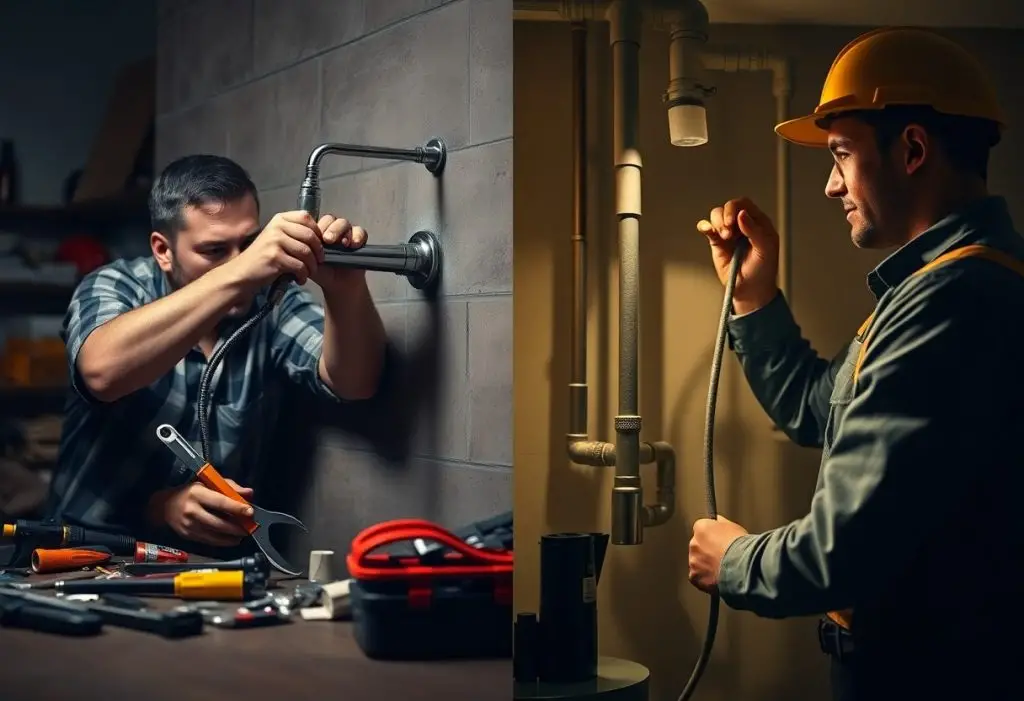
Many homeowners find themselves faced with repair tasks that seem straightforward, but knowing what you can handle—and what to leave to the professionals—can save you time and money. In this post, we’ll explore five home repairs that you can confidently tackle on your own, alongside five that are best left to experts. From simple fixes to complex issues, understanding your limits will help you maintain your home effectively while avoiding potential pitfalls. Let’s dive in and empower you with the knowledge to approach home repairs wisely.
The Do-It-Yourself Triumphs: Home Repairs You Can Easily Handle
Your home is your sanctuary, and tackling repairs yourself can save you money and give you a profound sense of accomplishment. There are several tasks that don’t require a professional touch, from fixing minor cosmetic issues to handling straightforward plumbing problems. With some basic tools and a bit of confidence, you can manage these home repairs, ensuring your space remains comfortable and inviting.
Patchin’ Up the Walls: Mastering Minor Drywall Repairs
Minor drywall damage, such as small holes or dents, can be easily repaired with a few simple tools. All you need is a patching compound, a putty knife, and sandpaper. You’ll create a smooth surface by applying the compound, allowing it to dry, and then sanding it down. This quick fix enhances your home’s appearance without the need for extensive renovations.
Draining Your Troubles: Unclogging Drains Like a Pro
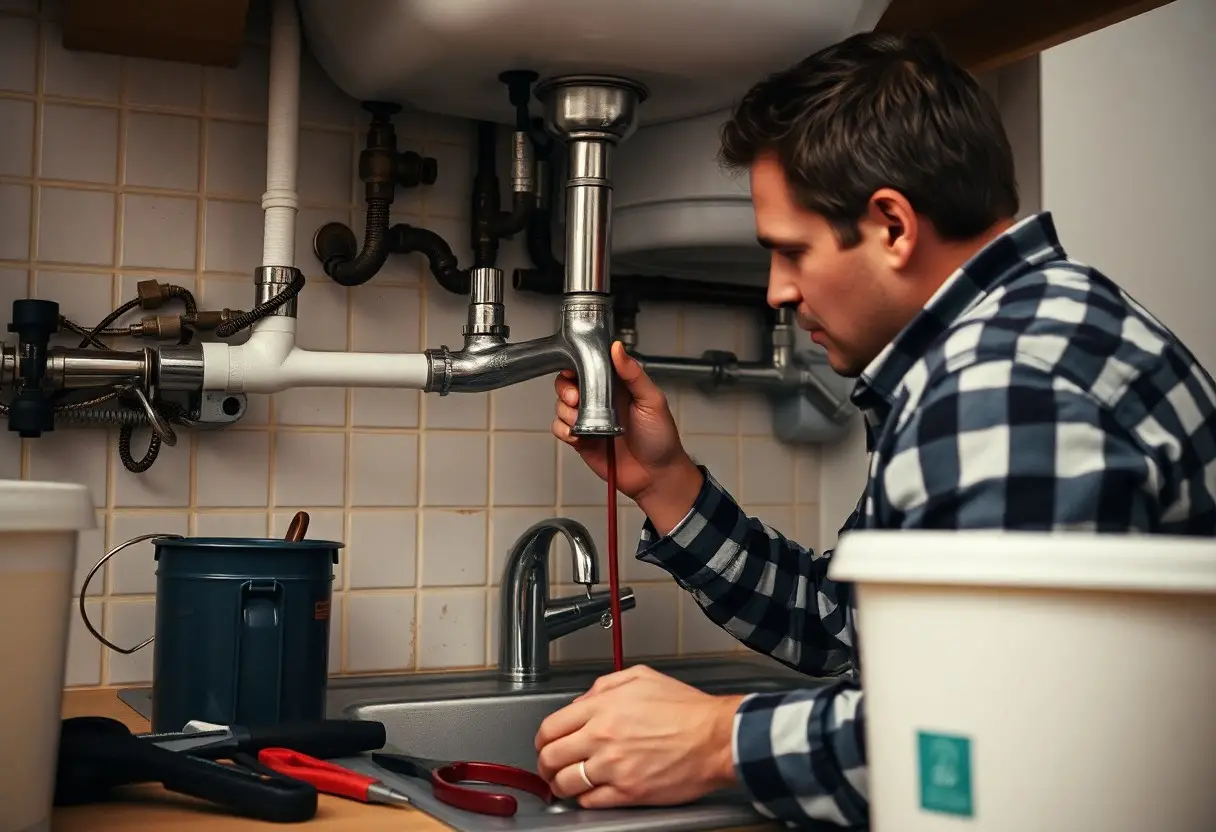
Clogged drains can be a common household nuisance, but many can be resolved easily without calling a plumber. Start by using a plunger or a drain snake to dislodge the blockage, or try a mixture of baking soda and vinegar for a natural approach. These methods can save you both time and money while keeping your home running smoothly.
When opting for the baking soda and vinegar method, pour a half cup of each into the drain and let it sit for about 15 minutes before rinsing with hot water. This combination works wonders by breaking down grease and debris, allowing for a free-flowing drain. If these methods don’t work, you might also consider removing the trap under the sink to manually clear out stubborn clogs, ensuring plumbing efficiency.
Lighting the Way: Replacing Light Fixtures Safely
Replacing light fixtures is a manageable DIY task that can dramatically change the ambiance of a room. Start by turning off the power at the circuit breaker, and always use insulated tools to ensure safety. Carefully follow the manufacturer’s instructions for installing the new fixture, and step back to admire your upgraded lighting.
Choosing the right light fixture not only enhances the decor but also improves functionality. Make sure to match the wattage and style of the new fixture with the existing settings of your home. For added safety, consider using smart bulbs that can adjust brightness and color temperature, allowing you to set the perfect mood for your space.
Taming Leaky Faucets: A Simple Guide to DIY Plumbing
Leaky faucets can lead to water waste and increased utility bills, but fixing them is often straightforward. Start by turning off the water supply and disassembling the faucet to replace worn washers or O-rings. This simple repair can restore functionality and prevent further issues in your plumbing.
Before exploring into the repair, take note of the faucet type. Compression, cartridge, ball, and ceramic disc faucets may have different disassembly processes. By familiarizing yourself with these differences, you can avoid common pitfalls and effectively tackle the leak, ensuring your plumbing remains in top-notch condition.
Weather-Proofing Your Home: Sealing Windows and Doors
Sealing windows and doors is an effective way to improve your home’s energy efficiency. Apply weatherstripping around frames to keep drafts out, or use caulk to seal gaps and cracks. This simple act not only enhances comfort but also reduces heating and cooling costs throughout the year.
For optimal results, check your home for existing weather seals that may need replacement due to wear and tear. When sealing, ensure you clean and dry the surfaces before application for better adhesion. This proactive approach helps maintain a comfortable indoor environment and can lead to significant savings on energy bills over time.
The Perils of the DIY Mentality: Repairs Best Left to Professionals
A DIY approach can be tempting, but some home repairs require specialized skills and knowledge that you simply may not have. Attempting these jobs can lead not only to costly mistakes but also to potentially hazardous situations. From electrical to plumbing work, understanding when to call the professionals is important to maintaining a safe and sound home.
Electrical Nightmares: When Wiring Goes Wrong
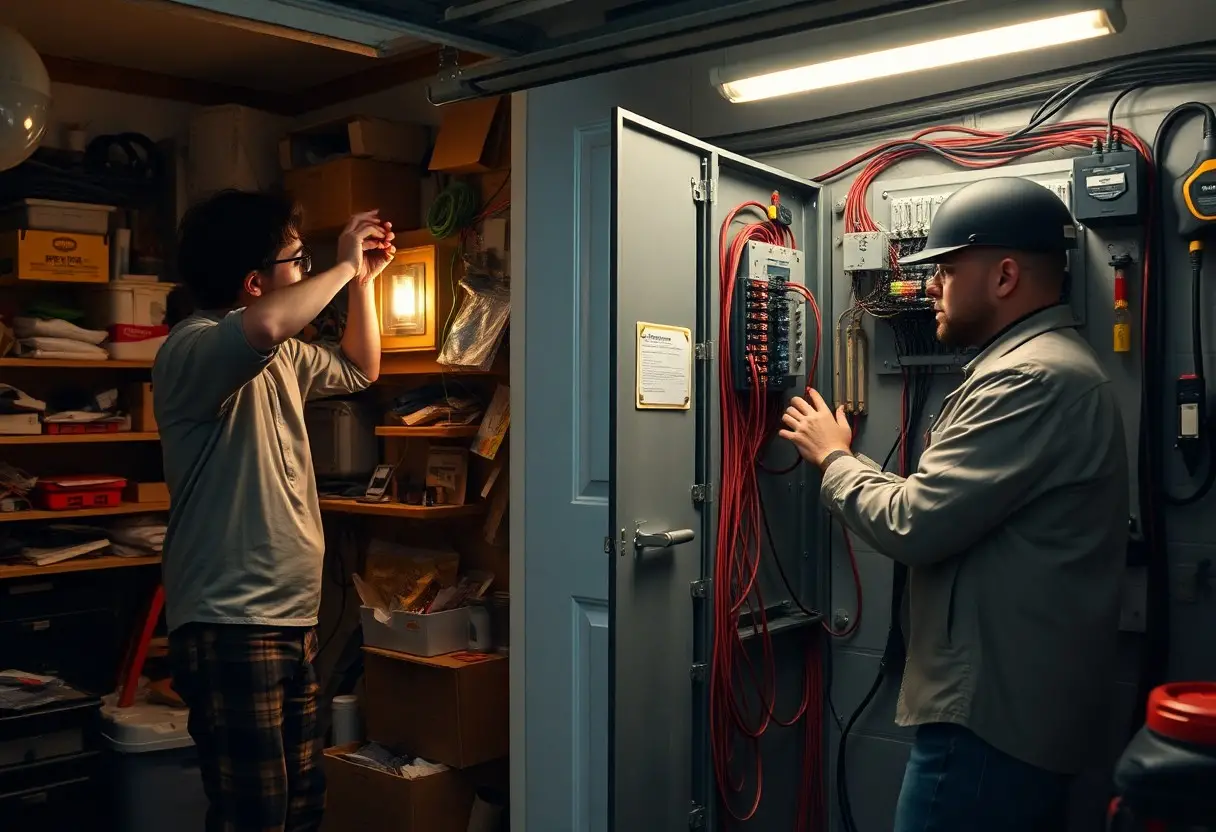
Electrical issues can quickly escalate from minor inconveniences to serious hazards. Without proper training, you risk creating fire hazards or even electrocution through improper wiring and installation. Prioritizing safety means leaving electrical repairs to licensed electricians who are well-versed in code compliance and safety standards.
Structural Integrity: The Dangers of DIY Roof Repairs
DIY roof repairs pose significant risks to your home’s structural soundness. Neglecting proper techniques or materials can lead to leaks, mold growth, and even collapses, costing you much more than hiring a professional. Roof work demands expertise to ensure integrity and safety, making it wise to leave such tasks to experienced roofers.
Hiring a professional roofer is important for maintaining your home’s integrity and safety. Experienced roofers understand the nuances of roofing materials, proper installation techniques, and local building codes. They can also identify hidden damage that an untrained eye might miss, ultimately saving you from expensive repairs down the line. In contrast, DIY attempts often lead to improper installations that jeopardize the safety of your home and may require a complete redo by a professional anyway.
The HVAC Conundrum: Risks of Ignoring Expert Knowledge
HVAC systems are complex, and attempting repairs without proper knowledge can compromise not only comfort but also safety. Issues such as refrigerant leaks or improper installation can lead to rising energy bills and health risks. Leaving HVAC work to qualified technicians ensures efficiency and adherence to local regulations.
Expert HVAC technicians possess the necessary training to diagnose issues accurately and implement effective solutions. They’re equipped with the right tools and have an understanding of local regulations, ensuring any repair or installation is compliant and safe. Ignoring or mishandling HVAC system issues can lead to major inefficiencies and could even void warranties, underscoring the importance of professional expertise in this area.
Plumbing Catastrophes: Understanding the Complexity Underneath
Plumbing systems are intricate, and small mistakes can quickly turn into significant catastrophes. A simple leak can escalate into a flood if pipes are not properly sealed or if you don’t understand the plumbing layout. Investing in a licensed plumber prevents costly damage and ensures the problem is accurately addressed.
Attempting plumbing repairs without adequate knowledge significantly increases the risk of creating bigger problems. A poorly repaired leak can cause water damage leading to mold, structural issues, and expensive tear-outs. Plumbers have the expertise to identify underlying issues, upgrade older systems, and ensure that all work complies with local codes, ultimately preserving your home’s functionality and safety.
Hazardous Materials: When DIY Meets Asbestos and Lead
Older homes often contain hazardous materials like asbestos and lead paint, which pose serious health risks. Disturbing these materials during repairs can release harmful fibers and particles into your home. Professional remediation is important to safely handle such materials, protecting both your health and that of future occupants.
Addressing hazardous materials like asbestos or lead requires specialized training and equipment to mitigate risks effectively. Disturbing these substances without proper safety measures can result in serious health issues, including respiratory problems and poisoning. Professional contractors trained in hazardous material handling follow strict protocols to ensure safe removal and disposal, reducing any potential dangers to you and your family.

Gauging Your Own Skills: How to Assess Your Readiness for Home Repairs
Before stepping into home repairs, reflecting on your current skills helps prevent costly mistakes. Consider the complexity of the task at hand, your comfort level with tools, and previous hands-on experiences. Evaluating your past successes in similar projects can highlight strengths as well as areas where you may need improvement. Take a moment to outline what you’ve tackled successfully so far, and weigh that against the difficulty of the job you’re contemplating.
Identifying Personal Skill Sets: What Are You Good At?
Assessing your personal skill set starts with recognizing your strengths. Have you successfully tackled minor plumbing issues or mastered the basics of wall painting? Make a list of these accomplishments to identify where your confidence lies. Once you document your abilities, it becomes easier to determine which home repairs fall within your skill level and which might stretch your capabilities too far.
Resources for Learning: Tools to Expand Your Repair Knowledge
Diving into DIY repairs or renovations doesn’t have to be a solo journey. Countless resources can help you learn new skills and techniques. Online platforms such as YouTube offer countless tutorials, while local hardware stores frequently provide workshops aimed at novice DIYers. Books and forums dedicated to home repair can deepen your understanding, while engaging with community groups or even neighbors can provide valuable insight and hands-on mentorship.
Exploring various resources allows you to tailor your learning experience based on your personal preferences. Websites like Home Repair Tutor and This Old House provide step-by-step guides and videos that break down complex tasks. Engaging in online forums, such as Reddit’s home improvement community, can connect you with others who have faced similar challenges. Participation in your local library’s DIY workshops not only expands your skills but also fosters connections with fellow DIY enthusiasts. Embracing these educational tools can boost your confidence and better prepare you for your next home repair project.
Conclusion
Hence, knowing which home repairs you can tackle on your own and which ones are best left to the professionals empowers you to maintain a safe and well-functioning living environment. DIY tasks like painting and fixing leaky faucets can save you money, while complex issues such as electrical work or foundation repairs may require professional expertise. By understanding your limits, you can enhance your home while ensuring your safety and that of your family.