
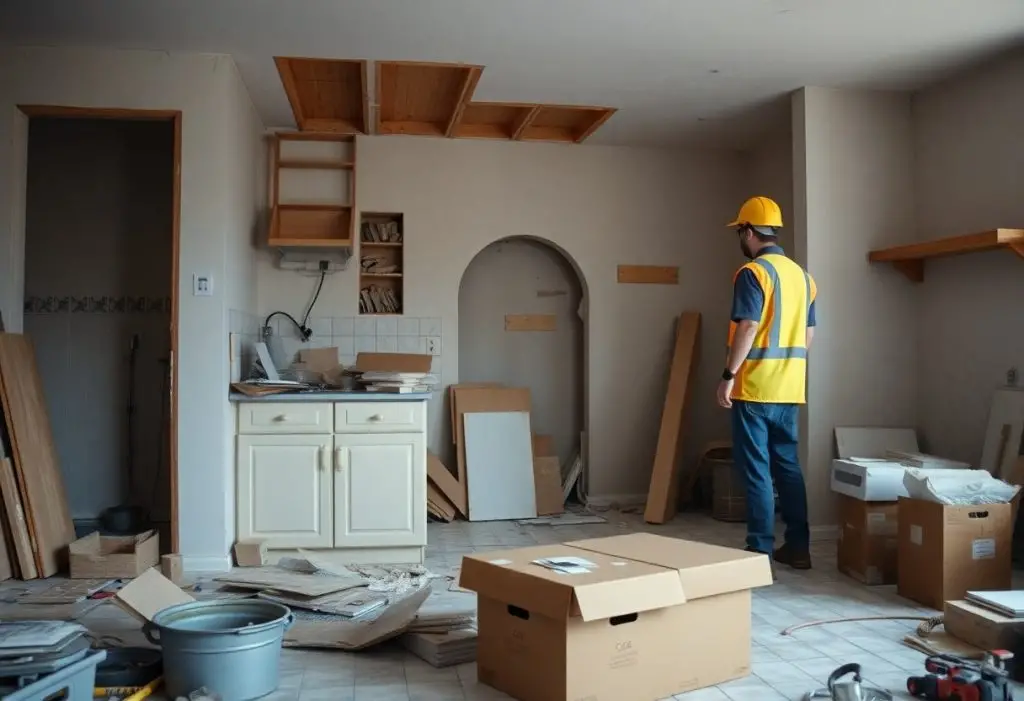
Avoidance of common renovation pitfalls can save you time, money, and frustration in your home improvement projects. As you commence on your renovation journey, it’s vital to understand potential hazards that can derail your plans. In this guide, we will explore frequently encountered disasters and provide you with practical tips to prevent them, ensuring your renovations go smoothly and meet your expectations. With the right knowledge, you can transform your space without the typical headaches associated with renovations.
Over the years, many homeowners have faced renovation disasters that can turn a dream project into a nightmare. Whether it’s budget overruns, design miscommunications, or unexpected structural issues, knowing how to navigate these pitfalls can save you time, stress, and money. In this guide, you’ll discover common renovation missteps and practical strategies to avoid them, ensuring your home transformation stays on track and aligns with your vision. With the right preparation and insight, you’ll be well-equipped to tackle your next renovation project with confidence.
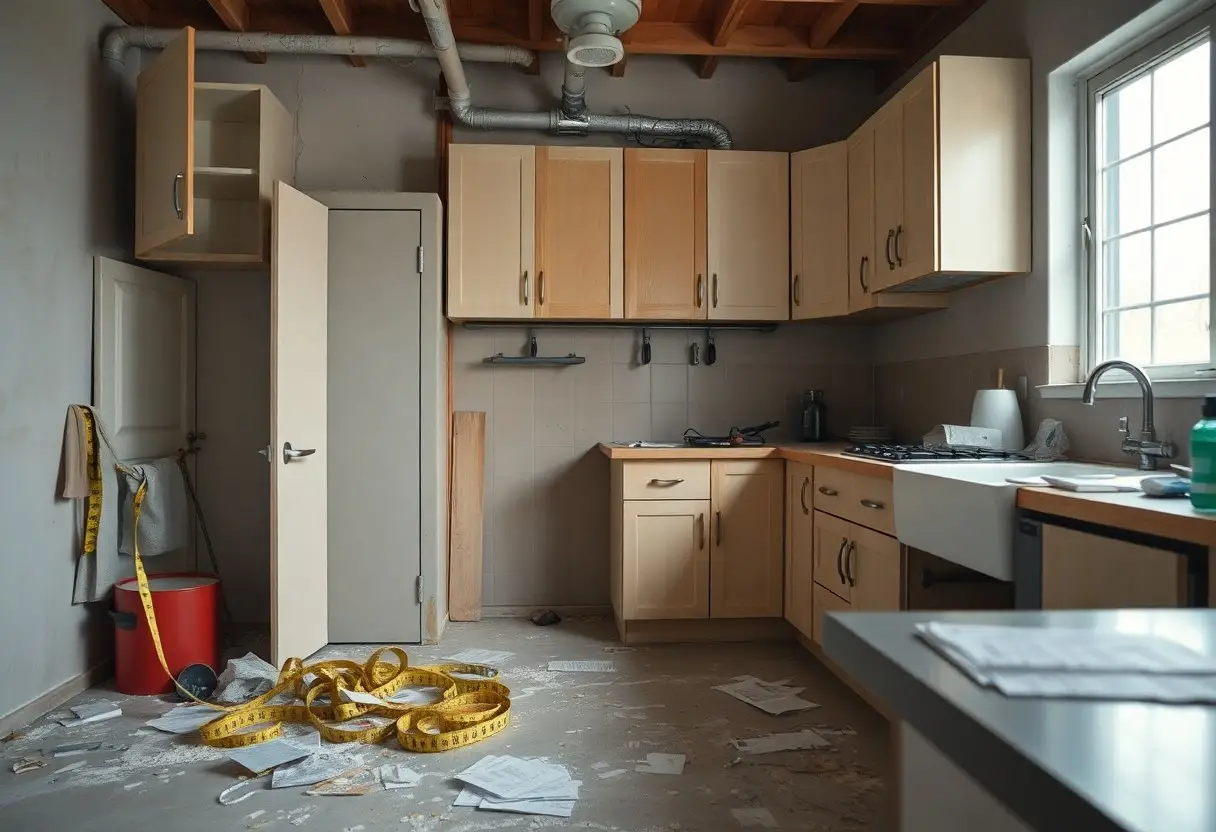
The Financial Pitfalls: Budgeting Blunders That Sink Projects
Your renovation budget can quickly spiral out of control without proper planning. Many homeowners discover they’ve underestimated the costs involved, leading to financial strain and project delays. From materials and labor to unforeseen expenses, many factors contribute to overspending. A realistic budget takes into account the true cost of materials, permits, and contractor fees. Failing to address these elements can derail your renovation journey and transform your dream home into a financial nightmare.
Underestimating Costs: Why Your Budget Needs a Reality Check
Overoptimism can tempt you to undervalue expenses like materials, labor, and unexpected fees. A survey found that 35% of homeowners exceed their renovation budgets, often due to failing to research accurate costs. By obtaining multiple quotes and consulting with professionals, you’ll ensure a more realistic financial expectation.
The Importance of Contingency Funds: Preparing for the Unexpected
Setting aside a contingency fund can save your renovation project from potential pitfalls. Financial experts generally recommend allocating 10-20% of your total budget for unforeseen costs, whether these arise from hidden structural issues or changes in materials. Such preparations can be the linchpin that keeps your project on track.
Contingency funds are vital because they act as a safety net for the unexpected. For example, if you open up a wall and find mold or outdated wiring, costs can skyrocket. Having funds set aside allows you to address these issues without derailing your entire renovation plan. Many renovation projects face delays and stress when unexpected expenses arise, but with a contingency fund in place, you’ll navigate these challenges with confidence and keep your project timeline intact. Plus, this financial buffer can alleviate stress for your contractors if they need to make adjustments mid-project.
The Most Common Renovation Pitfalls
Understanding the most common renovation pitfalls can significantly enhance your project’s chances of success. Homeowners frequently encounter challenges like managing finances, timelines, and contractor relationships. Strategic preparation can help you avoid these setbacks, leading to a smoother renovation experience. Identifying potential issues before they arise will allow you to navigate the complexities with greater ease.
Budgeting Blunders: Why Cost Overruns Are Inevitable
Even with the best intentions, many renovation projects experience budget overruns. Expenses often arise from unforeseen complications, such as hidden structural issues or changes in materials and labor costs. Without a contingency fund, your project can quickly spiral out of control, leading to stress and disappointment. Establishing a realistic budget, inclusive of a 10-20% cushion, helps safeguard against these financial surprises.
Timeline Terrors: Mismanagement and Delays
Delays commonly stem from miscommunication or unrealistic scheduling. If you don’t allocate enough time for each phase of your renovation, you risk pushing your timeline out further. Poor planning of contractor availability, sourcing materials, or weather-related interruptions can all exacerbate these delays. A well-conceived timeline that accounts for each stage of the project and potential setbacks can help keep your renovation on track and minimize frustration.
Setting clear expectations with your contractors and allowing for buffer time in your schedule is important. Create a detailed timeline that outlines key milestones and communicates these timelines directly to everyone involved, from suppliers to subcontractors. Consider seasonal factors that may affect working conditions. For example, if you’re renovating an outdoor space, winter weather can delay progress. Always factor in unexpected issues, and remain flexible to make adjustments along the way. A proactive approach to managing timelines drastically reduces the risk of mismanagement and frustrating delays.

Timeline Turmoil: Scheduling Setbacks That Derailed Renovations
Renovations often stall due to unexpected scheduling issues, transforming your timeline from a hopeful agenda into a source of frustration. Delays can emerge from multiple sources, whether it’s a contractor falling behind schedule or unforeseen complications that demand more time. Every lost day chips away at your projected completion, leading to increased costs and diminished enthusiasm for the project.
Common Delays: From Permits to Product Availability
Delays can stem from an array of factors, including permit approvals that take longer than expected or products out of stock, which can hinder progress. Often, homeowners underestimate the time it takes to secure necessary permits, assuming that they are easily obtainable. Additionally, backorders for materials, particularly in high-demand situations, can lead to significant waits that disrupt your planned schedule.
Strategies for Realistic Timelines: Planning for Success
Creating a realistic renovation timeline means allowing for flexibility while setting concrete deadlines. Aim for a buffer period between project phases to accommodate delays, building in time for permit approvals and material procurement. Engaging with your contractor during the planning phase can provide insights into potential bottlenecks and help you prioritize tasks effectively, ensuring that schedules align with actual lead times and availability.
Thorough research into local permitting processes can reveal typical approval times, aiding in your planning. Consult multiple suppliers If you’re sourcing specialty materials, as lead times can vary greatly. By developing a comprehensive timeline that factors in potential delays, you establish clear expectations for yourself and your team. This foresight not only builds trust with your contractors but also empowers you to manage the renovation process more efficiently, reducing stress and aligning your vision with reality.
Miscommunication: The Silent Project Killer
Miscommunication can unravel even the most meticulously planned renovation. When expectations aren’t aligned between you and your contractor, the entire project can veer off course, leading to delays, overspending, and unsatisfactory results. This silent project killer often stems from vague descriptions, assumptions, and a lack of structured dialogue, ultimately jeopardizing your vision and budget.
The Importance of Clear Expectations with Contractors
Establishing clear expectations at the outset sets the tone for your project. Outline your vision, budget, timeline, and any specific materials or designs you want to incorporate. This openness fosters a relationship built on trust and reduces the risk of costly misunderstandings. You’ll find that the clearer you are, the more likely your contractor can meet your expectations.
How to Document Everything: Contracts and Communication
A comprehensive contract acts as your project’s backbone. Documenting terms, timelines, and material specifications ensures everyone is on the same page. Regular communication, with updates on progress and changes, creates a reliable paper trail that can clarify any misunderstandings. Aim to summarize key discussions in writing, whether through emails or meeting notes, so you can refer back to them if needed.
Documenting every aspect of your renovation reinforces accountability and serves as a checkpoint for both you and your contractor. Specificities within your contract should outline work phases, completion dates, and any penalties for missed deadlines. Communication logs, detailing what was discussed and agreed upon, can help dispel confusion and act as a reference in case of disputes. By diligently tracking all communications and notes, you protect yourself against potential miscommunications that could derail your renovation dreams.
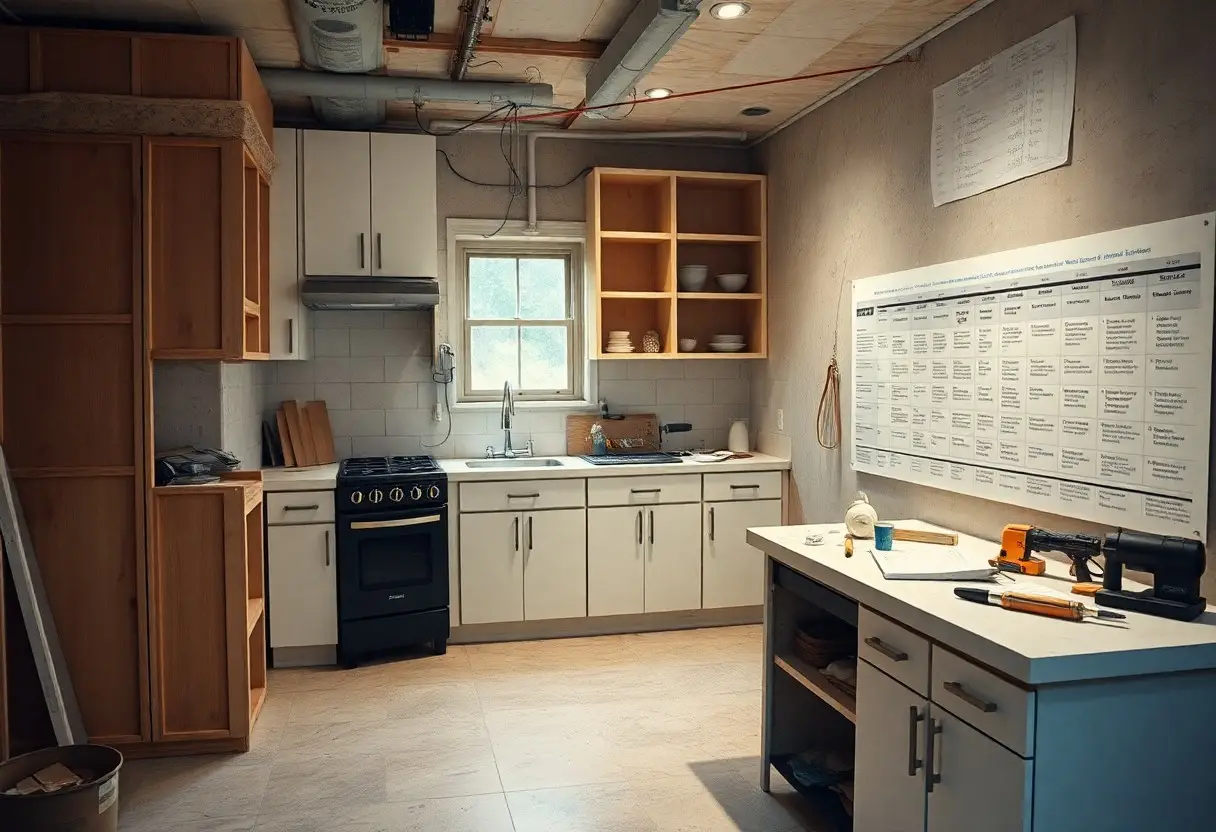
Communication Breakdowns: The Role of Clear Expectations in Renovations
Effective communication stands at the core of every successful renovation project. Without transparent dialogue, misunderstandings can quickly escalate into significant issues, leading to delays and added costs. Establishing clear expectations from the outset helps align the visions of both parties, ensuring that you and your contractor are on the same path. Whether it’s discussing timelines, budgets, or specific design elements, committing to open lines of communication guarantees that your renovation doesn’t fall prey to common pitfalls.
Homeowner and Contractor Dialogue: Establishing a Healthy Relationship
Building a strong rapport with your contractor sets the tone for your renovation journey. Engage in regular conversations, ask questions, and provide feedback throughout the project. When both you and your contractor feel comfortable sharing insights and concerns, the entire process becomes smoother. For example, setting up weekly check-ins can prevent misunderstandings and help in addressing any potential issues early on.
Revisiting Contracts: What to Clarify Before Work Begins
Going over the contract with your contractor is a pivotal step in your renovation. You’ll want to clarify payment schedules, project timelines, and the scope of work before any tools are lifted. Addressing these points upfront helps prevent misunderstandings later and ensures that you both have the same expectations.
Delve deeper into specific aspects of the contract like change orders, which outline how modifications to the project will be handled. Understanding the cost implications for unexpected changes can save you from surprise expenses down the road. Clarify your payment terms as well—know when payments are due and the conditions for each installment. By proactively discussing these elements, you create a solid foundation for the project, significantly reducing the likelihood of disputes and delays once work begins. A well-defined contract not only protects your interests, but also fosters a sense of partnership with your contractor.
Design Disasters: Functionality Meets Aesthetics
Striking a balance between aesthetics and functionality often proves challenging during renovations. Many homeowners fall into the trap of prioritizing stunning visuals over everyday practicality, resulting in spaces that look great but don’t work well for daily activities. Consider how the flow of a room, its purpose, and your lifestyle can harmoniously integrate with good design principles to create a well-rounded space.
The Balance Between Trends and Personal Style
Following the latest design trends can be tempting, but tailoring your renovation to reflect your personal style fosters a more comforting and unique environment. Incorporate elements that resonate with your tastes while only selectively including trendy features that enhance your home without making it feel like a short-lived fashion statement. Aim for a style that is both timeless and representative of who you are.
Practical Layouts Over Eye-Catching Designs
Focusing on practicality ensures that your home remains functional while still appealing to the eye. A well-thought-out layout considers how you and your family interact within the space, prioritizing efficient use of square footage over mere aesthetic appeal. Before finalizing designs, visualize how daily routines will unfold in your new space to avoid post-renovation regret.
For instance, an open-concept living area might be visually stunning, but if the kitchen’s layout hamstrings cooking habits or disrupts social interactions, it can become a source of frustration. Consider incorporating ample storage solutions, wide pathways, and an intuitive flow between spaces to maximize usability. Evaluating how each area serves its intended purpose can lead to improvements that enhance daily life while achieving the stylish look you desire.
Design Distress: Avoiding Regret with Thoughtful Planning
Thoughtful planning is your best defense against design distress. Begin by defining your vision and priorities clearly, ensuring that each choice aligns with both your aesthetic desires and practical needs. Engaging a professional designer can provide insights that minimize costly mistakes, while also improving the flow and functionality of your space. By investing time upfront in careful planning and thorough research, you set your project on a path to success, significantly reducing the chances of experiencing regret later on.
Balancing Aesthetics and Functionality: Key Considerations
Achieving harmony between aesthetics and functionality requires you to prioritize how you use your space. Consider aspects like traffic flow, natural light, and storage solutions while selecting materials and colors. For instance, bright, glossy surfaces may enhance visual appeal but could show wear and tear faster in high-traffic areas. By carefully evaluating your lifestyle needs and preferences, you can make informed decisions that promote both beauty and practical utility in your renovation.
The Dangers of Following Trends: How to Create Timeless Spaces
Trends can be enticing but chasing them often leads to hasty decisions that date your space quickly. Focus on quality over fleeting styles by investing in classic design elements and enduring materials. Neutral color palettes paired with statement pieces can provide a balanced look that remains stylish over time. Ultimately, prioritizing timeless design principles, such as proportion and scale, ensures your home will retain its appeal despite the constantly shifting landscape of trends.
To sidestep the pitfalls of trend-driven design, look to timeless styles that resonate with your personal taste instead of the latest fads. Icons like mid-century modern or minimalist aesthetics withstand changing trends and can easily adapt with you over time. Consider incorporating elements that tell your story or reflect your personality, ensuring longevity and uniqueness. For instance, classic hardwood floors or quality cabinetry may require a larger initial investment but will serve as a solid foundation for many future alterations, saving you from frequent, costly overhauls.
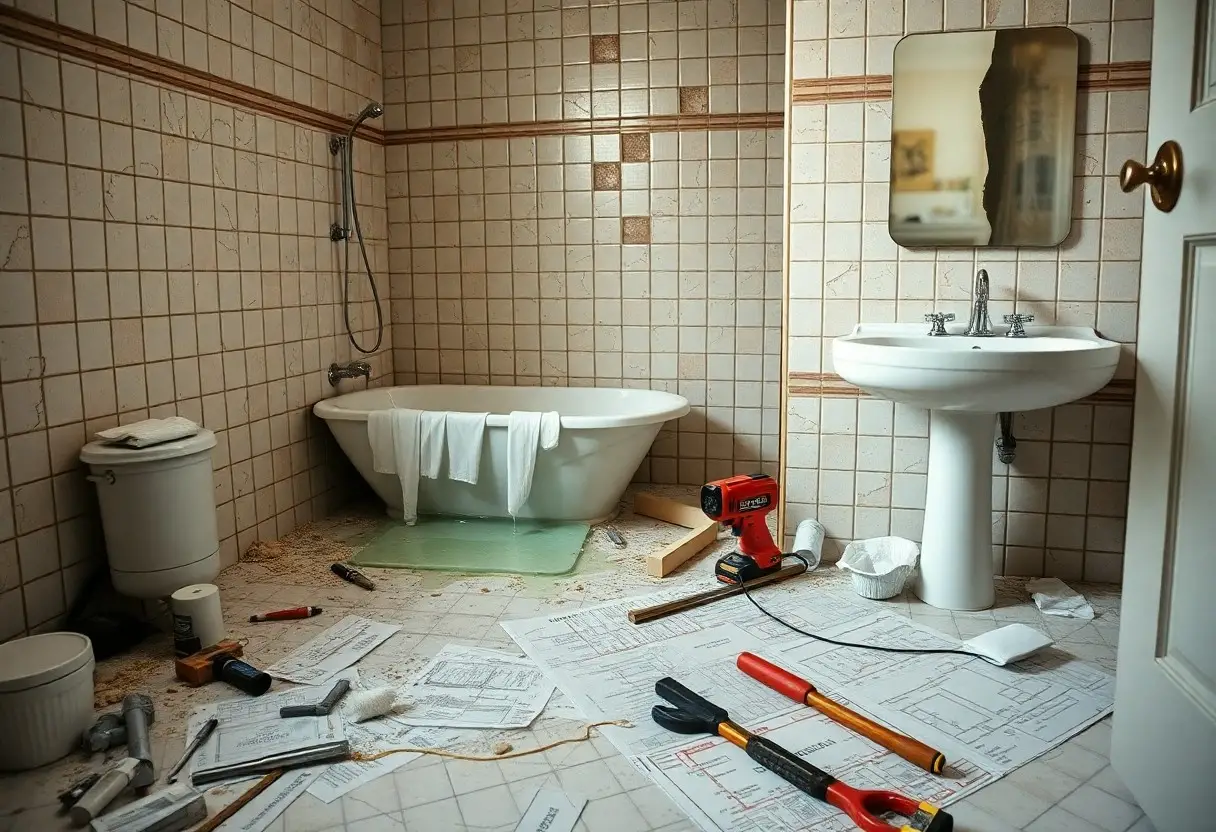
DIY Dilemmas: When to Call in the Experts
Your enthusiasm for tackling home renovations can sometimes lead to challenging situations. While DIY projects can be rewarding and cost-effective, knowing when to bring in professionals can save you time, money, and stress. Key indicators include tasks that require specialized skills, complex plumbing or electrical work, and projects with strict timelines. Assessing your capabilities and the potential risks involved can guide you to make the best decision for your home and peace of mind.
Recognizing Your Limitations: Skills and Tools
Before plunging into a DIY project, evaluate your skills, the tools at your disposal, and your experience level. Some tasks, like painting or landscaping, may be manageable, but others, such as structural changes or intricate electrical work, could be well beyond your expertise. If you find yourself lacking either the confidence or the right tools, it’s time to consider professional assistance to ensure safety and quality in your renovations.
The Cost-Benefit Analysis of Hiring Professionals
Hiring professionals can seem like a significant expense upfront, but it often pays off in the long run. Credentials, experience, and access to better resources allow them to execute projects efficiently, reducing the risk of costly mistakes. While you might save money attempting a project yourself, unexpected issues can lead to extensive repairs—which often exceeds the cost of hiring an expert from the start. Investing in skilled labor can enhance the overall outcome, bringing your vision to life while minimizing headaches.
Consider this: a licensed contractor not only brings expertise but also tends to have licenses and insurance that protect you from potential liabilities. For example, a small plumbing issue handled incorrectly could lead to extensive water damage, costing you thousands more than hiring a plumber initially. Furthermore, professionals typically have established relationships with suppliers, meaning they may get better rates for materials than you would on your own. Balancing your DIY ambitions with the wisdom of hiring experienced tradespeople creates a roadmap for a smoother renovation journey.
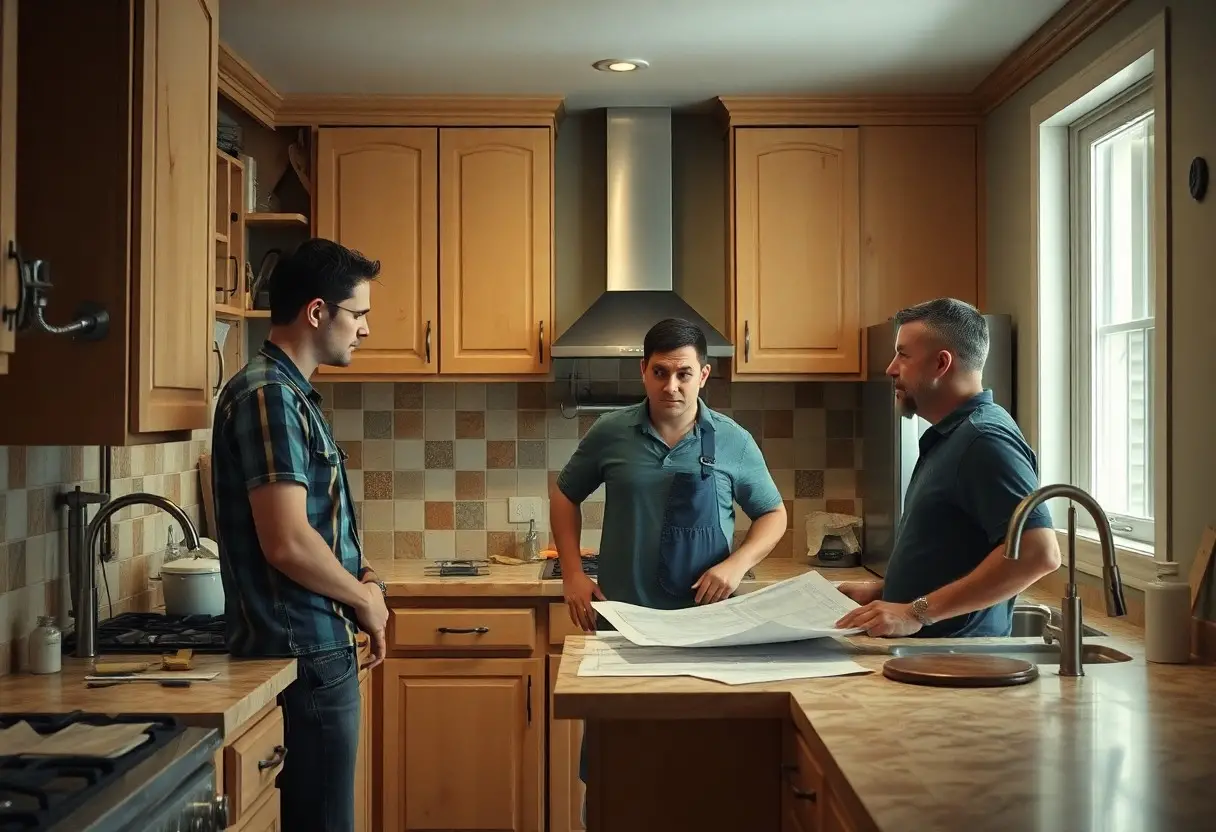
The Aftermath: Fixing Renovation Disasters When They Occur
Renovation disasters can unfold despite your best efforts, but facing the aftermath is important. Addressing issues quickly not only minimizes damage but also helps restore your vision for the space. From structural errors to aesthetic missteps, the first step is documenting the issues thoroughly and communicating with contractors or suppliers if they were involved. Developing a repair plan will help get your project back on track without additional stress.
Identifying Red Flags Early: Signs Your Renovation is Off Track
Paying attention to early warning signs can save you headaches later. Common red flags include extensive delays in completion timelines, unexpected costs that exceed your budget, and subpar workmanship evident in cracks, uneven surfaces, or misaligned fixtures. If you notice these symptoms, acting swiftly is vital to mitigate further complications and expenses.
Navigating Repairs: When to DIY and When to Call Professionals
Navigating repairs requires discernment between tasks manageable on your own and those best left to experts. Simple fixes like painting or replacing hardware are often DIY-friendly, allowing you to save money and gain experience. However, structural repairs, electrical work, or plumbing issues typically require licensed professionals to ensure safety and compliance with local building codes. Know your limits—tackling complex issues can lead to more significant problems and expenses.
Many homeowners mistakenly think they can tackle every repair, but understanding your skill level is key to avoiding disaster. For instance, if you’re not confident in your plumbing skills, attempting to fix a leaky pipe without knowledge can lead to water damage and mold growth. On the other hand, if you’re handy with tools, installing a new light fixture might be a rewarding project. Always assess the potential risks and seek professional help when uncertain, ensuring that your renovations are safe and up to standard.
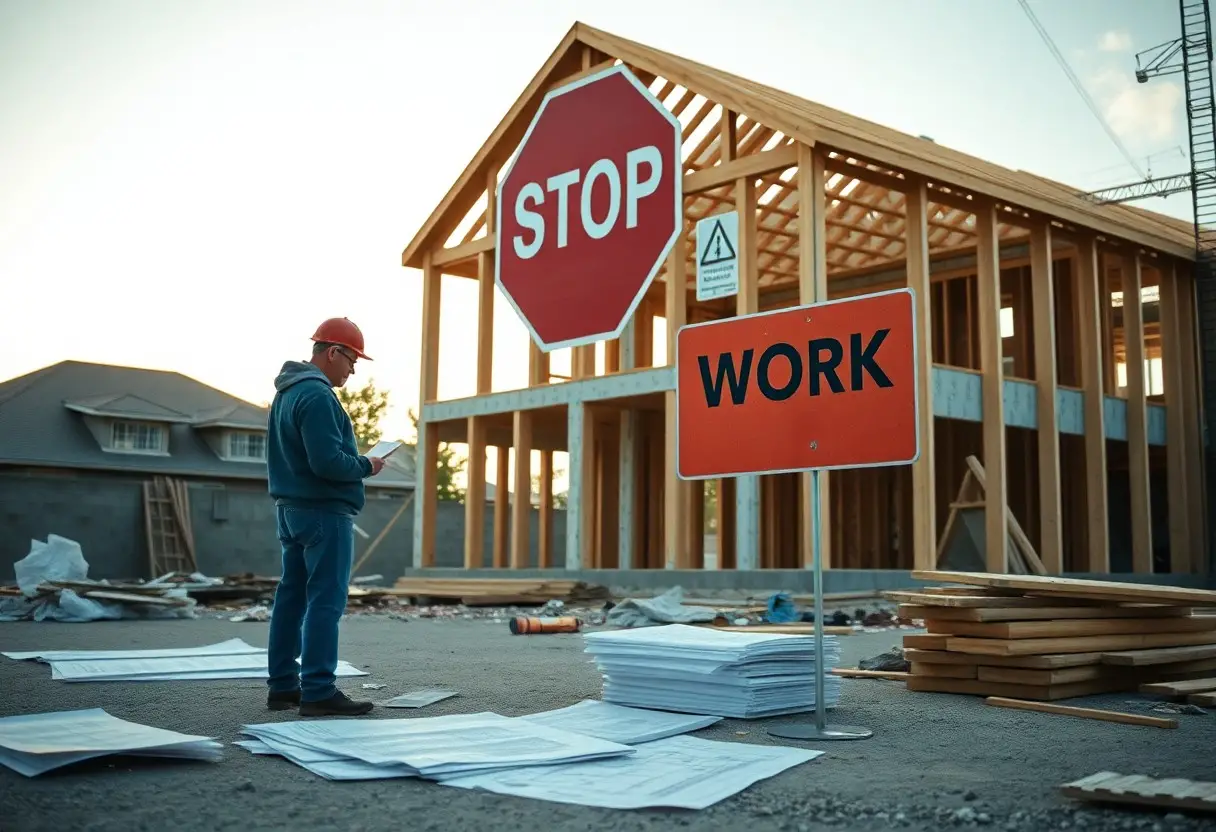
Neglecting Permits and Regulations: A Costly Oversight
Ignoring the need for permits and failing to comply with local regulations can turn your dream renovation into a financial nightmare. Building codes exist to ensure safety and structural integrity; overlooking them not only jeopardizes your project but can also impact the future resale value of your property. To keep everything above board and avoid unnecessary headaches, familiarize yourself with the important permits required before starting any renovation work.
Understanding Local Codes: The Rules You Can’t Ignore
Local building codes dictate specific standards for construction, affecting everything from electrical wiring to plumbing layout. Each municipality has unique requirements, so researching and understanding these codes before initiating your project is fundamental. Ignoring them can lead to unsafe structures and costly reparations down the line.
The Consequences of Skipping Permits: Fines and Delays
Neglecting to obtain necessary permits can result in hefty fines, project delays, and even mandated demolition of unapproved work. Municipalities have strict regulations that, if violated, can halt your renovation progress, leaving you with unfinished projects and increasing financial stress.
For instance, a homeowner in California faced $25,000 in fines for performing unauthorized electrical work, resulting in a complete halt to the renovation. Authorities not only insisted on fines but required all completed work to be inspected, leading to additional fees and extended timelines. Such scenarios highlight the importance of securing permits upfront; the initial investment in paperwork is minor compared to the potential costs and setbacks of avoiding regulations. Protect your budget and timeline by understanding what permits you need and sticking to the rules. Doing so ensures your renovation goes smoothly, and your investment remains secure.
Conclusion
On the whole, navigating renovation projects can be fraught with challenges, but understanding common disasters allows you to take proactive measures. By planning thoroughly, setting realistic budgets, and hiring qualified professionals, you can significantly reduce the risk of costly mistakes. Moreover, staying informed about potential pitfalls ensures that your renovation journey remains exciting and rewarding, ultimately leading to the home of your dreams. With careful consideration and preparation, you can transform your living space without the stress of avoidable disasters.
To wrap up
With these considerations in mind, you can steer clear of common renovation disasters that may derail your plans and budget. Thorough planning, effective communication with contractors, and setting realistic timelines are key to ensuring a smooth process. By anticipating potential issues and having contingency plans in place, you can protect your investment and achieve the results you desire. Approach your renovation with diligence, and you’ll create a space that truly reflects your vision without the headaches.