
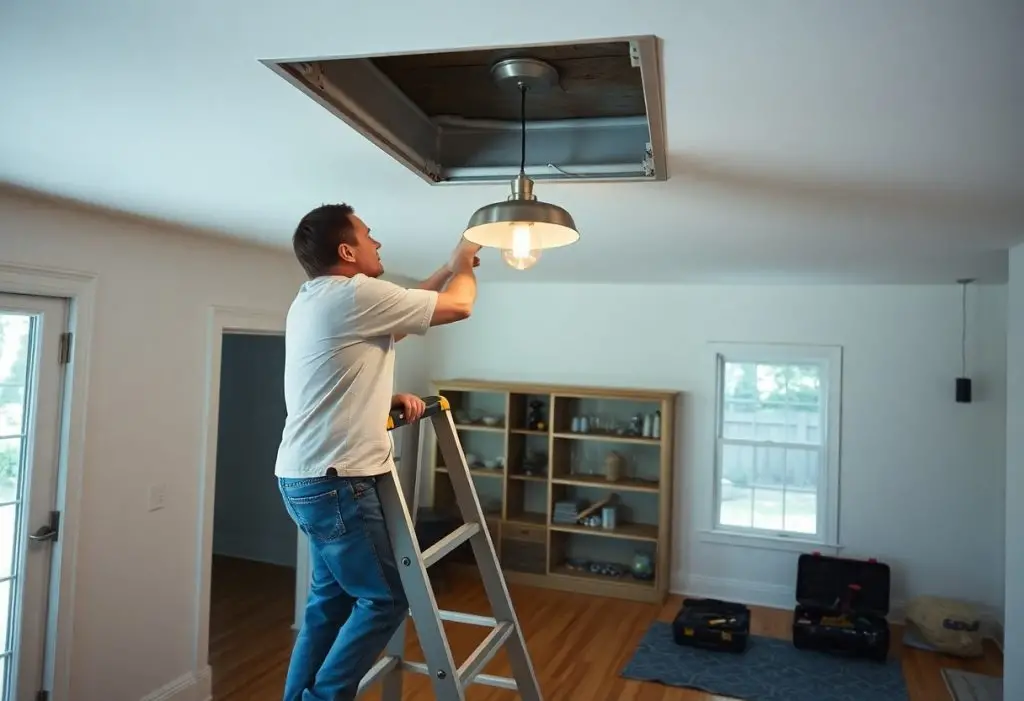
It’s wise to pick projects you can do yourself-paint, update fixtures, fix leaks-to boost curb appeal and function; you gain high ROI with minimal cost, but watch for electrical and water hazards that require pros.
Key Takeaways:
- Kitchen mini-makeovers like painting cabinets, swapping hardware, and updating countertops deliver high perceived value for relatively low cost.
- Bathroom refreshes such as regrouting, replacing fixtures, and installing a modern vanity increase resale appeal and ROI.
- Curb appeal improvements like a fresh front-door paint, tidy walkways, and simple outdoor lighting create a strong first impression.
- New paint in neutral tones and affordable flooring options such as luxury vinyl plank modernize rooms and make spaces feel larger.
- Energy-saving upgrades including LED lighting, low-flow fixtures, and a programmable thermostat lower utility bills and attract buyers.
Fresh Coat Interior Paint
You can transform rooms with a fresh interior paint job that refreshes surfaces, hides wear, and gives an instant resale and aesthetic boost; check for lead paint hazards in older homes before you begin.
Select neutral tones
You should choose neutral hues like warm greys, soft beiges, or off-whites that make spaces feel larger and appeal to buyers; neutral palettes create a versatile backdrop for lighting and furnishings you already own.
Paint accent walls
You can paint an accent wall to add color and dimension quickly; choose a bold but harmonious shade and limit accents to one wall to avoid overwhelming small rooms.
You can create a focal point by painting one wall in a living room, bedroom, or entry to draw the eye and define a space. You should test swatches on different walls and times of day, sand and prime glossy or dark surfaces, and ventilate well to reduce fume exposure. A well-chosen accent can deliver an immediate style boost without large expense.
Upgrade Kitchen Cabinet Hardware
You transform tired cabinets with new hardware for an instant, budget-friendly boost. Swapping knobs and pulls creates a modern, cohesive look and raises perceived value. You match finishes to fixtures, check screw lengths, and avoid drilling when possible to keep costs low.
Replace old knobs
You replace worn knobs with affordable options to refresh style quickly. Select sizes that fit existing holes to prevent extra drilling. Tighten loose screws and pick finishes that hide fingerprints while complementing appliances for a polished result.
Install modern pulls
You install modern pulls to improve ergonomics and aesthetics in one step. Use a drill template for consistent placement and verify screw length; overlong screws can split doors or protrude. You test for clearance with adjacent doors and drawers to avoid binding.
You measure carefully and use a center-to-center template for uniform spacing; inconsistent holes look unprofessional. Choose pull length proportional to drawer size and pick a finish that matches cabinet tone. Correct screw length and alignment prevent damage and maximize resale appeal.
Enhance Curb Appeal Landscaping
You can boost curb appeal and add instant value by tidying beds, trimming hedges, and repairing walkways. Focus on clean edges and consistent color to make your home stand out to buyers. Small projects often deliver a high return for minimal cost.
Plant colorful flowers
You should plant seasonal blooms in containers and borders to create eye-catching color. Select native, drought-tolerant varieties to reduce watering and maintenance, and group by bloom time for continuous interest that draws attention to your property.
Mulch garden beds
You should add fresh mulch to beds to suppress weeds, conserve moisture, and define planting areas. Apply 2-3 inches evenly, avoid piling around stems, and refresh annually to keep beds tidy and healthy.
You can choose organic mulches like shredded bark or compost to improve soil and retain moisture; apply 2-3 inches but keep mulch a few inches away from trunks to prevent rot. Inorganic options last longer; cocoa mulch can be toxic to dogs, so opt for pet-safe materials to protect animals while enhancing curb appeal.
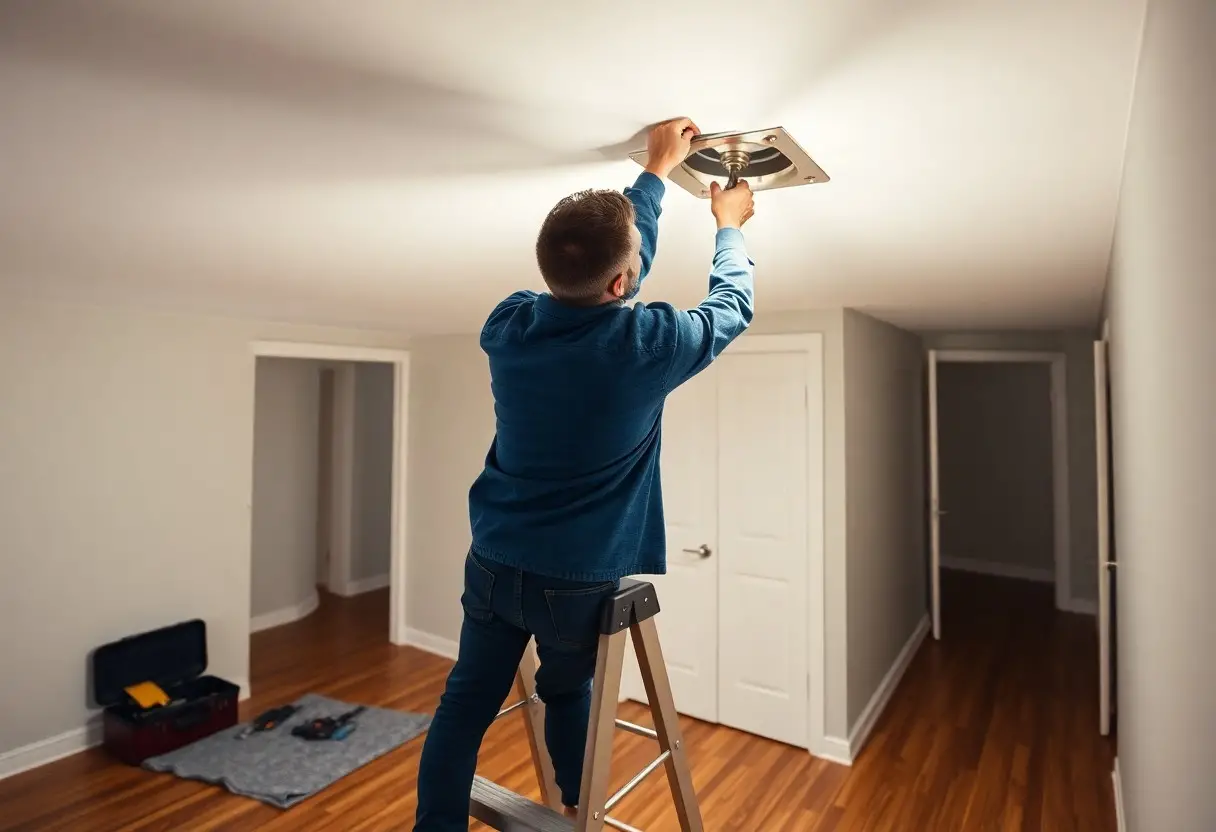
Install New Light Fixtures
You can modernize rooms and boost resale appeal by replacing outdated fixtures. New fixtures improve brightness, style, and energy efficiency, which boosts resale value. For any wiring changes, turn off power and hire a licensed electrician to avoid shock or fire risk.
Swap old chandeliers
You can swap heavy, dated chandeliers for lighter, modern designs to freshen formal spaces. Choose scale and finish that match room size and ceiling height. Ensure secure mounting and professional installation for heavy fixtures to prevent falling hazards.
Add LED sconces
You can add LED sconces to boost ambient light and highlight architectural features. LEDs offer energy savings and low heat output, extending bulb life. Verify wiring and switch placement before installation to avoid surprises.
You should place sconces 60 to 72 inches above the floor or 6 to 8 inches from mirrors for optimal glow. Pick 3000K to 3500K color temperature for warm, inviting light and choose dimmable LEDs to control ambiance. If new wiring is needed, turn off power and hire a licensed electrician to prevent shock or fire.

Deep Clean Every Room
You can transform buyer perception by deep cleaning every room, removing dust, fingerprints, and odors. Focus on high-touch areas and reduce allergens to make spaces feel newer and more inviting.
Steam clean carpets
You should steam clean carpets to lift dirt, stains, and allergens; hot water extraction kills dust mites and refreshes pile. Test a hidden spot for colorfastness and allow full drying to prevent mold.
Scrub tile grout
You can scrub tile grout with a stiff brush and cleaner to remove grime and mildew; clean grout brightens floors and prevents deterioration. Wear gloves and ventilate the area.
You should try oxygen bleach or a baking soda paste for stubborn grout stains; avoid mixing bleach with acidic cleaners because fumes are dangerous. Wear gloves and ventilate well, and seal grout after it dries to lock out moisture and mildew.
Update Bathroom Vanity Mirror
You can update the bathroom vanity mirror to modernize the space without major expense. Swap frame styles, switch to anti-fog or edge-lit mirrors, or mount multiple mirrors for depth. Pick finishes that match hardware to give a noticeable style boost and help prevent moisture damage.
Add decorative frames
You can frame a plain mirror with DIY moulding, metal trim, or reclaimed wood for instant character. Choose a finish that coordinates with faucets and lighting. A properly sealed frame resists steam; use caulk around edges to avoid moisture infiltration and preserve wood.
Replace plain glass
You can swap plain glass for beveled, frosted, or seeded options to add texture and privacy. Pick tempered or laminated glass for safety and consider anti-fog coatings. A new mirror surface gives a fresh, high-end look with minimal cost.
You should measure precisely and decide between DIY and pro installation; cutting mirror glass creates sharp-edge hazards and requires protection. Choose tempered or laminated glass for impact resistance, wear gloves and eye protection, and dispose shards safely. Apply silicone sealant to prevent moisture infiltration and reduce future damage.
Improve Entryway Door Appearance
You can boost curb appeal instantly by refreshing your entry door; a fresh coat of paint, new hardware, and tightened hinges make a strong first impression. High-impact, low-cost updates attract buyers and improve everyday enjoyment.
Paint front door
You should sand, prime, and apply two coats of exterior paint in a color that complements your home; remove hardware first for clean edges. Use exterior-grade paint and test for lead paint on doors built before 1978 to avoid health risks.
Polish metal hardware
You can restore shine to knobs, locks, and hinges with metal polish or a homemade mix of vinegar and baking soda; bright hardware signals care. Polish regularly for lasting appeal, and wear gloves when using chemical polishes.
You should identify metal type before cleaning: solid brass, stainless, or plated. Use brass polish for unlacquered brass, mild soap for stainless, and avoid abrasive pads on plated finishes to prevent permanent damage. Test cleaners in an inconspicuous spot and dry parts thoroughly to stop rust.
Add Smart Home Thermostat
You can cut heating and cooling costs by installing a smart thermostat that learns your schedule, adjusts remotely, and reports energy use. Expect immediate savings and improved comfort; incorrect wiring can be dangerous, so hire a pro if unsure.
Program temperature settings
You should set distinct temperatures for occupied and unoccupied times to reduce waste. Use the schedule to lower heating or cooling when you’re away and raise it before you return. Smart settings can deliver measurable savings and prevent HVAC strain.
Quick Settings Overview
| Action | Benefit |
|---|---|
| Set weekday/weekend schedules | You cut runtime during empty hours |
| Enable geofencing | Your system adjusts automatically when you leave or return |
| Use remote sensors | You balance temperature across rooms for comfort and savings |
Increase energy efficiency
You can increase energy efficiency by linking your thermostat to window sensors, smart vents, and occupancy detection. Proper calibration cuts runtime and lowers bills; faulty wiring or incompatible systems can pose electrical hazards, so verify compatibility before installation.
To maximize efficiency, you should program temperature setbacks, use remote sensors to avoid hot or cold spots, and pair the thermostat with a smart power schedule. Regular HVAC maintenance and clean filters boost results. Watch for compatibility issues; improper wiring or misconfigured relays can cause system failure or fire risk. Expect consistent energy savings when systems match.
Refinish Existing Hardwood Floors
You can refinish hardwood to restore shine and repair wear without full replacement. Project boosts resale value and cuts cost. Expect dust and fumes; wear a mask and ventilate. Proper sanding and finish deliver a durable, attractive floor.
Sand surface scratches
You should sand shallow scratches with fine-grit paper and a block or orbital sander. Start light to avoid gouging; avoid over-sanding. Control dust with a vacuum and wear an N95 mask. Blend edges and wipe clean before finishing.
Apply new stain
You can change tone with stain; test on scrap to confirm color. Apply thin coats with a rag or brush, wiping excess. Good ventilation limits fumes and wear gloves. Allow proper drying before sealing for long-lasting results.
You must prep by cleaning and sanding to an even profile so stain absorbs uniformly. Test stain in an inconspicuous spot to confirm tone and application technique. Use oil-based for deeper penetration or water-based for quicker drying; note water-based raises grain. Ventilate well and wear gloves-rags soaked in oil-based stain or polyurethane can cause spontaneous combustion; dry rags flat outdoors or store in a metal can. Allow recommended drying times between coats and finish with a clear protective topcoat for durability.
Install Kitchen Tile Backsplash
You can install a tile backsplash to protect walls and add resale appeal; DIY tile offers instant visual impact. Watch for water damage and uneven grout and always seal grout to prevent staining. Choose durable tiles for long-term value.
Use peel-and-stick tiles
You can use peel-and-stick tiles for a fast, low-cost update that requires no mortar; they provide major cost savings and simple removal. Keep them away from direct stove heat to avoid melting edges, and ensure the surface is thoroughly clean and dry before application.
Apply subway patterns
You can lay subway tiles in a staggered brick pattern to create a timeless, clean look that buyers recognize; this style offers wide appeal. Keep tile spacing consistent to avoid noticeable misalignment and use a contrasting grout only if you like a bold effect.
You should pick tile size and grout color to match cabinet scale; smaller tiles suit small kitchens while larger tiles fit open plans. Use spacers and a level to keep rows straight; take care when cutting near outlets to avoid electrical hazards. Seal grout to reduce staining and maintain the clean, classic look.
Final Words
Taking this into account, you can boost home value on a budget by prioritizing updates like fresh paint, lighting, minor kitchen and bath fixes, curb appeal, and smart storage; these projects deliver visible returns and make your property more attractive to buyers without large expense.
FAQ
Q: Which of the 10 budget-friendly projects add the most instant value and curb appeal?
A: Small, highly visible updates usually deliver the strongest immediate return: paint the front door and trim, update exterior lighting and house numbers, tidy the yard with mulch and a few low-maintenance plants, replace worn cabinet hardware, and pressure-wash siding, walkways, and patios. Typical cost ranges: front-door paint or new door hardware $50-$300, exterior lighting and numbers $75-$400, basic yard cleanup and planting $50-$500, cabinet hardware $20-$200, pressure washing $0-$300 depending on DIY or pro. Tips for impact: pick a bold but complementary front-door color, choose LED fixtures for better light and energy savings, use neutral, fresh paint inside high-traffic rooms, and repair small defects such as cracked grout, loose trim, or peeling caulk before marketing the home. Focus on the areas buyers see first – curb appeal and the kitchen and main bath – to maximize perceived value quickly.
Q: How should I prioritize and budget for these projects to get the most value?
A: Start by listing visible problems, then rank fixes by cost versus impact and tackle high-impact, low-cost items first. A simple sequencing: 1) curb appeal (front door, yard tidy, exterior clean), 2) cosmetic interior updates (paint, cabinet hardware, lighting), 3) quick kitchen and bath refreshes (new faucet, regrout, inexpensive backsplash), 4) flooring fixes or area rugs for worn spots. Sample budget for a modest refresh: $200-$600 for curb and exterior cleaning, $300-$1,000 for interior paint and trim, $150-$700 for kitchen hardware and minor fixture upgrades, $100-$500 for bathroom touch-ups and new fixtures. Track expenses, get two to three quotes for any paid work, and set aside 10-15% contingency for unexpected repairs. Small projects completed first can improve home showability while you plan slightly larger updates.
Q: Which home improvements on the list are safe DIY projects, and when should I hire professionals?
A: Safe DIY projects for most homeowners include painting walls and trim, replacing cabinet knobs and faucets, installing new light fixtures if wiring is simple and power is off, pressure washing, basic yard work and planting, re-caulking tubs and sinks, and laying peel-and-stick backsplash or vinyl plank flooring. Hire a licensed pro for electrical rewiring, major plumbing work (moving drains or gas lines), roof repairs, structural changes, HVAC work, and any job that requires a permit or inspection. Practical tips: read product instructions and watch reputable tutorials before starting, rent specialty tools for one-off tasks, get written estimates for contractor work, and call the local building department to confirm permit requirements before beginning projects that affect safety systems or structure.