
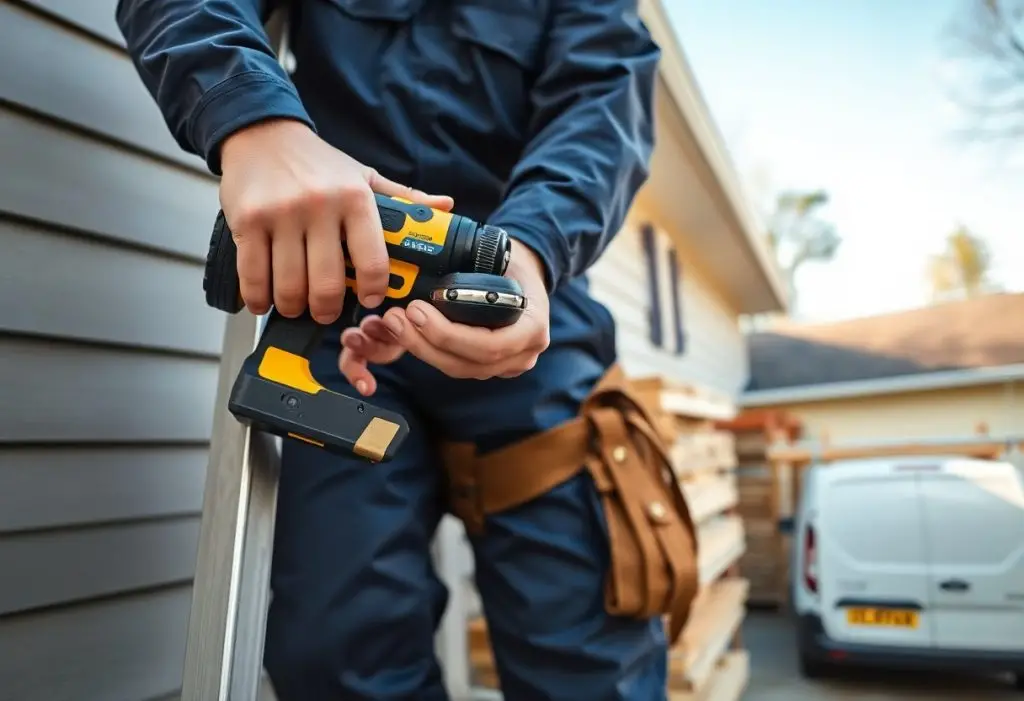
With quality materials, proper permits, and timely inspections, you ensure home improvements deliver lasting value, safety, and increased functionality.
Strategic Planning for Longevity
You prioritize planning that extends component life, aligns repairs with projected wear, and schedules inspections to prevent recurring problems and control long-term costs.
Assessing Structural Integrity and Needs
Inspect load-bearing elements, foundations, and roofing to identify decay, moisture intrusion, or settlement so you can prioritize stabilizing work before cosmetic upgrades.
Establishing a Performance-Based Budget
Allocate funds according to expected lifespan, maintenance demands, and performance targets rather than upfront price alone to ensure long-term value.
Compare material warranties, energy savings, and projected maintenance costs; assign dollar values to performance metrics and model scenarios over the anticipated service life so you can choose options that minimize lifecycle cost and reduce unplanned replacements.
Selecting Durable Materials
Materials you choose determine long-term performance; prioritize dense, wear-resistant options like hardwood, porcelain tile, and metal fixtures to reduce maintenance and avoid frequent replacements.
Prioritizing High-Grade Components
You inspect warranties, performance ratings, and proven brands; choose components with extended service lives so installations repay costs through reduced failures and simpler repairs.
Weather-Resistant and Sustainable Sourcing
Opt for weather-rated finishes, moisture barriers, and responsibly sourced materials so your work resists decay while minimizing environmental impact.
Consider lifecycle costs, local climate data, and certifications like FSC or ENERGY STAR; choosing low-VOC products and reclaimed materials often cuts emissions and maintenance over decades.
Vetting Professional Expertise
You should screen contractors by checking credentials, portfolios, and client feedback to ensure consistent workmanship and minimize surprises during your project.
Verifying Licenses and Past Performance
Check state licenses, liability insurance, and bonding, and review past projects and references so you confirm legal compliance and track record.
Managing Contractor Agreements and Timelines
Draft detailed scopes, milestone dates, payment schedules, and change-order procedures so you set expectations and limit disputes.
Include a precise scope of work, firm milestone dates, retention clauses, and a dispute-resolution path; require written change orders that list cost and time impacts, and tie final payment to satisfactory inspection so you maintain leverage to enforce deadlines and quality.

Essential Infrastructure Upgrades
Upgrade wiring, piping, and structural elements to reduce failure risk and long-term costs; you protect value and ensure dependable home performance.
Optimizing Electrical and Plumbing Systems
Check your circuit panels, outlets, and pipe joints regularly; hire licensed professionals to replace worn components and prevent leaks, shorts, and safety hazards.
Enhancing Thermal Efficiency and Insulation
Improve insulation, seal gaps, and upgrade windows so you stabilize indoor temperatures, cut energy bills, and reduce HVAC wear.
Consider an energy audit and blower-door test to pinpoint leaks, then prioritize attic and rim-joist insulation upgrades with appropriate R-values for your climate. Focus on continuous insulation to limit thermal bridging and seal penetrations around ducts and plumbing. Select insulation types-fiberglass batts for cavities, dense-pack cellulose for walls, or spray foam for tight seals-based on cost and performance. You should schedule window and door replacements where payback and comfort gains justify the expense.
Precision in Execution
You insist on precise measurements, correct materials, and clear sequencing so trades coordinate efficiently, reducing rework and extending the life of finishes and systems.
Adhering to Modern Building Codes
Compliance keeps you aligned with permits, safety, and inspection standards, minimizing delays and legal exposure while preserving project integrity.
Quality Control and Site Supervision
Supervision by experienced foremen lets you verify workmanship meets specifications, maintain schedules, and address defects before they escalate.
Regularly perform inspections, track punch lists, verify material certifications, and enforce corrective actions so you document quality, meet warranty requirements, and simplify future maintenance.
Post-Improvement Maintenance
You should schedule simple upkeep tasks after projects finish, like cleaning, tightening fixtures, and checking seals, so small issues don’t become costly repairs; a brief monthly checklist keeps systems performing and protects your investment.
Establishing a Routine Inspection Schedule
Set monthly and seasonal inspections to catch wear, water intrusion, and mechanical issues early; note findings, prioritize repairs, and adjust intervals based on system age and performance.
Proactive Care to Preserve Asset Value
Maintain consistent cleaning, paint touch-ups, and HVAC servicing to prevent decay and sustain resale appeal; documenting upgrades and receipts helps when you sell or refinance.
Inspect key systems quarterly and exterior surfaces each season; prioritize the roof, gutters, drainage, and moisture barriers, and schedule professional servicing for HVAC and plumbing. Keep records of work, warranties, and permits so you can demonstrate maintenance history to buyers or insurers. Small timely investments often avoid large repairs and preserve long-term property value.
Conclusion
To wrap up you must choose quality materials and experienced contractors, inspect work often, and schedule preventive maintenance to ensure lasting results in your home improvements.