
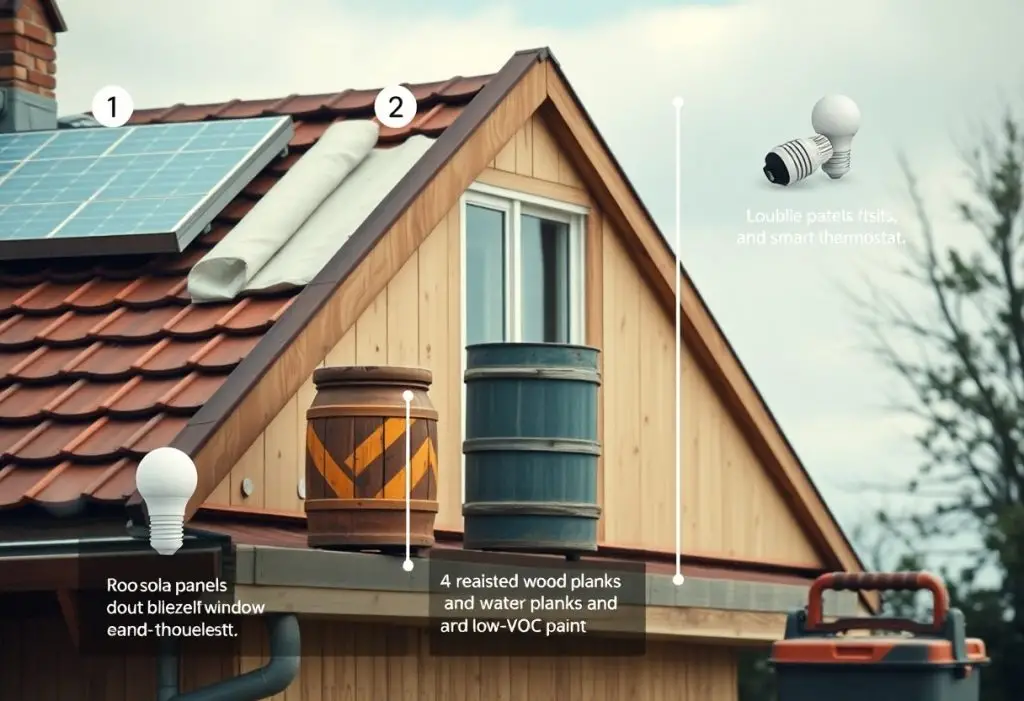
Most projects succeed when you follow six proven steps: set clear goals, choose durable materials, minimize waste, and manage safety hazards while ensuring proper planning and energy savings for a truly sustainable home improvement.
Key Takeaways:
- Start with a clear plan and measurable sustainability goals covering energy, water, materials, and waste.
- Conduct an energy and water audit to target high-impact upgrades like insulation, efficient HVAC, LED lighting, and low-flow fixtures.
- Choose durable, low-impact materials and finishes: reclaimed wood, recycled metal, low-VOC paints, and certified products (FSC, ENERGY STAR).
- Hire licensed contractors with green-building experience and include performance-based specifications plus post-installation testing.
- Reduce waste and track lifecycle savings by sorting materials for reuse, recycling to diversion targets, and scheduling regular maintenance to preserve efficiency.
Step 1: Comprehensive Assessment and Strategic Planning
Begin by mapping your home’s weaknesses, goals, and timelines so you can prioritize projects that reduce risk and cost; target air leaks, moisture issues, and inefficient systems to secure long-term energy savings and durability.
Conducting a Professional Home Energy Audit
Schedule a licensed auditor to measure performance, inspect insulation, and test HVAC and ductwork so you can identify hidden air leaks, inefficient equipment, and simple fixes that deliver rapid bill reductions.
Establishing Sustainability Benchmarks and Budgeting
Define clear, measurable targets and a phased budget so you can track progress against energy and water use goals, set acceptable cost caps, and qualify for incentives or financing.
Allocate budget percentages to diagnostics, upgrades, and contingencies; you should use metrics like kWh per square foot, gallons per occupant, and payback timelines, track monthly performance, and adjust scope to prevent cost overruns while capturing available incentives and ROI.
Step 2: Sourcing Eco-Conscious and Circular Materials
Choose materials that support circularity: you should prioritize reclaimed, recycled, or sustainably harvested options, low-embodied-carbon products, and suppliers with take-back programs. Ask for Environmental Product Declarations and supply-chain transparency to reduce waste and long-term impacts.
Prioritizing Reclaimed and Sustainably Harvested Resources
Seek reclaimed timber, brick, and fixtures first; you cut demand for new extraction and lower embodied energy. Favor FSC-certified or chain-of-custody labeled wood and suppliers who document salvage provenance to avoid hidden contamination and ensure durability.
Evaluating Lifecycle Impacts and Environmental Certifications
Assess products by lifecycle metrics: you should review EPDs, carbon footprints, and toxicity reports. Prefer materials with clear end-of-life pathways and avoid items with persistent pollutants; hidden chemicals often outweigh short-term savings.
Compare third-party labels and full lifecycle data so you can quantify trade-offs between upfront cost and long-term harm. Look for EPDs, Cradle to Cradle, Declare, and FSC/PEFC certifications, plus documented end-of-life plans. Prioritize suppliers who disclose embodied carbon and product chemistry to avoid future regulatory risks and health liabilities.
Step 3: Optimizing the Building Envelope for Energy Efficiency
You should tighten the envelope-seal gaps, add targeted insulation, and upgrade windows to slash heating and cooling loads while improving comfort and indoor air quality; schedule blower‑door and combustion‑safety tests and prioritize air sealing around ducts and chimneys.
Advanced Insulation and Airtightness Strategies
Insulation upgrades and airtight sealing help you cut heat loss, reduce drafts, and lower bills; target rim joists, attic penetrations, and recessed lights, and hire pros for safe combustion appliance clearance.
- Schedule a blower‑door test and thermal scan to locate leaks.
- Seal gaps around windows, doors, ducts, and penetrations.
- Add insulation: cellulose, mineral wool, or closed‑cell foam where appropriate.
- Install balanced mechanical ventilation after sealing to protect indoor air quality.
Advanced Insulation at a Glance
| Measure | Impact |
| Blower‑door + thermal scan | Finds leaks and guides sealing |
| Air barrier & spray foam | Reduces infiltration, raises effective R‑value |
| Mechanical ventilation (HRV/ERV) | Preserves air quality after tightening |
Upgrading to High-Performance Glazing and Doors
Switching to low‑e double or triple glazing and insulated doors reduces heat transfer, blocks drafts, and cuts noise; opt for properly sealed frames and low U‑values to maximize savings.
Look for U‑value and SHGC ratings, thermally broken frames, and correct flashing details; professional installation prevents gaps and moisture intrusion, since poor seals cause condensation, mold, and energy loss.
Step 4: Integrating Advanced Water Conservation Systems
This step guides you to pair plumbing upgrades, smart irrigation, and on-site storage so you can secure substantial water savings and reduce bills while preventing backflow contamination.
- Audit leaks, meters, and baseline outdoor use.
- Upgrade fixtures and appliances to lower flow and energy ratings.
- Install smart irrigation controllers and soil sensors.
- Capture rainwater with tanks sized for landscape demand.
Components vs Benefits
| Component | Benefit |
|---|---|
| Low-flow fixtures | You lower indoor consumption and utility costs. |
| Smart controllers & sensors | You water only when needed, reducing outdoor waste. |
| Rainwater tanks & filters | You offset potable use and increase resilience. |
| Backflow prevention | You protect potable supply from contamination. |
Installing Low-Flow Fixtures and Energy-Efficient Appliances
Choose low-flow fixtures and ENERGY STAR appliances so you cut indoor use and lower utility costs; check flow rates, aerators, and rated efficiencies before purchasing.
Implementing Smart Irrigation and Rainwater Harvesting
Install smart controllers, soil-moisture sensors, and zone-specific drip lines so you water only when needed, achieving major outdoor reductions and clearer billing data.
Combine weather-based controllers, soil sensors, drip lines, and a sized rainwater tank to minimize runoff and target root zones. You should include filtration, first-flush diverters, and backflow prevention to avoid contamination and comply with local codes. Monitor system performance via an app and schedule seasonal maintenance so you sustain savings and simplify troubleshooting.
Step 5: Executing Responsible Waste Management
You prioritize waste planning, separating hazardous items, maximizing reuse and recycling, labeling bins, arranging pickups, and monitoring disposal to ensure reduced landfill, cost savings, and safe handling of hazardous materials.
Utilizing Deconstruction Techniques to Salvage Materials
Use controlled deconstruction to carefully dismantle components so you can salvage doors, fixtures, and lumber for resale or reuse, cutting new material demand and generating resale revenue.
Diverting Construction Debris Through On-Site Sorting
Sort materials on-site into separate bins, prevent cross-contamination, and divert wood, metal, and concrete to recycling; label hazardous streams and keep them isolated to protect workers and avoid fines.
Set up color-coded stations, train crews on sorting rules, perform daily audits, weigh loads and track diversion rates, and coordinate with local recyclers while isolating asbestos and other hazardous materials to protect workers and achieve higher diversion rates.
Step 6: Enhancing Indoor Environmental Quality
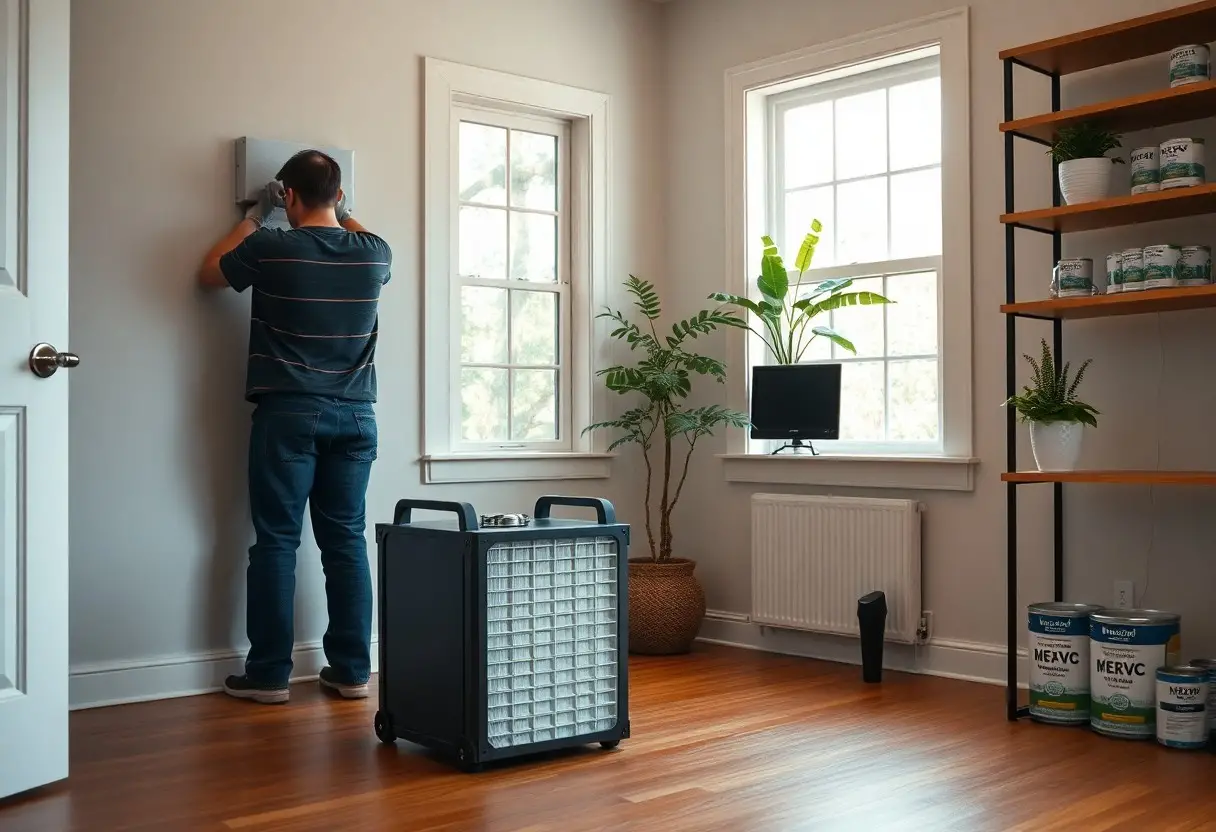
Air quality affects long-term health; you should reduce pollutants by selecting low-emission materials, controlling moisture, and ensuring adequate ventilation to limit harmful VOCs and mold growth.
Selecting Low-VOC and Non-Toxic Interior Finishes
Choose low-VOC paints, adhesives, and finishes so you cut indoor chemical load; look for third-party labels like GREENGUARD and avoid products listing formaldehyde or phthalates to minimize toxic emissions.
Optimizing Mechanical Ventilation and Natural Airflow
Improve airflow by pairing an HRV/ERV mechanical system with strategic window use so you exchange stale air while conserving energy; you should include proper filtration to lower particulates and allergens.
Combine demand-controlled ventilation, CO2 monitoring, and regular filter replacement so you maintain healthy air without wasting energy. You should size HRV/ERV units to occupancy, use MERV-13 or higher filters where compatible, and keep relative humidity between 30-50% to prevent mold. Professional balancing and commissioning ensure systems operate safely.
Conclusion
Summing up, you should follow six proven steps: plan carefully, choose energy-efficient materials, hire experienced contractors, minimize waste, monitor budgets, and maintain systems for lasting, cost-effective results.
FAQ
Q: What are the six proven steps for a sustainable home improvement project?
A: The six steps are: 1) Conduct a pre-project sustainability assessment to set measurable goals for energy, water, materials, and indoor air quality; 2) Develop a detailed budget and timeline that includes lifecycle and maintenance costs as well as contingency for unexpected issues; 3) Select durable, low-impact materials and high-efficiency systems (insulation, windows, HVAC, lighting, fixtures) based on third-party certifications and expected performance; 4) Hire contractors with experience in waste reduction, material salvage, and low-VOC installation practices and require clear contract terms for sustainability measures; 5) Implement energy- and water-saving installations, commission systems after installation to verify performance, and address defects promptly; 6) Establish an ongoing monitoring and maintenance plan with benchmarks and simple tools (smart meters, checklists) to preserve efficiency and extend component life.
Q: How do I choose sustainable materials and verify green product claims?
A: Evaluate materials by checking lifecycle information and third-party certifications such as ENERGY STAR for appliances, FSC for wood, and Cradle to Cradle or EPDs for broader product impacts. Prioritize low-VOC finishes, high-recycled-content or reclaimed materials, and components rated for long service life to reduce replacement frequency. Ask suppliers for documentation (Environmental Product Declarations, lab test reports, chain-of-custody certificates) and compare total cost of ownership including installation, energy use, and maintenance. Test small samples when possible and request warranties or performance guarantees to reduce risk.
Q: How can I control costs, access incentives, and ensure the project remains sustainable after completion?
A: Estimate up-front costs plus operating and maintenance expenses to make decisions based on payback and lifecycle savings, and research federal, state, and local rebates, utility incentives, and tax credits that apply to insulation, windows, HVAC, solar, and water-saving upgrades. Phase improvements so high-return measures are completed first and consider financing options tied to energy savings. Include clear waste-handling and commissioning requirements in contracts, set aside funds for follow-up tuning, and install simple monitoring tools (smart thermostats, energy monitors, water meters) to track performance and trigger maintenance when efficiency declines.