
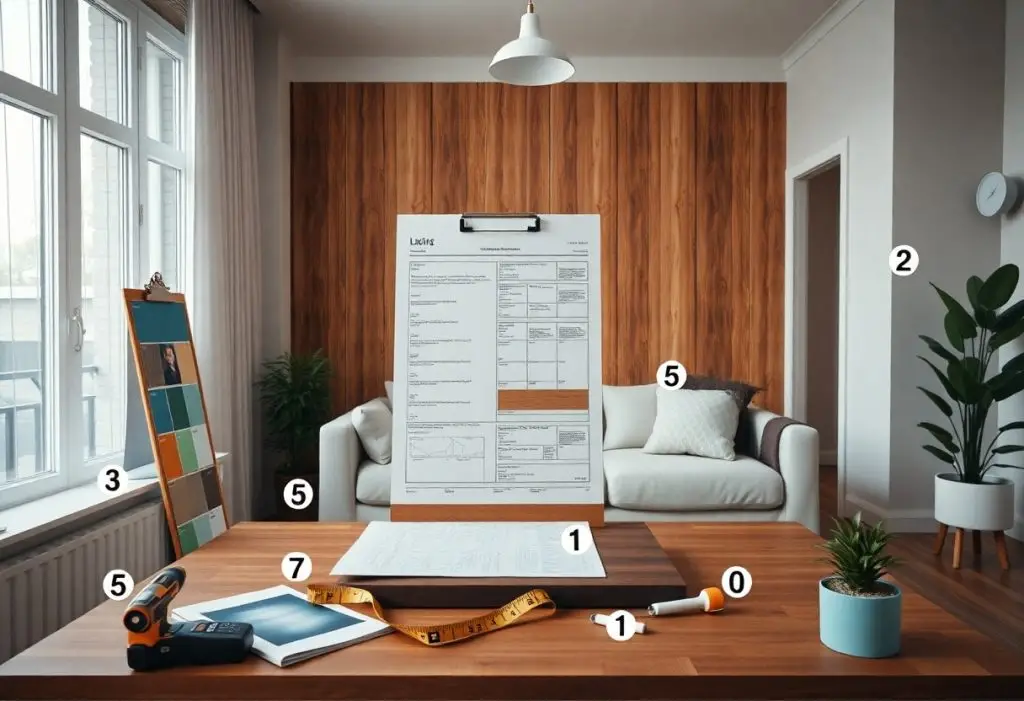
With clear priorities and a practical plan, you can modernize your home while avoiding costly mistakes, ensuring safety, and maximizing energy savings.

Key Takeaways:
- Create a detailed plan and realistic budget that lists priorities, materials, timelines, and contingency funds.
- Prioritize high-impact projects such as kitchens, bathrooms, and energy upgrades for the best return on investment.
- Hire licensed professionals for structural, electrical, and plumbing work and use contractors with verified references and clear contracts.
- Choose durable, low-maintenance materials and energy-efficient systems to reduce future repair costs and lower utility bills.
- Obtain necessary permits, set a realistic timeline with milestones, and schedule regular maintenance to protect value and avoid delays.
Define Vision and Budget
You outline your vision and align it with a realistic budget, noting potential budget overrun risks and expected savings. Clear scope keeps choices focused and prevents costly surprises later.
Establish project goals
You list specific goals like improved function, timeline, and desired finish. Assign priorities so scope and timeline align with your lifestyle; clear goals reduce change orders and unexpected costs.
Set financial limits
You create a firm budget ceiling and include a contingency fund of 10-20% to cover surprises. That protects you from cost overrun and preserves savings.
You set a firm hard cap, obtain at least three quotes, and create a line-item budget tracking materials, labor, permits, and unforeseen items. Add a contingency to absorb surprises and reduce change order risk. Monitor spending weekly to protect your savings and improve potential return on investment.
Prioritize Functional Upgrades
You should prioritize upgrades that improve daily use and resale value. Start with kitchens, bathrooms, insulation, and lighting. Select projects that lower energy bills and increase comfort. Choose durable, low-maintenance materials to get the best long-term return.
Focus high-use areas
You should upgrade rooms used most: kitchen, bath, and entry. Improve workflow, add storage, and replace worn fixtures. Small layout tweaks and bright lighting yield big daily benefits. Prioritize durability and easy cleaning for constant-use zones.
Repair structural elements
You must address foundation, roof, and load-bearing walls before cosmetic work. Fixing these issues prevents hazards and escalated costs. Hire qualified pros for inspections and permits. Unsafe structures require immediate action.
You should schedule a licensed structural inspection to detect rot, termite damage, settling, or compromised beams. Obtain written repair plans and multiple bids, confirm permit needs, and isolate hazards during work. Repairing structural defects protects occupants and preserves property value.
Enhance Energy Efficiency
You cut utility bills and boost comfort by tightening your home’s envelope and upgrading systems; simple steps stop drafts and reduce energy waste. Prioritize air sealing and efficient equipment to save money and shrink your home’s carbon footprint.
Install modern insulation
You choose spray foam, blown cellulose, or dense-pack fiberglass to fill gaps and reduce airflow. Correct installation prevents moisture buildup and mold, maintains steady temperatures, and lowers energy bills.
Upgrade windows and doors
You replace single-pane units with double- or triple-glazed windows and insulated doors to stop drafts and cut heat loss; high-performance frames and proper sealing reduce noise, improve comfort, and lower bills, while damaged frames can pose a security risk.
You check U-factor, solar heat gain coefficient, and low-E coatings when selecting windows; argon fills and quality frames cut conductive loss. Professional installation stops air leaks that cause moisture and higher bills. Improper DIY removal risks broken glass and injury; hire certified installers for warranty-backed performance.
Optimize Storage Solutions
You can transform cluttered rooms by optimizing storage: install built in shelving, use underbed boxes, and choose multifunctional furniture. Maximize space and keep heavy items low to prevent falls; lock hazardous cleaners away. These changes free floor space and improve daily flow.
Maximize vertical space
You should add tall shelving, wall hooks, and over door racks to use unused height. Store seasonal items up high and keep everyday importants within reach. Vertical options expand capacity without increasing footprint and simplify cleaning.
Declutter existing cabinets
You must empty cabinets, sort items by use, and discard expired goods. Donate or recycle surplus and return importants in clear bins for quick access. Cleaner cabinets reduce stress and speed meal prep.
You should categorize by frequency, label shelves, and fit pull out trays for easy reach. Inspect for leaks or mold and discard contaminated food immediately. Regular checks stop buildup, keep hazards away, and maintain efficient storage.
Select Quality Materials
You should pick materials that match your climate and usage, weighing upfront cost against lifespan. Low-cost materials often fail sooner, raising repair bills. Check warranties, test samples for wear and moisture resistance, and prefer suppliers with clear sourcing to ensure longer life and safer installation.
Choose durable flooring
You should match flooring to traffic and moisture: tile or luxury vinyl suits wet areas, engineered hardwood works for living areas. High-traffic rooms need scratch-resistant surfaces. Factor in underlayment, maintenance, and warranty to secure long-term value.
Research sustainable options
You should evaluate materials for low VOCs, recycled content, and energy impact. Seek third-party certifications and local sourcing. Sustainable choices can reduce health risks and long-term costs while improving resale appeal.
You should compare embodied carbon and lifecycle data, and seek certifications like FSC, Cradle to Cradle, and Energy Star to verify claims. Watch for greenwashing: vague labels or missing data often indicate hidden environmental or health harms. Prioritize durable recycled or rapidly renewable materials, consider maintenance demands, and check local incentives to offset upfront costs for long-term savings and healthier indoor air.
Refresh Interior Paint Colors
You can modernize rooms with a fresh coat of paint that boosts resale value, hides wear, and updates mood. Prep surfaces well to avoid peeling and costly repairs, and select low-VOC formulas for safer indoor air.
Pick neutral tones
You should choose neutral tones to create a flexible backdrop that lets furnishings stand out and increases perceived space. Test paint swatches in room lighting before committing to avoid unexpected yellowing, and match undertones to your fixtures for cohesive results.
Apply accent colors
You can apply accent colors on trim, an accent wall, or accessories to add personality; use the 60-30-10 rule and keep bold hues to small areas to avoid overwhelming space. Choose a single bold hue and repeat it to create cohesion; beware that too-dark shades may shrink rooms.
You should place accents in predictable spots-one focal wall, trim, or accessories-and keep the palette cohesive by repeating the hue across fabrics and hardware. Test multiple samples at different times, and select finishes that match use: eggshell for walls, semi-gloss for trim. Beware bolder colors showing imperfections.

Integrate Smart Home Technology
You should add smart devices to centralize control, increase comfort, and reduce bills. Pick compatible hubs, prioritize security updates, and schedule routines that match your lifestyle. Expect energy savings and easier maintenance when devices communicate.
Install automated thermostats
You can install automated thermostats to keep temperatures consistent while cutting heating and cooling costs. Set schedules, use geofencing, and consult pros for wiring. Enjoy lower bills and finer comfort control.
Setup security systems
You should pick cameras, door sensors, and alarms that work with mobile apps. Lock accounts with unique passwords and two-factor authentication to block intruders. Expect real-time alerts and a faster response to incidents.
Disable default credentials and consider local backups plus professional monitoring for 24/7 coverage; weak Wi‑Fi poses major vulnerabilities. Place cameras at entry points, keep firmware updated, and use guest networks to limit device access.
Improve Curb Appeal
You can boost your home’s first impression with tidy walkways, fresh mulch, and lighting. Good curb appeal increases resale value and invites buyers. Focus on simple upgrades that deliver impact without heavy cost.
Maintain landscaping
You should trim hedges, mow regularly, and pull weeds to keep edges crisp. Overgrown plants hide pests and trip hazards, so prune and clear debris. Mulch and targeted watering conserve resources and sustain healthy beds.
Paint entry door
You can refresh your entrance with a bold paint color and proper prep. Peeling or lead-based paint is dangerous, so test older doors and sand smooth before coating. Choose weatherproof paint and quality hardware for lasting impact.
You should remove hardware, fill holes, and sand to key the surface before priming. Use a high-quality primer and allow full cure between coats. Work in well-ventilated areas and wear a respirator if sanding old finishes to avoid inhaling dust.
Hire Skilled Professionals
You should hire experienced tradespeople to protect your investment and ensure code compliance. Check licenses, insurance, and references so you avoid delays and safety hazards. Unlicensed work can cause structural damage and void warranties, while certified pros help secure permits and reliable finishes.
Vet licensed contractors
You must verify licenses, insurance, and local permit history before hiring. Ask for proof, contact references, and check complaints with licensing boards. Uninsured contractors expose you to liability; licensed pros reduce legal and safety risks.
Review portfolio examples
You should examine past projects to judge craftsmanship, style, and attention to detail. Request photos, site visits, and client testimonials. Poor finishes indicate sloppy work; consistent quality signals reliable contractors.
You should compare comparable projects, inspect close-up photos for joints, finishes, and transitions, and ask about hidden work like structural changes or waterproofing. Visible water stains, uneven floors, or patched framing are red flags that signal dangerous shortcuts. Clear before-and-after sets, repeat clients, and projects matching your style show dependable quality. Ask for current references and visit a finished site to confirm workmanship in person.
Final Words
On the whole you can follow these 10 timeless steps to plan, budget, prioritize upgrades, hire skilled trades, update systems, and maintain quality so you achieve modern home improvement goals with confidence and lasting value.
FAQ
Q: How should I prioritize the 10 timeless steps when planning home improvements?
A: Start by listing functional goals, comfort upgrades, and projects that add resale value. Rank work by safety and system integrity first (roof, HVAC, electrical, plumbing), then move to cosmetic and efficiency upgrades. Assign realistic budgets and timelines, include a 10-20% contingency, and phase work to reduce household disruption. Consult a designer or licensed contractor early to confirm structural limits and permit needs. Use a simple decision matrix-cost versus impact versus urgency-to finalize the order of projects.
Q: How do I combine modern features with timeless quality across the 10 steps?
A: Choose durable materials with proven longevity, such as solid wood, natural stone, and high-quality hardware, then apply contemporary finishes and proportions for a current look. Prioritize energy-efficient windows, LED lighting, and discreet smart controls that enhance comfort without dominating the aesthetic. Keep base palettes and architectural details neutral so paint, textiles, and fixtures can reflect short-term trends. Design for adaptability by selecting modular cabinetry, accessible service points, and wiring plans that accommodate future technology updates.
Q: What common mistakes should I avoid when following the 10 timeless steps, and how can I protect my project?
A: Underestimating costs and timelines leads to the most frequent failures. Failing to obtain permits or skipping inspections creates legal and resale complications. Hiring contractors based only on the lowest bid increases the chance of poor workmanship; verify references, licensing, insurance, and secure a detailed written contract and payment schedule. Neglecting warranties and routine maintenance shortens the lifespan of upgrades; retain manuals, record serial numbers, and schedule service. Allocate contingency funds, stage projects logically, and document decisions to keep scope, budget, and long-term goals aligned.