
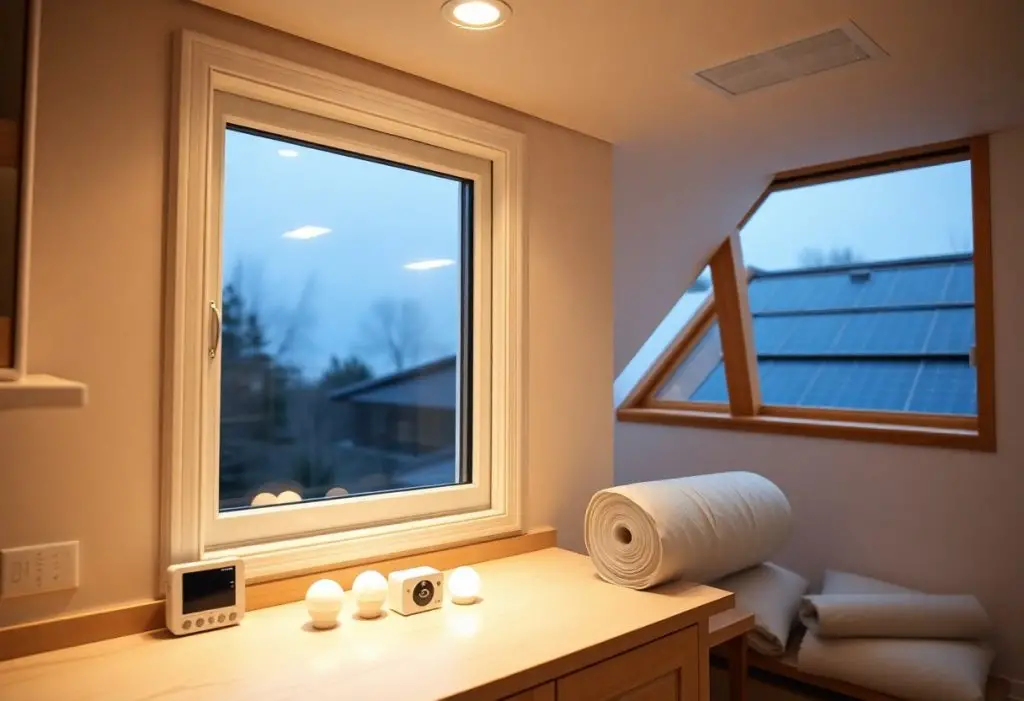
Many homeowners find that modest changes let you lower bills and improve comfort; sealing drafts and upgrading insulation reduces waste, while fixing faulty heaters prevents dangerous carbon monoxide leaks and cuts energy costs.
Key Takeaways:
- Install LED bulbs to cut lighting energy use and lower electricity bills.
- Add or program a smart thermostat to reduce heating and cooling waste by adjusting temperatures throughout the day.
- Seal gaps and add weatherstripping around doors and windows to prevent heat loss and drafts.
- Increase attic and wall insulation to maintain indoor temperatures and reduce HVAC runtime.
- Replace old appliances with ENERGY STAR models and use smart power strips to reduce standby power consumption.
Primary Factors Influencing Household Energy Loss
Air movement, poor insulation, and aging appliances are common culprits; you should inspect for drafts and thermal bridges.
- air leaks
- windows
- HVAC
This affects comfort, bills, and safety.
Evaluating Thermal Insulation Levels
Check attics, walls, and floors for compressed or missing insulation; you can use an IR camera or simple touch tests to locate cold spots and heat loss.
Identifying Inefficient Appliance Cycles
Monitor fridge, washer, dryer, and HVAC runtimes for long cycles or overheating; you should note units that run continuously and tag them for service or replacement with appliance cycles in mind.
You should log cycle durations, start-up draw, and temperature drift to spot standby power drains and overheating risks; devices that heat excessively or run nonstop can spike energy bills and shorten equipment life, so prioritize programmable controls, regular maintenance, or ENERGY STAR replacements.
How-To Execute Professional-Grade Air Sealing
Professional air sealing combines targeted inspection, methodical sealing, and blower-door testing so you can eliminate air leaks, curb energy waste, and reduce mold risk.
Applying Weatherstripping to Entry Points
Weatherstripping doors and windows lets you seal moving parts with foam, V-strip, or door sweeps to stop drafts and heat loss, improving comfort and lowering energy bills.
Utilizing Caulk for Structural Gaps
Caulking gaps around frames and penetrations helps you create a continuous air barrier; choose exterior-grade caulk for joints and silicone for wet areas to prevent water intrusion.
Inspect gaps at sill plates, rim joists, and where utilities penetrate; you should remove old sealant, clean surfaces, and use a backer rod for joints over 1/4 inch to ensure proper adhesion and durable seals. Prioritize areas near masonry and attic entries to avoid energy loss and moisture-driven mold.
Practical Tips for Optimizing HVAC Efficiency
Optimize your HVAC efficiency by sealing ducts, insulating, and programming sensible setpoints to reduce waste. Assume that small upgrades cut energy use, improve comfort, and lower bills while preserving indoor air quality.
- Seal duct leaks and add insulation to boost HVAC efficiency.
- Install a smart thermostat and set schedules for consistent savings.
- Maintain a filter replacement routine to protect airflow and indoor air quality.
- Schedule professional tune-ups to prevent system failures and reduce energy waste.
Programming Smart Thermostats for Peak Performance
Program your smart thermostat with schedules, geo-fencing, and auto-away to cut wasted heating and cooling. Set sensible setbacks and avoid extreme setpoints that drive higher energy use, and monitor runtime to refine savings.
Implementing Regular Filter Replacement Schedules
Replace HVAC filters every 1-3 months to protect airflow and efficiency; clogged filters force systems to work harder and risk system damage. Track dates and set reminders to keep indoor air quality high.
Schedule monthly visual checks and replace basic filters every 1-3 months; choose higher-MERV options if you have pets or allergies but confirm your system tolerates reduced airflow. Clogged or wet filters cut airflow, raise wear, and cause increased energy bills or coil freeze, which invite mold and health hazards. Track replacements with a calendar or app to sustain performance and longevity.
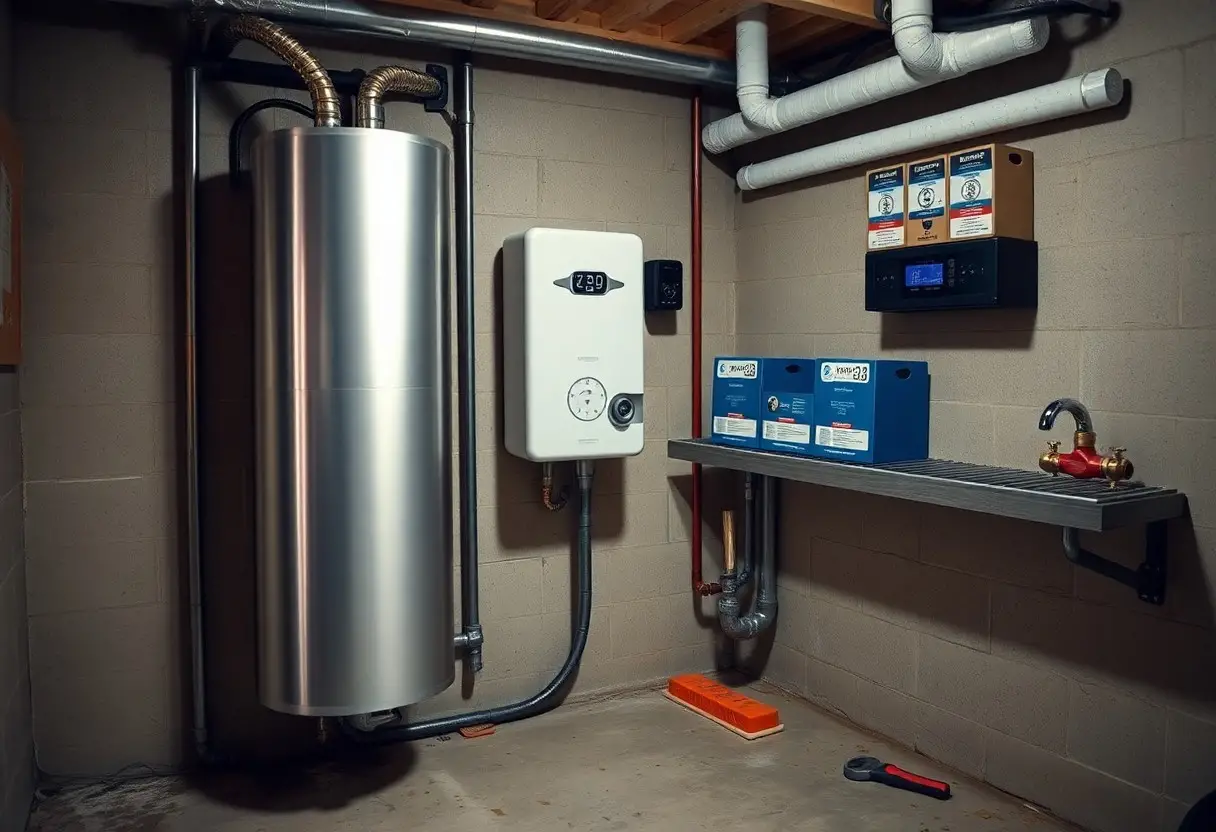
Key Factors in Reducing Water Heating Costs
Consider insulating tanks, reducing standby losses, and using efficient fixtures to cut water heating bills. Thou should aim for temperature settings and low-flow installs that match your household needs.
- Insulation
- Temperature settings
- Low-flow fixtures
Calibrating Water Heater Temperature Settings
Set your water heater to about 120°F to reduce energy use and scald risk; use a thermometer to verify and adjust for dishwashers or older household members.
Temperature Settings Guide
| Setting | Outcome |
|---|---|
| 120°F | Energy savings, safe for most uses |
| 140°F | Higher energy use and scald risk |
Integrating Low-Flow Plumbing Fixtures
Install low-flow showerheads and faucet aerators to cut hot water demand and lower energy bills while maintaining adequate pressure.
Compare models by flow rate (gpm) and certifications like WaterSense; choose ones that preserve pressure while delivering substantial energy and water savings, and consider professional installation to avoid leaks or performance issues.
Tips for Improving Window Thermal Resistance
Practical window fixes reduce heat transfer and cut bills; you should seal gaps, add storm panels, and upgrade glazing to improve thermal resistance. Assume that you prioritize double glazing, tight weatherstripping, and insulated frames to gain measurable savings.
- thermal resistance
- double glazing
- weatherstripping
- insulated frames
- low-E coatings
Selecting High-Performance Window Treatments
Choose heavy-lined insulating curtains or cellular shades to cut heat loss and block drafts; you’ll see lower heating bills and improved comfort.
Applying Reflective Heat-Control Films
Apply reflective film to west- or south-facing panes to cut solar gain, reduce glare, and add UV protection without replacing windows.
Consider metalized or ceramic reflective films for different goals: metalized offers stronger heat reduction, ceramic keeps clarity with less tint. You should weigh DIY versus professional installation, test visibility and warranty impacts, and avoid heavy films on single-pane glass to prevent thermal stress and possible cracking.
Summing up
So you can cut energy bills and boost comfort by sealing drafts, upgrading insulation, installing LED lighting, and using smart thermostats; these straightforward home upgrades deliver measurable efficiency gains with low upfront cost.
FAQ
Q: Which simple insulation and air-sealing upgrades save the most energy?
A: Attic insulation typically delivers the largest reduction in heat loss and gain; adding or topping up insulation to reach recommended R-values for your climate can cut heating and cooling use. Air sealing gaps around windows, doors, attic hatches, recessed lights, plumbing and electrical penetrations reduces drafts and prevents conditioned air from escaping. Insulating accessible crawlspaces, basement rim joists and exposed ducts on unconditioned sides of the house improves overall performance. A blower-door test or infrared inspection helps identify the worst leaks so you can prioritize low-cost caulking, weatherstripping and foam sealing.
Q: How can I lower heating and cooling bills without replacing my HVAC system?
A: Programmable or smart thermostats reduce runtime by matching temperature schedules to occupancy and can lower heating and cooling by several percent. Seal and insulate ductwork in attics, basements and crawlspaces to prevent conditioned air loss before it reaches living spaces. Use ceiling fans and strategic ventilation to raise cooling comfort so thermostats can be set a few degrees higher in summer. Add window treatments, exterior shades or reflective films to block solar heat in summer and use heavy curtains in winter to reduce heat loss. Keep HVAC filters clean and schedule annual tune-ups to maintain efficiency and consistent airflow.
Q: What low-cost lighting and appliance changes increase home energy efficiency?
A: Replace incandescent and compact fluorescent bulbs with LED bulbs for immediate lamp-level savings and longer life. Install dimmers, timers or occupancy sensors in frequently used rooms and switch to LED-compatible fixtures to cut wasted lighting. Use smart power strips or unplug chargers and electronics when not in use to eliminate phantom loads. Run dishwashers and washing machines with full loads and choose cold-water wash settings when possible; air-dry clothes occasionally to reduce dryer use. Maintain refrigerator and freezer door gaskets, set temperatures to recommended levels, and consider ENERGY STAR-rated appliances when replacements are needed for higher long-term savings.