

You have the potential to enhance your skills in building, repairing, and improving your environment. This guide will equip you with important techniques, practical tips, and the knowledge needed to tackle projects with confidence. Whether you’re a novice or looking to refine your expertise, you’ll find actionable insights that empower you to take on any challenge, ensuring your tasks are completed efficiently and effectively.
Crafting a Confident Foundation for Projects
Establishing a solid groundwork is vital for any successful project. This involves not only having a clear plan but also the mindset to tackle challenges and adapt as needed. A strong foundation fosters growth and creativity, allowing you to approach your tasks with assurance and resilience. Aim to build a framework that supports your objectives and empowers you to navigate the complexities of your project with ease.
Defining Your Vision and Goals
Your vision outlines the ultimate outcome you desire, while well-defined goals serve as stepping stones to achieve that vision. Take time to articulate what success looks like for you, whether it’s completing a renovation, creating a new piece of furniture, or launching a DIY project. This clarity will guide your decisions and keep you motivated throughout the process.
Assessing Resources and Limitations
Understanding your available resources and any limitations will shape how you approach your project. Evaluate the tools, materials, time, and skills you possess, as well as any constraints that may present challenges. This assessment allows you to create a realistic plan and identify areas where you might need additional support or alternative solutions.
A detailed resource assessment involves inventorying your tools and materials, considering your budget, and estimating the time you can realistically allocate to the project. For example, if you’re renovating a room and only have weekends available, you might need to simplify your plans or extend your timeline. Additionally, identifying your skill level helps to determine if you should seek out instructional resources or professional assistance for areas that exceed your comfort zone, ultimately preventing frustration and enhancing your chances of success.

Essential Tools for Building and Repairing
Equipping yourself with the right tools streamlines your building and repair projects, ensuring they are efficient and effective. From basic hand tools to more advanced machinery, having a well-rounded toolkit enables you to tackle a variety of tasks confidently. You’ll find that investing in quality tools pays off in durability and performance, making each project smoother and increasing your overall skill level.
Must-Have Tools for Home Improvement
Your toolbox should include several must-have items for home improvement. Essential tools like a hammer, screwdriver set, adjustable wrench, and a level form the backbone of your toolkit. These items allow you to handle basic repairs, assemble furniture, and complete minor installations around your home. As you gain experience, expanding your collection to include additional tools will further enhance your capabilities.
Specialized Equipment for Advanced Projects
As your skills develop, specialized equipment becomes invaluable for tackling more complex projects. Tools like a circular saw, jigsaw, or a cordless drill can dramatically increase your precision and efficiency. In addition, investing in safety gear, such as goggles and gloves, ensures you remain protected while working on advanced tasks. Familiarizing yourself with these tools enables you to take on larger projects that might have seemed daunting previously.
Tools Overview
| Basic Tools | Specialized Equipment |
| Hammer | Circular saw |
| screwdriver set | Jigsaw |
| Adjustable wrench | Cordless drill |
| Level | Safety gear |
For advanced projects, equipment such as a miter saw or a table saw facilitates precise cuts and helps with larger woodwork tasks. A stud finder can assist you in locating the best spots for hanging heavy items, ensuring your installations are secure. Combining these specialized tools with your foundational skills allows you to work on intricate details and achieve professional results in your home improvement endeavors.
Advanced Tools
| Category | Recommended Tools |
| Cutting Tools | Miter saw, table saw |
| Measuring Tools | Stud finder, laser level |
| Power Tools | Angle grinder, sander |
| Safety Equipment | Hard hat, ear protection |
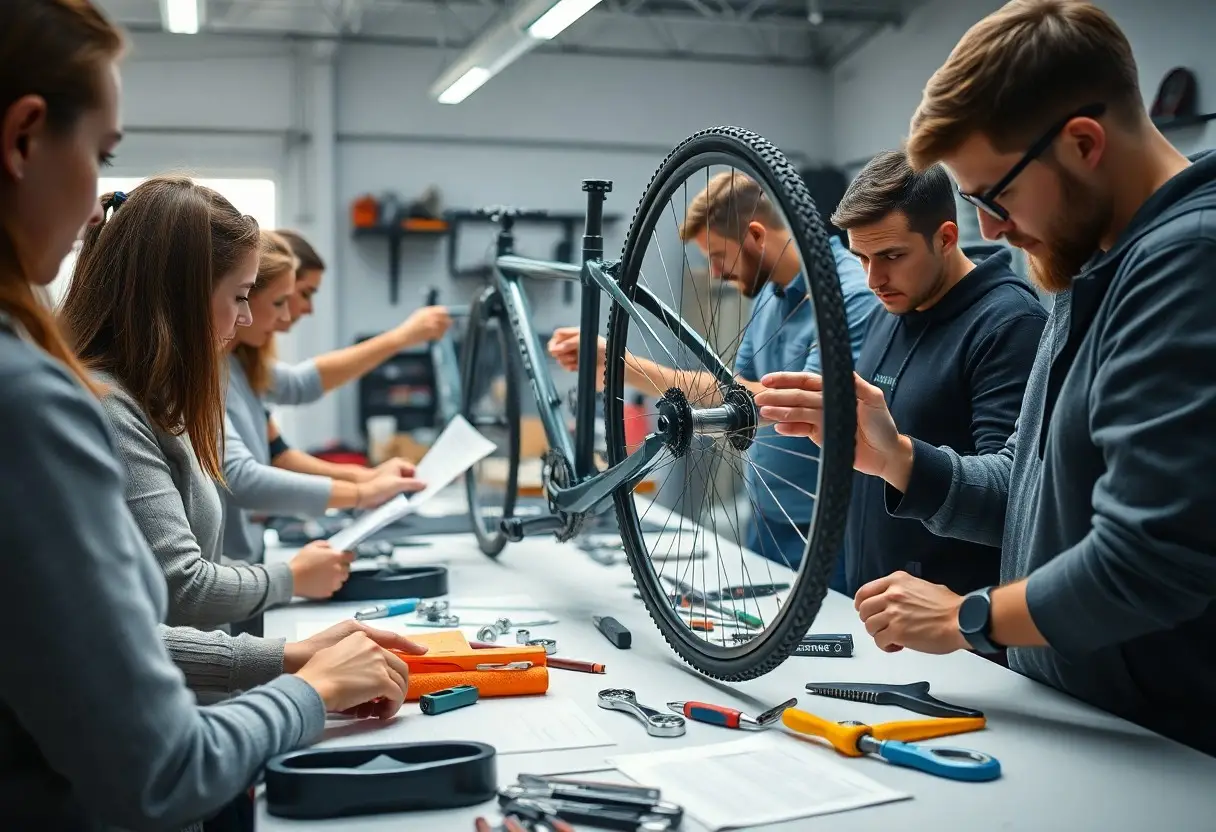
The Psychology of Repair: Overcoming Setbacks
Setbacks in building or repairing can trigger a wave of frustration, discouragement, and doubt. These emotions often stem from past experiences and perceived failures, which can lead to a dangerous cycle of avoidance. Acknowledging these feelings is the first step towards overcoming them, as understanding the psychological barriers allows you to confront and dismantle them, ultimately fostering resilience and confidence in your projects.
Common Psychological Barriers to Success
Fear of failure consistently ranks among the top barriers to success in repair activities, causing paralysis when facing challenging tasks. Self-doubt can take hold, leading you to second-guess your abilities and decisions. Additionally, perfectionism may prevent you from starting or completing a project, as the desire for everything to be flawless becomes overwhelming.
Strategies for Maintaining Motivation
Setting small, achievable goals lays the groundwork for sustained motivation. Celebrating incremental successes keeps your morale high and reinforces a positive mindset. Furthermore, surrounding yourself with a supportive community or engaging in online forums can offer encouragement and practical tips, helping you stay motivated and focused on the end goal.
Crafting a plan with specific milestones enables you to track progress and maintain momentum. For instance, breaking down a large project into smaller tasks, like dedicating 30 minutes a day to one aspect, allows you to celebrate mini-victories along the way. Keeping a journal to document your thoughts and successes also acts as a motivational tool, reminding you of your journey, reinforcing your resilience, and inspiring further progress despite setbacks.

Techniques for Skill Enhancement and Mastery
Learning Through Practical Experience
Engaging in hands-on projects significantly accelerates your skill development. By tackling real-world problems, you reinforce theoretical knowledge while navigating challenges that arise during the process. Whether you’re building furniture or designing a website, each task you complete enhances your understanding and boosts your confidence. Seek opportunities to volunteer or collaborate on community projects, as these experiences provide invaluable insights that textbooks alone cannot offer.
Utilizing Online Resources and Workshops
Online platforms and workshops offer flexible learning options, allowing you to tailor your educational journey. Websites like Coursera and Udemy host courses led by industry experts, covering a wide range of skills from woodworking to digital marketing. Participating in interactive workshops enhances your learning by facilitating direct feedback and hands-on practice. Many of these resources are accessible at any time, empowering you to learn at your own pace.
Platforms like Skillshare and LinkedIn Learning provide a wealth of tutorials that cater to various skill levels. Joining virtual workshops often results in networking opportunities with professionals and enthusiasts alike, establishing connections that can lead to mentorship or collaborations. By actively engaging in these environments, you not only deepen your knowledge but can also apply learned concepts immediately, enhancing your ability to refine your skills effectively.
Building a Support Network for Project Success
Your journey towards successful projects becomes significantly enhanced with a strong support network. Connecting with others who share your interests and challenges can provide fresh perspectives and valuable resources. Collaborating with like-minded individuals not only broadens your knowledge but also creates a sense of accountability, making it easier to stay motivated and focused on your goals.
Engaging with Community Resources
Finding Mentorship and Peer Support
To wrap up
Considering all points, you now have the tools and knowledge to build, repair, and improve your projects with confidence. By applying the insights shared, you can tackle challenges effectively and enhance your skills. Your journey in mastering these tasks will not only empower you but also unlock new potential in your endeavors. Embrace the process, trust in your capabilities, and watch as your confidence grows with every step you take.