
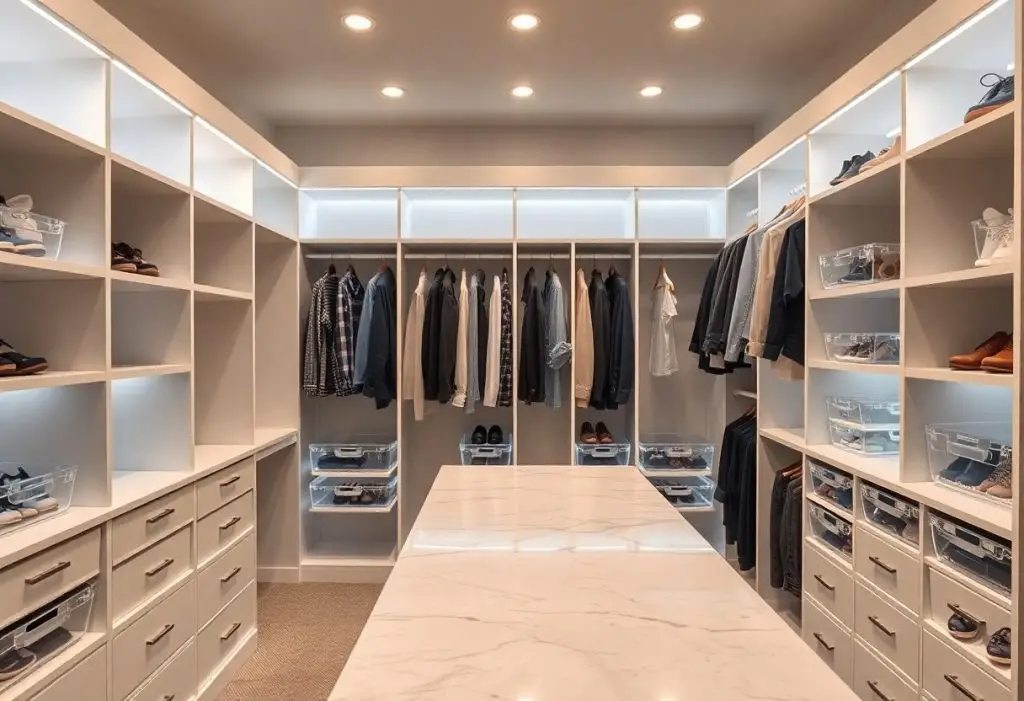
Most cluttered closets can be transformed into highly functional spaces with smart remodeling choices. You can maximize storage, improve accessibility, and streamline your daily routine by incorporating adjustable shelving, pull-out drawers, and proper lighting. The right layout and materials make a lasting difference in how efficiently you use your space.
The Great Clearing
Every successful closet remodel begins with empty space. You can’t optimize storage until you see exactly what you’re working with. Start by removing everything from your closet-yes, everything. This clean slate allows you to assess your belongings objectively and design a system tailored to your actual needs, not just your habits.
Removing the Excess
Start by identifying items you haven’t worn in over a year. Chances are, you won’t miss them. Separate clothes, shoes, and accessories that are damaged, ill-fitting, or no longer reflect your style. Donate, sell, or discard them responsibly. Letting go frees up space and simplifies future decisions.
Sorting the Essentials
Group what remains into clear categories-workwear, casual, seasonal, accessories. This step reveals patterns in your usage and preferences. You’ll see which items you reach for daily and which serve occasional roles. Organizing by function makes it easier to assign logical, accessible spaces in your new layout.
When sorting the importants, think beyond clothing type. Consider frequency of use, fabric care needs, and even color coordination. Store everyday pieces at eye level and seasonal or special occasion items higher or in labeled bins. Keep undergarments, belts, and scarves in designated trays or dividers. This level of detail ensures every item has a purpose and a place, reducing decision fatigue each morning.
The Structural Frame
Strong support defines every well-organized closet. You need a solid frame to anchor shelves, rods, and accessories securely. Reinforce walls with extra studs where heavy items will hang. This foundation allows flexibility in design while ensuring long-term durability. Plan the frame early to align with your storage vision.
Built-In Shelving
Shelving built directly into your closet maximizes every inch of space. You can tailor depths and heights to fit your specific items, from folded sweaters to handbags. Closed cabinets hide clutter, while open shelves display favorites. Position them at eye level for easy access and visual balance.
Custom Rod Placement
Placing rods where they suit your wardrobe habits makes daily dressing simpler. Install double-hang rods to separate tops and bottoms, or add a single low rod for easy access to frequently worn items. Adjustable heights let you adapt as your needs change.
Custom rod placement gives you control over how and where clothes hang. Set one rod higher to create room underneath for bins or a second rod. Use retractable options for flexible use, or angle a corner rod to eliminate dead space. Position rods at varying heights to accommodate dresses, shirts, and pants without crowding.
A Clean Well-Lighted Space
Light transforms how you experience your closet, making it easier to find items and start your day with clarity. A well-lit space feels open, clean, and intentional, supporting your organizational goals. You’ll notice details in fabric and color, reducing outfit mistakes and saving time.
Overhead Illumination
Overhead lighting sets the base layer of brightness in your closet. Recessed ceiling lights or a central fixture ensures even coverage across the space. Position them to eliminate shadows when you’re dressing or selecting accessories.
Shelf Lighting
Integrated LED strips along shelf edges highlight stored items like folded sweaters or handbags. This targeted light makes it easier to see what you own without pulling everything forward. You’ll keep the space neater and access pieces with confidence.
Shelf lighting works best when it’s warm white (around 3000K) to render colors naturally. Install motion-activated or touch-controlled strips for convenience. Align lights just below each shelf so they cast a gentle glow downward, reducing glare while improving visibility where it matters most.
The Foundation of Shoes
Your shoe collection deserves more than a pile by the door. A well-organized shoe foundation starts with smart storage that maximizes space and visibility. Whether you wear heels daily or rotate seasonal sneakers, designing this zone thoughtfully transforms clutter into order.
Angled Racks
You see every pair at a glance with angled racks. These slanted shelves display shoes like a boutique, making it easy to grab what you need without disturbing others. They work especially well in narrow spaces, offering quick access while keeping soles off the floor.
Open Cubbies
You gain flexibility and fast access with open cubbies. These square compartments hold everything from boots to flats without doors getting in the way. Their breathable design helps prevent odors and lets you mix storage with display.
Open cubbies adapt to your changing collection with ease. You can rearrange pairs seasonally or add baskets for smaller items like socks or insoles. Position them at varying heights to accommodate ankle boots, high heels, or bulky winter footwear, ensuring each style has its rightful place.
The Small Necessities
Smart storage thrives on thoughtful details that simplify daily routines. You don’t need a full overhaul to see results-small upgrades often make the biggest difference. Focus on elements that support your habits, from quick outfit changes to seasonal rotations. These subtle additions keep clutter at bay and streamline access.
Wooden Dividers
Wooden dividers bring structure to drawers filled with accessories or folded clothes. You can customize them to fit sock stacks, belts, or scarves, preventing items from shifting. Their natural finish adds warmth while keeping everything in its place.
Metal Hooks
Metal hooks give you instant hanging spots for bags, robes, or next-day outfits. You can mount them inside doors or on side panels to use overlooked spaces. Their durability supports heavy items without damaging walls.
Choose rust-resistant finishes like brushed nickel or powder-coated steel for long-term performance. Position hooks at varying heights to accommodate different items-totes at shoulder level, belts lower down. Install them in unused corners or behind doors to maintain floor space. Over time, these simple additions reduce clutter and save you minutes each morning.
To wrap up
Your closet remodel succeeds when every item has a purpose and a place. Clear bins, adjustable shelving, and smart lighting transform clutter into order. You gain time, space, and simplicity by designing around your daily habits. A well-organized closet isn’t about quantity-it’s about thoughtful design that works for you.