
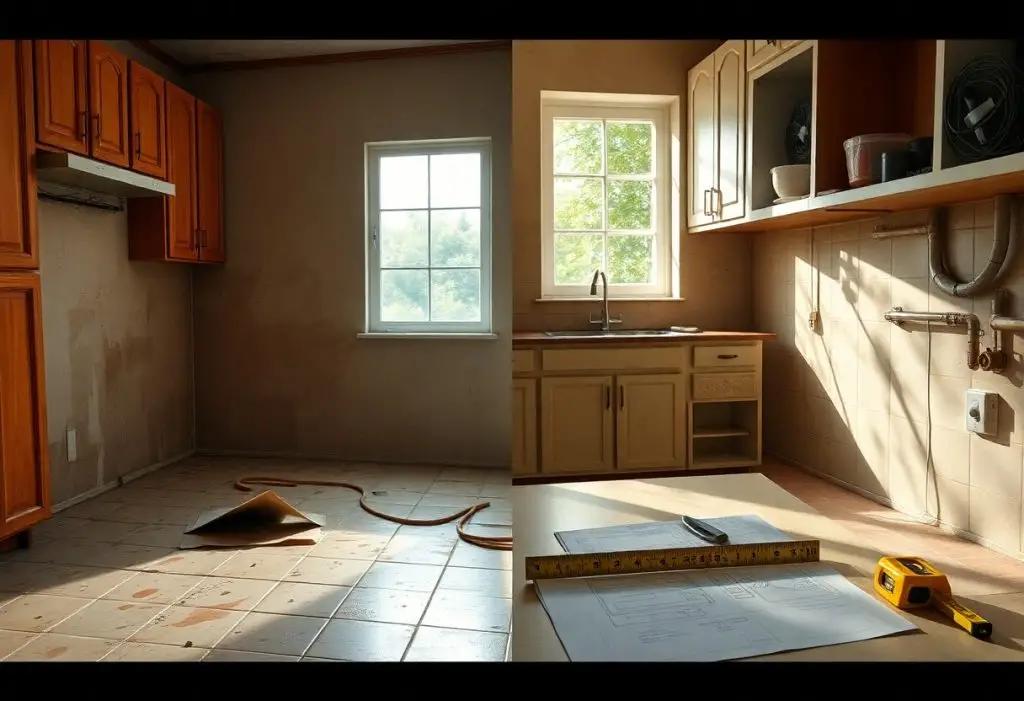
You start a home remodel with excitement, but small oversights can lead to big problems. Poor planning, ignoring permits, and skipping professional advice are common errors. This guide shows you exactly what to watch for and how to steer clear of costly mistakes from the start.
How to Establish a Realistic Project Budget
Setting a clear budget starts with defining your priorities and understanding your financial limits. Research average costs for similar remodels in your area and gather multiple contractor bids. Be honest about what you can afford without stretching too thin. Any unexpected expense can derail your project if you’re not prepared.
Factors that Influence Total Renovation Costs
Size and scope of the remodel directly affect how much you’ll spend. Materials, labor rates, and design complexity also play major roles. Permits, demolition, and structural changes add up quickly.
- Project size
- Material quality
- Labor availability
- Permit requirements
- Home age and condition
Any overlooked detail can inflate your final bill.
Tips for Allocating an Emergency Contingency Fund
Set aside 10-20% of your total budget for surprises that inevitably arise. Hidden water damage, outdated wiring, or supply delays are common.
- Base the fund on total project cost
- Keep it in a separate account
- Use only for true unforeseen issues
- Update estimates as work progresses
This buffer keeps your project moving without financial stress.
Contingency funds protect your timeline and peace of mind when surprises occur. Unexpected structural issues or material shortages happen even with careful planning.
- Treat the fund as part of your vital budget
- Review it monthly with your contractor
- Adjust allocations if certain areas come in under budget
- Document every contingency expense
This proactive approach ensures you stay in control without cutting corners.
Factors for Selecting the Right Professionals
Experience, licensing, and communication style shape your remodeling success. Look for professionals with a proven track record in projects like yours. Check that they carry proper insurance and maintain up-to-date certifications. Read reviews and ask for recent client references. Any decision should reflect both competence and compatibility with your vision.
How to Verify Contractor Credentials and References
You can confirm a contractor’s legitimacy by requesting proof of license and insurance. Contact past clients to learn about their experience with timelines and quality. Visit completed job sites if possible. Verify standing with local trade boards and check for unresolved complaints. Any oversight now could lead to delays or disputes later.
Tips for Evaluating Terms in a Legal Contract
Clarity protects both you and the contractor. Ensure the contract outlines the full scope of work, materials, payment schedule, and timeline. Look for clauses on change orders, warranties, and dispute resolution. Knowing your rights and responsibilities prevents misunderstandings down the road.
- Project start and completion dates are clearly defined
- Materials are specified by brand, grade, and model
- Payment terms tie to milestones, not time
- Change order process requires written approval
- Warranty coverage is detailed and signed
Knowing exactly what’s enforceable gives you leverage if issues arise.
Tips for Designing for Functionality and Longevity
Choose materials and layouts that stand up to daily use while supporting your household’s needs.
- Select durable flooring for high-traffic areas
- Plan storage solutions that reduce clutter
- Invest in timeless fixtures that won’t date quickly
The right choices now save time, money, and frustration down the road.
Factors to Consider for Spatial Flow and Layout
Flow affects how easily you move through your home and how spaces feel in daily use.
- Keep primary pathways at least 36 inches wide
- Position key rooms to minimize unnecessary travel
- Ensure door swings don’t block access or create hazards
This thoughtful planning creates a home that works as smoothly as it looks.
How to Balance Personal Style with Future Resale Value
Your home should reflect your taste, but extreme design choices can limit appeal.
- Use neutral base tones for walls and large fixtures
- Save bold colors for accessories or removable features
- Avoid highly personalized materials like themed tile or custom murals
This balance keeps your space uniquely yours while maintaining broad appeal.
Staying true to your aesthetic doesn’t mean sacrificing smart design. You can express personality through art, textiles, or lighting without compromising flexibility. Recessed lighting, classic cabinet styles, and natural finishes offer room for individuality while remaining market-friendly. The goal isn’t to erase character-it’s to embed it in ways that can evolve with future owners.
How to Manage Material Selection and Delivery
You streamline your remodel by finalizing finishes early and confirming delivery timelines with suppliers. Order materials with long lead times-like custom cabinetry or specialty tile-well in advance. Coordinate with your contractor to schedule deliveries when space is ready for installation. Knowing exact arrival dates prevents on-site damage and storage issues.
Tips for Sourcing Durable and Cost-Effective Finishes
Quality finishes balance longevity with value. Look for materials that resist wear without inflating your budget.
- Porcelain tile mimics natural stone at a lower cost and withstands moisture
- Quartz countertops offer consistent durability with minimal maintenance
- Engineered hardwood provides stability across changing humidity levels
Knowing your home’s usage patterns helps match finishes to real-world demands.
Factors That Influence Supply Chain Lead Times
Global and local conditions affect how quickly materials arrive.
- Manufacturing delays due to high demand or labor shortages
- Shipping bottlenecks at ports or regional distribution centers
- Weather disruptions impacting transportation routes
- Custom or imported items requiring extended processing
Assume that any off-the-shelf item could face a two- to four-week delay beyond estimates.
Unpredictable events often ripple through material availability. Factory shutdowns, raw material scarcity, or sudden tariff changes can halt production without warning. Regional demand spikes-especially after natural disasters-also strain inventory. Even local delivery fleets face delays due to fuel costs or driver availability.
- Popular fixtures may be prioritized for commercial projects
- Weather-related port closures delay overseas shipments
- Supplier backlogs grow during peak remodeling seasons
Assume that lead times listed online are best-case scenarios, not guarantees.
Factors for Navigating Permits and Building Codes
Understanding local requirements keeps your project on track.
- Check with your municipality before starting any structural changes
- Hire a professional who knows regional code standards
- Allow extra time for审批 delays
Recognizing that rules vary by location helps prevent costly setbacks.
How to Ensure Compliance with Municipal Regulations
Your city’s approval process protects both safety and property value. Always submit detailed plans for review and schedule required inspections at each phase. Respond promptly to feedback from officials. Staying proactive reduces delays and ensures your remodel meets current standards.
Tips for Avoiding Legal Issues with Unpermitted Work
Skipping permits might save time now but creates problems later.
- Selling your home could reveal unapproved changes
- Insurance may not cover unpermitted additions
- Fines or forced removals are possible outcomes
Perceiving shortcuts as risks, not benefits, protects your investment.
Tips for Avoiding Legal Issues with Unpermitted Work
You assume liability when work lacks official approval. Local authorities can issue stop-work orders, demand demolition, or place liens on your property. Future buyers often require disclosures, and lenders may refuse financing.
- Keep records of all permits and inspections
- Verify contractor licensing before hiring
- Ask for proof of permit submission
Perceiving compliance as protection-not bureaucracy-safeguards your home and finances.
Tips for Maintaining Communication and Oversight
Clear communication keeps your remodel on track. Hold brief daily check-ins, use a shared project log, and confirm decisions in writing. Assign a single point of contact on your team. Assume that miscommunication will happen if you don’t set clear expectations early.
- Daily 10-minute site meetings
- Shared digital project log
- Written confirmation of all decisions
- One designated project contact
Factors for Successful Daily Progress Monitoring
Consistency matters when tracking daily progress. Show up at the same time each day, review the task list with the crew, and note completed work. Take dated photos and log any delays. This builds accountability and helps catch issues before they grow.
- Fixed daily inspection time
- Review task list with crew
- Log completed items
- Take dated progress photos
How to Properly Document Necessary Change Orders
Every change must be recorded before work begins. Use a standardized form that includes scope, cost, and timeline impact. Get signatures from both you and the contractor. Assume that any verbal agreement without documentation will lead to disputes later.
Change orders are inevitable, but unrecorded changes create confusion and budget overruns. Your form should clearly describe the original plan, the requested change, and how it affects cost and schedule. Keep a master file with all approved changes, and refer to it weekly during progress reviews. This ensures everyone stays aligned and protects you if disagreements arise.
Summing up
So you avoid costly errors by planning thoroughly, setting a realistic budget, and hiring licensed professionals. You prevent delays by securing permits early and communicating clearly with contractors. You protect your investment by not skipping inspections or ignoring local building codes. Smart choices now save you time, stress, and money down the road.