
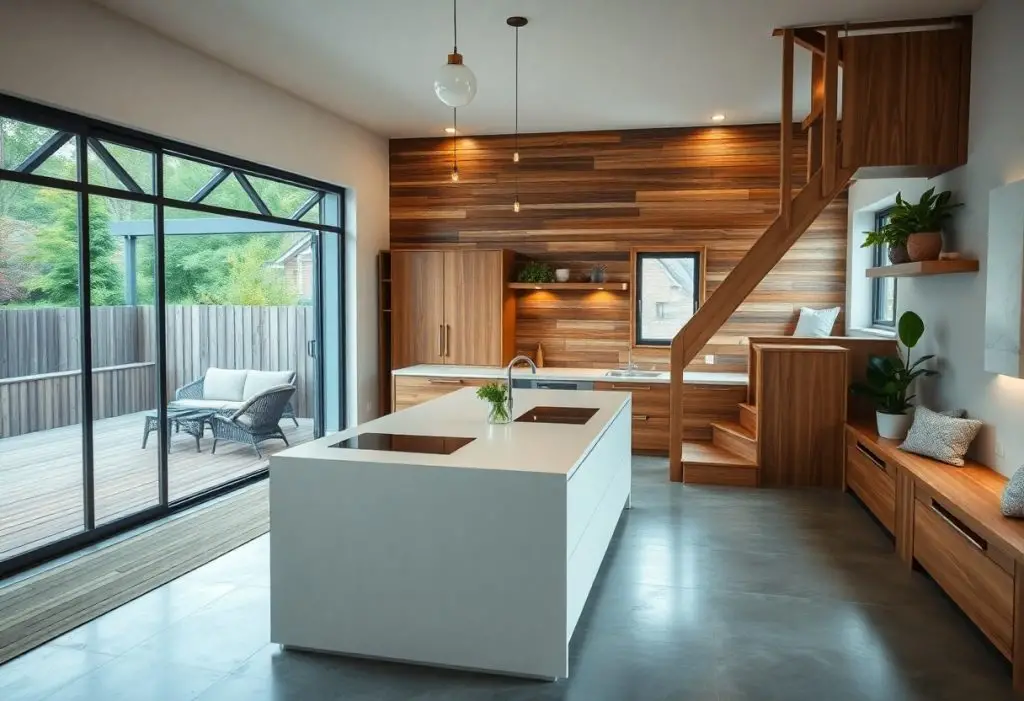
Creative projects help you transform rooms with practical design choices, budget-smart upgrades, and a clear plan you can follow; use proven methods, materials, and timelines to confidently improve your home.
Enhancing Architectural Character
Homes gain distinction when you highlight original features and add sympathetic details; selective archways, exposed beams, and painted trim create depth while pairing with contemporary finishes to reinforce the house’s personality.
Installing Custom Crown Molding and Trim
You can install custom crown molding to define ceiling heights, correct proportions, and unify mixed-era elements; careful profile selection and precise joints deliver a polished, long-lasting statement.
Reclaiming Space with Built-In Cabinetry
Reclaiming awkward nooks with built-in cabinetry gives you tailored storage and clearer sightlines, combining open shelving, drawers, and concealed compartments to suit daily routines and reduce clutter.
Consider planning built-ins by measuring exact clearances, mapping traffic flow, and prioritizing functions such as media housing, pantry access, or a workstation; choose plywood or hardwood faces for durability, integrate adjustable shelving and soft-close hardware, and add task lighting to improve usability and finish cohesion with surrounding trim and paint.
Elevating Outdoor Living Environments
Outdoor spaces can become an extension of your home when you combine cozy seating, weatherproof textiles, and multifunctional zones that support dining, relaxing, and play. You should plan for shade, durable surfaces, and clear circulation to make each area inviting and long-lasting.
Designing Multi-Tiered Decking Systems
Consider tiering your deck to define dining, lounging, and garden access while using varied heights to frame views and control traffic. You should choose matching materials and stain tones to keep cohesion, add built-in seating for storage, and ensure railings meet local safety codes.
Integrating Ambient Landscape Illumination
Balance path, step, and accent lighting to create safe routes and dramatic focal points while avoiding glare. You should use warm LED tones, timers or motion sensors for efficiency, and layer fixtures to highlight textures, trees, and architectural details for evening enjoyment.
Lighting choices determine atmosphere: aim for 200-300 lumens for pathways, 600-800 for focal trees, and 2700-3000K color temperature for a warm, inviting glow. You should mix low-voltage hardwired fixtures for reliability with solar or battery options for flexibility, place fixtures to hide bulbs and reduce glare, use shields or frosted lenses, and program dimmers or smart schedules to conserve energy and simplify maintenance.
Modernizing Through Smart Technology
Smart technology lets you centralize controls for lighting, security, and appliances via apps and voice, making daily routines more efficient while preserving your home’s character.
Implementing Centralized Home Automation
Connect your devices through a reliable hub so you can automate scenes, schedule tasks, and monitor systems from a single interface, reducing complexity and enhancing everyday comfort.
Energy-Efficient Climate Control Solutions
Upgrade to smart thermostats, zoned controls, and efficient heat pumps so you can lower energy bills, maintain comfort only where needed, and track usage with clear analytics.
Pair smart thermostats with occupancy sensors, multi-zone dampers, or ductless mini-splits so you can target heating and cooling to occupied areas; set adaptive schedules tied to local forecasts, apply for utility rebates, and use app analytics to refine settings for consistent savings and comfort.

Sustainable and Eco-Conscious Upgrades
Green renovations cut bills and carbon footprint; you can retrofit insulation, install tankless water heaters, and choose Energy Star appliances to make your home more efficient while preserving style.
Utilizing Reclaimed and Natural Materials
Reclaimed wood, salvaged bricks, and cork flooring give character while reducing waste; you can source local materials to cut transport impacts and create a warm, authentic interior.
High-Performance Window Replacements
Window upgrades improve comfort and lower heating costs; you should pick low-E coatings, insulated frames, and proper installation to maximize year-round efficiency and noise reduction.
You should consider U-factor, SHGC, and air leakage ratings when comparing units; triple glazing with argon or krypton fills, low-conductance frames, and warm-edge spacers reduce heat transfer and condensation. Hire a certified installer to verify flashing, airtight seals, and proper sizing so your investment delivers measurable energy savings and consistent comfort.
Optimizing Kitchen and Bath Functionality
Kitchens and bathrooms demand smart tweaks that boost efficiency and comfort; you can upgrade workflows with compact islands, layered lighting, and water‑saving fixtures to make daily routines smoother.
Ergonomic Layout and Storage Solutions
Design work triangles and pull-out storage so you can move with minimal steps, place appliances within intuitive reach, and choose adjustable shelving that adapts as needs change.
Luxury Fixture and Surface Refinement
Choose statement faucets, honed stone countertops, and matte or hammered hardware so you get a refined finish that resists wear and boosts resale appeal.
Consider specifying durable materials like quartz, porcelain, and solid-surface sinks so you get low-porosity, stain-resistant surfaces; pair brushed brass or black finishes with protective sealants, choose touchless or low-flow faucets to reduce consumption, and hire certified installers to ensure precise seams and slope for long-term performance and easier upkeep.
Strategic Lighting and Color Palette Design
Skillful lighting and color choices help you sculpt mood and guide movement, balancing ambient, task, and accent fixtures with palettes that support function and atmosphere.
Layering Light for Depth and Mood
Layering light lets you combine ambient, task, and accent sources to add depth, reveal texture, and shift atmosphere for different activities.
Using Color to Define Spatial Boundaries
Color choices enable you to define zones without walls by using hue, saturation, and temperature to suggest scale and purpose.
Experimentation with color placement helps you reinforce circulation and set focal points: you can use a warm, saturated hue to draw attention to a seating area, a cool tone to recede supporting spaces, or a rich trim color to frame transitions; subtle shifts in saturation or value will make adjoining areas read as distinct while keeping an overall cohesive palette.
Summing up
Following this guide, you can transform ordinary rooms with practical design choices, smart storage, targeted lighting, and DIY finishes that suit your budget and skill level, ensuring projects look professional and enhance daily comfort.