
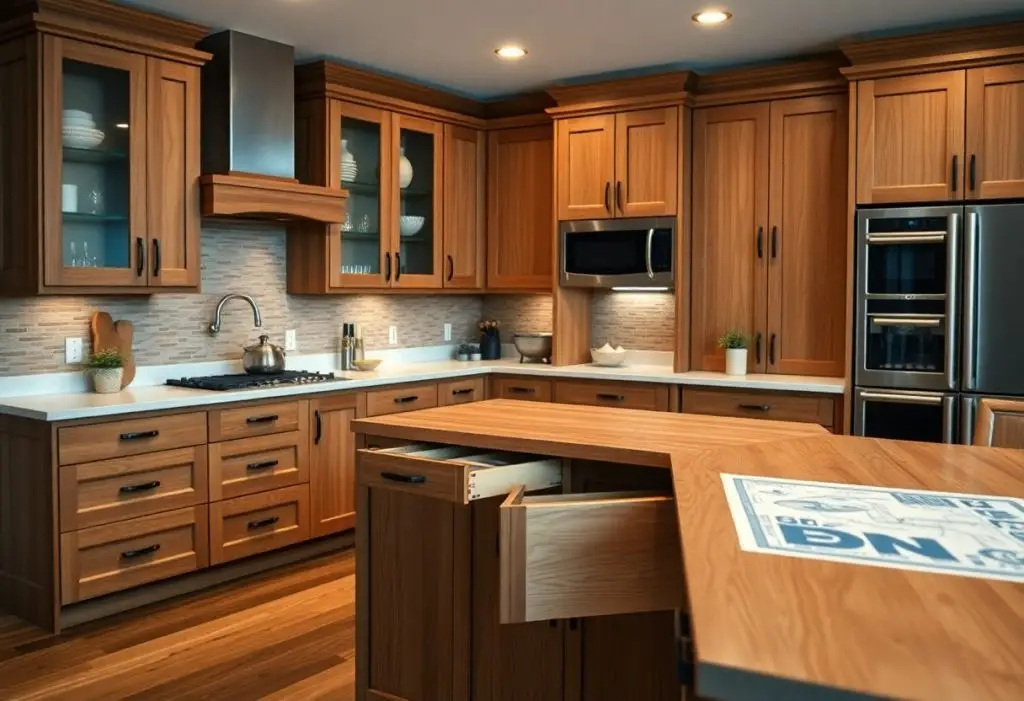
Just outline your daily routines and goals so renovations address real needs; select materials, layouts, and finishes that match your lifestyle and budget to create a functional, personalized home that increases comfort and long-term value.
Defining Your Personal Vision and Lifestyle Goals
You should define how each space supports daily routines, social habits, and long-term plans, setting clear priorities for functionality, storage, and flexibility to reflect your lifestyle.
Assessing Functional Requirements for Every Room
Consider room-by-room needs: traffic flow, storage, lighting, and adaptable layouts so each space performs the role you expect now and later.
Aligning Aesthetic Preferences with Practicality
Balance your visual tastes with materials and finishes that withstand use and maintenance routines, ensuring beauty that lasts under daily demands.
Choose durable surfaces, neutral palettes, and timeless details where wear is high, then add personality with movable accents, textiles, and layered lighting so you can refresh style without costly renovations.
The Collaborative Design and Planning Phase
You work closely with designers and planners to align spatial needs, budget, and timeline so every decision supports how you live and how the home will perform.
Working with Architects to Draft Custom Blueprints
Architects guide you through schematic options, translating requirements into clear, code-compliant blueprints that fit your budget, site constraints, and permit schedule.
Selecting Materials That Reflect Your Style and Standards
Materials you select set the home’s tone and lifespan; weigh finish, maintenance, and local climate to match your aesthetic and performance expectations.
Consider ordering full-size samples and on-site mockups so you can assess color, texture, and durability in your home’s light and usage. Ask about maintenance routines, expected lifespan, warranty terms, and environmental certifications. Compare long-term costs versus upfront price, test finishes for slip and stain resistance, and consult your contractor about installation details and local availability to avoid delays and budget surprises.
Enhancing Home Value Through Strategic Upgrades
Targeted improvements align with buyer expectations and your lifestyle, increasing resale appeal and daily comfort. You should prioritize projects that improve curb appeal, energy efficiency, and functional layout to maximize return while matching personal needs and neighborhood standards.
Identifying High-ROI Custom Improvements
Assessing local market trends and your home’s condition helps you choose custom upgrades that sell. You can focus on kitchen remodels, bathroom updates, and efficient HVAC or windows that buyers value, while tailoring finishes to reflect your taste without overspending.
Future-Proofing Your Property with Modern Infrastructure
Upgrading electrical, plumbing, and connectivity prepares your property for smart systems and stricter codes, making it attractive to tech-savvy buyers. You should incorporate scalable solutions, energy-efficient appliances, and accessible designs to protect value and reduce long-term costs.
Plan for high-capacity electrical panels, whole-home surge protection, and conduit runs that allow fiber or additional wiring later. You should add backup power options, EV charger pre-wiring, water-efficient plumbing, and smart-home control hubs. Consult licensed contractors to phase work, meet upcoming codes, and preserve resale appeal without overbuilding for your neighborhood.
Tailored Spatial Optimization and Layout Efficiency
You prioritize purpose over arbitrary plans, refining room sizes, sightlines, and circulation so each area supports how you live while minimizing wasted space.
Maximizing Square Footage with Smart Storage Solutions
Optimize built-ins, vertical shelving, and hidden compartments to free floor area; you gain room for living by integrating storage into walls, stairs, and furniture without sacrificing aesthetics.
Creating Smooth Transitions Between Living Spaces
Design consistent flooring, aligned sightlines, and graduated lighting so you can move naturally between areas while each space retains distinct function and mood.
Blend flooring textures, color palettes, and scaled furniture to create visual continuity so you can transition between rooms without abrupt shifts. Use partial dividers, area rugs, and layered lighting to define zones while preserving openness, and position pathways to reduce congestion so guests and household members move comfortably from kitchen to living areas and bedrooms.

Integrating Smart Technology and Energy Efficiency
You can design systems that combine smart controls with high-efficiency appliances, cutting energy use while matching your daily habits and comfort preferences.
Implementing Automated Home Management Systems
Implementing automated home management systems lets you control lighting, climate, security, and appliances from one app, adapting schedules to reduce waste and increase comfort.
Sustainable Upgrades for Long-Term Cost Savings
Choose sustainable upgrades like high-efficiency HVAC, insulation, and LED lighting to lower bills and improve resale value over time.
Investing in solar panels, heat-pump systems, and water-saving fixtures reduces operating costs; calculate payback periods and incentives to plan upgrades that meet your budget and goals.
Navigating the Construction and Project Management Process
You must keep tight control of schedules, contractor coordination, permits, and change orders so projects stay on track; centralized communication and a dedicated project manager reduce disputes and minimize delays.
Establishing Realistic Timelines and Budgetary Milestones
Plan realistic timelines with inspection buffers and material lead times, and tie budget milestones to completed deliverables so you can approve payments and adjust scope before costs escalate.
Ensuring Quality Control and Regulatory Compliance
Implement regular site inspections, verify licenses and insurance for subcontractors, and keep permit records current so you can prevent rework and secure final approvals without surprises.
Document a project-specific quality control plan that lists inspection checkpoints, tolerance standards, approved materials, and testing procedures; require finish mock-ups and third-party checks for critical systems. You should enforce subcontractor qualifications, collect insurance certificates and warranties, log all change orders, and book municipality inspections early so defects are fixed promptly and final permits are issued smoothly.
Summing up
Conclusively, you gain tailored design, disciplined budgeting, and professional oversight that match your lifestyle and maximize long-term value while ensuring projects complete on time and to your standards.