

Hire the right home improvement specialists to transform your space efficiently and effectively. With countless options available, navigating the selection process can seem daunting. This guide will equip you with necessary tips and strategies to streamline your hiring experience, ensuring you find trustworthy professionals who meet your specific needs. From assessing qualifications to understanding costs, you’ll gain valuable insights that make the hiring process straightforward and successful.

Defining the Scope of Your Home Improvement Project
Your home improvement project begins with a clear definition of its scope. Establishing precisely what you want to accomplish will guide every decision moving forward, from selecting the right specialists to estimating timelines. Consider both the specifics of the work involved and the overall vision for your space. Clarity at this stage minimizes misunderstandings and sets realistic expectations, ensuring a smoother process overall.
Assessing Your Needs and Goals
Identifying your needs and goals is your first step in tailoring the project to your lifestyle and preferences. Ask yourself what specific improvements you seek—be it increasing functionality, enhancing aesthetics, or boosting energy efficiency. Understanding these objectives allows you to communicate effectively with potential specialists, ensuring their proposals align with your vision.
Establishing a Realistic Budget
A realistic budget serves as the foundation for your home improvement project. Take into account not just the materials and labor, but also potential unexpected costs. Gather quotes and conduct thorough research to get a clearer picture of what your project entails financially. This practice ensures you won’t be caught off guard by additional expenses during the undertaking.
When establishing a budget, factor in both your priorities and the scope of work. For instance, if you’re renovating a kitchen, allocate funds for high-quality appliances, cabinetry, and fixtures, as these elements significantly impact the project’s overall cost. Additionally, reserve an extra 10-20% of your budget for unforeseen issues such as hidden structural problems or changes in design. This proactive approach can help you avoid financial stress throughout the project while allowing for necessary adjustments without compromising your goals.
Sourcing Qualified Professionals
Finding the right home improvement specialists involves strategic sourcing to ensure you connect with qualified professionals. Start by leveraging local resources such as home improvement stores, trade shows, and community postings, as these platforms often feature reputable contractors. Networking within your community can also yield valuable referrals from friends or family who have completed similar projects successfully.
Where to Find Home Improvement Specialists
Explore multiple avenues to locate home improvement specialists. Online platforms like Angie’s List, HomeAdvisor, and Thumbtack can be invaluable, providing access to reviews and ratings. Additionally, local social media groups and neighborhood apps like Nextdoor often have recommendations from nearby homeowners who have hired professionals for similar jobs.
Evaluating Credentials and Reviews
Assessing credentials and reviews is vital to making an informed decision. Verify that each contractor holds necessary licenses and insurance to safeguard your project against potential pitfalls. Reading customer reviews can offer insights into the quality of work and reliability, while also helping you identify any red flags that could indicate unprofessional behavior or poor workmanship.
Look for contractors with a proven track record; ideally, select those who’ve been in business for at least five years. Check for affiliations with professional organizations, such as the National Association of Home Builders or the Better Business Bureau, as these memberships often signify a commitment to industry standards. Pay attention to reviews not only for high ratings but also for consistent praise regarding communication, timeliness, and the ability to stay within budget. This thorough evaluation process enables you to make a safer, more informed choice for your home improvement needs.
The Art of Interviewing Potential Candidates
Effective interviewing is pivotal in finding the right home improvement specialist for your project. By focusing on your specific needs and assessing candidates thoroughly, you can ensure they possess the necessary skills and experience. Prepare to engage and evaluate them not just on credentials but also on cultural fit and communication style, as these factors greatly influence project success.
Key Questions to Ask for Insight
Crafting targeted questions can reveal a candidate’s true capabilities and work ethic. Ask about their prior projects, the challenges they faced, and how they navigated them. Inquire about their project management approach, timelines, and how they handle unexpected issues. This can provide valuable insight into their problem-solving skills and reliability.
Recognizing Red Flags During Interviews
Be alert for red flags that may indicate potential problems down the line. Vague answers, reluctance to provide references, or a history of short-term engagements can signal issues with accountability or expertise. Additionally, pay attention to their communication style; overly aggressive or disinterested behavior may suggest a negative attitude toward customer relationships.
A candidate’s body language and enthusiasm during the interview often speak volumes. If they seem disengaged or frequently look away when discussing past experiences, it may indicate a lack of passion for their work. Additionally, situations where candidates hesitate to provide detailed examples or require excessive prompting could reflect uncertainty or a lack of depth in their experience. Subtle clues like these should inform your decision, as they may foreshadow future challenges in collaboration or project execution.

Navigating Contracts and Agreements
Contracts and agreements serve as the foundation for your relationship with home improvement specialists, ensuring clarity and protection for both parties. Understanding the details of these documents is imperative to avoid misunderstandings and secure your investment. You should review terms thoroughly and pay close attention to project timelines, payment schedules, and scope definitions. This vigilance helps ensure that everyone is aligned on expectations from the start.
Essential Elements for Protection
Key elements of a contract include project timelines, payment terms, warranties, and a clear scope of work. These components establish a framework for accountability, ensuring that your specialists deliver results on schedule and within budget. Detailed descriptions prevent scope creep and ambiguity, protecting you from additional costs and disputes. Always prioritize these imperatives in your agreements.
Negotiation Tips for a Fair Deal
Negotiating your contract can lead to a more favorable outcome, ensuring fair terms for both parties. Start by researching industry standards and prevailing rates in your area to gauge what constitutes a reasonable deal. Present your findings to the specialist and be open to discussing adjustments based on the scope and your budget constraints. Fair negotiation fosters a productive partnership.
- Be transparent about your budget limitations.
- Ask for itemized estimates to understand pricing.
- Consider multiple bids to leverage competition.
- Any specialist willing to negotiate demonstrates a commitment to your project.
Your strategy in negotiation can significantly influence the contract terms. Approach conversations with a collaborative spirit, putting emphasis on building a strong working relationship. Discuss options for flexibility, such as phased payment arrangements tied to project milestones or discounts for full upfront payments. Highlighting mutual benefits can encourage the specialist to meet your requests while still giving them reasonable compensation for their work.
- Document all agreed changes in writing.
- Encourage open communication throughout the project.
- Maintain a positive demeanor to foster goodwill.
- Any contract negotiation that prioritizes fairness will likely lead to smoother project execution.
Ensuring Quality Control During the Project
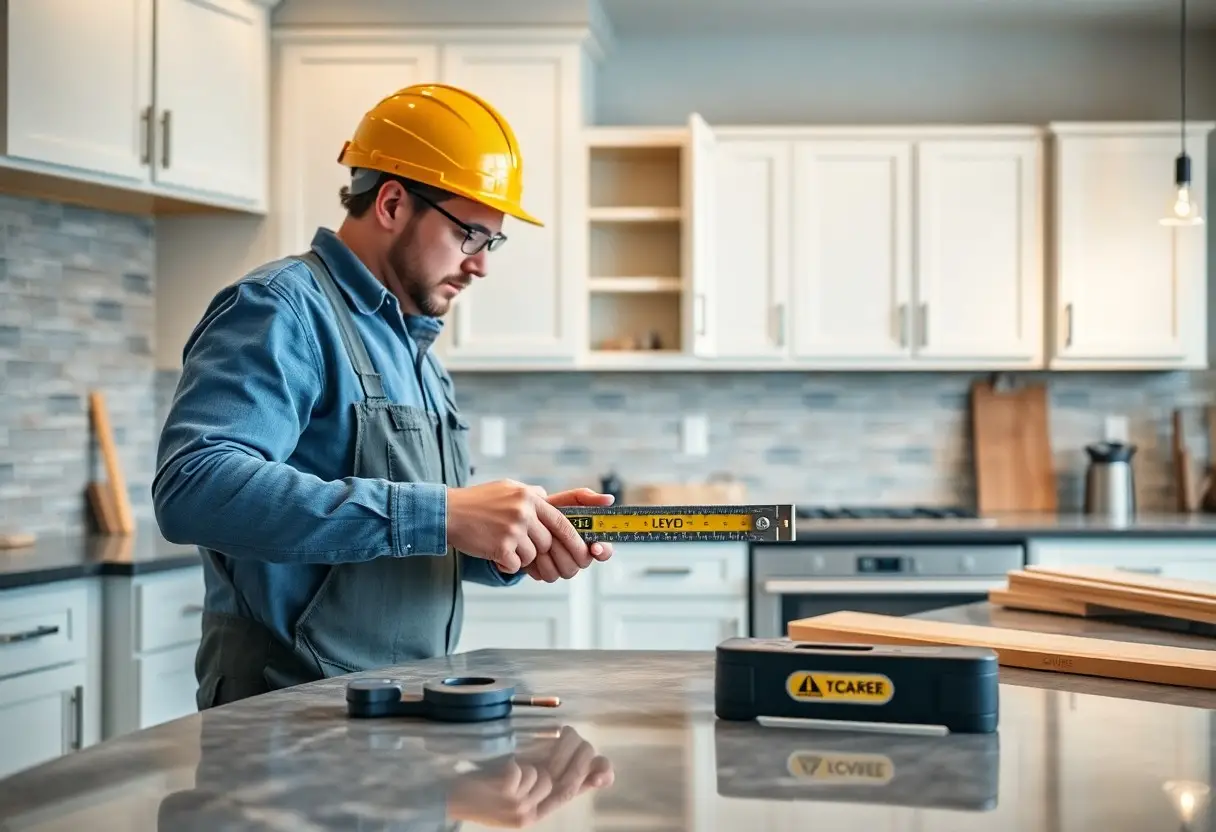
Quality control in your home improvement project is key to achieving the desired results. Regular inspections, predefined standards, and a vigilant approach help maintain the desired level of craftsmanship throughout the process. Establishing protocols for addressing concerns immediately can prevent issues from escalating and ensure that the project aligns with your vision and specifications.
Setting Milestones and Checkpoints
Setting clear milestones and checkpoints provides structure and accountability for your project. Break down your project into specific phases, like demolition, framing, and finishing, and assign deadlines to each. Regularly reviewing these milestones allows you to monitor progress, identify potential delays, and ensure that quality remains consistent throughout every stage.
Communicating Effectively with Your Team
Effective communication with your team fosters collaboration and enhances project outcomes. Use clear and concise messaging to convey expectations, provide feedback, and address concerns promptly. Regular team meetings, either on-site or virtually, allow you to clarify roles, discuss progress, and make necessary adjustments, ensuring everyone is on the same page.
Utilize tools such as project management apps or group messaging platforms to streamline communication further. Keeping communication channels open encourages team members to voice ideas and concerns freely. Scheduling weekly check-ins can help everyone stay aligned and motivated, ultimately leading to a smoother workflow and superior results in the final outcome of your project.
Final Words
From above, you can see that hiring home improvement specialists doesn’t have to be a daunting task. By clearly defining your project, researching local experts, seeking recommendations, and obtaining multiple quotes, you empower yourself to make a well-informed decision. Trust your instincts and communicate your needs effectively to ensure you find the right fit for your home. With these steps, you enhance your chances of a successful home improvement experience that meets your expectations and enhances your living space.