
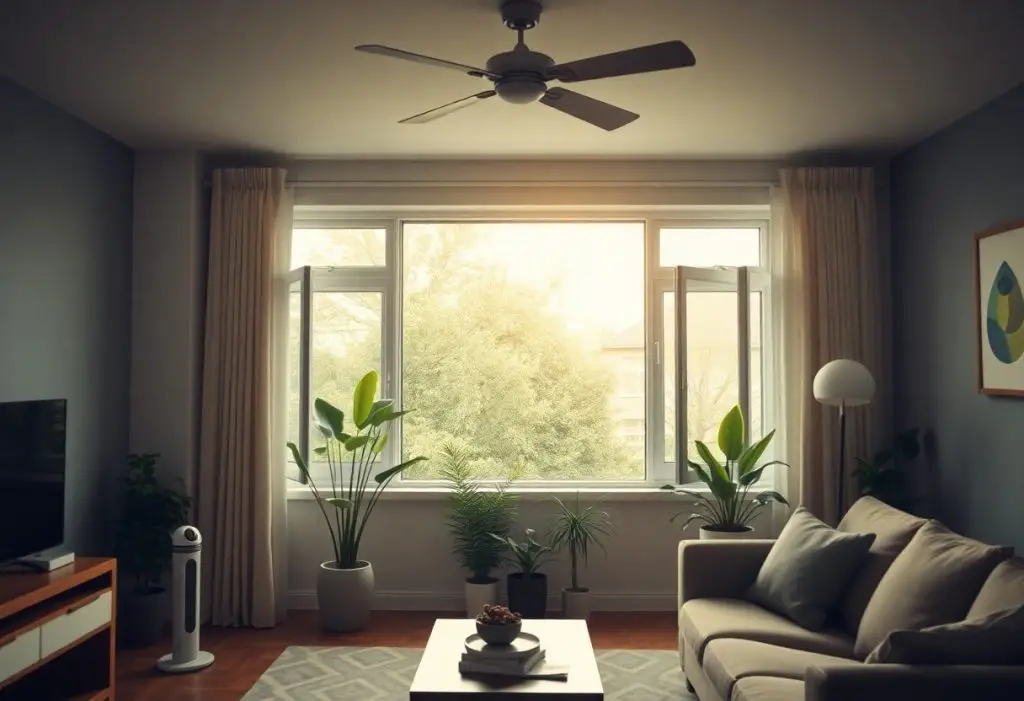
There’s a growing awareness around the importance of indoor air quality, and for good reason; it directly impacts your health and comfort at home. Poor ventilation can exacerbate allergies, lead to respiratory issues, and reduce overall well-being. In this post, you’ll discover important tips for improving ventilation in your space, allowing cleaner air to circulate and creating a healthier environment for you and your loved ones. By taking actionable steps, you can significantly enhance the air quality in your home, ensuring a breathable and pleasant atmosphere.
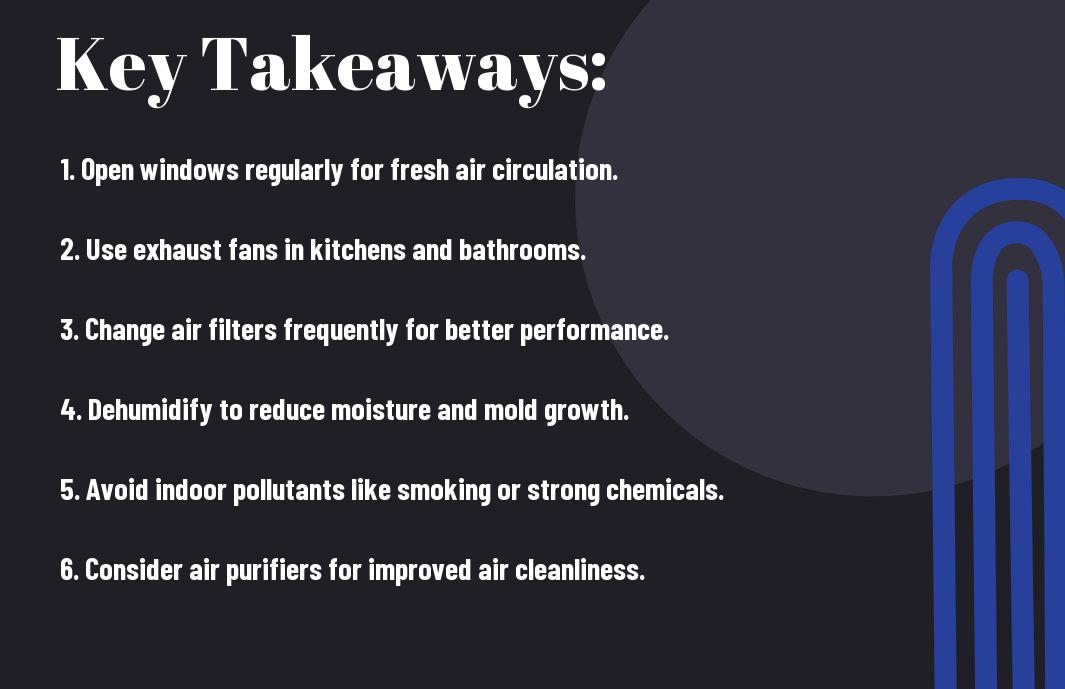
Understanding Indoor Air Quality
Before you can improve the air you breathe at home, it’s vital to grasp what indoor air quality (IAQ) entails. IAQ refers to the condition of air within your living space, influenced by various factors such as humidity, temperature, and the presence of pollutants. Poor IAQ can lead to health issues, affecting your comfort and overall well-being. By enhancing your understanding of IAQ, you can take informed steps to ensure a healthier environment for you and your family.
What is Indoor Air Quality?
Along with temperature and humidity, indoor air quality encompasses the presence of pollutants that can affect your respiratory health. Factors like ventilation, the materials used in your home, and outdoor conditions contribute significantly to IAQ. Understanding these elements enables you to identify potential sources of air contamination and take action to improve your living environment.
Common Indoor Air Pollutants
Behind the comfort of your home, various indoor air pollutants may lurk, impacting your health. Common culprits include dust mites, mold, pet dander, volatile organic compounds (VOCs) from household products, and even carbon monoxide from gas appliances. Awareness of these pollutants can empower you to create better airflow and ventilation systems, ultimately enhancing the air quality in your home.
Understanding common indoor air pollutants and their sources is vital for maintaining a healthy environment. Dust mites accumulate in bedding and upholstery, while mold can thrive in damp areas like bathrooms. Pet dander can be a significant allergen, especially for sensitive individuals. VOCs are emitted by paints, cleaning agents, and air fresheners, and carbon monoxide can be generated by malfunctioning gas appliances. Regular cleaning, proper ventilation, and the use of air purifiers can help mitigate these pollutants and enhance your indoor air quality.
Importance of Ventilation
Now, consider that proper ventilation is fundamental for maintaining a healthy home environment. It helps regulate temperature, remove excess humidity, and eliminate indoor pollutants, ensuring you breathe cleaner air. Good ventilation can prevent issues such as mold growth and allergies, allowing you to enjoy your living space comfortably and safely.
How Ventilation Affects Air Quality
At its core, ventilation is what brings fresh outdoor air into your home while expelling stale indoor air. This exchange is imperative for diluting indoor pollutants like volatile organic compounds (VOCs), allergens, and carbon dioxide. By enhancing air circulation, you significantly improve the overall air quality, promoting better health and wellbeing for you and your family.
Signs of Poor Ventilation
At times, your home may exhibit signs of inadequate ventilation that you should not overlook. These can include persistent odors, excessive humidity, condensation on windows, and visible mold growth. Noticing these issues indicates that your indoor air quality is compromised and requires immediate attention.
Hence, addressing signs of poor ventilation is vital for protecting your health and comfort. If you encounter musty smells, excessive dust accumulation, or frequent respiratory discomfort among household members, it’s clear that your ventilation needs improvement. Taking action by assessing and enhancing ventilation can make a substantial difference in the air quality you breathe daily.
Effective Ventilation Strategies
Despite being often overlooked, effective ventilation strategies are key to improving indoor air quality. By ensuring air circulates properly throughout your home, you can reduce pollutants, allergens, and moisture that can lead to health issues. This not only enhances comfort but also prolongs the lifespan of your home and its systems. Implementing the right practices will ensure a fresher, healthier living environment for you and your family.
Natural Ventilation Techniques
By utilizing natural ventilation techniques, you can enhance air exchange in your home without relying on mechanical systems. Opening windows and doors at optimal times can allow fresh air to flow in while helping to exhaust stale air. Cross-ventilation, achieved by creating a flow path between openings on opposite sides of your home, can also significantly improve air quality. Strategic placement of vents, awnings, and natural pathways can further enhance this process, making for a more breathable living space.
Mechanical Ventilation Solutions
Techniques like mechanical ventilation solutions provide an effective alternative for controlling indoor air quality, especially in tightly sealed homes. By using energy recovery ventilators (ERVs) or heat recovery ventilators (HRVs), you can efficiently introduce fresh air while minimizing energy loss. These systems effectively filter and circulate air, helping to remove contaminants like dust, pollen, and odors. Additionally, exhaust fans in kitchens and bathrooms help manage humidity and prevent mold growth, making your living environment healthier and more comfortable.
Natural ventilation methods alone may not suffice, especially during extreme weather conditions. That’s where mechanical systems come into play. Incorporating solutions like ducted or ductless systems ensures controlled airflow year-round. They allow for consistent air exchange and filtration regardless of external conditions. Regular maintenance, such as changing filters and checking ducts for leaks, is vital to ensure these systems operate efficiently and effectively. By combining both natural and mechanical ventilation, you create a robust strategy for maintaining excellent indoor air quality.
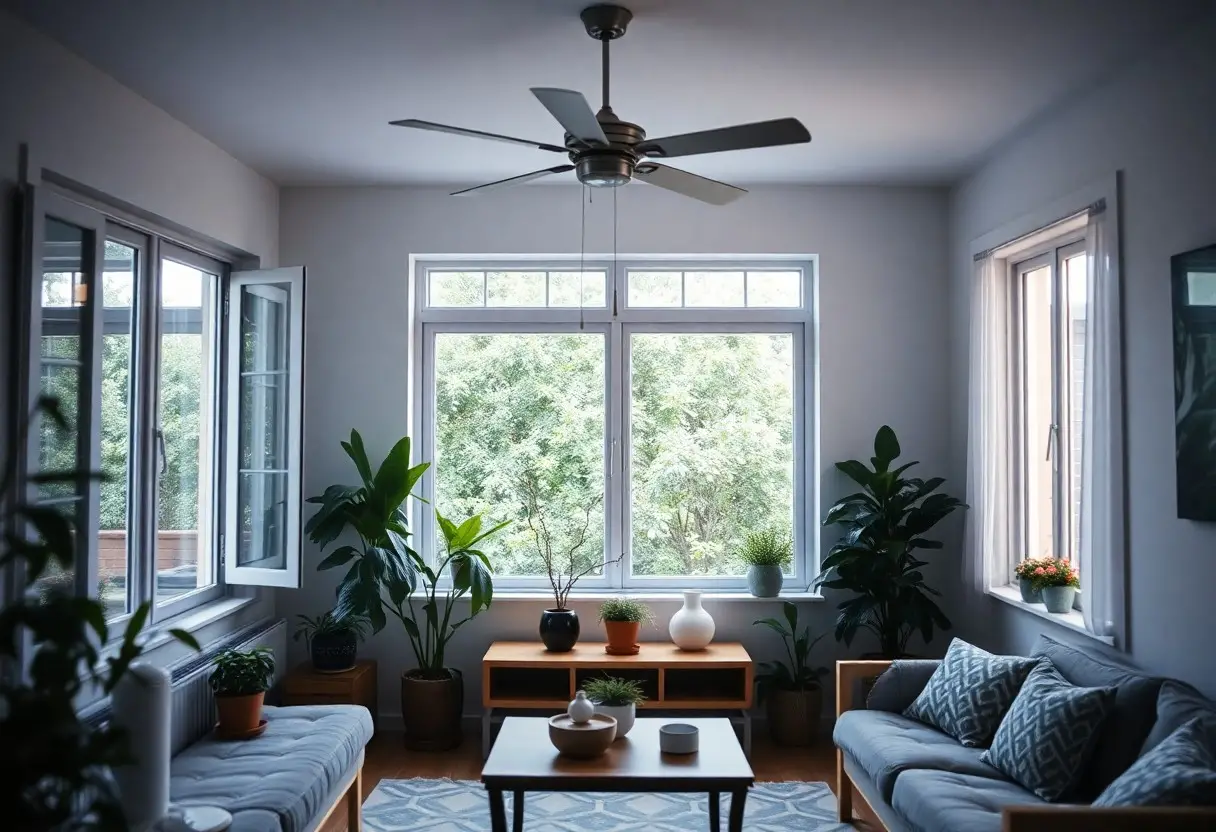
Maintenance of Ventilation Systems
Unlike other home systems, your ventilation system requires regular maintenance to function effectively and protect your indoor air quality. Neglecting it can lead to reduced airflow, increased allergens, and higher energy bills. By staying on top of maintenance tasks, you ensure cleaner air and a more comfortable living environment.
Regular Checks and Cleaning
The frequency of checks and cleaning is vital for maintaining optimal performance in your ventilation system. Inspect and clean ducts, vents, and exhaust fans at least every few months, as dust and debris can accumulate and hinder airflow. You’ll notice improved air quality and energy efficiency when you keep up with these tasks.
Choosing the Right Filters
For your ventilation system to work efficiently, selecting the right filters is necessary. Filters are designed to capture particles like dust, pollen, and pet dander, helping to keep your air clean and healthy. Different filters have varying MERV ratings, which indicate their effectiveness; higher ratings capture smaller particles but may restrict airflow, so choose one that balances filtration and airflow needs for your space.
Understanding the specific requirements of your ventilation system allows you to make informed decisions when it comes to filter selection. Consider factors such as your home’s size, the presence of pets, and any allergies among occupants. Regularly replacing filters according to manufacturer recommendations can help maintain airflow and ensure top-notch air quality throughout your home.
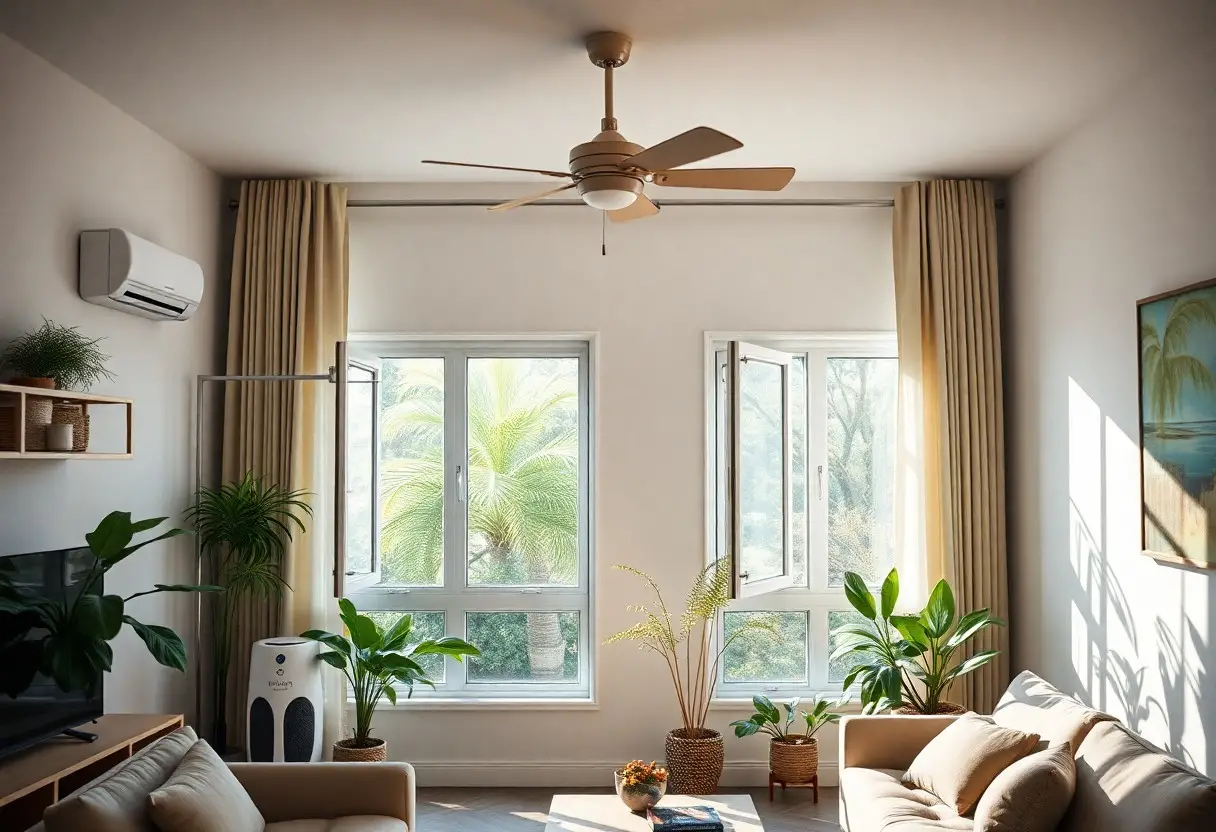
Enhancing Indoor Air Quality with Plants
Your home can become a sanctuary of clean air with the right houseplants. Not only do these natural air purifiers enhance the aesthetic of your space, but they also help remove toxins, increasing overall air quality. Incorporating a variety of plants will not only beautify your environment but also contribute to healthier living conditions for you and your family.
Best Plants for Air Purification
With a variety of options to choose from, some of the best houseplants for air purification include spider plants, peace lilies, and snake plants. These resilient plants are known for their air-filtering capabilities, making them ideal companions for healthier indoor living. By adding a few of these plants to your home, you can actively work towards improving your indoor air quality.
Placement and Care Tips
One of the key factors in maximizing the air-purifying benefits of your plants is their placement and care. Ensure that you position them in well-lit areas while also considering humidity and temperature conditions. Taking care of your plants involves regular watering and occasional fertilization to keep them healthy and thriving.
- Place plants near windows for sufficient sunlight.
- Monitor humidity levels to suit plant types.
- Water regularly but avoid overwatering.
- Dust leaves occasionally to enhance their air-purifying ability.
After understanding the placement and care tips, you can further improve the growth of your plants by rotating them occasionally to ensure even light exposure.
Quality care also plays a significant role in the success of your indoor plants. Regularly check for pests and diseases, and choose pots with good drainage to prevent root rot. Here are some additional tips to support your plant’s health:
- Choose organic soil for better nutrient retention.
- Use natural fertilizers to promote growth.
- Rotate plants occasionally for balanced sunlight exposure.
- Group plants together to increase humidity levels.
After implementing these strategies, you will likely notice healthier plants contributing to improved indoor air quality in your home.
Building Regulations and Standards
All homeowners should understand the significance of building regulations and standards when it comes to indoor air quality. These regulations are designed to ensure that your living environment remains safe and healthy. By adhering to local building codes, you not only improve ventilation but also enhance your home’s overall quality. Being informed about these guidelines will empower you to create a healthier indoor atmosphere for you and your family.
Local Codes to Consider
Standards related to indoor air quality vary by location, making it imperative to familiarize yourself with your local building codes. These codes often outline specific requirements for ventilation systems, air exchange rates, and materials used in construction to mitigate pollutants. Checking with your local authority will help you ensure compliance and maintain a healthier home environment.
Importance of Compliance
Against potential health hazards, compliance with building regulations is vital for your safety. Following these guidelines not only protects you from legal repercussions but also fosters a healthier living space. Proper ventilation standards support air circulation, minimizing the accumulation of harmful pollutants. By sticking to these regulations, you invest in both your well-being and the longevity of your home.
Building compliance helps ensure that your home not only meets safety standards but also supports healthy indoor environments. Ignoring these regulations can lead to severe consequences, including respiratory issues and other health problems due to poor air quality. By prioritizing compliance, you contribute to a sustainable living space that promotes the well-being of you and your family. Investing time in understanding and adhering to these rules can lead to a significant rise in comfort and safety within your home.
Conclusion
Ultimately, enhancing your indoor air quality is vital for your health and comfort. By ensuring proper ventilation, utilizing air purifiers, and incorporating natural elements like plants, you can significantly improve the air you breathe at home. Regularly check and maintain your HVAC system, and be mindful of the materials you bring inside. By implementing these important tips, you create a healthier living environment conducive to your well-being and peace of mind.