

Repairing or upgrading your home can significantly enhance its functionality and aesthetic appeal. You have a variety of options at your disposal, ranging from minor repairs to major renovations, all designed to improve your living space. Understanding the differences between these services will help you make informed decisions that align with your needs and budget. Whether you seek to refresh a room, address crucial repairs, or undertake a complete renovation, exploring your choices can lead to a transformed home that reflects your vision.
Transforming Spaces: The Distinction Between Remodeling and Renovation
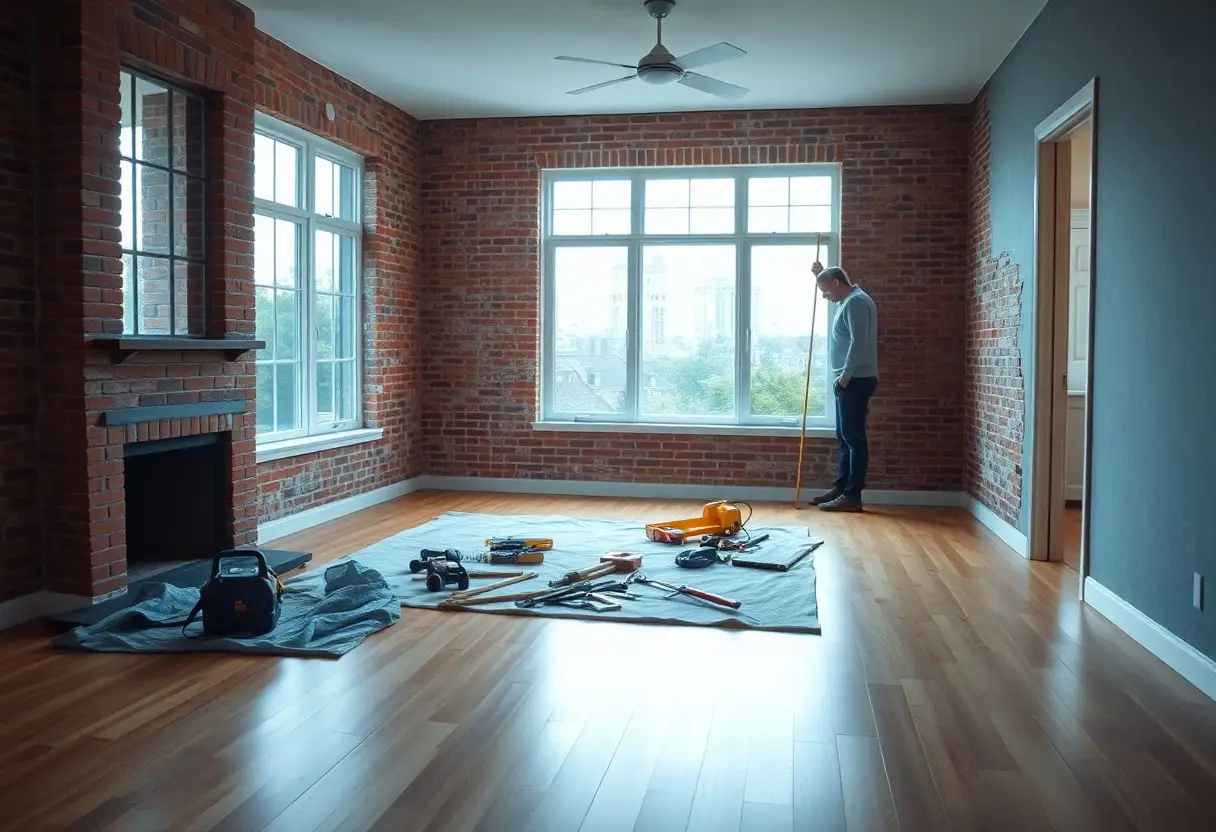
Understanding the nuances between remodeling and renovation can greatly influence your project outcomes. Remodeling typically involves altering the structure or form of a space, such as changing a room’s layout or adding new features. In contrast, renovation focuses on restoring or upgrading existing spaces to improve functionality or aesthetics without changing the overall layout. By clearly defining your goals, you can choose the most suitable approach for your needs.
Defining the Essentials: What Sets Remodeling Apart from Renovation
Remodeling transforms spaces by reconfiguring layouts or adding new elements, while renovation restores or updates existing features to enhance their condition. For instance, converting a basement into a living area exemplifies remodeling, whereas simply refinishing floors or painting walls falls under renovation. Knowing these distinctions helps you prioritize your objectives and allocate your budget effectively.
The Impact of Local Building Codes on Your Project
Local building codes significantly influence both remodeling and renovation projects, as they set forth safety standards and regulations to follow. Compliance ensures your project meets local government requirements, preventing potentially costly fines or delays. You should review these codes early in your planning process, as they can dictate aspects such as structural changes, electrical wiring, and plumbing modifications.
Adhering to local building codes protects both your investment and your safety. For example, if you’re remodeling a kitchen by moving walls or installing new appliances, checking local regulations might reveal specific requirements for electrical circuits or ventilation. Failing to comply with these codes can lead to enforced removal of unapproved work, or worse, unsafe conditions. Engaging with a knowledgeable contractor familiar with local laws can streamline your project and ensure all specifications are met. Investing time in understanding these codes ultimately leads to a smoother renovation or remodeling experience.
The Cost-Benefit Analysis: Is Remodeling Worth It?
Assessing the worth of remodeling involves weighing both tangible and intangible benefits against the costs incurred. While renovations can enhance your home’s market value and improve energy efficiency, they also come with upfront expenses that can be substantial. When considering a remodel, you should analyze potential increases in home equity, the impact on your quality of life, and resale value to determine if the investment aligns with your financial goals.
Understanding the Return on Investment in Home Improvements
Understanding the return on investment (ROI) for home improvements is vital for effective financial planning. Certain projects, like kitchen remodels or bathroom updates, typically yield higher returns, often recouping over 70% of costs upon resale. Conducting market research and comparing similar properties in your area can help you estimate the ROI you can expect from specific renovations.
Hidden Costs of Home Repair You Need to Consider
Hidden costs in home repairs can quickly erode your budget and impact overall satisfaction with renovations. Factors such as permit fees, unforeseen structural issues, and the potential need for professional inspections can add significantly to your expenses, even beyond contractor fees. You should also account for potential increases in home insurance premiums and ongoing maintenance costs that might arise after completion.
Understanding the hidden costs not only involves accounting for predictable expenses but also anticipating the unexpected. For example, a seemingly straightforward kitchen upgrade might expose outdated wiring or plumbing that requires immediate attention. If you neglect these factors, you could face delays and inflated costs, undermining the advantages of your renovation project. Always budgeting an additional 10-20% for unexpected expenses can safeguard against these financial surprises, ensuring your remodel stays within reach.

Selecting the Right Professionals: Who to Hire for Your Project
Choosing the right professionals for your remodeling project can significantly impact the final outcome. Assessing qualifications, experience, and reputation ensures you collaborate with experts who align with your vision. The right team not only delivers quality work but also navigates challenges efficiently, keeping your project on track and within budget.
General Contractors vs. Specialized Tradespeople: Making the Right Choice
Deciding between a general contractor and specialized tradespeople hinges on the complexity of your project. General contractors manage the entire process, coordinating various trades, making them ideal for comprehensive renovations. However, specialized tradespeople offer expertise in specific areas, ensuring high-quality work in tasks like plumbing or electrical systems. Choose based on your project’s scope and your preferences for management style.
Questions to Ask Before Hiring a Contractor
Before securing a contractor, asking targeted questions can clarify their capabilities and reliability. Inquire about their experience, references, licensing, and insurance. Understanding their project timelines and communication approaches ensures alignment with your expectations. Don’t hesitate to confirm the specifics of how they handle subcontractors and potential changes during the renovation process.
Delving deeper into these topics reveals important insights. Request details about past projects similar to yours, including challenges faced and solutions implemented. A reputable contractor should provide clear references and be willing to share their approach to project management. Finding someone who communicates transparently about timelines, costs, and updates fosters trust and keeps your project running smoothly.
Navigating Design Trends: A Guide to Modern Aesthetics
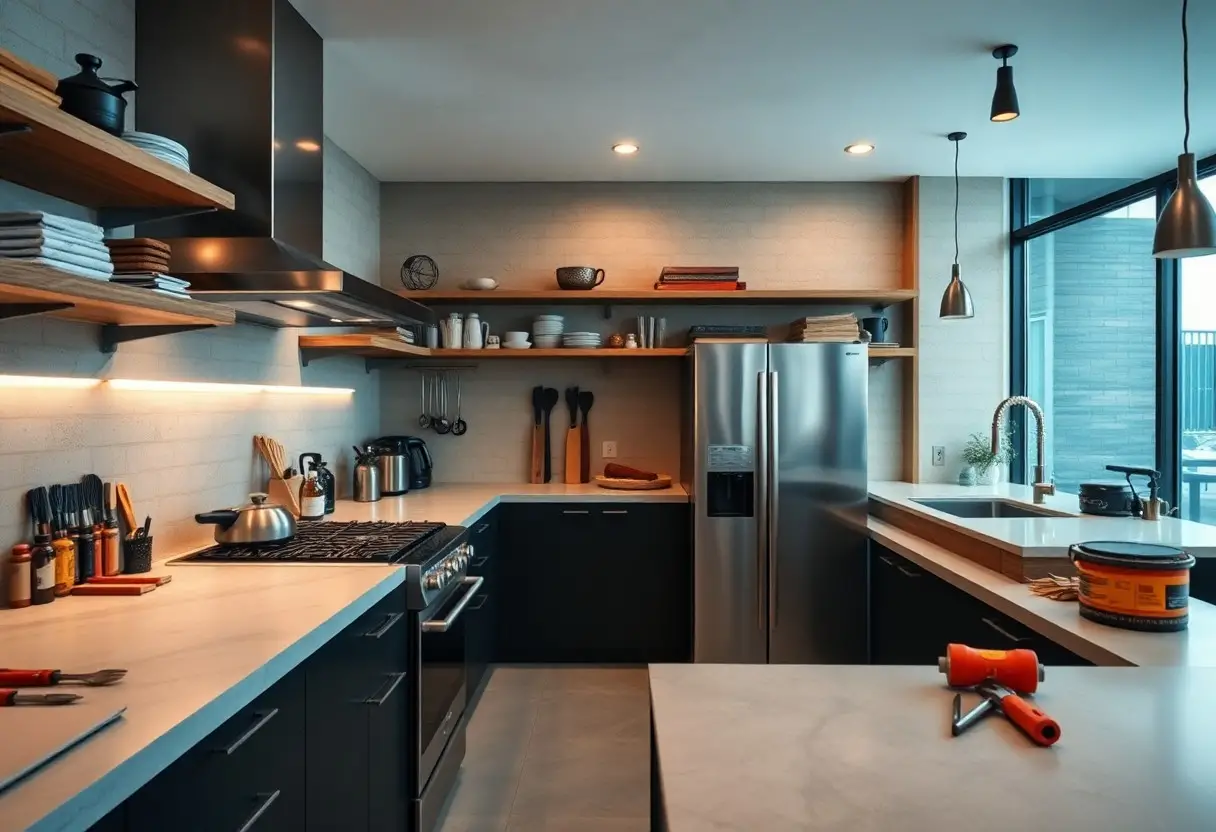
Modern aesthetics reflect a blend of minimalism, functionality, and an emphasis on natural light. Elements such as open floor plans, neutral color palettes, and bespoke features reign supreme in current design. Integration of smart technology can also enhance everyday living, making your space not only stylish but highly functional. Trends speak to timelessness rather than fleeting fads, allowing you to create enduring spaces that cater to both comfort and contemporary taste.
The Role of Sustainable Materials in Today’s Renovation Projects
In today’s renovation projects, sustainable materials play a pivotal role in reducing environmental impact. Options like reclaimed wood, bamboo flooring, and recycled metal not only minimize waste but also contribute to healthier indoor air quality. Choosing these materials can enhance the aesthetic appeal of your home while ensuring that your project aligns with eco-friendly principles. Incorporating sustainable choices reflects a commitment to both style and sustainability, making your renovation a responsible investment.
How to Balance Personal Style with Market Trends
Balancing your personal style with market trends involves a strategic approach that showcases your individuality while ensuring your choices remain appealing to potential buyers. Start by identifying key trends that resonate with you and thoughtfully integrate them into your design. Textures, colors, and layouts should reflect your unique preferences but should also keep resale value in mind. For instance, incorporating trendy accents—such as a statement light fixture or a bold backsplash—can enhance your home’s appeal without overwhelming your personal style.
Finding the right balance means selectively applying trends that harmonize with your intrinsic taste. For example, consider muted color schemes that reflect trending palettes while adding pops of personality through art or decor. Focus on classic design elements that can easily accommodate seasonal updates without requiring a complete overhaul, ensuring your space evolves as trends shift. Incorporating universally appealing features while allowing room for personal expression results in a space that feels both authentic and market-friendly.
Common Pitfalls in Repair and Renovation Projects
Many homeowners underestimate the complexities of repair and renovation projects, leading to delays and unexpected costs. These pitfalls often stem from inadequate planning and a lack of awareness about potential challenges. Recognizing common mistakes can save you time, money, and stress, ensuring your project runs smoothly from start to finish.
Underestimating Timelines and Budget Constraints
Many simply fail to allocate enough time and funds for their renovation efforts. This miscalculation frequently results in rushed decisions and incomplete work, driving up costs further. By underestimating the time required for approvals, inspections, and actual construction, you set yourself up for frustration and financial strain.
The Importance of Planning for the Unexpected
Planning for unforeseen circumstances is crucial to a successful renovation project. From sudden structural issues to unexpected weather conditions, having a contingency plan allows you to respond effectively without derailing your timeline or budget. Allocate an additional 10-20% of your overall budget for these surprises, and consider including flexible timelines that can absorb potential delays.
Summing up
Conclusively, exploring remodeling, repair, and renovation services not only enhances the aesthetic appeal of your space but also increases its functionality and value. By choosing the right professionals, you can ensure that your visions are realized with quality craftsmanship and attention to detail. Whether you’re updating a single room or undertaking a complete overhaul, investing in these services will create an environment tailored to your lifestyle and preferences, making your home a true reflection of you.