
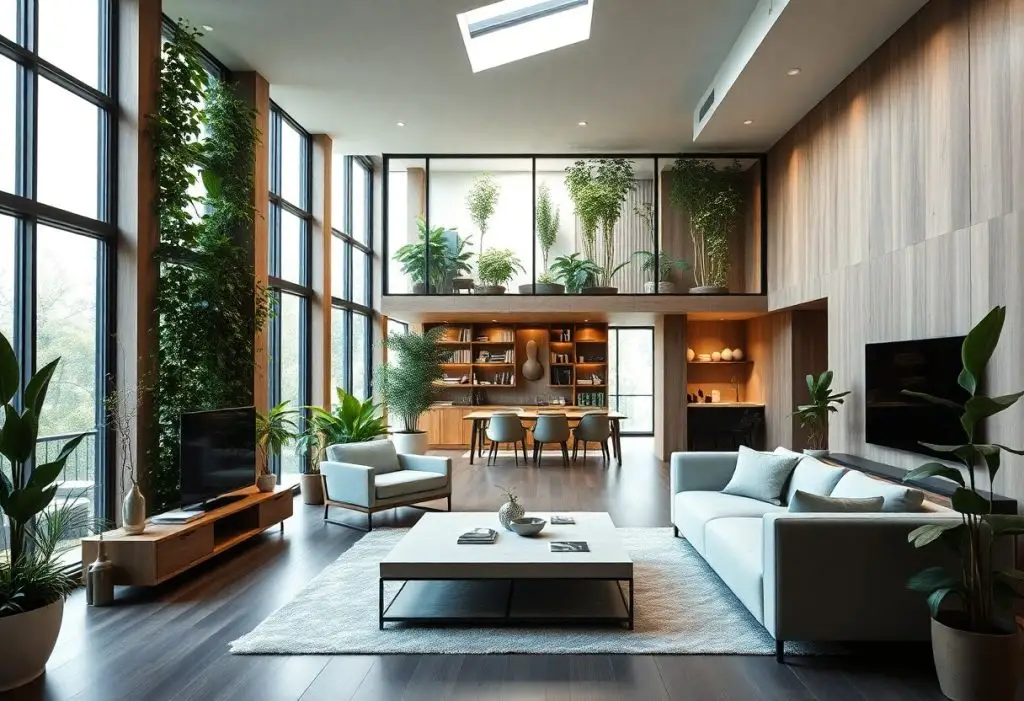
Future home improvement and design trends are set to transform your living spaces, integrating technology and sustainability in exciting ways. As you explore these evolving styles, you’ll discover how smart home innovations and eco-friendly materials can enhance both functionality and aesthetics in your home. From adaptable spaces to wellness-focused designs, these trends will empower you to create environments that reflect your lifestyle while being mindful of the planet. Embrace the forward-thinking ideas that will shape your home for years to come.
Emerging Design Trends
Today’s home improvement landscape is evolving, reflecting shifting consumer preferences and innovations that prioritize both aesthetics and functionality. Minimalist designs are giving way to personal expression, with vibrant colors, unique textures, and statement pieces becoming central to modern decor. As you explore these trends, consider how they can enhance the comfort and individuality of your living space while promoting a sense of well-being.
Sustainable Materials
Sustainability is a key focus in modern design, with homeowners increasingly opting for materials that are eco-friendly and ethically sourced. Reclaimed wood, bamboo, and recycled metal not only reduce your carbon footprint but also add character to your space. By choosing sustainable materials, you reflect your values in the places you inhabit, creating a healthier environment for you and future generations.
Smart Home Technology
Smart home technology is rapidly transforming the way you interact with your living space, offering convenience, efficiency, and enhanced security. Devices like smart thermostats, lighting systems, and security cameras can be easily integrated into your home, allowing you to control them from your smartphone or through voice commands, optimizing energy usage while adding an extra layer of protection.
As smart home technology advances, you can expect seamless integration across various platforms, making your home even more intuitive. For instance, a smart thermostat learns your schedule and adjusts temperature settings automatically, saving you up to 10-15% on energy bills annually. Voice-activated assistants can manage your entire home’s lighting and security, providing hands-free control whether you’re cooking or entertaining guests. As a result, adopting these technologies not only enhances your lifestyle but also positions your home at the forefront of modern innovation.
Color Palettes and Textures
Your home’s aesthetic experiences a transformation through the use of intentional color palettes and varied textures. Modern design leans towards harmonious combinations that evoke emotion and comfort, emphasizing natural elements and warmth. An increasing preference for colors that reflect personal tastes alongside functional materials is shaping the way spaces are designed, creating environments that are both visually appealing and inviting.
Earthy Tones
Earthy tones have surged in popularity, providing a grounding effect in interior design. Shades like terracotta, olive green, and muted browns resonate with nature, promoting a sense of serenity in your home. These colors foster a connection to the outdoors, enhancing tranquility, and can be coupled with other hues for a balanced, cohesive look.
Textured Surfaces
Textured surfaces add depth and interest to your spaces. Materials such as reclaimed wood, textured wallpaper, or stucco create visual intrigue, inviting tactile engagement. Incorporating these elements allows you to break the monotony often found in flat finishes, giving your home a rich and welcoming atmosphere.
Adding textured surfaces can dramatically alter the feel of a room. For instance, a feature wall made from reclaimed wood not only serves as an aesthetic focal point but also introduces warmth and character. Textiles such as woven rugs or fabric wall hangings can complement hard surfaces, balancing the overall design. A mix of textures encourages a layered approach to decor, showcasing your personal style while enhancing the sensory experience of your home environment.
Outdoor Living Spaces
Your outdoor living spaces have become extensions of your home, offering sanctuary and versatility. With an increased focus on maximizing these areas, homeowners are looking to create environments that complement their lifestyles. Features like cozy seating areas, fire pits, and lush landscaping can transform a backyard into a functional and inviting retreat, making the most of every square foot.
Expanding Indoor-Outdoor Flow
You’ll find that seamless transitions between indoor and outdoor spaces are increasingly popular. Large sliding glass doors and expansive windows create a harmonious connection, inviting natural light and fresh air into your home. This design approach minimizes barriers, allowing you to enjoy year-round outdoor living while maintaining comfort inside.
Outdoor Kitchens and Entertainment Areas
Outdoor kitchens and entertainment areas are rapidly gaining traction as sought-after features in home design. Equipped with grills, sinks, and even refrigerators, these spaces encourage a lifestyle centered around cooking, dining, and socializing outdoors, perfect for gatherings or family meals under the stars.
Functionality meets style in modern outdoor kitchens, which often incorporate durable materials resistant to the elements. Consider adding features like a pizza oven or a minibar to elevate your entertaining experience. Integrated seating and lighting enhance usability, transforming your backyard into a vibrant hub for gatherings. A well-designed outdoor kitchen can increase your home’s value and provide a space that merges culinary creativity with outdoor enjoyment, making it a cornerstone of your home improvement journey.
The Role of Minimalism
Minimalism has become a guiding principle in home improvement and design, emphasizing simplicity, functionality, and an uncluttered aesthetic. By stripping away excess, you focus on necessary elements that enhance both beauty and purpose within your space. This trend not only promotes visual harmony but also supports a lifestyle that values mindfulness and tranquility. As you curate your home, prioritizing quality over quantity ensures that each piece serves a meaningful role while creating an inviting atmosphere.
Decluttering for a Modern Home
Decluttering is a transformative process that breathes new life into your home. By removing non-necessary items, you create a more open and serene environment conducive to relaxation and productivity. Start by assessing each room, identifying items that no longer serve a purpose or spark joy, and allowing your living space to reflect your personal style and values. The result is a streamlined home that fosters a sense of peace and clarity.
Functional Design Elements
Emphasizing functional design elements elevates the utility of your space while adhering to minimalist principles. Each piece within your home can enhance both comfort and efficiency, from multi-purpose furniture to smart storage solutions that maximize space without sacrificing aesthetics. Integrating these elements not only leads to a more organized environment but also promotes a lifestyle where every item you own has a purpose and place.
When incorporating functional design elements, consider items that serve dual roles, such as ottomans that provide storage or foldable tables that can adapt to various needs. Smart design choices like built-in shelving, which utilizes vertical space, and modular furniture can transform the way you interact with your environment. By selecting elements that harmonize aesthetics with practicality, you create a home that functions seamlessly while remaining visually appealing, reflecting your lifestyle and enhancing your everyday experiences.
Renovation Projects on the Rise
Homeowners are increasingly investing in renovation projects, prioritizing enhancements that elevate both functionality and aesthetics. The pandemic has shifted preferences towards more personalized, comfortable spaces, leading to a surge in demand for remodels that cater to individual needs and lifestyles. This shift emphasizes not just cosmetic updates but also structural improvements, making properties more adaptable and efficient.
Kitchen and Bathroom Upgrades
Kitchen and bathroom upgrades remain at the forefront of renovation projects, driven by desires for modern amenities and improved organization. You might opt for open-concept layouts in kitchens or luxurious finishes in bathrooms, reflecting personal style while boosting property value. Energy-efficient appliances and smart technology are crucial components, enhancing usability and sustainability.
Home Office Enhancements
Home office enhancements are vital as remote work becomes a permanent fixture for many. You’ll benefit from dedicated spaces that maximize productivity, including ergonomic furniture, effective lighting, and soundproofing solutions. Integrating technology seamlessly into your workspace can streamline tasks, ensuring a professional environment at home.
Home office enhancements have evolved to cater specifically to your needs, incorporating elements like built-in storage and multi-functional furniture. According to a recent survey, 70% of remote workers feel their productivity increases in a customized workspace. By investing in these areas, you’re not only optimizing your work experience but also increasing the appeal of your home should you decide to sell in the future.
Influences of Remote Work
As remote work continues to shape daily life, your home design must adapt to support productivity and comfort. The rise of flexible work arrangements brings a need for dedicated spaces that cater to both professional and personal activities. Kitchens transform into multi-functional areas, while living rooms evolve into informal offices, blending work and leisure seamlessly.
Designing for Flexibility
Your home needs to accommodate rapid shifts between work and relaxation. Multi-purpose furniture, such as foldable desks or modular sofas, enables you to effortlessly reconfigure spaces as needed. Emphasizing open layouts allows for optimal flexibility, promoting an atmosphere that supports various activities without sacrificing style.
Creating Productive Environments
Fostering a productive atmosphere requires intentional design choices. You might consider dedicated work areas equipped with ergonomic furniture and adequate lighting. Incorporating soundproofing elements can further minimize distractions, enhancing focus. Plants and color schemes that promote creativity can also help maintain an inspiring workspace.
To create an optimal productive environment, prioritize your needs and preferences. Research indicates that workers can enhance productivity by 15-20% in spaces designed for focus. Consider incorporating elements like adjustable standing desks and task lighting to tailor your workspace. Personalization with art or photos can create a sense of ownership, while proper cable management keeps surfaces tidy. Small adjustments like these lead to significant improvements in your work-from-home experience.
Summing up
To wrap up, the future of home improvement and design trends will be shaped by your desire for sustainability, technology integration, and personalized spaces. Embracing eco-friendly materials and smart home innovations can enhance not only functionality but also your home’s aesthetic appeal. As you stay ahead of emerging trends, focusing on flexibility and comfort will ensure your living environment reflects your values and lifestyle. Staying informed and adaptable will empower you to create a home that is both stylish and meaningful for years to come.