
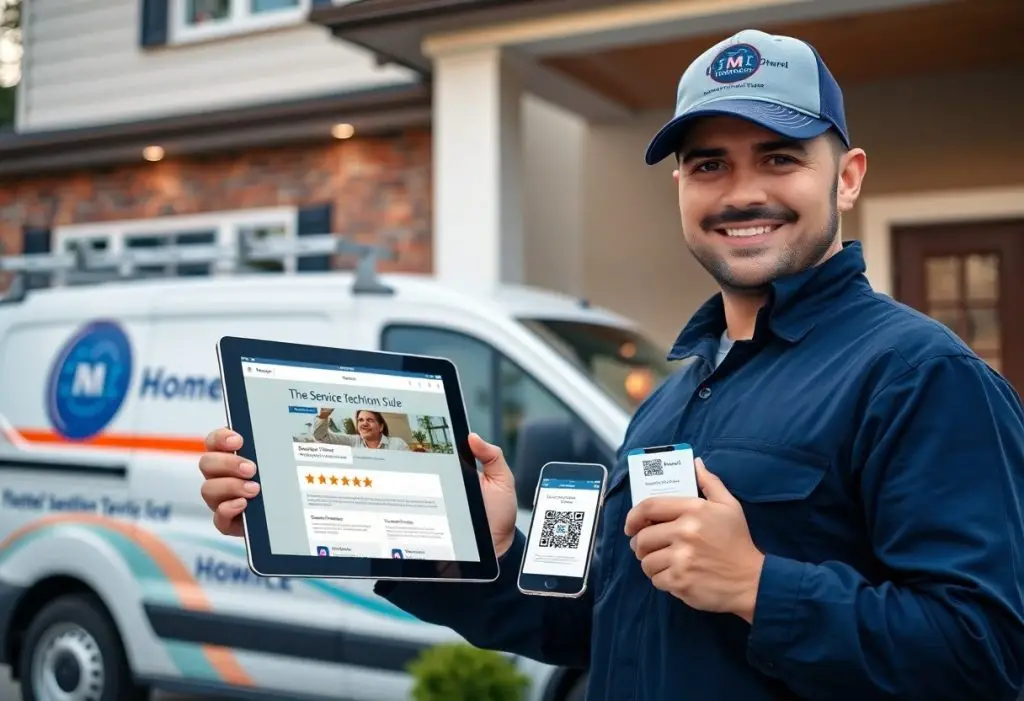
Most home service providers struggle to be found, but you can lead by building a fast, mobile-friendly website, optimizing for local search, and collecting authentic reviews that showcase your work; pair clear service pages and strong photos with targeted ads, active social proof, and regular content to establish expertise, while tracking leads and refining messaging so your brand becomes the obvious choice in your service area.
Understanding the Online Landscape
You operate in a crowded online ecosystem-search results, maps, review sites, social feeds, and paid ads-so visibility metrics matter. About 76% of people who search on a smartphone for something nearby visit a related business within a day, meaning your placement on Google Maps and organic results directly affects leads. Track impressions, clicks, map rankings, and competitor visibility weekly to spot gaps and prioritize efforts that move the needle on calls and bookings.
Importance of Online Presence
Your digital footprint is the first touchpoint for most customers: over 90% of people research businesses online before contacting one. A responsive website, optimized Google Business Profile, and proactive review management turn searches into booked jobs; for example, a mid‑sized HVAC company increased inbound calls roughly 40% after cleaning up listings and adding service photos. Make contact info, service pages, and booking options impossible to miss to convert traffic into appointments.
Key Digital Trends
Mobile-first experiences, local SEO, and reputation signals are driving discovery and conversion. Voice and conversational search shift keywords toward question and location phrases, while chat widgets and instant booking shorten the path from click to appointment. Paid local ads-Search and Local Services Ads-deliver high‑intent leads when paired with a strong organic presence and well-maintained reviews.
Dive into specific tactics: complete your Google Business Profile (accurate categories, services, photos, weekly posts), add LocalBusiness schema to service pages, and install an online booking widget to cut friction-one plumbing firm boosted same‑week bookings about 30% after adding instant scheduling and collecting 25 reviews. Also optimize for sub‑3‑second mobile load times and prioritize short, service‑plus‑location keywords for both organic and paid campaigns.
Building a Strong Brand Identity
Establish a consistent brand system – logo, tone, color palette – so customers recognize your trucks, website, and invoices across touchpoints; consistent branding can boost revenue by about 23%. Keep your service promise visible in reviews, estimate templates, and follow-up emails, then track changes with a quarterly NPS or recall survey to prove the impact on local awareness.
Crafting a Unique Value Proposition
Pinpoint the one benefit that matters most to your customers-faster response, longer warranty, or fully vetted technicians-and state it in a single sentence. For example, “Same-day HVAC repairs with a 2-year parts warranty” tells customers what you do, when, and the guarantee; A/B test three variants in ads and measure conversion lift to pick the most effective message.
Visual Branding Elements
Design a scalable logo, a primary HEX color plus two accents, and two web-safe fonts, because color can improve brand recognition by up to 80%; choose high-contrast palettes and a legible typeface at 16px body size so your site and invoices remain readable. Deliver assets as SVG for scaling and PNG for photography overlays so your branding looks sharp on vans, uniforms, and social profiles.
Create a one-page brand kit containing HEX/RGB values, font files, logo usage rules, photo style, and three template examples (social post, invoice header, vehicle wrap). Use a shared Figma or Drive folder to enforce consistency, audit assets quarterly, and apply a 4.5:1 contrast ratio for text to keep materials accessible and professional.
Optimizing Your Website for Visibility
Make your site fast, secure, and crawlable: target loads under 3 seconds-Google found over half of mobile visitors abandon pages slower than 3 seconds-use HTTPS, compress images, enable GZIP/Brotli, and lazy-load media. Keep a clean URL structure, XML sitemap and robots.txt, add LocalBusiness schema, and ensure consistent NAP across listings. Create dedicated service + city pages (like “AC repair Denver”) and link them from clear navigation so crawlers and customers find you.
SEO Best Practices
Do focused keyword research for service + city long-tail phrases and use them in your title tags (50-60 chars), meta descriptions (150-160 chars), H1s and URL slugs. Publish high-quality pages (500-1,500 words) with local examples, before/after photos, and FAQs. Use structured data (LocalBusiness, Service), internal linking from blog posts to service pages, and claim your Google Business Profile-keep hours, photos, and weekly posts updated. You should encourage 5-10 reviews on each location to build trust and improve click-throughs.
Mobile Optimization
Since Google switched to mobile-first indexing, you must prioritize responsive design and mobile UX: over half of web traffic now comes from mobile devices. Make tap targets at least 48px, avoid intrusive interstitials, use simplified menus, and implement click-to-call and one-tap booking buttons. Test navigation and forms on 4-6 device sizes, and keep critical content above the fold so users find service info and pricing fast.
Measure and fix Core Web Vitals: aim for LCP <2.5s, CLS <0.1 and FID <100ms by compressing images (WebP), enabling text compression, deferring noncritical JavaScript, and using a CDN and preconnect for third-party resources. Run Google PageSpeed Insights and Lighthouse, inspect Search Console’s Mobile Usability report, and prioritize server response time-reducing Time to First Byte under 200 ms will help you meet thresholds. Also simplify forms, provide large tap targets and a persistent click-to-call so mobile visitors convert quickly.
Leveraging Social Media Platforms
Use social platforms to amplify local visibility: target ads to a 10-25 mile radius, post 2-4 times weekly, and prioritize short video (10-30 seconds) which often yields the highest engagement. You should test $5-15/day boosted posts for neighborhood targeting and track cost-per-lead; many small providers see measurable lead increases within 8-12 weeks when pairing organic posts with one monthly paid campaign.
Choosing the Right Channels
Match channels to your audience: Facebook and Nextdoor work well for homeowners and local referrals, LinkedIn fits commercial clients and property managers, Instagram highlights visual trades like roofing and landscaping, and TikTok/Reels reaches younger homeowners with viral before/after clips. Post cadence matters-aim for 2-3 Facebook posts, 3 Instagram posts/stories, and 1-2 short videos per week on TikTok or Reels to maintain reach.
Engaging Content Strategies
Focus content on problem/solution formats: publish time-lapse repairs, 15-30 second before/after Reels, step-by-step maintenance clips, and 60-90 second customer testimonials. Use clear CTAs (‘book estimate,’ ‘message for quote’), local hashtags, and captions that list pricing ranges or service windows you offer. A/B test thumbnails and CTAs; small firms often report 20-40% higher inquiry rates from consistent video plus testimonial mixes.
For an executable plan, post: one 60-90 second how-to per week, two 15-30 second Reels showing before/after, one customer testimonial or case study, and one tip graphic; use 5-10 local and service-specific hashtags and geo-tag every post. Boost the top-performing post monthly with $30-75 to expand reach; track leads, cost-per-lead, and conversion rate to judge your ROI and iterate every 4-6 weeks.
Utilizing Online Reviews and Testimonials
Importance of Customer Feedback
You should treat reviews as marketing and market research: about 80% of consumers use online reviews to judge local services, so featuring 4+ star testimonials can lift trust immediately. Ask satisfied customers for specific details-before/after photos, timelines, cost ranges-and publish short quotes on service pages. For example, a local HVAC company that collected 50 targeted reviews saw a 25% rise in inbound calls within three months.
Managing Your Online Reputation
You must monitor platforms like Google Business Profile, Yelp, Facebook, and industry sites daily, and respond to negative reviews within 24-48 hours with a solution-oriented message. Use schema markup and a testimonial widget to surface top reviews in search results, aim for a 4.5+ average rating, and funnel new feedback via SMS or email links immediately after service to improve response rates.
Set up alerts with tools such as Google Alerts, Podium, or Birdeye to catch mentions and track sentiment over time, and train technicians to request reviews on-site-target 5-10 review requests per week. Test incentives carefully (follow platform rules), A/B your review-request language, and embed high-impact case studies (photos, scope, ROI) on landing pages; one roofing firm increased conversion rates by ~30% after adding a star-rating snippet and two concise client stories to its homepage.
Implementing Effective Advertising Strategies
Combine search, social, and local channels while tracking everything with UTM tags and call-tracking numbers. Set clear KPIs-cost per lead, conversion rate, and lifetime value-and aim to keep CPL within $50-$200 depending on service complexity. Use A/B tests for creatives and landing pages, run weekly budget reallocations based on CPA, and pause keywords or audiences that exceed targets. Prioritize attribution so you know which touchpoints drive booked jobs and can scale the highest-ROI campaigns.
Pay-Per-Click Advertising
Focus on high-intent keywords like “emergency HVAC repair near me” and use match types plus negative keywords to cut waste. You should bid with Target CPA or Maximize Conversions, add call and location extensions, and use Google Local Services Ads where eligible for higher trust. Track phone calls and form submissions as conversions; typical search campaigns for home services convert around 3-6%, so optimize your keywords and landing pages to raise that rate.
Social Media Ads
You should run Meta and Instagram ads for visual before-and-after work, and use Nextdoor or TikTok to reach neighborhood audiences; target by zip radius, homeownership, and recent movers. Offer a free estimate in lead-form ads to lower friction. Expect CPCs that vary by market-often $0.50-$3-and plan to test 3-4 creatives for 1-2 weeks before scaling winners.
Layer audiences by combining 1-5 mile geo-targets with lookalikes from your customer list and web visitors, and set frequency caps to avoid ad fatigue. For creatives, test 15-30 second videos, carousel before/after galleries, and short testimonial clips; run 3-5 ad variations per ad set and evaluate for 7-14 days. Implement retargeting for site visitors and lead-form abandoners-retargeted audiences often convert 2-3x better than cold traffic, so allocate 20-40% of budget to them.
Summing up
Summing up, to stand out online you must present a professional brand, maintain a fast mobile-friendly website optimized for local search, collect and showcase genuine reviews, use targeted ads and local listings, create useful content that answers client needs, and streamline booking and communication so prospective customers choose you over competitors.