
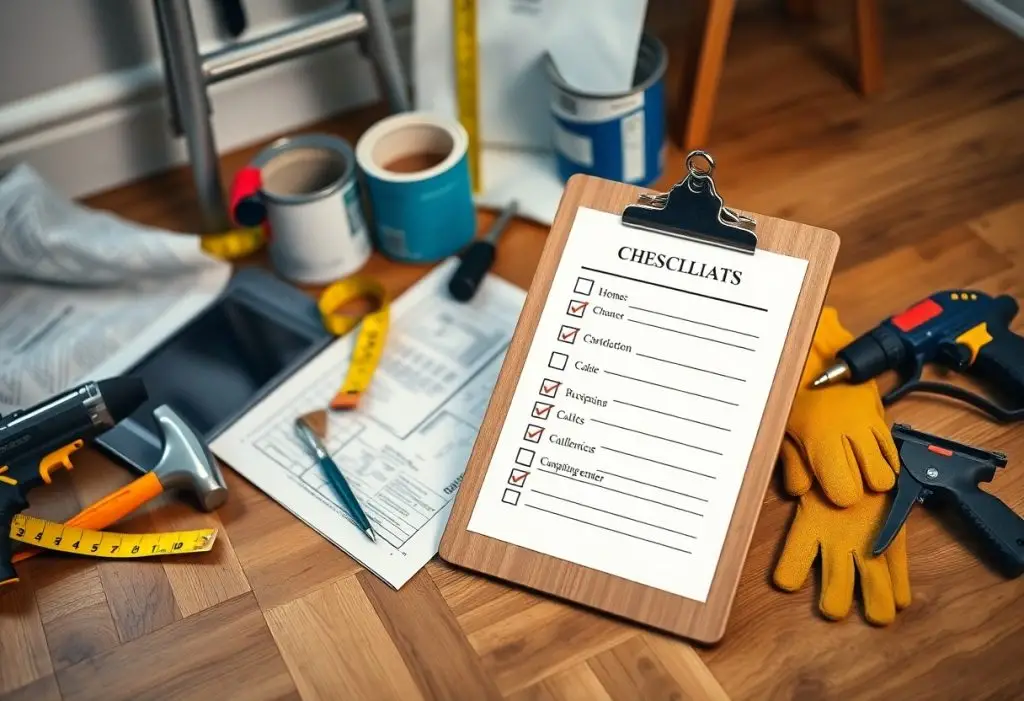
Checklist guides you through tasks so you can prioritize structural repairs, mitigate electrical and fire hazards, and realize energy and value gains with clear, authoritative steps you can follow now.
Key Takeaways:
- Comprehensive room-by-room tasks with seasonal maintenance and safety checks.
- Prioritized list separates urgent safety repairs from cosmetic updates to plan budget and timeline.
- Checklist includes cost estimates and tools required for common DIY projects and when to call a professional.
- Maintenance schedule recommends annual, seasonal, and monthly tasks to prevent larger repairs.
- Documentation section tracks permits, warranties, receipts, and contractor contacts for future resale value.
Exterior Envelope and Curb Appeal
Exterior: Keep paint, trim, windows and doors sealed and tidy to boost curb appeal and prevent water intrusion and pest entry.
Roofing and Gutter Integrity
Inspect shingles, flashing and gutters twice yearly so you catch missing shingles, blocked downspouts or hidden leaks before they trigger structural damage.
Siding Maintenance and Landscaping Upkeep
Keep siding clean, caulking intact and plantings trimmed away from walls to reduce moisture buildup and pest access while preserving curb appeal.
Maintain a routine of washing, inspecting for soft spots or loose boards, and replacing damaged caulk so you address rot or mold quickly and avoid costly structural repairs. Trim shrubs at least a foot from siding, ensure soil grades away from your foundation, and use splash guards or gravel to stop repeated wetting that attracts pests and causes water damage.
Essential Interior Systems
Check your interior systems regularly to avoid failures; prioritize leaks, exposed wiring, and poor ventilation to protect safety and prevent costly repairs.
HVAC Performance and Air Quality Management
Assess your HVAC monthly: change filters, check airflow and duct leaks, and test carbon monoxide detectors to maintain comfort and reduce health risks.
Plumbing and Electrical Safety Audits
Inspect plumbing and electrical systems for drips, corrosion, tripped breakers, and exposed wiring or active leaks that increase risk of fire or water damage.
When you perform audits, check the water meter for hidden flow, feel electrical panels for heat, run fixtures to spot slow drains, label circuits, and test GFCIs. You should shut off the main water and power before repairs and call a licensed pro for gas smells, persistent leaks, or sparking outlets to prevent escalation and protect occupants.
Kitchen and Bathroom Modernization
Kitchens and bathrooms are prime areas to modernize; you should prioritize energy-efficient fixtures, durable surfaces, proper ventilation to prevent water damage and mold, and upgrades that increase home value.
Fixture and Cabinetry Refinement
You can refresh cabinets with new doors, hardware, and soft-close hinges, or refinish surfaces to extend life; test older finishes for lead before sanding and replace worn mechanisms to avoid failure.
Flooring and Surface Restoration
Updating your floors and countertops with waterproof, low-maintenance materials reduces long-term costs; you should choose slip-resistant options and schedule repairs promptly to prevent mold and structural rot.
Consider inspecting subfloors for sagging, stains, or soft spots you can’t see; use a waterproof underlayment under tile or LVP, seal grout, and select materials rated for wet areas. You should weigh tile’s longevity against LVP’s warmth and easier repairs, and hire a pro if you detect subfloor rot or persistent moisture.

Energy Efficiency and Insulation
You can cut heating and cooling costs by sealing gaps, upgrading insulation, and tracking usage. Focus on air leaks and correct attic R-values to reduce drafts, prevent moisture problems, and lower bills.
Air Sealing and Attic Insulation
Sealing attic penetrations and adding insulation stops major heat loss; patch leaks around vents, chimneys, and recessed lights. Addressing gaps protects against mold and ice dams while improving comfort and cutting energy waste.
Smart Home Technology Integration
Integrating smart thermostats, sensors, and zoned controls gives you precise comfort and energy savings; secure devices with strong passwords and updates to avoid privacy breaches.
Consider starting with a smart thermostat and door/window sensors, then add lighting and plug controls to track usage and unlock energy savings. Protect your system by placing devices on a separate Wi‑Fi network, enabling two‑factor authentication, and keeping firmware current. Hire a licensed electrician or HVAC pro for hardwired upgrades to avoid fire or carbon monoxide risks and preserve warranties.
Safety and Structural Security
Check your roof, foundation, load-bearing walls and attic for roof leaks, foundation cracks or sagging that could signal structural damage; schedule professional inspections and prioritize repairs to keep your family safe.
Fire and Carbon Monoxide Detection
Install interconnected smoke alarms and carbon monoxide detectors on every level and near bedrooms, test them monthly, and replace batteries annually or per manufacturer to reduce risk of undetected deadly gases and fires.
Entry Point and Perimeter Reinforcement
Secure exterior doors and windows with grade-1 deadbolts, reinforced strike plates, and hinge pins; use shatter-resistant film or laminated glass and add motion-activated lighting to deter break-ins.
Inspect sliding doors and garage entrances for weak points: you should install anti-lift devices, secure garage door emergency releases, add reinforced door frames, and position security cameras and timers to cover blind spots; combining physical barriers with visible deterrents lowers your home’s break-in risk.
Seasonal Preventative Care
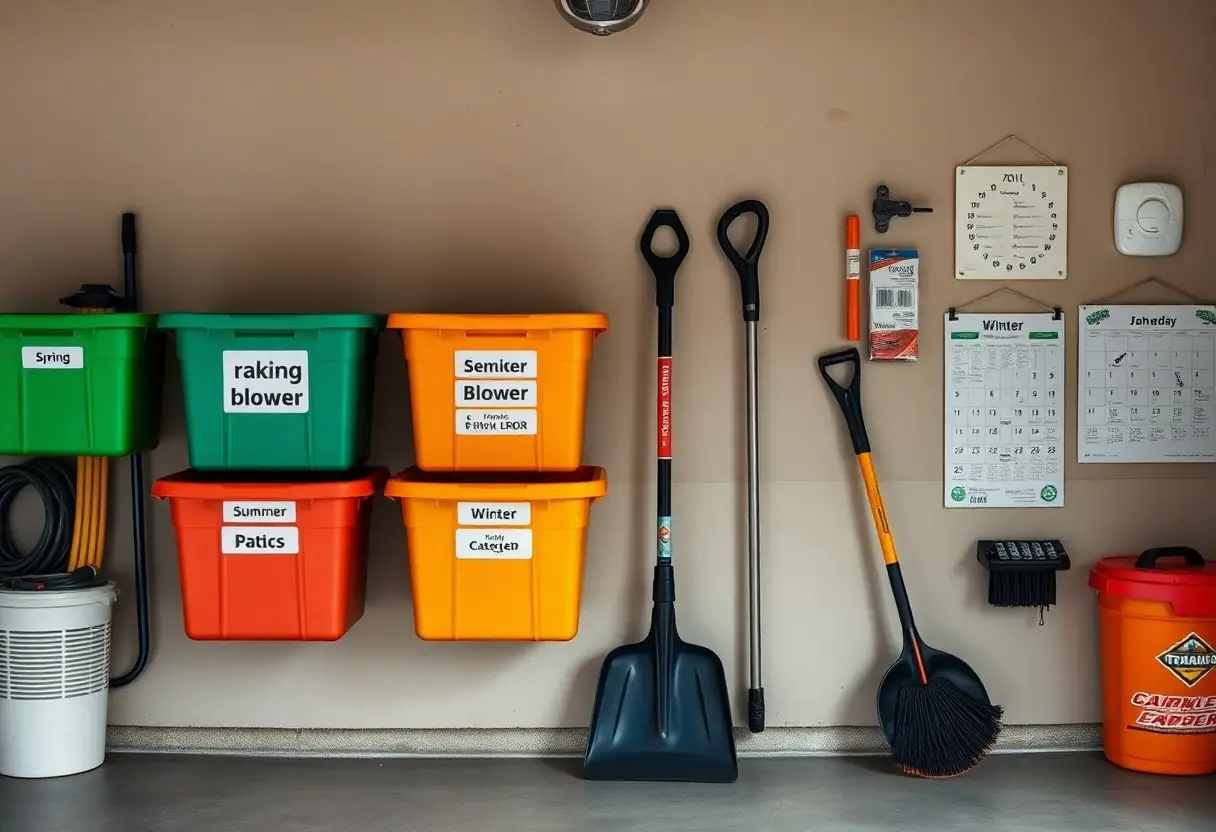
You should schedule seasonal checkups to catch small issues early: inspect roof and gutters, test HVAC, and replace smoke and CO detector batteries. Regular maintenance prevents costly repairs and keeps your home safe.
Spring and Summer Preparation
Inspect exterior paint, decks, and irrigation; service the AC, clean vents, and test window screens. Also clear gutters and trim trees to reduce storm damage and pest entry.
Fall and Winter Weatherization
Prepare interior and exterior by sealing gaps, insulating pipes, and checking the furnace. Have professionals inspect chimneys and protect exposed pipes from freezing to avoid burst pipes and heat loss.
Seal drafty doors and windows with weatherstripping and caulk, add attic insulation, and service your heating system. Keep a snow shovel and generator ready, and test carbon monoxide and smoke detectors after winter work to protect occupants from hidden hazards.
Summing up
Conclusively, you should use this checklist to inspect, maintain, and prioritize repairs across systems and surfaces, schedule seasonal tasks, and plan upgrades that protect value and reduce costs, ensuring your home stays safe, efficient, and comfortable year-round.

FAQ
Q: How should I prioritize items on “The Ultimate Home Improvement Checklist For Every Homeowner” to get the most safety and value?
A: Start by addressing health, safety, and structural issues such as active roof leaks, foundation cracks, mold, and exposed electrical hazards. Next inspect major systems-heating, cooling, plumbing, and electrical-based on age, performance, and visible problems, then schedule necessary servicing or repairs. Then focus on the building envelope: siding, windows, doors, and insulation to prevent water intrusion and reduce energy bills. After systems and envelope, sequence interior and cosmetic work like kitchens, bathrooms, and flooring. Use a simple scoring method: rate each item for safety (0-5), estimated cost (0-5 with 5 highest), and return on investment or comfort (0-5), then prioritize items with high safety scores and strong ROI that fit your budget. Create a 12- and 36-month plan with estimated budgets and season windows, and set aside a 10-20% contingency for unexpected issues.
Q: What seasonal maintenance tasks should every homeowner include on the checklist?
A: Spring: Inspect roof and gutters, clear debris from downspouts, service the air-conditioning system, check the basement and crawlspaces for moisture, and test the sump pump. Summer: Service or clean the AC condenser, inspect exterior paint and trim, clean decks and remove mildew, trim trees away from the house, and check attic ventilation. Fall: Clean gutters and downspouts, inspect and service the heating system, check chimney and flue where applicable, winterize exterior faucets, and replace worn weatherstripping. Winter: Protect pipes from freezing, monitor for ice dams and roof weight, test smoke and carbon monoxide detectors monthly, and clear snow from vents and pathways as needed. Add quick monthly checks to the routine: test alarms, run water in seldom-used fixtures, and visually inspect visible plumbing for leaks.
Q: When is a project suitable for DIY versus hiring a professional, and how do I estimate costs and handle permits?
A: Electrical work, major plumbing, structural framing, and gas-line work should be handled by licensed professionals due to code and safety requirements; secure permits before work begins. Cosmetic projects such as painting, simple tiling, cabinet refacing, and many flooring installs are often suitable for experienced DIYers. For larger projects get at least three detailed bids from contractors and compare scope, materials, timelines, and warranties rather than price alone. Estimate costs by breaking the job into labor, materials, permits, and disposal, then add a 10-20% buffer for unexpected expenses. Check your local building department or municipal website for permit requirements, keep permits and receipts for resale and insurance, and require contractors to provide proof of insurance, licenses, references, and lien waivers before final payment.