
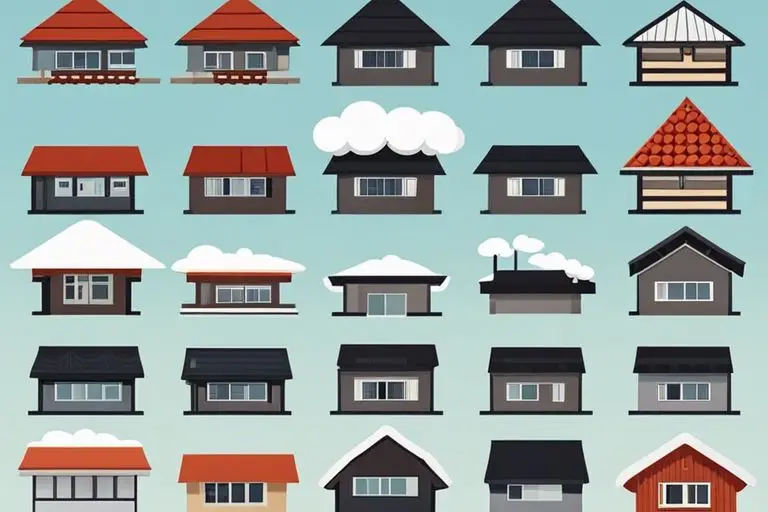
You may not think about your roof often, but it plays a crucial role in protecting your home from the elements. The lifespan of a roof can vary depending on various factors, but on average, a well-maintained roof can last between 20 to 30 years. However, weather conditions, material quality, installation, and maintenance all play a significant role in determining how long your roof will last. Regular inspections and repairs can help extend the lifespan of your roof, while neglect can lead to costly leaks and damage. Understanding the lifespan of your roof can help you plan ahead and ensure your home remains safe and secure for years to come.
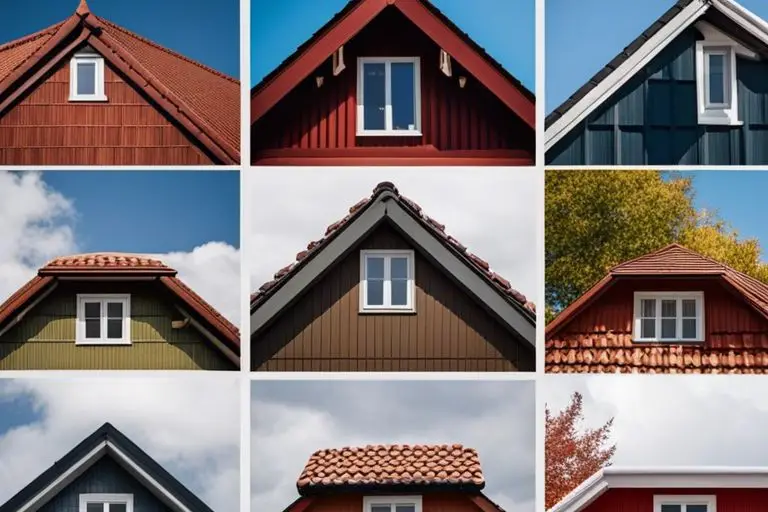
Key Takeaways:
- Roof lifespan: The lifespan of a roof varies depending on the materials used. Asphalt shingles typically last 15-30 years, while metal roofs can last 40-70 years.
- Maintenance is key: Regular inspections and repairs can extend the lifespan of your roof. Keep an eye out for signs of damage such as leaks, missing shingles, or sagging areas.
- Climate impact: Extreme weather conditions can affect the longevity of your roof. Harsh sunlight, heavy rainfall, snow, and strong winds can all contribute to wear and tear.
- Quality of installation: A roof that is properly installed by experienced professionals is more likely to last longer. Poor installation can result in premature damage and deterioration.
- Regular cleaning: Keeping your roof clean and free of debris can prevent issues such as algae growth, moss buildup, and water damage. Regular cleaning can help prolong the life of your roof.
- Consider roof replacement: If your roof is approaching the end of its lifespan or showing signs of extensive damage, it may be time to consider roof replacement. Investing in a new roof can provide long-term protection for your home.
- Consult a roofing expert: If you have questions about the lifespan of your roof or concerns about its condition, it’s best to consult a professional roofing contractor. They can assess the state of your roof and recommend the best course of action.
Types of Roofing Materials and Their Lifespan
If you are considering a new roof for your home, it’s crucial to understand the various types of roofing materials available and their respective lifespans. Different materials offer different levels of durability and longevity, so it’s crucial to choose one that suits your needs and budget. To help you make an informed decision, let’s explore the most common roofing materials and how long you can expect them to last.
| Roofing Material | Lifespan |
| Asphalt Shingles | 15-30 years |
| Metal Roofing | 50+ years |
| Tile Roofing | 50+ years |
| Wood Shingles and Shakes | 20-40 years |
| Slate Roofing | 100+ years |
For more detailed information about the lifespan of various roofing materials, you can refer to How Long Do Roofs Last? (2024).
Asphalt Shingles
Shingles are a popular choice for many homeowners due to their affordability and ease of installation. They typically last between 15 to 30 years, making them a practical option for those looking for a balance between cost and longevity.
Metal Roofing
Materials like asphalt offer excellent durability, with lifespans exceeding 50 years in most cases. Metal roofs are also highly resistant to harsh weather conditions, making them a smart choice for homeowners looking for long-term protection.
Tile Roofing
Their beautiful appearance and exceptional longevity make tile roofs a sought-after option for many homeowners. With a lifespan of 50+ years, tiles can withstand the test of time while adding a touch of elegance to your home.
Wood Shingles and Shakes
Their natural aesthetic appeal and decent lifespan of 20 to 40 years make wood shingles and shakes a popular choice for those seeking a rustic look for their homes. However, regular maintenance is crucial to ensure their longevity.
Slate Roofing
One of the most durable roofing materials available, slate roofs can last 100+ years with proper care. Plus, their natural beauty and fire-resistant properties make them an excellent investment for homeowners looking for a timeless and reliable option.
Maintenance and Its Impact on Roof Longevity
Regular Inspections
Regular roof inspections are crucial for maintaining the longevity of your roof. By identifying and addressing issues early on, you can prevent small problems from escalating into costly repairs or even premature roof replacement. Inspections should be conducted at least twice a year, ideally in the spring and fall, to catch any damage caused by harsh weather conditions.
Preventive Measures
On top of regular inspections, taking preventive measures can significantly extend the lifespan of your roof. Simple tasks such as keeping gutters clean, trimming overhanging branches, and checking for signs of damage can go a long way in preventing leaks and other issues. Ensuring proper attic ventilation and insulation can also help regulate temperature fluctuations that can weaken the roof over time.
It’s imperative to address any minor issues promptly to prevent them from worsening and causing more extensive damage. By investing in routine maintenance and addressing problems early on, you can dramatically increase the longevity of your roof.
Repair and Replacement Strategies
Regular maintenance not only involves inspections and preventive measures but also includes timely repairs and replacement when necessary. Whether it’s fixing a small leak or replacing damaged shingles, addressing issues promptly can prevent further deterioration of the roof’s structure and integrity. When repairs are no longer feasible, opting for timely replacement is crucial to avoid risking the safety and security of your home.
Replacement of a roof is a significant investment, but it’s imperative to prioritize safety and structural integrity. The cost of ignoring necessary repairs or postponing replacement can be far greater in the long run, both in terms of finances and the well-being of your home.
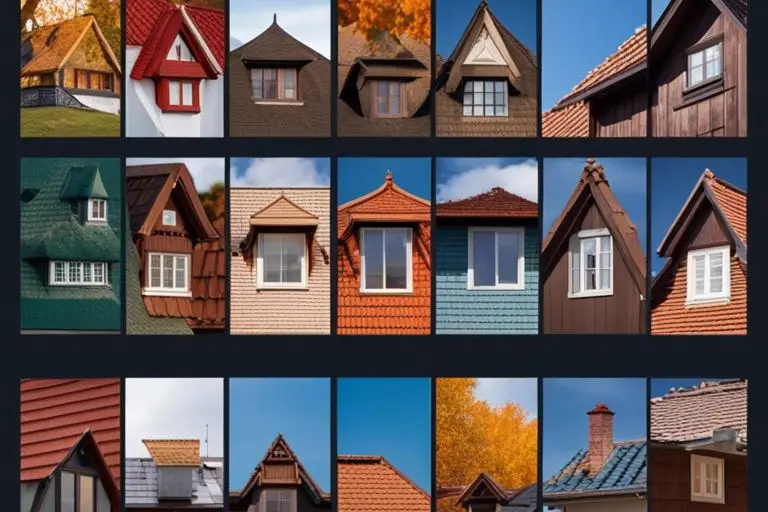
Environmental and Climatic Considerations
All How Long Do Roofs Last? Plus How to Prolong Its Lifespan roofs are subject to the elements, and environmental and climatic factors play a significant role in determining their lifespan.
Impact of Weather Conditions
With roofs constantly exposed to the elements, weather conditions such as heavy rain, snow, hail, strong winds, and extreme temperatures can take a toll on your roof over time. These elements can lead to deteriorating shingles, water damage, mold growth, and even structural issues if not addressed promptly.
Regional Variations in Roof Lifespan
The longevity of a roof can also be influenced by regional climate patterns. The intense UV rays in sunny regions can cause shingles to break down faster, while heavy snowfall in colder regions can contribute to ice dams and water damage. Coastal areas may experience quicker deterioration due to salt exposure, and areas prone to hurricanes or tornadoes require roofs built to withstand high winds.

Future of Roofing
Not How Long Do Roofs Last In Florida? –The future of roofing is exciting as advancements in technology and materials continue to push the boundaries of what is possible in terms of durability, sustainability, and performance.
Advances in Roofing Materials
With innovative materials like solar shingles, cool roofs, and impact-resistant tiles, the lifespan of roofs is expected to increase significantly. These materials not only offer enhanced protection against harsh weather conditions but also contribute to energy efficiency and cost savings in the long run.
Sustainable and Eco-Friendly Options
With a growing emphasis on sustainability and environmental impact, the roofing industry is shifting towards more sustainable and eco-friendly options. Green roofs, reflective coatings, and recycled materials are becoming popular choices for homeowners looking to reduce their carbon footprint and minimize their impact on the planet.
A sustainable roof not only reduces energy consumption but also helps in mitigating urban heat island effect, stormwater runoff, and air pollution. By choosing environmentally friendly roofing options, homeowners can make a positive impact on the environment while enjoying the benefits of a long-lasting and durable roof.
Conclusion
Upon reflecting on the various factors that influence the lifespan of a roof, it is clear that regular maintenance and quality materials are crucial in ensuring its longevity. While the average lifespan of a roof may vary depending on the material used, environmental conditions, and maintenance practices, investing in a high-quality roof and staying proactive with upkeep can significantly extend its life span. By being vigilant and addressing any issues promptly, homeowners can maximize the longevity of their roof and protect their investment in their property.
FAQ
Q: How long does a roof last?
A: A roof’s lifespan depends on various factors, including the type of material used, installation quality, weather conditions, and maintenance. Generally, asphalt shingle roofs last 20-30 years, metal roofs can last 40-70 years, tile roofs 50-100 years, and slate roofs over 100 years.
Q: What factors can affect the lifespan of a roof?
A: Several factors can impact how long a roof lasts, such as the quality of installation, regular maintenance, weather conditions (extreme heat, cold, or storms), the type of material used, and the roof’s pitch and orientation.
Q: How can I extend the lifespan of my roof?
A: To prolong the life of your roof, it’s necessary to conduct regular inspections, address any issues promptly, keep gutters clean, trim overhanging branches, ensure proper attic ventilation, and have professional maintenance done periodically.
Q: When should I replace my roof?
A: You should consider replacing your roof if it is approaching the end of its expected lifespan, shows signs of extensive damage (such as leaks, missing shingles, or rot), or if you notice increased energy bills or interior water damage.
Q: What are some common signs that indicate a roof needs replacement?
A: Some common signs that your roof may need to be replaced include missing, curling, or cracked shingles, water stains on ceilings or walls, algae growth, moss buildup, sagging areas, and excessive granule loss in gutters.
Q: What are the benefits of installing a new roof?
A: Installing a new roof can improve your home’s energy efficiency, increase its resale value, enhance its curb appeal, provide better protection against weather elements, prevent potential water damage, and offer peace of mind for years to come.
Q: Is it possible to extend the life of an older roof?
A: Yes, it is possible to extend the life of an older roof through regular maintenance, prompt repairs, addressing any issues promptly, improving attic ventilation, and applying protective coatings or sealants when appropriate.