
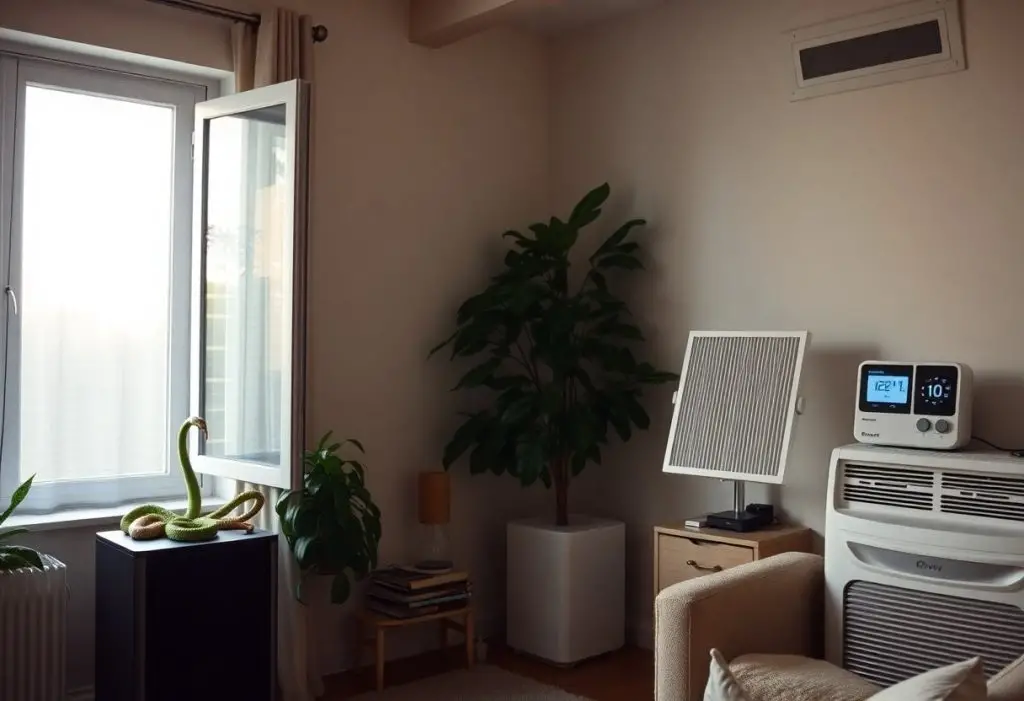
Many homes harbor unseen pollutants that affect your health and comfort. You can reduce allergens, chemicals, and airborne particles by making simple, effective changes. From upgrading ventilation to choosing the right indoor plants, you have practical tools at your disposal. This guide shows you the most proven methods to breathe cleaner, healthier air every day.
The Open Window
You already know fresh air helps clear indoor pollutants. Opening a window creates natural ventilation, letting stale air escape and cleaner air enter. You don’t need to leave it wide open-just a few inches can make a measurable difference in air quality. Make it a habit to open windows when weather permits, especially during and after cooking or cleaning.
The Green Filter
You can turn your home into a natural air purifier with the right houseplants. Certain varieties like spider plants, peace lilies, and snake plants absorb common indoor pollutants such as benzene and formaldehyde. NASA research confirms their ability to improve air quality when used alongside regular ventilation. Just be sure to keep them well-maintained-dusty leaves reduce their filtering efficiency.
The Clean Room
You can transform any space into a clean room by minimizing clutter, which traps dust and allergens. Choose hard-surface flooring and washable fabrics to reduce particle buildup. Regularly wipe down surfaces with a damp cloth and use a vacuum with a HEPA filter. Keep doors and windows closed during high pollen times to prevent outdoor pollutants from entering.
The Machine
Your air purifier works quietly but powerfully to remove pollutants from your home’s atmosphere. Choose a model with a true HEPA filter to capture dust, pollen, pet dander, and even some bacteria. Place it in high-traffic areas or bedrooms where you spend the most time. Run it consistently, especially during allergy season or when outdoor air quality is poor. Replace filters as recommended to keep performance strong.
Dry Air
You likely notice dry air most during colder months when heating systems run constantly. This dryness can irritate your skin, eyes, and respiratory tract. Using a humidifier helps maintain ideal humidity levels between 30% and 50%. Be sure to clean your humidifier regularly to prevent mold and bacteria from spreading into the air you breathe.
The Bad Smells
You often overlook bad odors as simple nuisances, but they can signal deeper air quality issues. Lingering smells from cooking, pets, or moisture may point to trapped pollutants or mold growth. Instead of masking them with sprays, find and remove the source. Clean ducts, wash fabrics, and fix leaks to stop odors at their origin.
To wrap up
Upon reflecting on the best ways to improve indoor air quality at home, you recognize that simple, consistent actions make the greatest difference. You control pollutants by ventilating rooms, using air purifiers, reducing clutter, and maintaining clean HVAC systems. Your choices directly shape the air you breathe, and prioritizing these steps ensures a healthier living environment for you and your household.