
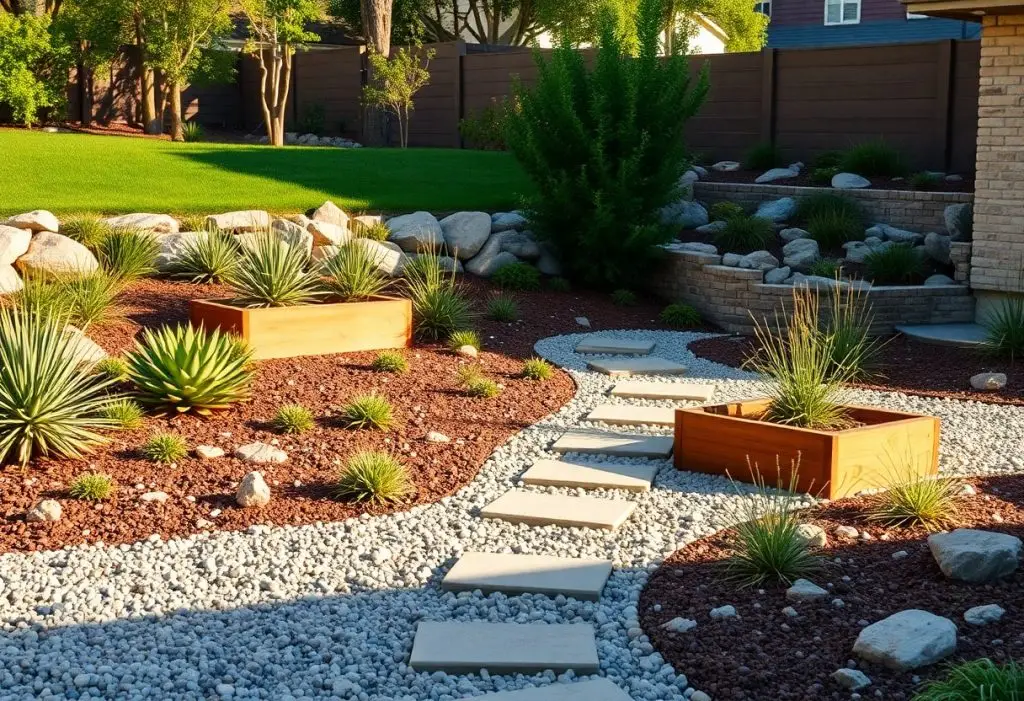
There’s no need to spend hours each week tending to your yard. You can create a beautiful outdoor space that looks great in every season with minimal effort. By choosing the right plants, materials, and layout, you maintain appeal without constant upkeep. This guide shows you practical, proven strategies that save time and still deliver lasting curb appeal.
The Choice of Native Growth
Choosing native plants transforms your yard into a resilient, self-sustaining space. These species evolved to thrive in your region’s climate, needing little watering or care once established. You’ll spend less time managing pests and more time enjoying your garden’s natural rhythm.
Selecting Local Species
You simplify care by matching plants to your area’s natural conditions. Local species resist regional pests and endure seasonal shifts without extra help. They root deeply, hold soil, and support pollinators-all while asking almost nothing in return.
The Strength of Wild Grasses
You gain durability and texture by including wild grasses in your design. These plants withstand drought, require minimal mowing, and add movement to your yard with every breeze. Their deep roots also improve soil health over time.
Wild grasses do more than survive-they stabilize. They grow densely enough to block weeds and protect soil from erosion, even in harsh weather. Once settled, they need no fertilizer or irrigation, making them one of the smartest, longest-lasting choices for low-effort beauty.
The Utility of Stone and Gravel
Stone and gravel offer lasting beauty with minimal upkeep, making them ideal for year-round appeal. You’ll spend less time mowing or watering and more time enjoying your outdoor space. These materials resist erosion, suppress weeds, and adapt easily to changing seasons without fading or breaking down.
Defining Pathways with Rock
Rock-lined pathways give structure to your yard while reducing the need for edging or lawn trimming. You can arrange stones or pour gravel between stepping stones for a clean, natural look. They stay in place through rain and frost, keeping your walkways safe and attractive with little effort.
Dry Creek Beds for Drainage
Dry creek beds guide rainwater away from foundations while adding visual interest. You can fill them with smooth stones or river rock to mimic a natural stream. They require no irrigation and prevent erosion, making them a smart, low-maintenance solution for sloped or wet areas.
Designing a dry creek bed involves shaping a shallow trench along the path water naturally flows during storms. Line it with landscape fabric, then add layers of stone from large boulders to small pebbles. This setup slows runoff, reduces pooling, and blends seamlessly into your yard’s existing style-all without demanding seasonal upkeep.
The Application of Mulch
You’ll find mulch to be one of the simplest ways to keep your yard looking tidy with minimal effort. It suppresses weeds, regulates soil temperature, and reduces the need for frequent watering. A well-applied layer enhances curb appeal while protecting plant roots through seasonal shifts.
Pine Bark and Cedar Chips
Pine bark and cedar chips offer long-lasting coverage that breaks down slowly over time. Their natural oils help resist rot and deter pests, making them smart choices for beds around shrubs or trees. These materials also add a clean, uniform look with little need for replacement.
Moisture Retention Techniques
Layering mulch two to three inches deep helps lock in soil moisture, especially during hot months. This practice means you’ll water less often while still keeping plants hydrated. Proper spacing around plant bases prevents rot and ensures airflow.
Using organic mulch in combination with drip irrigation or soaker hoses maximizes water efficiency. The mulch minimizes evaporation, while targeted watering delivers moisture directly to the root zone. Over time, the decomposing material also enriches the soil, reducing the need for added fertilizers and supporting healthier plant growth with less hands-on care.
The Efficient Water Strategy
Smart watering habits save time and keep your yard healthy with minimal effort. You don’t need to water every day-deep, infrequent soaks encourage stronger roots and reduce dependency on constant irrigation. Choosing the right system and schedule makes all the difference in maintaining a lush look year-round.
Installing Drip Irrigation
Drip irrigation delivers water directly to plant roots, minimizing waste from evaporation or runoff. You’ll use less water while keeping soil moisture consistent. Set it up with a timer and forget daily chores-this system works quietly beneath mulch, doing the job efficiently.
Timing the Morning Soak
Watering in the early morning reduces evaporation and helps plants absorb moisture before the day heats up. You’ll notice fewer fungal issues and healthier growth when the foliage has time to dry naturally. It’s a simple shift that boosts results.
Running your irrigation between 5 a.m. and 7 a.m. aligns with natural dew cycles, making it the most effective window. Cooler temperatures mean more water reaches the roots where it’s needed. You avoid wind interference and midday sun loss, ensuring every drop counts without inviting disease through wet leaves overnight.
Summing up
Conclusively, you can maintain an attractive yard all year with minimal effort by choosing drought-tolerant plants, using mulch to reduce weeds, and incorporating hardscaping elements like stone or gravel. These strategies save time and resources while keeping your outdoor space neat and functional in every season.