
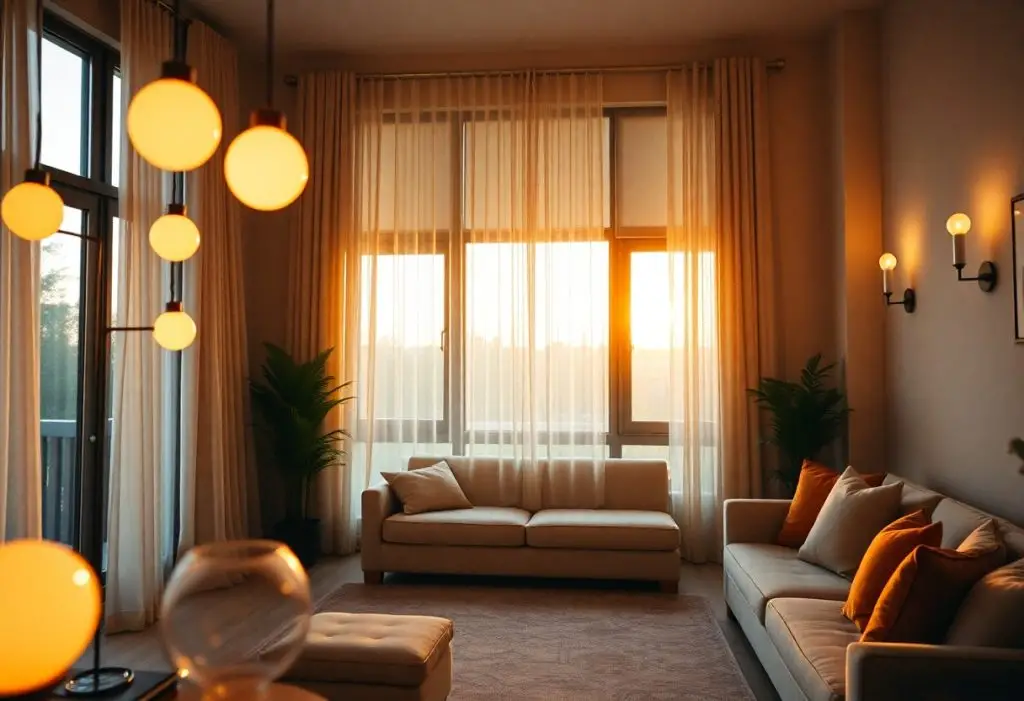
Tips to enhance the lighting in your home can transform your space and elevate your mood. By understanding the different types of lighting—ambient, task, and accent—you can create a balanced and inviting atmosphere. Selecting the right fixtures and bulbs, adjusting placement, and incorporating layers of light will not only make your home brighter but also highlight its best features. With these effective strategies, you can significantly improve your living environment while showcasing your personal style.
Understanding the Importance of Lighting
Effective lighting transforms spaces, influencing not just visibility but also aesthetics and ambiance. By leveraging the right lighting techniques, you can highlight architectural features, draw attention to décor, or create cozy retreats. Proper lighting layers enhance your environment, making it more functional and visually appealing while also promoting energy efficiency.
How Lighting Affects Mood
Your mood can significantly shift based on the type of lighting in a room. Bright, cool-toned lights energize and stimulate alertness, making them ideal for workspaces. In contrast, warm, softer lighting creates a relaxing atmosphere perfect for unwinding. Choosing the right lighting for specific activities reinforces emotional well-being and productivity throughout your home.
The Role of Natural Light
Natural light offers numerous benefits, enhancing your home’s atmosphere while promoting health and well-being. Exposure to sunlight increases serotonin levels, improving mood and reducing feelings of anxiety. Strategically positioning mirrors or using sheer curtains can maximize natural light, allowing rooms to feel more expansive and inviting.
Natural light not only uplifts your mood but also decreases reliance on artificial lighting, leading to energy savings. For instance, studies have shown that spaces with ample natural light can reduce energy costs by up to 40%. Incorporating large windows, skylights, or light tubes can flood your space with sunlight, while strategic landscaping ensures your home benefits from maximum light exposure. This approach not only creates a vibrant living environment but also nurtures a connection with the changing seasons outdoors, enhancing your overall living experience.
Types of Lighting for Your Home
- Ambient Lighting
- Task Lighting
- Accent Lighting
| Type | Description |
|---|---|
| Ambient Lighting | General illumination for the entire space. |
| Task Lighting | Focused lighting for specific activities. |
| Accent Lighting | Highlighting artwork or architectural features. |
| Decorative Lighting | Enhances aesthetic appeal. |
| Natural Lighting | Utilizes sunlight to brighten up spaces. |
Ambient Lighting
Ambient lighting offers the foundational illumination needed to fill your entire room. It typically comes from ceiling-mounted fixtures, wall sconces, or even floor lamps. Choose warm bulbs for a cozy feel, ensuring light spreads evenly without harsh shadows, creating a welcoming environment in your home.
Task Lighting
Task lighting provides directed illumination for specific activities, such as reading, cooking, or working. This type can come from desk lamps, under-cabinet lights in the kitchen, or adjustable sconces by a seating area, ensuring you have ample visibility for tasks.
For optimal functionality, place task lighting strategically where activities occur. For instance, position a task lamp at your desk to reduce eye strain or install under-cabinet lighting to ensure your kitchen prep area is well-lit. Select fixtures with adjustable brightness to customize lighting based on the task at hand, enhancing productivity and comfort.
Accent Lighting
Accent lighting adds depth and interest by illuminating specific features or areas of your home. This may include spotlighting artwork, highlighting architectural details, or creating dramatic effects in a dark corner. Use strategically placed fixtures to draw the eye and create focal points throughout your space.
Incorporating accent lighting can dramatically alter a room’s atmosphere. Utilizing adjustable spotlights or wall-mounted fixtures allows you to showcase your favorite paintings or sculptures, turning them into conversation pieces. Adding dimmers enhances versatility, enabling you to switch between bright, bold highlights and soft, subtle ambiance to suit different occasions.
Choosing the Right Fixtures
Your choice of lighting fixtures impacts both style and functionality in your home. Consider the size of your space, as oversized fixtures can dominate a small room while too small fixtures may get lost in larger areas. Select designs that complement your décor, whether it’s modern, traditional, or eclectic. Layering various light sources—like chandeliers, sconces, and floor lamps—ensures even illumination and adds depth to your interiors. Thoughtfully chosen fixtures not only enhance visibility but also become key focal points that elevate your home’s aesthetic.
Styles and Designs
Selecting the right style and design for your fixtures can dramatically influence your home’s ambiance. From sleek, modern lines to vintage-inspired shapes, your fixtures should align with your personal taste and the overall theme of your décor. Mixing materials, such as industrial metals with soft fabrics, creates visual interest. Consider statement pieces like oversized chandeliers or unique pendant lights that can serve as conversation starters, while subtle fixtures maintain a minimalist aesthetic, allowing other design elements to shine.
Energy Efficiency
Layering Light for Depth
Layering light in your home creates depth and dimension, ensuring each area is illuminated effectively and beautifully. Combining ambient, task, and accent lighting allows you to enhance functionality while establishing a warm, inviting atmosphere. This multi-layered approach enables you to highlight architectural features, create visual interest, and adapt your space for various activities.
Combining Different Lighting Types
Using a mix of lighting types is important for a well-rounded design. Ambient lighting provides general illumination, task lighting focuses on specific areas needed for activities, and accent lighting highlights features or artwork. Together, these create a harmonious balance.
- Choose warm LED bulbs for comfort.
- Install dimmers for adjustable ambience.
- Use pendant lights over dining areas for focus.
- Incorporate floor lamps in living rooms to enhance coziness.
- After layering, test the arrangement to ensure flow and efficiency.
| Type of Lighting | Purpose |
| Ambient | General illumination for the entire space |
| Task | Focused light for specific tasks like reading |
| Accent | Highlighting artwork or architectural features |
| Natural | Maximizing sunlight for warmth and energy |
Creating Focal Points
Strategically placed lighting can draw attention to focal points within your home, like artwork or architectural elements. Use accent lighting in the form of spotlights or wall sconces to illuminate these features, enhancing the overall aesthetic. This approach not only beautifies your space but also adds character, making every room feel purposeful.
Consider placing a sculptural pendant light above a dining table, or spotlighting a gallery wall with art pieces. This not only creates a visual center but also encourages conversation and invites guests to explore. Utilizing different heights and styles of lighting fixtures further creates interest, making each focal point more pronounced and inviting. Ultimately, well-placed lighting can transform ordinary spaces into extraordinary showcases, enriching your home’s personality.
Tips for Specific Rooms
Tailoring your lighting to specific rooms enhances both functionality and mood. Consider the activities that take place in each space, and adjust the lighting accordingly. Here are some targeted tips:
- Use layered lighting in the living room for versatility.
- Install pendant lights above the kitchen island for focused task lighting.
- In dining areas, choose dimmable options to set the right ambiance.
- Utilize bedside lamps in the bedroom for soft, relaxing illumination.
This approach allows you to create a well-lit home suitable for every occasion.
Living Room Lighting
Layer your living room lighting with ambient, task, and accent options to achieve a balanced atmosphere. A central chandelier can provide overall light, while floor lamps or table lamps can illuminate reading areas. Accent lighting, such as wall sconces and spotlights highlighting artwork, adds personality and depth to your space.
Kitchen and Dining Areas
Bright, focused lighting is crucial in kitchen and dining spaces to enhance functionality and food preparation. Consider recessed lighting or LED strips under cabinets to ensure even illumination on surfaces. Dining areas benefit from statement fixtures like chandeliers, which can be dimmed to create a welcoming atmosphere during meals.
Fixtures over kitchen islands should be both stylish and practical. Pendant lights not only enhance aesthetics but also focus light where it’s needed most. Supplement with under-cabinet lighting to bring clarity to countertops and cooking areas. You might choose warmer tones in dining spaces to encourage relaxation during meals.
Bedroom Lighting
Your bedroom should encourage relaxation and comfort, with lighting that reflects this mood. Opt for soft, warm lights that can be adjusted for brightness. Bedside lamps should provide adequate light for reading without being harsh. Consider adding dimmers and different light sources, like floor lamps or wall lights, to create the perfect setting for winding down.
Using layered lighting in the bedroom can make a significant difference. Consider overhead fixtures for general illumination and bedside lamps for softer light. Incorporating a touch of accent lighting—like backlit artwork—can also enhance the tranquil atmosphere you desire. Warm color temperatures and adjustable options will help cultivate a serene environment for sleep and relaxation.
Maintenance and Bulb Choices
Maintaining your lighting fixtures and selecting the right bulbs can significantly enhance the ambiance of your home while ensuring longevity and efficiency. Regular upkeep not only keeps your fixtures looking pristine but also maximizes their performance. Choosing energy-efficient bulbs, such as LEDs, can save you money on your energy bills and provide better light quality over time. Understanding the lifespan and specific uses of different bulbs will help you create the ideal lighting environment in your spaces.
Selecting the Right Bulbs
Select the ideal bulbs for your home by considering factors such as brightness, color temperature, and energy efficiency. Look for bulbs with a high Color Rendering Index (CRI) for better color representation. LED bulbs are preferred due to their low energy consumption and extended lifespan, with some lasting up to 25,000 hours. For softer, more inviting light, opt for warm white bulbs, while brighter spaces like kitchens may benefit from daylight bulbs for clarity.
Caring for Your Fixtures
Regular cleaning and maintenance of your fixtures can prolong their life and enhance their luminosity. Dust and grime can accumulate, significantly diminishing light output and the overall aesthetics of your lighting. Use a soft cloth and mild cleaning solution to gently wipe down fixtures, taking care to avoid harsh chemicals that can damage finishes. Periodically check for loose connections or burnt-out bulbs to ensure optimal performance and safety in your home.
For more intricate fixtures, consider how often dust and debris might settle indoors. Simple techniques like vacuuming around fixtures and using a microfiber cloth can prevent buildup. Depending on the design, some may require more delicate handling, especially glass or crystal components. Taking the time to check the wiring and electrical connections is vital. Remember to turn off the power before attempting any maintenance to ensure your safety during the process.
Final Words
Conclusively, incorporating strategic lighting techniques can significantly enhance your home’s aesthetic appeal and functionality. By choosing the right light fixtures, layering your lighting, and utilizing natural light, you can create inviting spaces that reflect your personal style. Consider the mood you wish to set in each area and adjust accordingly, whether you want warmth in your living room or brightness in your kitchen. These tips not only improve visibility but also contribute to a welcoming atmosphere that you and your guests will enjoy.