
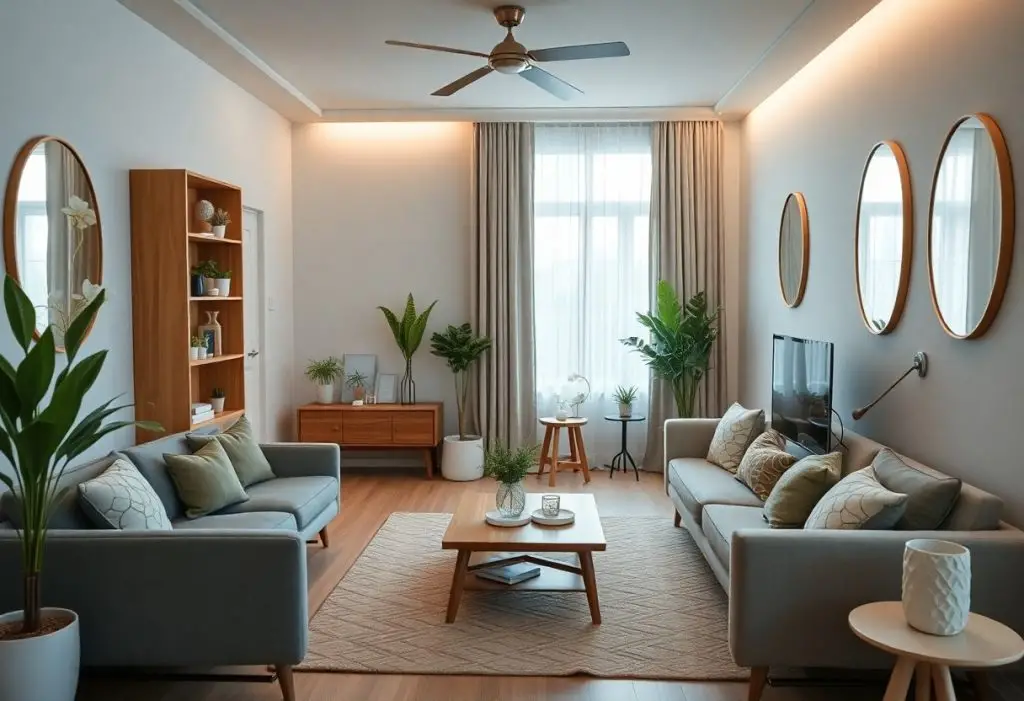
With the right strategies, you can transform your small living space into an inviting and functional haven. In this post, you’ll discover practical interior design hacks tailored for maximizing every inch of your environment. Whether you’re dealing with a compact apartment or a cozy studio, these tips will help you create the illusion of space, enhance organization, and reflect your personal style. Say goodbye to clutter and hello to a beautifully designed home that feels spacious and comfortable.
Understanding Small Space Challenges
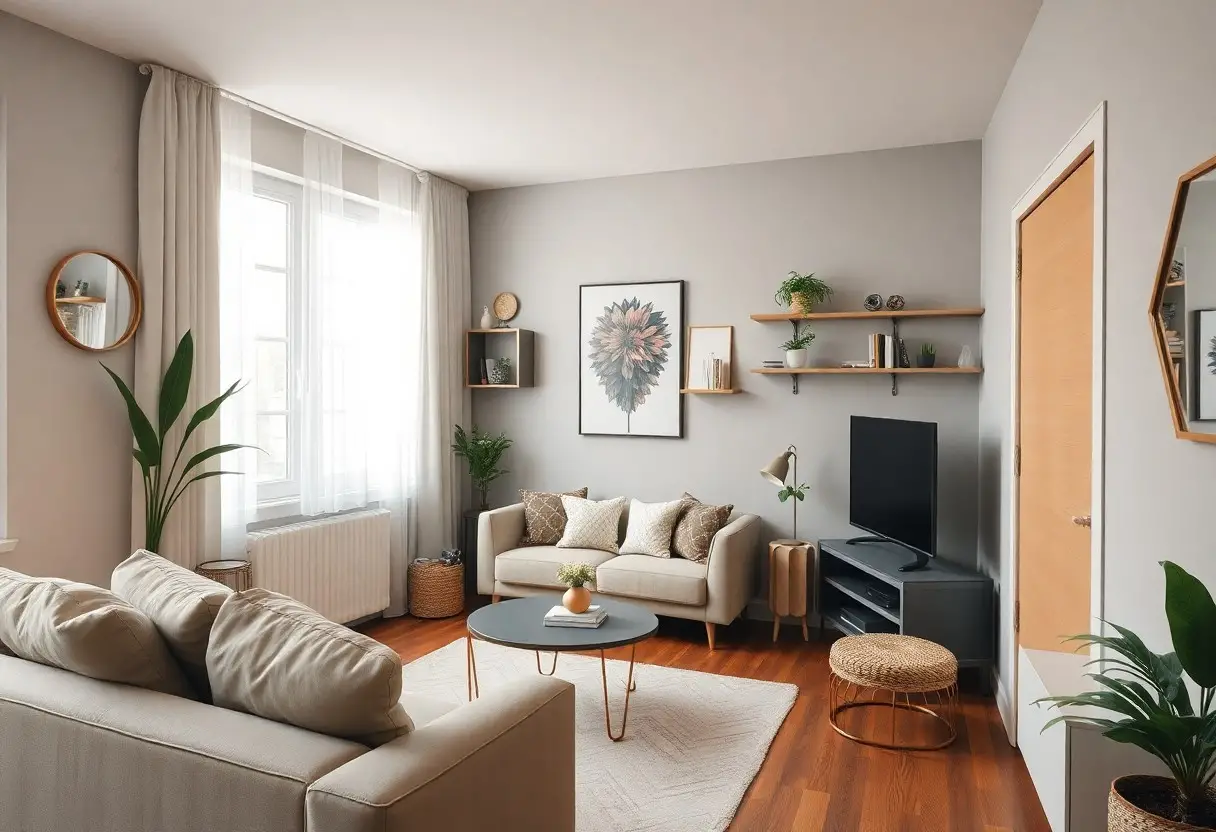
Your journey into maximizing small spaces begins with a clear understanding of the inherent challenges. Limited square footage can lead to feelings of confinement and restrict functionality. However, by recognizing these obstacles, you can craft an environment that is both practical and visually appealing. By employing specific design strategies, you’ll transform your space into an oasis that feels open and inviting.
Common Limitations
Above all, common limitations such as minimal storage options, awkward layouts, and insufficient natural light pose significant challenges in small spaces. Often, the layout can feel disjointed, making it difficult to create distinct functional areas. Moreover, a lack of storage can lead to clutter and disorganization, which can further diminish your space’s appeal.
Psychological Impact of Small Spaces
Below the physical constraints, the psychological impact of small spaces can be profound. Living in a confined environment may evoke feelings of anxiety and stress, particularly if the space feels crowded or chaotic. This emotional response can detract from your overall well-being, making it imperative to design thoughtfully.
Also, the psychological aspect of small spaces can influence your mood and daily routines. A cluttered and cramped environment can lead to heightened stress levels and decreased productivity. Conversely, when you optimize your small area with functional design elements and aesthetic appeal, you cultivate a serene atmosphere that promotes relaxation and enhances your quality of life.
Essential Design Principles
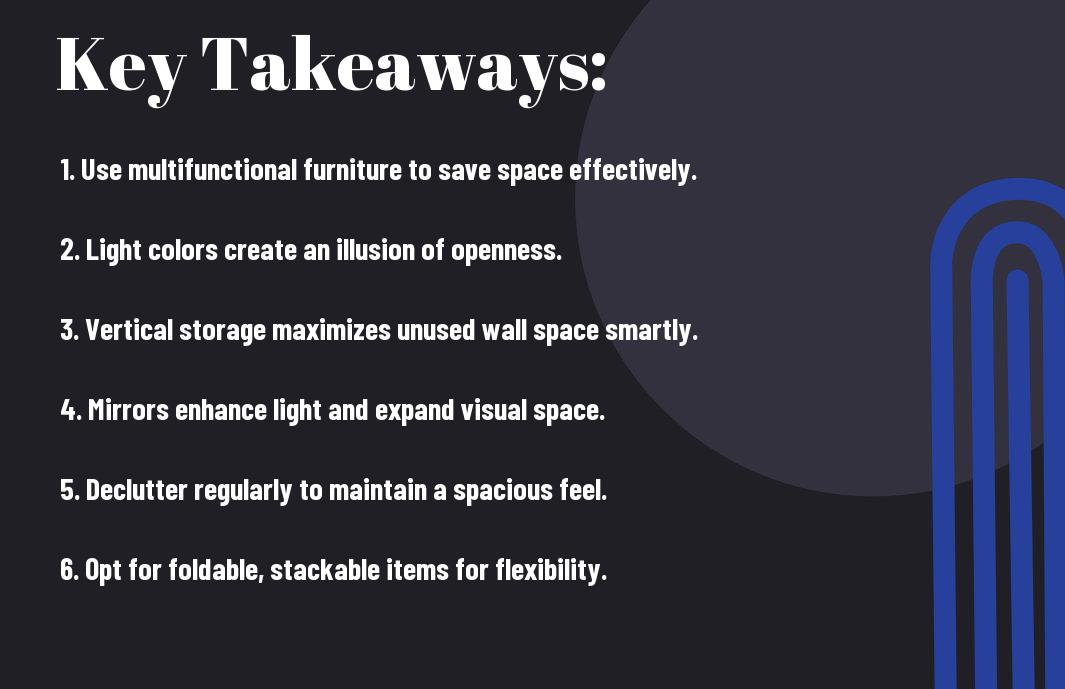
The key to optimizing your small space lies in understanding and applying vital design principles. These foundational guidelines help you make informed decisions about layout, color, and furnishings, ensuring a harmonious and functional environment. By following these principles, you can create a space that feels larger, more inviting, and uniquely tailored to your lifestyle.
Scale and Proportion
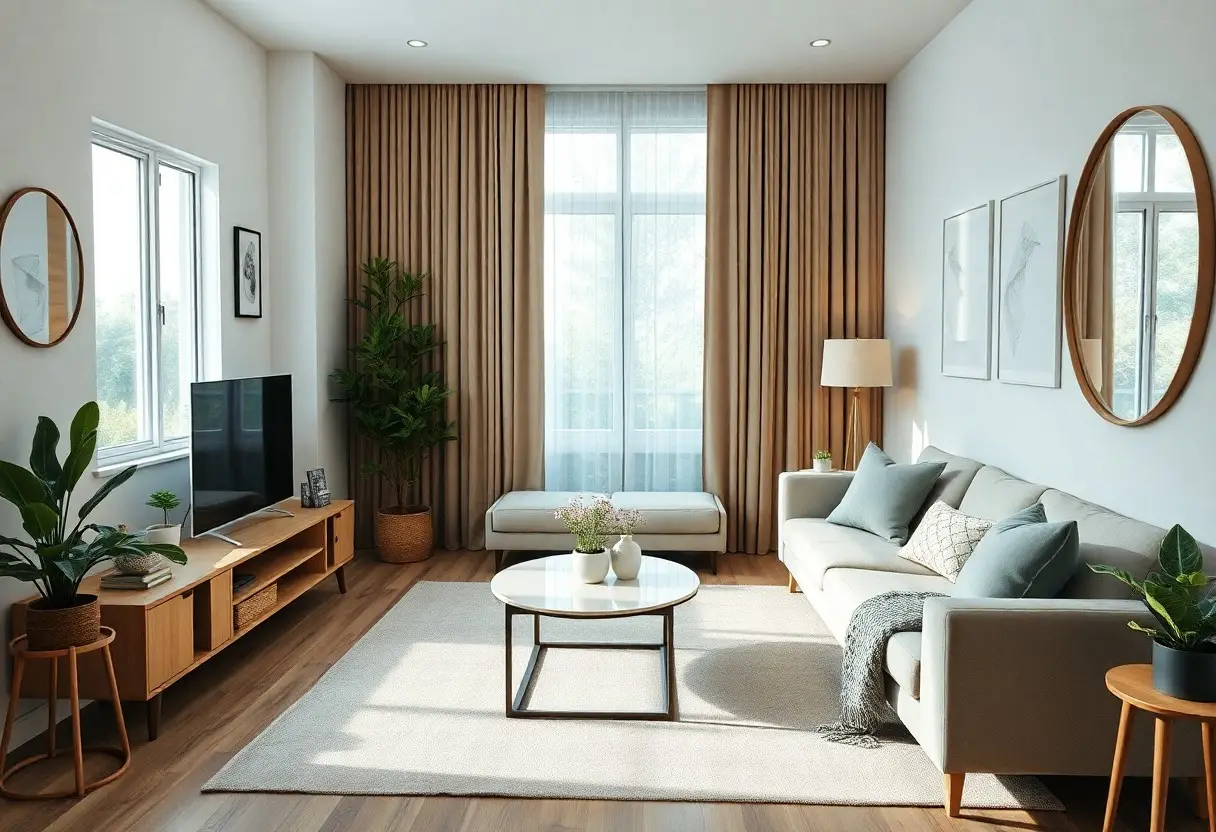
Beside choosing furniture that fits your space, you must also consider the scale and proportion of each item. Opt for pieces that complement your room’s size; for instance, a slender sofa instead of a bulky sectional can create an illusion of openness. Balance larger items with appropriately sized decor to maintain visual harmony and enhance your space.
Color Schemes and Light
Against the norm of heavy, dark colors in small spaces, using a lighter color palette can create an airy atmosphere. Light colors reflect natural light, making your room appear more expansive. Incorporating varying shades can also add depth and dimension, contributing to a cohesive, inviting environment.
The right color scheme combined with strategic lighting is fundamental in maximizing your space. Consider incorporating mirrors to reflect light and visually expand your area. Layer your lighting sources—overhead fixtures, task lighting, and accent lights—to create a warm ambiance that showcases your design elements. Soft, natural hues coupled with ample light can help you transform even the smallest areas into inviting retreats.
Furniture Selection and Arrangement
To optimize your small space, thoughtful furniture selection and arrangement play a key role. Focus on pieces that fit your style while serving your functional needs. Consider the scale of your furniture — choose smaller, lighter items that won’t overwhelm the room. Allow for an open flow and avoid blocking pathways, which can make your space feel cramped. Strategic arrangement, along with an awareness of negative space, can transform any area into a cozy and inviting environment.
Multi-functional Furniture
Among the best strategies for maximizing small areas is investing in multi-functional furniture. These versatile pieces, such as sofa beds, storage ottomans, and extendable dining tables, serve multiple purposes, enabling you to adapt your space to various needs. This versatility not only saves space but also adds functionality to your living areas, making it easier to accommodate guests or use your space more efficiently.
Space-saving Layouts
Above all, creating space-saving layouts can significantly enhance the usability of your home. By considering how you work and relax within your space, you can design a layout that best suits your lifestyle. Using a combination of open shelving and wall-mounted storage can help eliminate clutter while providing easy access. Additionally, arranging furniture in a way that promotes conversation and movement will enhance both comfort and practicality.
This layout method often includes positioning larger pieces against the walls to free up floor space, creating an open and airy feel. You might also want to consider angles and asymmetry to add visual interest, moving away from traditional straight lines. Try to establish distinct zones for different activities, such as work, relaxing, and dining. By successfully implementing these practices, you can maximize your small space’s potential, transforming it into a functional and stylish haven.
Creative Storage Solutions
After maximizing your small spaces, it’s time to focus on creative storage solutions that enhance functionality without sacrificing style. Incorporating innovative storage options can help you keep your area organized and clutter-free, allowing you to make the most of every square inch. Explore ideas that blend seamlessly into your décor while providing the storage you need.
Vertical Space Utilization
Along with looking for hidden storage, consider utilizing vertical space to maximize your area. Installing tall shelves or hanging organizers makes use of walls, freeing up precious floor space while providing ample room for your belongings. This approach not only keeps items accessible but also adds visual interest to your interior.
Hidden Storage Ideas
Around your home, look for opportunities to create hidden storage that keeps your items out of sight. From multifunctional furniture to cleverly designed compartments, these solutions can help you maintain a tidy environment. Whether it’s a bed with built-in drawers or a coffee table that doubles as a storage chest, hidden options can transform your small space into an organized haven.
Vertical storage solutions are a game changer in maximizing small spaces. When you invest in furniture that includes storage, such as ottomans with compartments or benches that open up, you can effectively conceal everyday items. Adding storage to walls, like wall-mounted cabinets or pegboards, can also declutter your floor while keeping important items within reach. These strategies not only optimize your living area but also enhance the overall aesthetic of your space.
Decorative Techniques
Not all decorative techniques require a large space; in fact, clever methods can enhance even the coziest corners. By prioritizing your design choices, you can maximize your small area’s potential, creating a stylish and inviting atmosphere. Focus on textures, colors, and patterns that resonate with your personal aesthetic while optimizing the space for functionality and flow.
Mirrors and Light
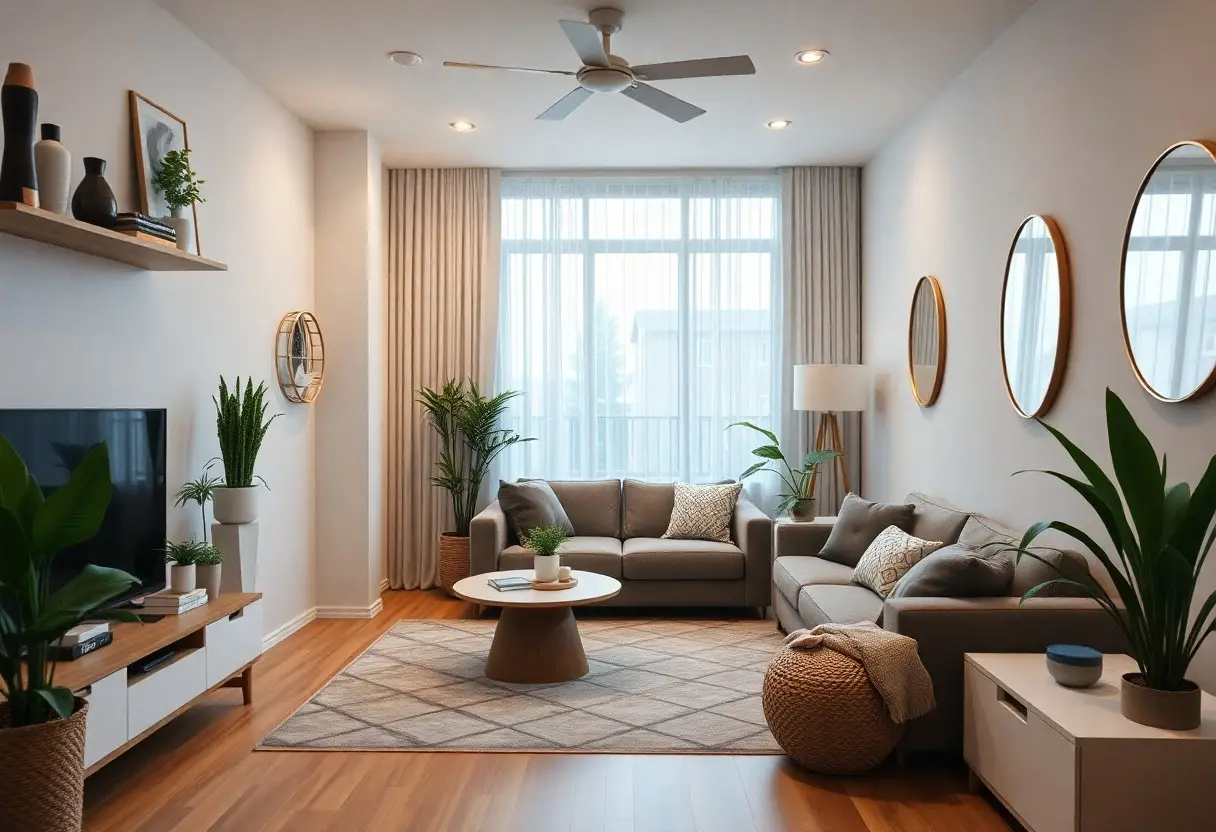
Light plays a transformative role in how your space feels. Incorporating mirrors effectively can amplify natural light and create an illusion of depth, making your small area appear larger than it is. Strategically placing mirrors opposite windows or light sources enhances brightness and adds a layer of sophistication to your design.
Personal Touches
Between functionality and aesthetics, personal touches elevate your space by reflecting your unique tastes. Whether it’s a collection of art, cherished photographs, or handmade decor, these items infuse warmth and character into your small area, making it distinctly yours.
Due to the limited space, each personal item should serve a purpose or evoke a meaningful sentiment, making your environment both functional and intimate. Choose decor that resonates with your experiences and interests—this not only beautifies your space but also creates a comforting atmosphere that encourages relaxation and connection. Curate items that inspire you, and arrange them in a way that makes the most of your space’s layout.
Outdoor Spaces in Small Environments
Keep in mind that even the tiniest outdoor areas can become a sanctuary with thoughtful design. Utilize vertical space for planters and decorations, prioritize multifunctional furniture, and create inviting zones that enhance your lifestyle. By thoughtfully arranging furniture and décor, you can transform your small outdoor area into a cozy, stylish retreat that feels expansive and welcoming.
Balconies and Patios
On your balcony or patio, consider using foldable or stackable furniture to maximize space while allowing flexibility for social gatherings or relaxation. Add a small table and a couple of comfortable chairs to create a cozy dining nook. Using a few decorative cushions can also soften the space, making it more inviting and stylish without overwhelming the area.
Greenery and Nature
Environments benefit immensely from the addition of greenery, as plants enhance aesthetics and create a calming atmosphere. You can choose potted plants, hanging planters, or wall-mounted greenery to fit your available space, ensuring that even small areas feel lush and alive. Incorporating nature not only beautifies but also improves air quality and boosts your mood.
Another powerful way to enhance your outdoor living space is by incorporating a variety of plants. Select a mix of tall and trailing plants to create visual interest and dimension. You might also consider herb gardens or edible plants for both beauty and utility. A few strategically placed plants can soften hard surfaces, while pots can be used to define different areas, making even a small space feel lush and inviting.
To wrap up
Taking this into account, maximizing small spaces requires thoughtful strategies that enhance both functionality and aesthetics. By implementing smart storage solutions, selecting multi-functional furniture, and utilizing vertical space, you can transform your home into a more organized and inviting environment. Embrace creative design hacks to reflect your personal style while optimizing every inch of your space. With these tips, you’ll not only make the most of your surroundings but also create a more comfortable and enjoyable living experience.