
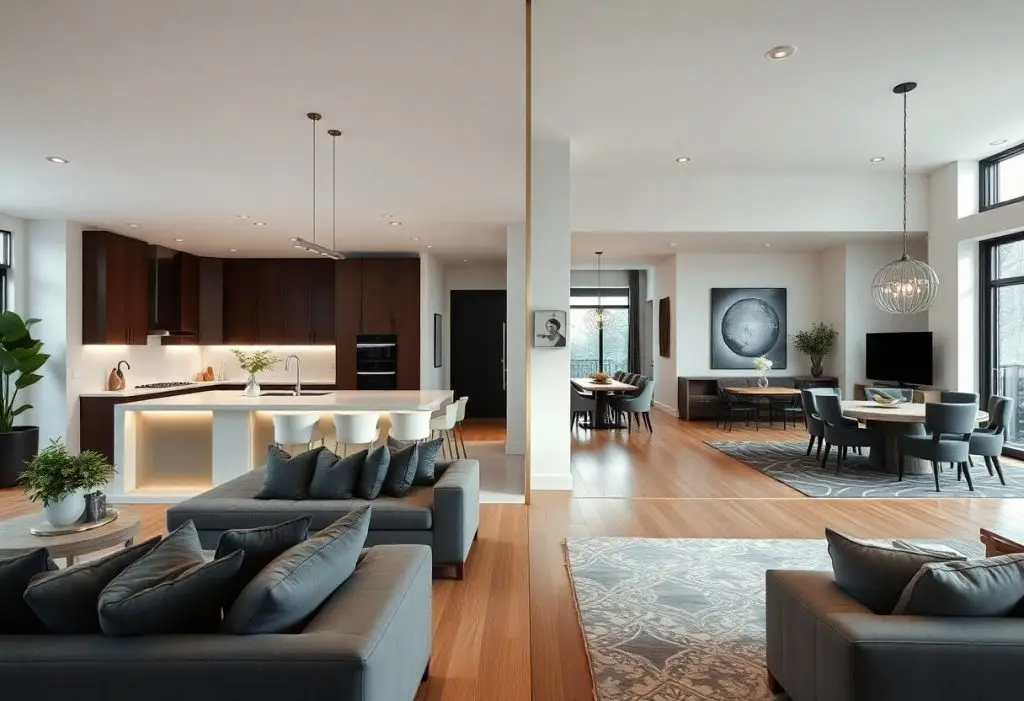
Open-concept designs have gained significant popularity in modern home layouts, catering to those who value spaciousness and a seamless flow between living areas. Yet, traditional layouts offer unique advantages, providing designated spaces that can enhance privacy and functionality. In this blog post, you will explore the key differences between open-concept and traditional layouts, helping you determine which style harmonizes best with your lifestyle, family needs, and personal preferences. Understanding these concepts will empower you to make informed choices for your dream home.
Understanding Open-Concept Layouts
For modern homeowners, open-concept layouts offer a fresh alternative to traditional designs, emphasizing fluid spaces and seamless interactions. By removing barriers like walls, these layouts foster a sense of togetherness and create multifunctional areas that can adapt to various needs, from entertaining to everyday family activities.
Definition and Characteristics
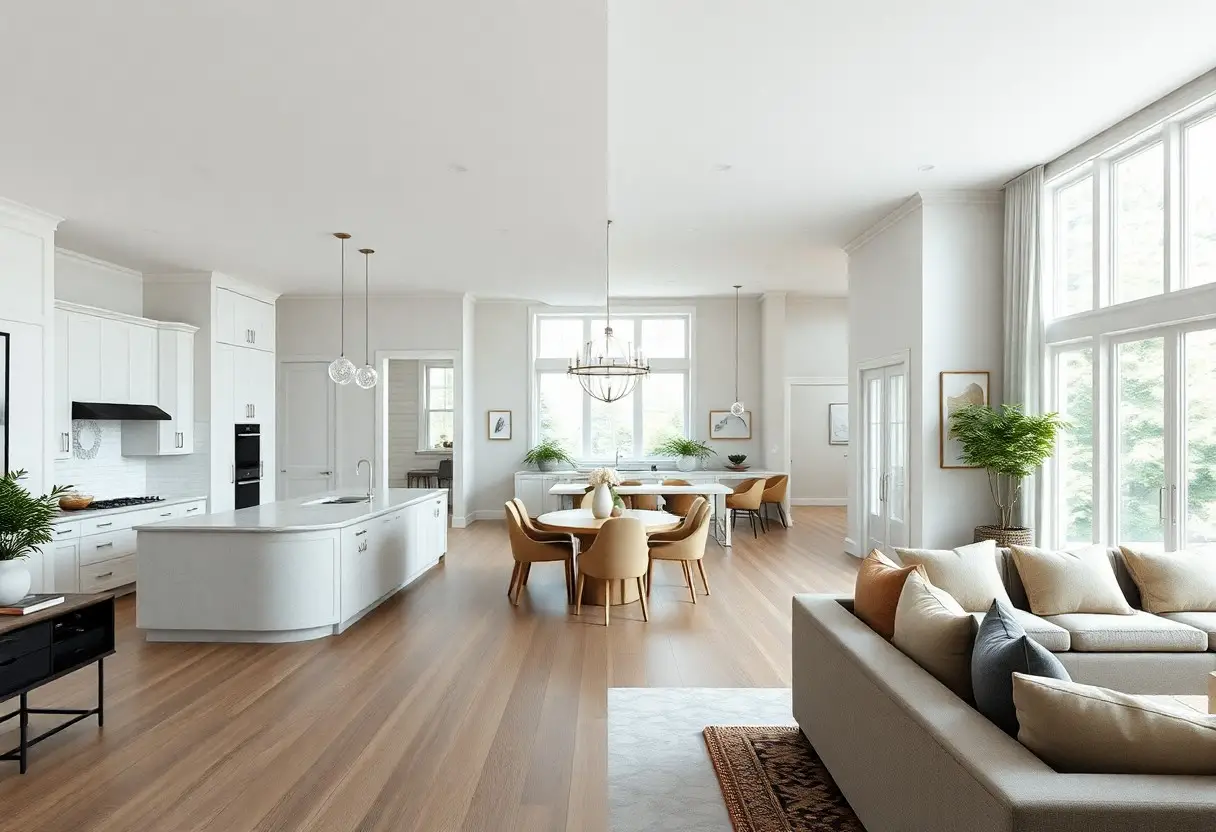
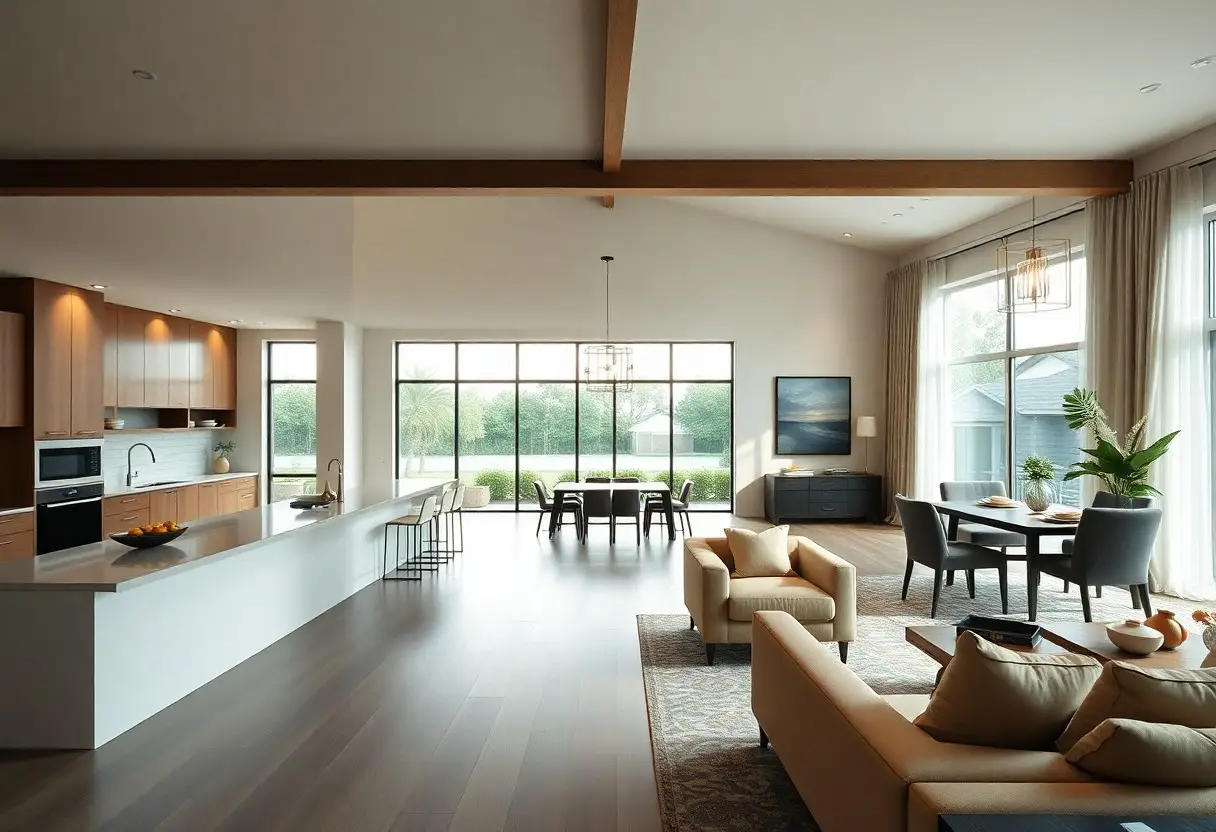
About open-concept layouts, they are designed to combine multiple living spaces, such as the kitchen, dining, and living areas, into one continuous area. This design typically features high ceilings, large windows, and minimal partitions, allowing natural light to flow freely and enabling easy communication among family members and guests.
Popularity and Trends
For many homeowners today, open-concept layouts are increasingly popular due to their versatility and appeal. This trend reflects a shift toward creating more inclusive environments that accommodate social interactions and a collaborative lifestyle.
Further fueling this trend are the growing demands for flexibility in living spaces. As more people value home offices, gym areas, and play zones, open-concept designs can seamlessly integrate these functionalities without the clutter of separate rooms. Additionally, the aesthetic appeal of spacious areas filled with light has also captured the imagination of many, leading to a consistent increase in open-concept home designs within new constructions and renovations alike.
Exploring Traditional Layouts
There’s a timeless appeal to traditional layouts, which prioritize designated spaces for specific functions within a home. With clearly defined rooms, such as separate living, dining, and kitchen areas, this design promotes privacy and organization, catering to more conventional lifestyles.
Definition and Characteristics
An traditional layout is characterized by its compartmentalized spaces, where each room serves a distinct purpose. This design often features defined walls, doors, and hallways that enhance a sense of order. You may find features like formal dining rooms, cozy living areas, and private bedrooms that accentuate individual room usage.
Benefits and Drawbacks
Across traditional layouts, you will find advantages, such as enhanced privacy and noise reduction, as well as the preservation of distinct, functional areas. However, drawbacks include potential compartmentalization that can hinder social interactions, making your spaces feel more isolated.
In addition to the privacy benefits that traditional layouts offer, they can provide a sense of structure and formality that many homeowners appreciate. You may find that each room’s purpose is clear-cut, facilitating organization and focus. On the downside, these layouts can create a less fluid flow between spaces, making it challenging to entertain guests or enjoy a connected family atmosphere. Ultimately, balancing these factors will help you decide if this style aligns with your lifestyle and needs.
Comparison of Open-Concept and Traditional Layouts
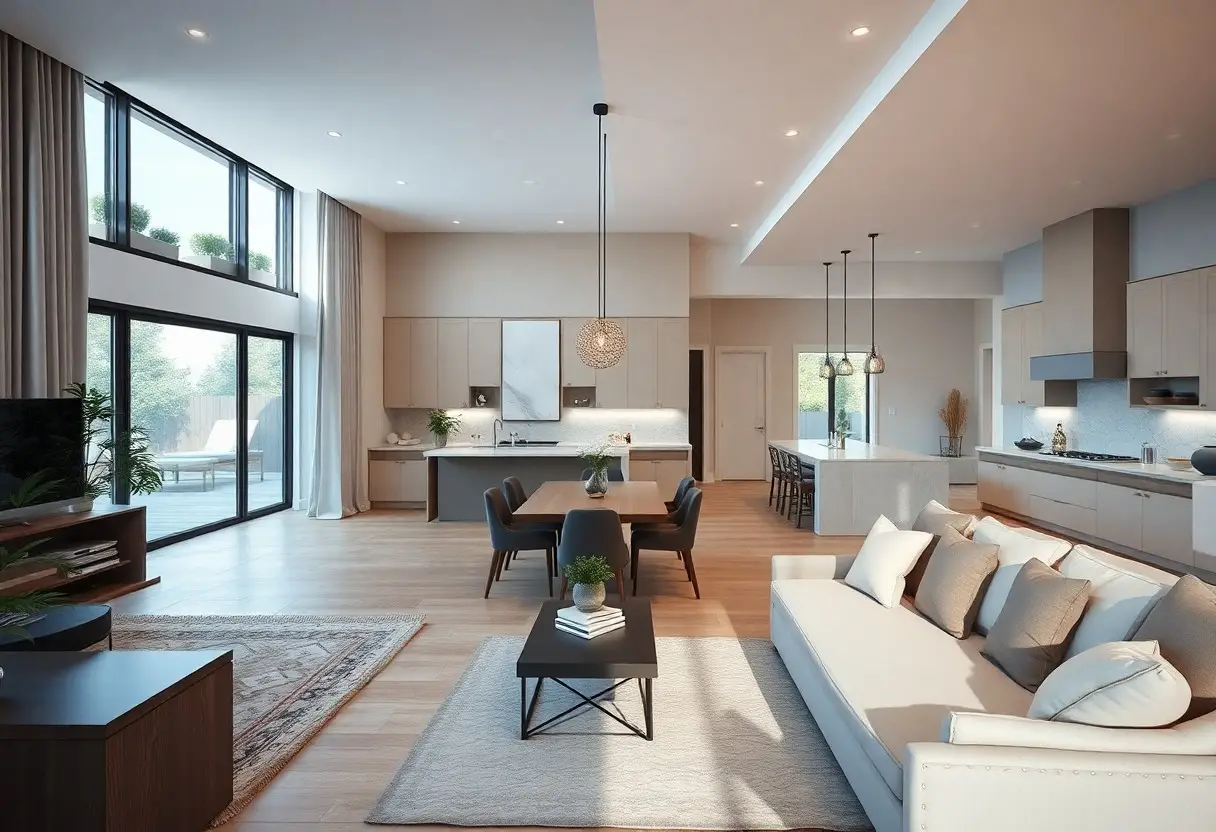
Unlike traditional layouts that often separate spaces, open-concept designs promote a seamless flow between rooms, enhancing communication and versatility in your home. The following table outlines key differences between the two styles:
| Feature | Open-Concept | Traditional |
| Space Utilization | Maximized through fewer walls, creating a feeling of spaciousness. | Defined spaces may limit flexibility but can enhance function. |
| Privacy and Noise Control | Less privacy, with sounds and activities often blending together. | More privacy and sound separation between rooms for specific activities. |
| Aesthetic Considerations | Modern and trendy, often perceived as more inviting. | Classic and structured, suitable for a range of traditional styles. |
Space Utilization
With open-concept layouts, you can optimize your living area by eliminating unnecessary walls, allowing for creative furniture arrangements and uncluttered spaces. This dynamic approach invites natural light, enhancing the overall ambiance of your home.
Privacy and Noise Control
With traditional layouts, you benefit from distinct rooms that offer more privacy and better noise control, making it easier to engage in specific activities without distractions. This separation can be particularly advantageous for families with varying schedules or those who often entertain guests.
Also, the ability to close doors in a traditional layout can help mitigate sound transfer between rooms. This separation can be key when you want to concentrate on work or enjoy a quiet moment without the disruptions that often accompany open spaces, leading to a more peaceful environment overall.
Aesthetic Considerations
Against popular belief, the aesthetic appeal of your home can significantly vary depending on the layout. Open-concept designs tend to lend a contemporary feel, while traditional layouts offer charm and elegance that can match various design themes.
In addition, traditional layouts often provide a canvas for showcasing architectural details, such as crown moldings and wainscoting, which can add character and depth to your spaces. If you appreciate historical design elements or wish to create a cozy atmosphere, the traditional approach may better suit your personal style.
Factors to Consider When Choosing a Layout
Now, selecting the right layout for your home involves evaluating several factors to ensure it aligns with your needs and preferences. Consider the following:
- Your family size
- Your lifestyle and daily routines
- The size and design of your home
- Your future plans and potential resale value
This thoughtful assessment helps you make an informed decision that suits your living environment.
Family Size and Lifestyle
Besides the aesthetics of your home, your family size and lifestyle play a significant role in determining the right layout. An open-concept space is perfect for families that enjoy togetherness and communal activities, while traditional layouts may better serve those seeking privacy and defined areas for different tasks.
Home Size and Design
On the other hand, the size and design of your home can greatly influence your layout choice. A larger home can comfortably accommodate an open-concept design, promoting a spacious and free-flowing atmosphere. Conversely, smaller homes may benefit from traditional layouts that create distinct spaces without overwhelming the area.
But keep in mind that a well-thought-out layout should enhance your home’s functionality, regardless of its size. A smaller space can still be stylishly designed with an open concept, offering functionality without compromising on aesthetics. Each layout has unique advantages that cater to specific requirements.
Future Needs and Resale Value
Size also matters when considering your future needs and potential resale value. Anticipate changes in your family dynamics, such as growing children or elderly relatives moving in, which can affect your spatial requirements. Your choice of layout should be adaptable to accommodate these changes.
And selecting a layout that appeals to potential buyers is an investment in your home’s future. An open-concept design tends to attract a wider audience due to its modern appeal, while traditional layouts might hold more value in specific markets where defined spaces are preferred. Ensuring your layout aligns with market trends can maximize your return on investment.
Real-Life Examples and Case Studies
Despite the ongoing debate, real-life examples can illuminate the decision between open-concept and traditional layouts. Here are some enlightening case studies:
- Case Study 1: House A – Open-concept design increased natural light by 30% and reduced furniture costs by 15%.
- Case Study 2: House B – Traditional layout led to 20% higher resale value, appealing to families seeking privacy.
- Case Study 3: House C – Open-concept led to a 25% improvement in social interactions among family members.
- Case Study 4: House D – Traditional designs reported lower heating costs by 10% due to compartmentalized spaces.
Successful Open-Concept Homes
After examining various projects, you will find that successful open-concept homes often prioritize flexibility and space. For example, modern renovations have showcased how removing walls can transform an entire living environment, fostering connections between different areas. Many homeowners reported their quality of life improved significantly due to an enhanced flow between the kitchen, dining, and living spaces, making these homes exceptional for entertaining and family interactions.
Advantages of Traditional Home Designs
Successful traditional home designs often feature defined spaces that provide a sense of structure and privacy. This layout is ideal for families who value separate areas for different activities, such as cooking, studying, and relaxing.
Understanding the advantages of traditional home designs helps you appreciate their practicality. By offering defined zones, traditional layouts allow for better noise control, which is imperative for family harmony. Additionally, these homes can enhance energy efficiency, as smaller individual rooms require less heating and cooling. Furthermore, traditional designs often bring a timeless aesthetic that complements various architectural styles, making them appealing to prospective buyers should you consider reselling your home in the future.
Expert Opinions and Insights
Keep in mind that expert insights can significantly shape your decision between an open-concept or traditional layout. Professionals in architecture and design provide valuable perspectives on functionality, aesthetics, and lifestyle compatibility, helping you make a well-informed choice for your home environment.
Architect Perspectives
Opinions from architects indicate that the right layout ultimately depends on your personal preferences and lifestyle needs. While open-concept designs offer connectivity and spaciousness, they may lack privacy and defined spaces. Conversely, traditional layouts provide separation and flexibility but can feel more segmented. Assessing your everyday interactions can guide you in choosing the ideal structure for your home.
Homeowner Testimonials
Beside professional insights, real homeowner testimonials can paint a vivid picture of life in various layouts. Those who embrace open-concept designs often praise the natural light and connectivity, while traditional layout advocates emphasize the comfort and privacy their homes provide. Understanding these personal experiences may help you align your preferences with a layout that suits your lifestyle.
Architect perspectives often echo through the experiences of homeowners, adding layers to their testimonials. Many share how their chosen layout impacts their daily living, from family interactions in open spaces to the cozy retreats offered by traditional setups. These stories can resonate with you, guiding your decision based on both professional wisdom and real-life application.
Conclusion
With this in mind, choosing between open-concept and traditional layouts ultimately depends on your lifestyle and preferences. Open-concept spaces promote interaction and flexibility, ideal for entertaining and modern living, while traditional layouts offer defined rooms and privacy, suitable for more structured living. Assess your family’s needs, the way you use your space, and your personal style to make an informed decision that resonates with your home’s character. Ultimately, the right choice will enhance your comfort and satisfaction in your living environment.