
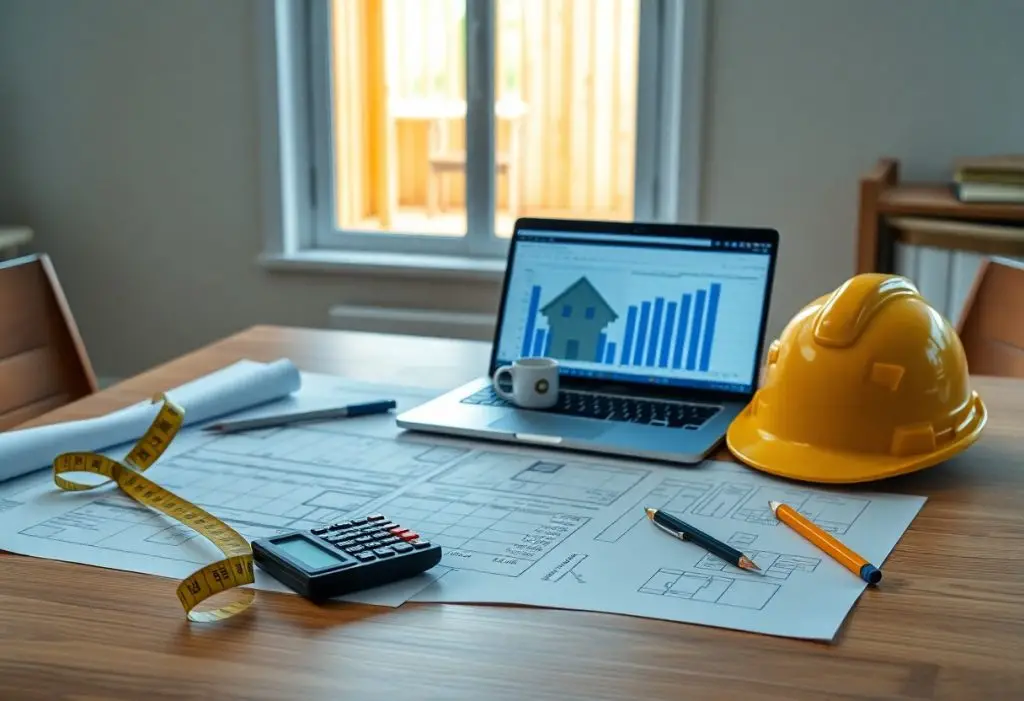
Many homeowners dream of expanding their space without draining their budget. You can build a functional, attractive addition by setting clear priorities, researching costs early, and working with trusted professionals. With careful planning and smart choices, your project stays on track-and within your financial limits.
Defining Your Project Scope and Objectives
Clarity shapes every successful home addition. You need a clear vision of what you’re building and why, so your budget stays on track. Start by outlining the core goals of your project to guide design and spending decisions from the outset.
Determining the primary purpose of the addition
Ask yourself how you’ll use the new space every day. Is it for a growing family, home office needs, or aging in place? Pinpointing the main function ensures your design supports real-life demands without unnecessary frills.
Distinguishing between vital needs and luxury wants
Every wish list has layers. Separate what you must have from what would be nice to have. A second bathroom may be necessary, while heated floors are a bonus-prioritizing keeps costs grounded in reality.
Recognizing the difference between needs and wants prevents budget creep. You might need proper insulation and code-compliant electrical, but exotic finishes or smart-home gadgets can wait. Tackle vitals first, then revisit luxuries only if funds allow. This approach maintains financial control and ensures structural and functional goals aren’t sacrificed for aesthetics.
Identifying Key Cost Factors for Home Expansions
- Structural complexity
- Site accessibility
- Material selection
- Permit requirements
- Square footage impact
Knowing these elements early helps you set a realistic budget and avoid surprise expenses down the line.
Analyzing structural requirements and site conditions
Soil type, slope, and existing foundation integrity directly influence what your addition will require. Uneven terrain or weak soil may demand extra engineering, increasing costs. Your contractor should assess load-bearing needs and local climate factors. Planning around these realities keeps your project stable and cost-efficient.
Evaluating the impact of square footage on material costs
Every extra foot adds up in materials like lumber, drywall, and insulation. Larger spaces require more framing, sheathing, and finishes, which scale the budget quickly. Even small increases in size can push you into higher permit or inspection tiers. Knowing this helps you balance space goals with financial limits.
Material needs grow non-linearly as square footage increases. For example, a 20% larger room may require 30% more drywall due to ceiling height and wall count. More flooring, trim, and electrical wiring also come into play. You’ll pay not just for the extra space, but for the systems that support it. Designing efficiently-like choosing a compact layout with shared walls-can reduce waste and keep material spending under control.
How to Create a Comprehensive Financial Plan
Building a realistic financial roadmap keeps your home addition on track and stress-free. You need clear numbers, defined priorities, and room for surprises. Start by outlining all possible costs, from permits to finishes, so you can make informed choices without compromising quality or timeline.
Setting a firm baseline budget for construction
You begin by researching average costs per square foot in your area and obtaining detailed quotes from trusted contractors. Include line items for labor, materials, permits, and design fees. Sticking to this baseline prevents impulse decisions and ensures every dollar supports your project’s goals.
Allocating a contingency fund for unexpected expenses
You should set aside 10-15% of your total budget for unforeseen issues like structural repairs or material delays. This buffer allows you to handle surprises without halting progress or draining savings. Planning for the unexpected is simply part of building wisely.
Hidden plumbing problems, outdated electrical systems, or weather-related delays can emerge once walls are open or foundations dug. That’s why your contingency fund isn’t optional-it’s practical protection. When you allocate this portion early and treat it as untouchable unless necessary, you maintain control and avoid last-minute loans or cut corners that compromise safety and value.
Selecting the Right Professionals for Your Budget
Choosing skilled professionals who align with your financial plan ensures your home addition progresses smoothly. Look for experienced contractors and designers who communicate clearly and respect budget constraints. A reliable team delivers quality work without hidden costs, keeping your project on track and within range.
Tips for vetting contractors and obtaining competitive bids
Research local contractors with proven track records in similar projects. Request detailed bids from at least three professionals to compare pricing and scope.
- Verify licenses and insurance
- Check online reviews and ask for references
- Review contracts thoroughly before signing
Perceiving red flags early saves time, money, and stress down the line.
Understanding the role of architects versus design-build firms
An architect focuses on design and technical plans, often working with separate builders. Design-build firms handle both design and construction under one roof, potentially streamlining communication and cost control. Your choice impacts timeline, budget, and coordination.
Architects provide detailed blueprints and can advocate for your vision during permitting and construction, but you’ll need to hire a builder separately. Design-build companies integrate both services, reducing handoff delays and aligning costs from the start. This unified approach often prevents miscommunication and keeps spending predictable, especially on complex additions.
Strategies for Reducing Material and Labor Expenses
Smart planning can significantly lower your overall build cost without sacrificing quality. You control more of the budget than you think-by making informed choices on materials, timing, and labor, you maintain value while avoiding unnecessary spending. Focus on efficiency and practical alternatives to stay on track financially.
Sourcing cost-effective yet durable building materials
You can find strong, long-lasting materials without overspending by exploring local suppliers, salvage yards, or overstock retailers. Many builders overlook these sources, but they often carry name-brand products at a fraction of the price. Choose wisely, and durability won’t come at a premium.
Timing your project to avoid peak seasonal pricing
Starting your addition in late fall or winter often means lower labor rates and better availability. Contractors are less busy during these months, giving you more negotiating power. Off-season scheduling can lead to real savings without delaying your long-term goals.
Contractor demand typically spikes between spring and early fall, driving up labor costs and material lead times. By scheduling your project for late fall or winter, you avoid this rush and may secure discounted rates. Crews are more available, timelines stay predictable, and you gain flexibility in decision-making without the pressure of seasonal delays.
Managing the Construction Process to Prevent Scope Creep
Sticking to your original plan keeps costs predictable and timelines intact. You’ll avoid costly surprises by setting clear boundaries from day one and enforcing them consistently throughout the build.
Maintaining a strict change-order policy
You control expenses by requiring written approval for every modification. Any request for changes-big or small-must go through a formal review, ensuring you understand the cost and timeline impact before moving forward.
Monitoring progress to ensure adherence to the timeline
Regular site visits help you spot delays early. You stay informed about daily developments, allowing you to address issues quickly and keep the project moving as scheduled.
Tracking milestones weekly gives you a clear picture of how work aligns with the original schedule. You’ll notice when tasks take longer than estimated, giving you the chance to discuss adjustments with your contractor before minor setbacks become major delays. This hands-on oversight ensures accountability and keeps momentum steady from foundation to finish.
Summing up
Hence, planning a home addition without overspending means setting a clear budget, prioritizing needs over wants, and getting multiple contractor quotes. You stay in control by choosing materials wisely, avoiding design changes mid-project, and allowing room for minor unexpected costs. Smart decisions now ensure lasting value without financial strain.