
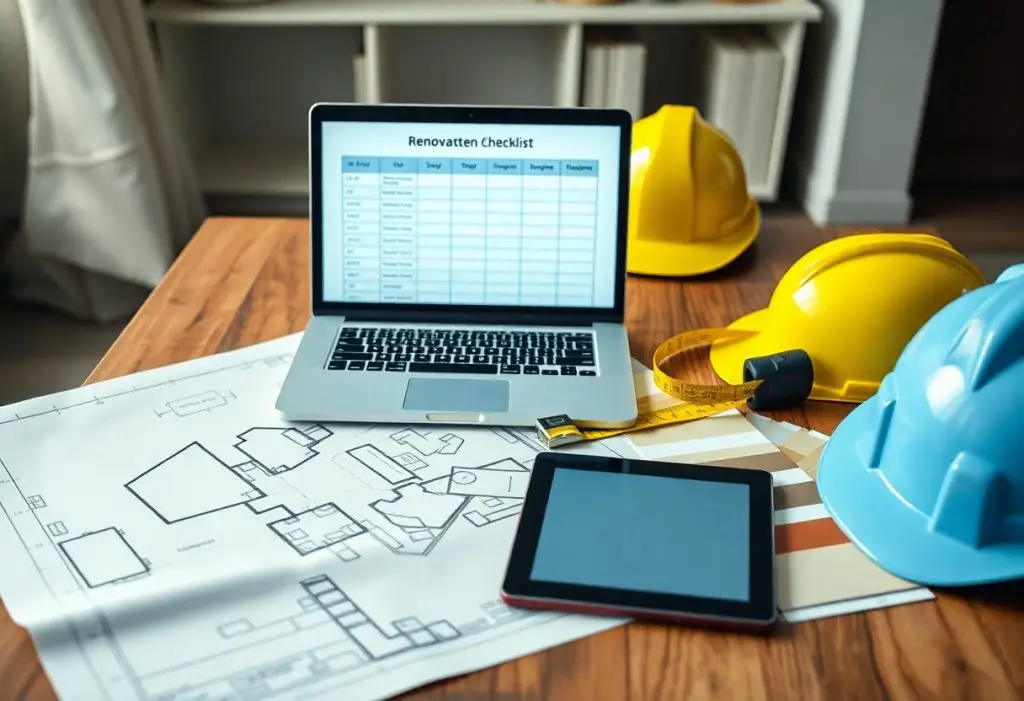
Just follow this step-by-step plan so you can set a realistic budget, secure permits, hire a licensed contractor, avoid structural hazards, and track a clear timeline to achieve safer, higher-value results.
Key Takeaways:
- Project goals, priorities, and a realistic budget should be defined before work begins to guide decisions and prevent scope creep.
- Home inspection and local building-code research reveal structural issues, permit requirements, and planning constraints early in the process.
- Design plan, prioritized scope, materials list, and a realistic timeline allow accurate contractor bids and clearer decision-making.
- Multiple contractor quotes, verified licenses and insurance, and a signed written contract with milestones and a payment schedule reduce contractor risk.
- A contingency fund of 10-20%, temporary living arrangements if needed, and regular communication with documented change orders help manage surprises and delays.
Establishing Your Renovation Vision
Visualize how you want spaces to function, prioritize structural issues and overall budget before choosing finishes. Knowing your non-negotiables prevents costly pivots.
- Scope
- Budget
- Style
Identifying necessary repairs versus aesthetic upgrades
Separate safety and function from style: you should fix plumbing, electrical and structural issues first so you don’t compound damage or inflate costs later.
Key factors to consider during the design phase
Balance your budget, timeline and household needs when selecting layout, materials and contractor to reduce surprises and downtime.
Assess site constraints, permit needs and long-term maintenance, flagging any moisture or load-bearing risks; then rank priorities and buffer your contingency line.
- Budget
- Timeline
- Permits
- Function
Knowing how each factor affects sequencing and costs helps you plan safer, smarter renovations.
Creating a Realistic Project Budget
Plan your budget by listing every scope, fixed expense, and allowance so you can set a realistic cap and reduce surprises; assign phases, compare quotes, and update figures in one spreadsheet as bids arrive.
How to estimate material and labor costs
Calculate material quantities from measurements, get multiple supplier quotes, and add waste percentages; for labor, ask contractors for time estimates and multiply by rates. Any overlooked delivery, permit, or waste fees will bust your budget.
- material costs: measure and quote
- labor costs: hourly rates × hours
- waste allowance: 5-15%
Essential tips for managing a contingency fund
Allocate a contingency of 10-20% of project costs and set clear rules so you avoid impulse spending; require that any draw be documented and approved in writing. Any use should follow your approval process to protect the overall budget.
Monitor contingency use weekly, require you and your contractor to log receipts and change orders, and prioritize spending for unforeseen structural or safety issues; keep a running ledger and review requests before approving draws. Any withdrawal lacking proper documentation should be rejected until justified in writing.
- contingency percentage: 10-20%
- approval process: written change orders
- documentation: receipts and logs
Developing a Detailed Project Timeline
Plan a timeline that maps every task, permit deadline, delivery window and realistic buffer. You assign milestones, link tasks to contractors and track dependencies to reduce surprises. Keep contingency time visible so delays surface early.
How to sequence construction phases effectively
Order phases so structural work, mechanical rough-in and inspections occur before finishes. You schedule trades to avoid idle crews and group wet work to limit humidity-related damage. Build buffer days around inspections and material arrivals.
Proven tips for avoiding common scheduling delays
Reduce delays by confirming orders, booking inspections early and keeping a daily log. You maintain contact with suppliers and confirm lead times to prevent downtime, and you highlight permits and long-lead items in your schedule.
- Permits
- Materials
- Inspections
- Contractor communication
Assume that you will re-sequence noncritical tasks if a permit or delivery slips.
Tackle common delays by preordering long-lead items, designating backup suppliers and setting clear on-site arrival windows for trades. You keep a shared calendar, log change orders digitally and assign one person to chase permits and inspect deliveries. Use weekly progress reviews to adjust tasks and preserve float. Assume that you should allocate at least 10-15% extra schedule time for weather, permit or supply setbacks.
- Lead times
- Preorders
- Backup suppliers
- Weekly reviews
Managing the Construction Process
Organize schedules, budgets and contractors so you maintain control of on-site progress; keep a written log, weekly check-ins, and a trusted project manager to handle delays and report safety issues.
Tips for maintaining clear communication with your crew
Keep daily briefings, simple checklists, and one point of contact so you reduce misunderstandings and track communication flows. Perceiving crew tone and workload helps you adjust assignments and protect the schedule.
- Use a shared app for photos and updates to keep communication traceable
- Confirm daily priorities in writing with the crew
- Hold quick end-of-day check-ins to log safety concerns
How to conduct site inspections and quality checks
Inspect frequently with a checklist, photograph defects, and record results so you document site inspections and quality checks for accountability.
Document each inspection with date, time, photos and annotated notes so you build an audit trail. Use a standardized checklist covering structural, electrical, plumbing and finish items; measure tolerances against plans and call out defects immediately. Test systems under load where possible and tag any safety hazards for urgent correction. Require written contractor responses and rechecks before issuing partial payments, and keep all reports for final acceptance and warranty claims.
Summing up
From above you can follow the clear, sequential steps to set goals, create a budget, hire professionals, schedule work, and inspect results so you complete your renovation on time, on budget, and with lasting quality.
FAQ
Q: How do I start planning a home renovation?
A: Start by defining clear goals for each room and ranking needs versus wants. Create a detailed wish list and separate items into phases if the full scope is too large for a single project. Measure existing spaces, take photos, and note any structural or system issues such as wiring, plumbing, or moisture. Research local building codes and permit requirements before finalizing the scope. Estimate rough costs using online price guides and local contractor quotes to form a preliminary budget. Obtain at least three written estimates for major trades, compare scope line-by-line, and check references and licenses. Set a contingency fund of 10-20% for unexpected issues and decide whether you will manage the project yourself or hire a general contractor.
Q: How much will a renovation cost and how do I create a realistic budget?
A: Costs depend on project type, materials, labor rates, and local market conditions; expect a simple cosmetic update to cost a few thousand dollars and a full kitchen or bathroom remodel to range from several thousand to tens of thousands. Break the budget into categories such as labor (30-45%), materials and finishes (25-35%), fixtures and appliances (10-20%), permits and design (5-10%), and contingency (10-20%). Get itemized quotes for materials and labor and factor in delivery and disposal fees. Prioritize spending on structural or system work first, then allocate remaining funds to finishes. Save money by keeping existing layouts, choosing mid-range finishes, buying items on sale, and scheduling work to avoid costly rush changes. Track all invoices and change orders in a single spreadsheet or app to prevent overruns.
Q: How long will a renovation take and how can I plan the timeline?
A: Project duration varies by scope: cosmetic updates can take days to a few weeks, a single-room remodel like a bathroom or kitchen typically takes 3-8 weeks, and major multi-room or structural projects can take several months. Create a master schedule that lists major milestones, lead times for long-lead items (cabinets, countertops, windows), and trade sequences (demolition, rough-in, inspections, finishes). Order long-lead items early and confirm delivery dates in writing. Coordinate trades to reduce downtime and plan for inspections that may cause short delays. Build buffer time into the schedule for unforeseen issues and weather. Arrange temporary living plans or phased work if you must occupy the home during construction and maintain regular communication with your contractor to keep the timeline on track.