
Over 14,000 people in the U.S. experience water damage emergencies daily, and you can prevent many of these incidents with simple, proactive steps. You can protect your home by maintaining gutters, checking plumbing, and monitoring humidity. Knowing these strategies helps you avoid costly repairs and keeps your property safe year-round.
The Roof and the Troughs
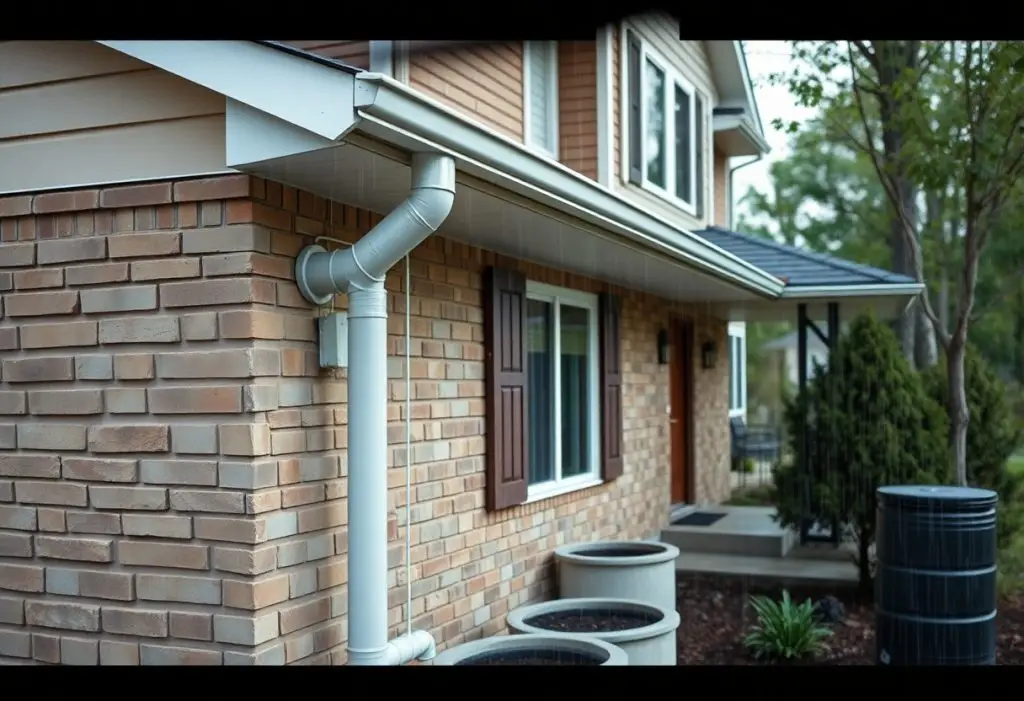
Your roof is the first barrier against water intrusion, and keeping it in top condition stops leaks before they start. Inspect shingles regularly for damage and replace any that are cracked or missing. Clean gutters at least twice a year so water can flow freely, preventing overflow that can seep into your home’s foundation or walls. Misaligned or clogged troughs increase the risk of ice dams in winter and water pooling in rainy seasons. A well-maintained roof and clear, properly sloped gutters direct water away exactly where it needs to go.
The Earth and the Walls
Your home’s foundation interacts directly with the soil around it, and improper grading can direct water toward your walls instead of away. Check the slope of your yard yearly to ensure it falls away from the foundation at least six inches over the first ten feet. This simple adjustment prevents moisture from pooling and seeping into basement walls or crawl spaces.

The Pipes and the Flow
You can prevent many water damage issues by monitoring your home’s plumbing system regularly. Check visible pipes under sinks and in basements for signs of corrosion, moisture, or small leaks. Insulate pipes in colder areas to avoid freezing and potential bursts during winter. Shut off valves should be tested annually to ensure they work in an emergency. A steady, consistent flow means your system is healthy-don’t ignore drips or pressure changes.
The Great Machines
Your washing machine, dishwasher, and water heater work hard every day, but they can also be hidden sources of water damage. Check hoses regularly for cracks or bulges and replace them every five years. Turn off the water supply when you’re away from home. Keep floors around these appliances dry and watch for drips after each use. A small leak today could mean a flooded basement tomorrow.
The Pump in the Deep
Your sump pump is your basement’s first line of defense against flooding. Make it a habit to test the pump monthly by pouring water into the pit to confirm it activates and drains properly. Check the discharge line to ensure it’s clear and directs water at least 10 feet from your foundation. A well-maintained pump can prevent thousands in water damage during heavy rains.
The Glass and the Wood
Water often finds its way in through overlooked gaps around windows and wooden structures exposed to the elements. You can prevent damage by sealing window perimeters with weather-resistant caulk and inspecting frames for rot or warping annually. Wood that stays damp invites mold and structural weakness, so ensure proper drainage and overhangs to shield vulnerable areas from rain exposure.
Final Words
The steps you take today to prevent water damage directly protect your home’s safety and value. Simple actions like checking pipes, cleaning gutters, and monitoring humidity keep costly issues at bay. You have the power to stop small problems from becoming major repairs-stay alert, act early, and maintain your systems regularly.