
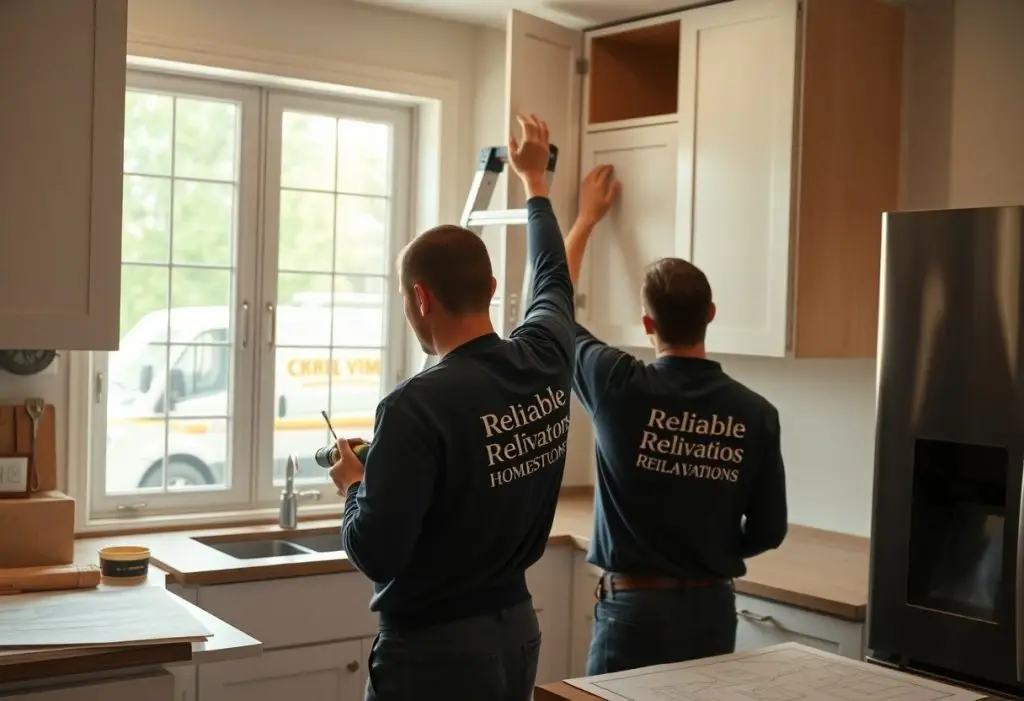
With focused planning you can prioritize repairs, select quality materials, and oversee contractors to protect your investment while improving functionality and style in your home.
Strategic Planning and Budgetary Management
Planning ties your timeline, permits, contractor schedules, and cost tracking to realistic milestones so you keep projects on time and within budget.
Defining Project Scope and Structural Requirements
Clarity in scope helps you specify structural needs, materials, load-bearing changes, and required inspections up front to prevent costly change orders during construction.
Establishing Comprehensive Financial Contingencies
Safeguard your budget by allocating a contingency fund percentage, prioritizing must-haves, and reviewing estimates frequently so unexpected expenses don’t stall progress.
When you set contingency levels, base them on project complexity and home age-commonly 5-10% for cosmetic remodels and 10-20% for major structural work or older homes; keep funds separate, document approvals for draws, update forecasts after each bid or change order, and discuss thresholds with your contractor so you retain clear financial control.
Selecting Qualified Professionals and Materials
Selecting qualified professionals and materials ensures your project meets timelines, code requirements, and quality standards while protecting your budget and resale value.
Vetting Licensed Contractors and Specialized Trades
Check licenses, insurance, and references; ask for portfolios and verify past work so you can confirm skill, timelines, and compliance.
Sourcing High-Performance Building Materials
Prioritize durable, energy-efficient materials that match your climate and maintenance goals so you get long-term savings.
Consider evaluating product performance data, warranty terms, and embodied energy; review manufacturer certifications and third-party tests so you can compare moisture resistance, thermal values, and lifecycle costs. Request samples, confirm installation needs, and assess supplier lead times to avoid delays and unexpected replacements during construction.
Core Interior Revitalization Strategies
You can refresh interiors by prioritizing targeted updates, improving lighting, repairing finishes, and refining layouts to boost comfort and resale appeal.
Modernizing Kitchen and Bathroom Infrastructure
Upgrading plumbing, wiring, and fixtures reduces maintenance and improves efficiency, while compact layouts and durable surfaces keep your kitchen and bath functional and stylish.
Optimizing Floor Plans for Enhanced Functionality
Reconfiguring walls and traffic flow ensures spaces serve your daily routines, increases usable square footage, and creates clearer sightlines for family life and guests.
Consider removing non-load-bearing partitions, combining small rooms, and aligning kitchen, dining, and living zones to reduce wasted circulation. Work with a contractor and structural engineer to confirm load paths, reroute systems, and integrate built-in storage that defines function without shrinking open areas.
Energy Efficiency and Sustainable Upgrades
Cut your energy costs and environmental impact with targeted upgrades like LED lighting, efficient windows, and water-saving fixtures that increase comfort and resale appeal.
High-Efficiency HVAC and Insulation Solutions
Upgrade your HVAC and insulation for stable temperatures, lower bills, and fewer maintenance calls by choosing ENERGY STAR systems and proper air sealing.
Integrating Smart Home Resource Management
Connect smart thermostats, leak sensors, and energy monitors so you can track usage, schedule systems, and cut waste from a single app.
Using smart home controls, you can create rules that run HVAC when you’re home, delay appliance cycles during peak pricing, and shut off phantom loads automatically. You can link solar and battery systems to prioritize self-consumption, review realtime analytics to refine schedules, and set alerts for leaks or unusual consumption to avoid costly repairs.
Exterior Integrity and Curb Appeal
You protect your home’s exterior by addressing wear, sealing joints, and choosing finishes that resist weather; these steps prevent damage and improve curb appeal.
Reinforcing Roofing, Siding, and Structural Envelopes
Inspect your roof, siding, and structural envelope regularly to catch leaks, rot, or loose materials; you can extend service life with targeted repairs, quality materials, and proper flashing.
Developing Functional Outdoor Living Environments
Design outdoor spaces that suit your routines, so you enjoy usable patios, proper drainage, and durable hardscaping across seasons.
Plan outdoor zones by mapping sun patterns, access points, and utilities so you place seating, cooking areas, and storage where they function best; choose weather-resistant materials, integrate lighting and irrigation, and set proper grades to prevent pooling and reduce maintenance.
Regulatory Compliance and Quality Assurance
Regulatory procedures ensure you and your project meet codes and warranty requirements, with contractors keeping documented standards and traceable materials to protect your investment.
Navigating Building Permits and Local Codes
Permits help you secure required approvals, timelines, and approved plans so inspections proceed smoothly and fines are avoided.
Implementing Rigorous Inspection Standards
Inspections confirm you receive workmanship meeting code, using documented checklists and corrective actions before final sign-off.
You should insist on scheduled third-party and municipal inspections, photographic records, coded checklists, prompt corrective work, and documented sign-off before final payment to ensure compliance and reduce defects.

Conclusion
On the whole you can trust Reliable Renovations and Home Improvement Solutions to handle repairs, upgrades, and project management with clear timelines, transparent pricing, and skilled tradespeople, so you will gain lasting quality and improved comfort in your home.