
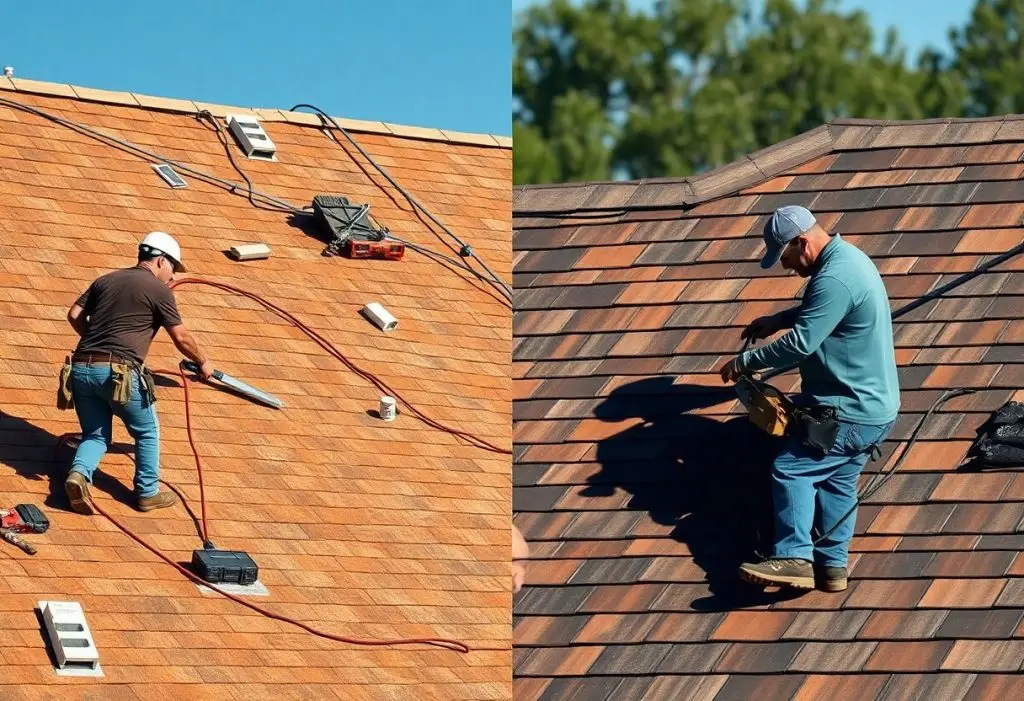
Roofing decisions can significantly impact your home’s longevity and value. When faced with damage, it’s crucial to weigh the options of replacement versus repair carefully. Understanding the distinctions, costs, and benefits of each choice will empower you to make a well-informed decision that aligns with your budget and long-term goals. This guide will help you assess your situation and provide insights into the best course of action for maintaining the integrity of your roof.
Understanding Roof Damage
Identifying roof damage early can save you from costly repairs later. Roofs can sustain various types of damage from weather conditions, poor installation, or age. Understanding the signs of damage will help you take timely action, whether it requires a simple repair or a full roof replacement. Regular inspections are vital for maintaining the integrity of your roof.
Signs of Wear and Tear
Common indicators of wear and tear include curling shingles, granules in gutters, water stains on ceilings, and missing shingles. You may also notice daylight seeping in through roof boards or sagging areas. These signs suggest that your roof’s lifespan is diminishing and warrant immediate inspection to mitigate further damage.
Types of Roof Damage
Types of roof damage can vary significantly based on materials and environmental factors. Common issues include leaks, punctures, and structural weaknesses. Each type of damage requires a distinct approach to repair or replacement. It’s vital to assess the situation quickly to ensure that minor issues do not escalate.
| Type of Damage | Description |
|---|---|
| Leaks | Water infiltration through cracks or worn areas. |
| Punctures | Holes caused by debris or foot traffic. |
| Curling Shingles | Climate-induced warping of shingle edges. |
| Blistering | Bubble formations on shingles from heat or moisture. |
| Sagging Roof | Structural issues causing portions of the roof to dip. |
To address types of roof damage effectively, pay attention to maintenance and environmental changes. Regularly clear debris and inspect for cracks, particularly after severe weather events. Be aware that different roofing materials respond differently to wear; for example, asphalt shingles may blister or curl, while metal roofs can dent.
- Inspect for visible signs routinely.
- Address minor damages promptly.
- Consult professionals for assessments.
- Consider the roof’s age and material.
- Seek upgrades if damage is recurring.
After evaluating your roof’s needs, you can develop a proactive strategy for ongoing maintenance and repairs.
| Preventive Measure | Benefits |
|---|---|
| Regular Inspections | Identify issues before they escalate. |
| Proper Ventilation | Mitigates heat buildup and moisture. |
| Debris Removal | Prevents water pooling and damage. |
| Timely Repairs | Extends roof lifespan and functionality. |
| Upgrades | Improves resilience against weather. |
Roof Repair: Pros and Cons
Pros and Cons
| Pros | Cons |
|---|---|
| Cost-effective compared to replacement | May only provide a temporary solution |
| Less time-consuming | Limited warranty on repairs |
| Protects the existing structure | Underlying issues may remain |
| Less disruption to your home | Repair costs can add up over time |
| Environmentally friendly option | Potential for recurring leaks |
Benefits of Repair
Choosing roof repair offers immediate financial savings and helps maintain your home without significant disruption. When you opt to repair, you extend the life of your roof and keep existing materials in use, promoting sustainability. As repairs usually take less time to complete than a full replacement, you can quickly regain peace of mind knowing your home is protected from the elements.
Limitations of Repair
While repair may seem appealing, it presents potential drawbacks. When addressing only visible issues, deeper problems may remain unaddressed, increasing the risk of future damage. You could find yourself in a cycle of repeated repairs if the underlying cause isn’t fully resolved.
Additionally, depending on the material and condition of your roof, repairs might not be comprehensive enough to ensure long-term durability. For example, patching leaks on an aging asphalt roof may lead to further issues within a couple of years if the entire structure shows signs of wear. In some cases, repeated repairs can accumulate expenses that surpass the cost of a full replacement, making it imperative to carefully consider your roof’s condition before deciding on repairs alone.
Roof Replacement: Pros and Cons
| Pros | Cons |
|---|---|
| Increased home value | Higher upfront costs |
| Improved energy efficiency | Longer installation time |
| Enhanced safety and durability | Possible disruption during installation |
| Better warranty options | Selection complexities |
| Customized aesthetics | Potential for underlying issues |
Advantages of Replacement
Replacing your roof offers numerous benefits, including a significant boost in your home’s resale value and an increase in energy efficiency. With new materials, you gain enhanced durability and safety against leaks and weather damage. Additionally, you can choose modern designs that complement your home’s aesthetics while benefiting from better warranty coverage that comes with new roofs.
Challenges of Replacement
Although roof replacement has distinct advantages, it also presents challenges such as high initial costs and the possibility of discovering underlying issues, which may increase expenses further. During installation, your home might experience disruptions, and choosing the right materials could overwhelm you with options.
The complexity of roof replacement often requires careful planning and budgeting. You may need to factor in additional costs for unexpected repairs or alterations discovered during the tear-off process. Moreover, different materials and contractors can drastically affect the total investment, necessitating thorough research to ensure that your choice aligns with both your needs and financial constraints.
Cost Considerations
Repair vs. Replacement Costs
Repairing a roof generally costs between $300 to $1,500 depending on the extent of the damage, whereas a full replacement can range from $5,000 to $30,000 or more, influenced by roofing material and home size. Weighing these costs can help determine whether a simple fix or a complete overhaul is the more prudent choice for your budget.
Budgeting for Roof Work
Establishing a budget for your roofing project involves assessing potential expenses, including materials, labor, and unexpected costs that often arise during repairs or replacements. Allocating additional funds for contingencies ensures you’re prepared for any surprises that may affect your financial plan.
Your budget should account for roofing materials, labor costs, and any permits required for the project. For example, more durable materials like metal or slate can significantly increase your initial investment, but they might save you money long-term through reduced maintenance costs. Setting aside 10-20% beyond your initial estimate will help cover unexpected issues, such as underlying damage or additional repairs. This proactive approach can save you stress and additional expenses down the line.
Choosing the Right Option
Selecting the best approach between roof repair and replacement hinges on various factors unique to your situation. Analyzing your roof’s current condition, your financial capacity, and long-term plans for your home can guide your decision. In certain scenarios, investing in repairs may suffice, while other instances may warrant a total replacement to ensure durability and functionality.
Factors to Consider
Several key elements play into your choice:
- Age of the roof
- Extent of current damage
- Budget and financing options
- Future home plans
- Energy efficiency improvements
The balance of these factors will determine your best course of action.
When to Repair vs. Replace
Your decision can depend largely on the roof’s age, the severity of damage, and whether previous repairs have been effective. If the roof is relatively new and the damage is limited to a small area, repairs may be suitable. Conversely, if your roof exceeds 20 years and has widespread damage or leaks, replacement often delivers better long-term value.
Consider the warranty and lifespan of your roof materials when deciding. Many roofing types have a life expectancy of 20-25 years, so a roof nearing the end of its lifespan might not be worth repairing, especially if extensive issues arise. In a situation where you face persistent leaks that conventional repairs can’t fix, a full replacement could prevent future headaches. An honest assessment of repair history and recurring problems will aid your choice significantly.
Hiring Professionals
Engaging skilled professionals is vital for ensuring your roofing project meets high standards. A licensed and experienced contractor not only guarantees quality workmanship but also offers insights into materials and techniques specific to your needs. You should prioritize finding someone with a strong reputation, adequate insurance, and warranties for both materials and labor to protect your investment.
Finding Qualified Contractors
Searching for qualified contractors requires thorough research and validation of credentials. Start by seeking referrals from friends or family, then check online reviews and professional associations. It’s important to verify licenses and insurance to avoid potential legal issues, ensuring the contractor adheres to local building codes and safety regulations.
Questions to Ask Potential Contractors
The right questions can help uncover a contractor’s expertise and reliability. Inquire about their experience with similar roofing projects, the materials they recommend, their estimated timeline for completion, and their process for handling unexpected issues. Discuss payment schedules and warranties to understand the financial aspects fully.
While evaluating potential contractors, focus on specifics that reflect their competence and reliability. Ask for examples of past projects they completed, preferably with references. Clarifying the warranty details on their work can also provide peace of mind. Understanding their approach to managing roofing permits and inspections highlights their professionalism and familiarity with local regulations, ensuring your project runs smoothly and conforms to standards.
To wrap up
On the whole, understanding the differences between roof replacement and repair empowers you to make informed decisions for your home. Assessing the age, damage extent, and your long-term plans will guide you toward the best option for your situation. While repairs may be suitable for minor issues, replacement provides a comprehensive solution for a failing roof. Consider your budget and the potential impact on your property value as you choose the option that best meets your needs.