
Over time, home renovations can feel overwhelming, especially when determining how to allocate your budget effectively. You want to enhance your living space without breaking the bank, and knowing where to prioritize your spending is important. In this post, you’ll discover strategic tips on which areas of your home deserve investment for maximum return and where you can cut costs without sacrificing quality. By making informed choices, you can achieve your dream home while staying within your financial limits.
Smart Splurges: Key Areas Worth Every Penny
Investing in certain home renovations can yield significant returns, both in comfort and value. Strategic splurges in spaces that see high traffic or heightened utility are wise choices, as they enhance your home’s livability and marketability. Prioritizing these areas ensures that your expenditures contribute to a harmonious balance between luxury and practicality.
Kitchen Remodel: The Heart of the Home
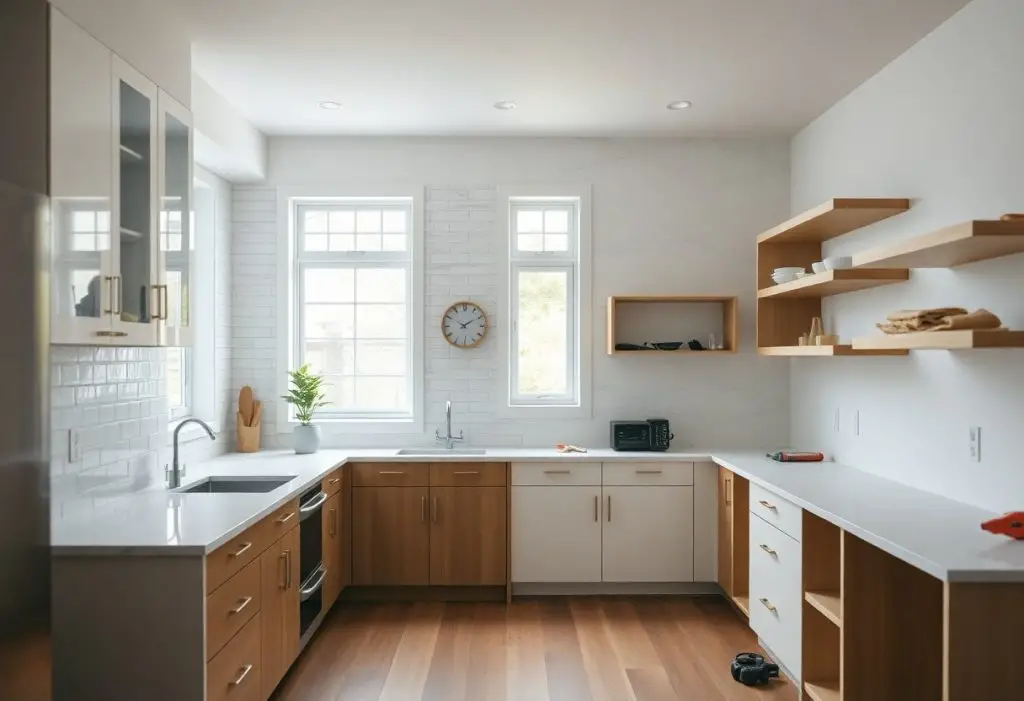
The kitchen serves as the gathering place for family and friends, making it worthwhile to invest in a remodel. Upgrading appliances and cabinetry, or even adding a stylish island, elevates the space’s functionality and appeal. A well-designed kitchen not only enhances your cooking experience but significantly boosts your home’s overall value.
Bathroom Upgrades: Creating a Spa-Like Retreat
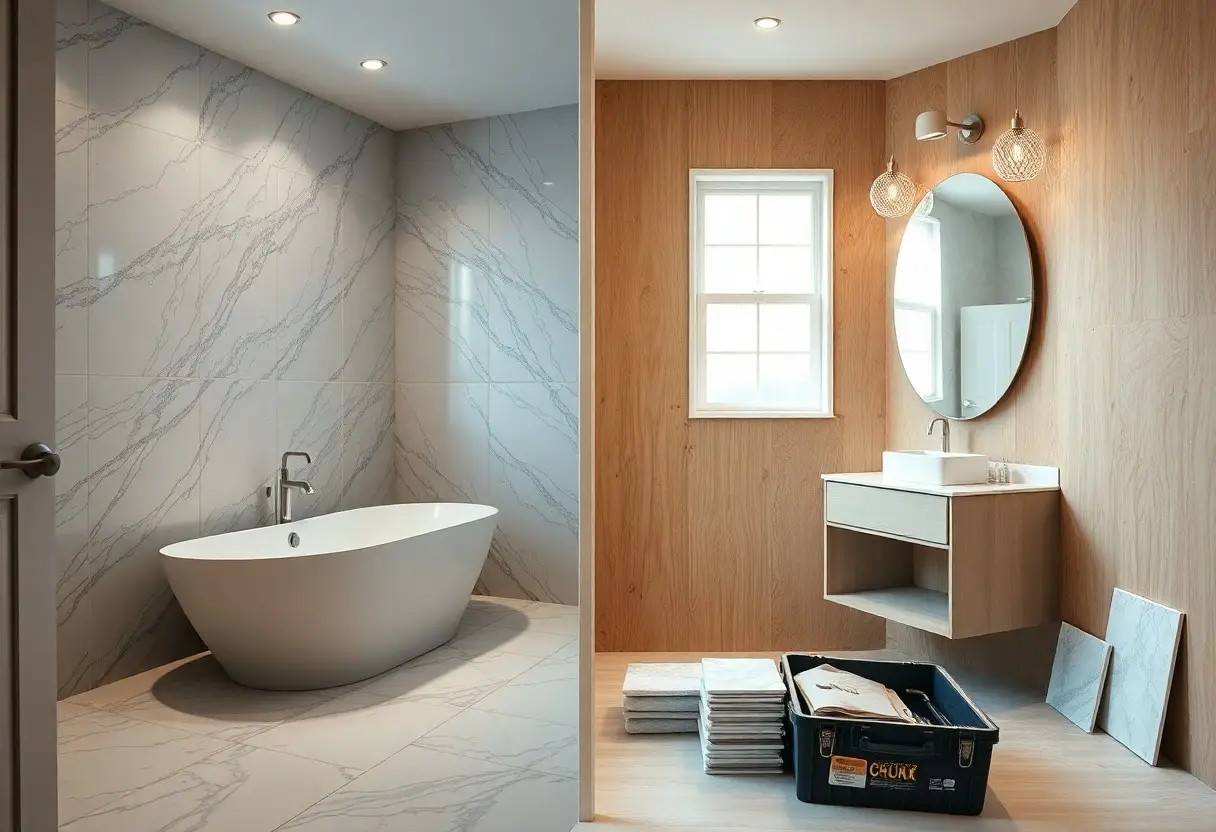
Transforming your bathroom into a spa-like retreat can turn daily routines into luxurious experiences. Installing high-quality fixtures, a soaking tub, or a rainfall showerhead promotes both relaxation and functionality. Quality materials, such as stone tiles or designer vanities, elevate aesthetics and provide long-lasting durability.
Incorporating elements like heated floors or smart shower systems could also elevate your bathroom remodel. A focus on lighting can create a serene atmosphere, while upscale storage solutions enhance organization. The investment in these lived-in spaces pays off by making your home not just more luxurious, but also more pleasant to live in each day.
Energy-Efficient Windows: The Long-Term Savings
Replacing old windows with energy-efficient models can lead to significant savings on heating and cooling costs, making them a smart investment. Look for double or triple-pane windows with low-E coatings, which can lower energy bills drastically over time.
Energy-efficient windows do more than reduce utility costs; they also improve your home’s comfort and aesthetic appeal. According to studies, homeowners can save an average of 15% on energy bills after making the switch. Additionally, modern designs can provide better noise insulation, which enhances the overall living experience. The upfront costs are quickly offset by long-term savings and increased property value, solidifying their place as a wise splurge in home renovations.
Cut Costs Without Compromise: Areas to Save Smartly
Smart choices in renovation can lead to significant savings. Focus on areas where you can cut costs without sacrificing quality. Consider alternatives for fixtures, use a strategic mix of DIY and professional help, and prioritize high-impact projects. Being resourceful in your approach allows for stylish updates while keeping your budget intact.
Flooring Options: Striking a Balance Between Cost and Aesthetics
Flooring is a vital aspect of your home’s appearance and comfort, but it doesn’t warrant a budget blowout. Among affordable options, laminate and luxury vinyl planks mimic high-end materials without the hefty price tag. This balance ensures your floors are both visually appealing and wallet-friendly.
Paint: The Transformative Power of Color on a Budget
A fresh coat of paint can dramatically alter the perception of any room. A stylish color choice, whether it’s a bold hue or a soft pastel, can set the mood and update your space at a fraction of the cost of other renovations. You can easily do it yourself or hire help, ensuring your investment remains minimal yet impactful.
Choosing the right paint color enhances the ambiance and can increase your home’s value. While lighter shades can make rooms feel larger and more open, deeper tones add intimacy and warmth. Opt for high-quality paints, which may have a higher upfront cost but result in less wear over time, meaning fewer touch-ups. Pairing neutrals with an accent wall offers a chic contrast that revitalizes your home without straining your budget.
Lighting Fixtures: Style Doesn’t Have to Break the Bank
Updating lighting fixtures can significantly enhance your home’s aesthetic without overwhelming your budget. Explore pendant lights, sconces, and chandeliers available at various price points, allowing you to find just the right design to elevate your space.
Finding stylish yet affordable lighting options is entirely possible with some research. Consider shopping at outlet stores, checking local classifieds, or exploring second-hand shops for unique designs that may add character and charm to your renovation. Simple changes, like replacing old light bulbs with energy-efficient LEDs, can create a modern look while saving money on utility bills. Prioritize lighting designs that offer not only beauty but functionality to enhance the overall atmosphere of each room.

The Role of Return on Investment: Where Cash Counts
Your renovation decisions should align with potential return on investment (ROI). Investing in updates that improve home value can significantly impact your financial future, especially if you ever decide to sell. Identifying projects with higher ROI will ensure that your hard-earned cash is put to good use. Analyzing where your spending leads to tangible value gain offers a strategic roadmap to successful renovations.
Understanding ROI: Numbers That Drive Renovation Decisions
Examining ROI involves understanding which projects yield the best financial returns after your renovation. Typical estimates suggest that minor kitchen remodels can recoup up to 80% of costs, while upscale master suite additions may recover around 60%. By focusing on these numbers, you can prioritize renovations that make financial sense and enhance your living experience.
Prioritizing Projects: What Adds Value to Your Home
Identifying projects that add the most value is key to maximizing your investment. Essential renovations often include kitchen and bathroom upgrades, as these spaces significantly influence buyer perceptions. Additionally, enhancing curb appeal through landscaping or exterior improvements can provide a solid return. Each project must be weighed against its potential impact on your home’s overall value.
Kitchen and bathroom remodels consistently rank among the top home improvements for ROI, driven by buyers’ preferences. Updating appliances, cabinetry, and fixtures can yield returns well above 70%, often outpacing the initial investment. Moreover, ensuring you have a modern and inviting outdoor space not only improves aesthetics but also attracts potential buyers. Focusing on energy-efficient upgrades can further elevate home value, appealing to eco-conscious consumers and saving you money in utility costs over time. Prioritize renovations that balance your personal enjoyment with market demand to ensure that your financial investment pays off.
DIY vs. Professional Help: Making the Right Call
Determining whether to tackle home renovations yourself or to hire professionals can significantly affect both your budget and the quality of results. Assess your skills honestly and consider factors such as the project’s complexity, safety laws, and your available time. For small, manageable tasks that you feel confident in, such as painting or landscaping, DIY can be a satisfying and cost-effective approach. However, larger, technical projects like electrical work or structural changes typically require the expertise of licensed professionals to ensure safety and compliance with local building codes.
When to Roll Up Your Sleeves: Successful DIY Projects
Engaging in DIY renovations can be incredibly rewarding, particularly for projects that don’t require specialized skills or tools. If you enjoy crafting or home improvement and have the time to dedicate, simple tasks like repainting walls, installing shelves, or refurbishing furniture can transform your home and save money. Additionally, consider projects that allow for personalization, such as creating custom decor or landscaping your yard, enhancing both your home’s charm and your connection to the space.
Hiring Experts: When Professional Help Pays Off
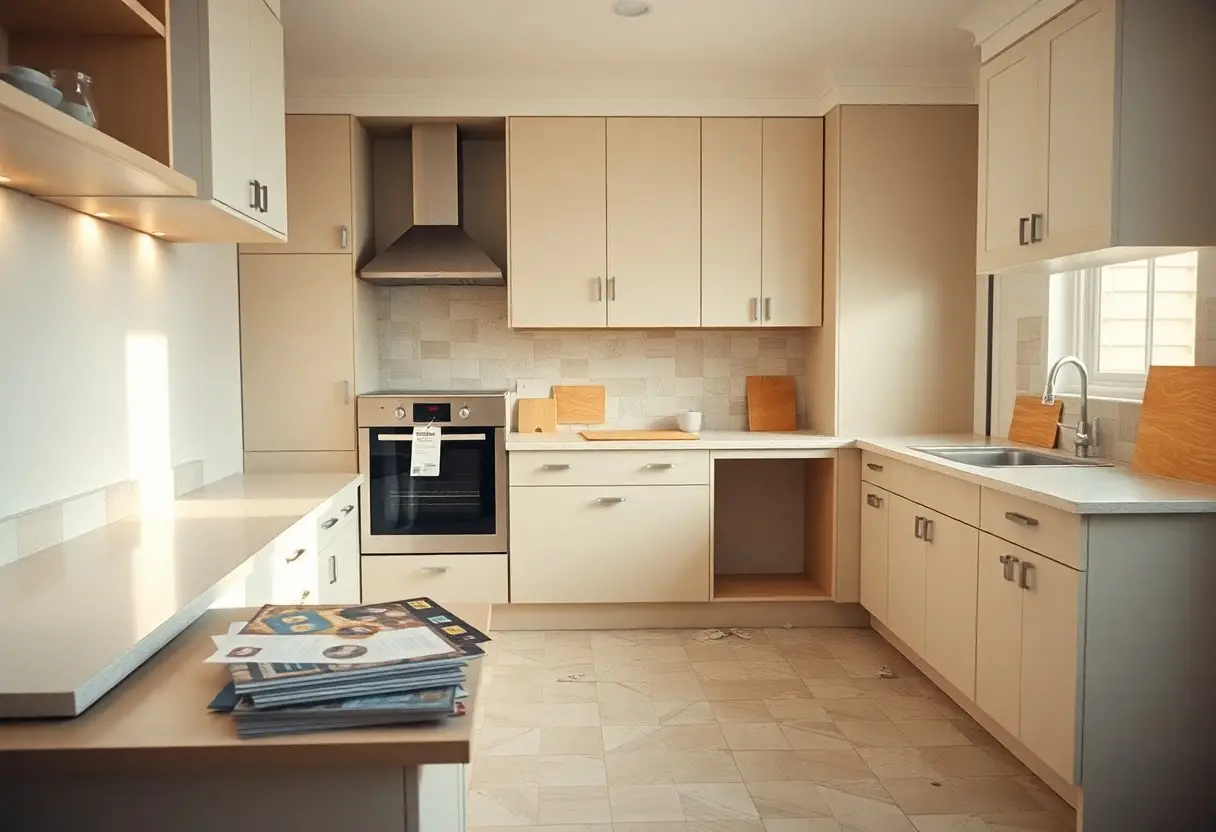
Certain renovations demand professional intervention due to their complexity and the potential risks involved. If you’re considering a major kitchen remodel, for example, involving new plumbing, electrical, and structural work, consulting a licensed contractor is necessary. Homebuyers often prioritize functional layouts and modern finishes, making this area a valuable investment. Moreover, professionals bring experience and access to tools that can guarantee quality and compliance, saving you time and reducing stress during the renovation process.
Hiring experts is particularly beneficial when changes involve safety or significant structural alterations, such as rewiring electrical systems or cutting through load-bearing walls. Licensed professionals not only perform work to meet stringent building codes but also offer warranties for their services and materials. This reduces your concerns about future issues related to poor workmanship. For instance, a licensed electrician can ensure your new fixtures are correctly installed to prevent potential hazards, ultimately saving you headaches and costs down the line.
Trends That Aren’t Worth the Hype: Avoiding Costly Mistakes
Home trends can often sound appealing but may not always deliver value. Investing in features that carry little long-term appeal—like ultra-modern fixtures or highly specific color palettes—can lead to regrets and decreased home value. Focus on timeless elements that withstand the test of time, rather than chasing fleeting trends that may soon be outdated. Researching the longevity and resale potential of various upgrades can save you from costly mistakes that may require future renovations to rectify.
The Newest Fads vs. Timeless Designs: Investing Wisely
While trends can provide exciting new styles, timeless designs ensure lasting value. Investing in classic styles like shaker cabinets or neutral color palettes offers more long-term appeal than trendy options like neon accents or industrial fixtures. Prioritizing these lasting choices not only enhances your enjoyment of the space but significantly boosts its marketability.
Over-Improving: Recognizing the Value Ceiling
Being aware of your neighborhood’s value ceiling is important to avoid over-improving your home. Spending excessively on lavish renovations can lead to a situation where your home’s features exceed what buyers in your area are willing to spend. For instance, installing a high-end kitchen might not recoup costs in a modest neighborhood, while basic upgrades could provide a more beneficial return on investment.
Understanding your local real estate market is key to striking the right balance between luxury and practicality. For example, if homes in your area average around $300,000, spending $100,000 on a gourmet kitchen could deter potential buyers who are seeking properties at a more typical price point. Focus on enhancements that align with the median home value while keeping some standout features, ensuring your renovations improve both livability and resale appeal without going beyond market expectations.
Conclusion
Considering all points, understanding where to spend and where to save in your home renovations can significantly impact both your budget and the overall outcome. Prioritize high-quality materials and workmanship in areas that enhance your home’s value and functionality, such as kitchens and bathrooms. Conversely, look for opportunities to cut costs in less critical areas, where DIY solutions or budget-friendly options can suffice. By making informed decisions, you can achieve a successful renovation that reflects your style without overspending.