
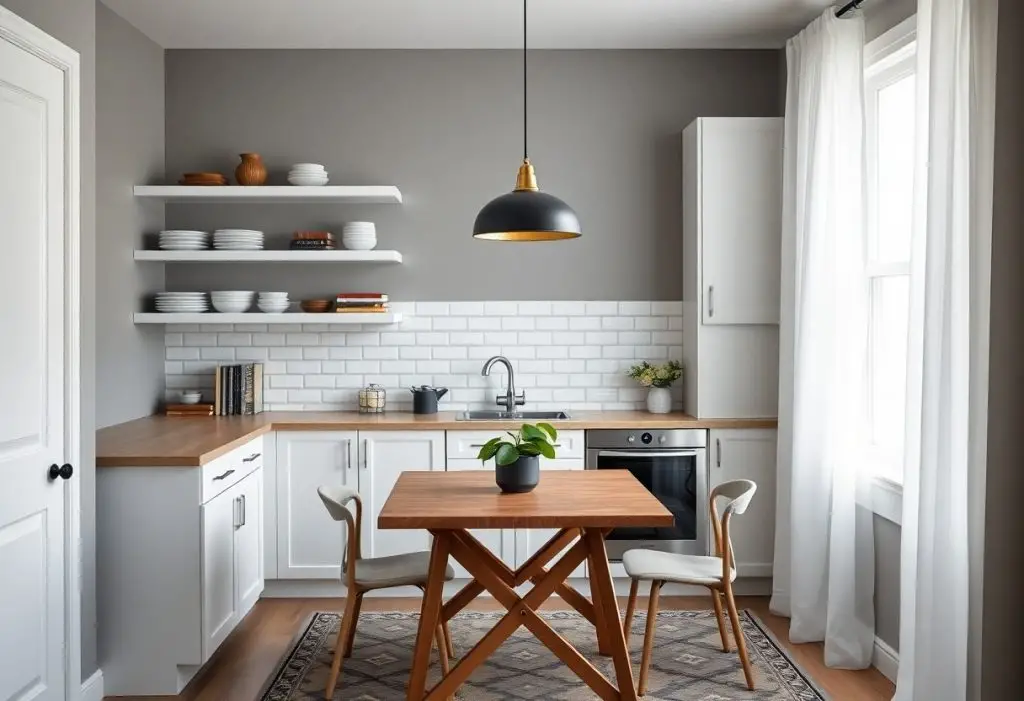
It’s easy to transform small spaces: you can refresh paint, swap fixtures, and tweak lighting for big impact, avoid electrical hazards, and secure lasting value with smart, affordable choices.
Key Takeaways:
- Fresh paint and new trim instantly change room mood and cost relatively little compared with larger renovations.
- Updated lighting like layered fixtures, under-cabinet LEDs, and dimmers improves functionality and makes spaces feel larger.
- Hardware and fixture swaps (cabinet pulls, faucets, doorknobs) refresh style with minimal time and expense.
- Smart storage and multifunctional furniture free floor space and reduce visual clutter, increasing perceived room size.
- Mirrors, strategic window treatments, and houseplants boost natural light and add texture for a more inviting feel.
The Power of Strategic Lighting
Lighting reshapes mood and perception, letting you highlight focal points and enlarge small areas; use layered sources to control flow. Proper placement enhances function and style, while neglected wiring or harsh fixtures can cause glare and fire risks, so plan installations carefully.
Layering Ambient and Task Lighting
Combine soft ambient fixtures with focused task lights so you can shift atmosphere and protect your eyes; install dimmers for precise control. Layered lighting boosts comfort and usability, but overly bright task lamps may produce glare, so aim lights where they serve you best.
Modernizing Fixtures for Immediate Aesthetic Value
Swap dated pendants and hardware to refresh rooms quickly; match finishes to your palette and choose LEDs for energy savings. Avoid DIY rewiring-exposed or loose connections introduce fire and shock hazards, so prioritize safety when updating fixtures.
Choose fixtures sized to room scale-flush mounts for low ceilings, statement pendants for taller spaces, and sconces to frame seating or art. You should select high-CRI LEDs and the right Kelvin temperature to keep colors accurate, add dimmers or smart switches for ambiance, and hire a licensed electrician for any wiring changes; check fixture and box ratings to prevent fire or structural failure.
Refreshing Surfaces with Paint and Color
You can transform tired walls with fresh hues, proper prep, and a quality primer; durable, washable finishes simplify upkeep, and testing for lead paint in older homes prevents health hazards.
Creating Depth with Statement Accent Walls
Bold accent walls let you create instant depth-choose a high-contrast color or textured paint on one wall, then balance furniture and lighting so the room reads as intentional and balanced.
Revitalizing Trim and Doors for a Polished Look
Spruce trim and doors by sanding, using a stain-blocking primer, and applying a semi-gloss finish for easy cleaning; you should remove hardware and mask floors to protect surrounding surfaces and address any lead paint concerns first.
Start by removing hardware, filling dents, and sanding until surfaces are smooth, then apply a stain-blocking primer. Choose a water-based enamel for quicker drying and lower VOCs or an oil-based option for extreme durability so you can match finish to use. Wear a respirator, ensure good ventilation, and use a HEPA vacuum when sanding older layers to control dust and limit exposure to lead paint hazards.
High-Impact Kitchen and Bathroom Refinements
Kitchens and bathrooms reward small upgrades: swap handles, refresh hardware, and update fixtures to deliver big visual and functional gains. You can cut maintenance and increase resale appeal with minor work and low-cost investments.
Upgrading Hardware and Cabinet Pulls
Change cabinet pulls and hinges to instantly modernize finishes; choose styles that hide fingerprints and are durable. You should match scale and spacing, and swap outdated knobs for longer pulls to create a refreshed look with minimal effort.
Swapping Faucets and Showerheads for Modern Luxury
Replace old faucets and showerheads to add style and water-saving performance. You can pick finishes like matte black or brushed nickel, and opt for low-flow or thermostatic models to cut bills and improve comfort.
Choosing the right fixtures means checking flow rates, valve compatibility and finish durability before you buy. You should verify mounting holes and water pressure, because improper installation can cause leaks, low pressure or mold. Prioritize lead-free materials and models with warranties, and consider a licensed plumber for thermostatic or wall-mounted setups to ensure safe, long-lasting results.
Enhancing Floors and Vertical Space
Floors and walls let you refresh rooms without major renovations; you can use rugs to define zones, swap paint or wallpaper for vertical interest, and add shelving to increase storage. Watch for slippery rugs and ensure secure anchors to avoid accidents.
Utilizing Area Rugs to Define Functional Zones
Rugs help you delineate seating and dining areas in open rooms; choose size and pattern to anchor furniture, pick low-pile in high-traffic spots, and use grippers to prevent trips.
Implementing Floating Shelves for Decorative Storage
Shelves let you display decor and keep necessarys off counters; mount into studs or use heavy-duty anchors, keep weight limits in mind, and arrange items to balance function and style with secure installation to avoid falls.
When installing, you should locate studs with a reliable stud finder, mark level points, and use long screws into studs for heavy loads; for drywall-only mounting, pick toggle bolts rated for weight, spread items evenly, and test each shelf’s load capacity before full use to prevent accidents while keeping a clean, curated display.
Maximizing Curb Appeal and First Impressions
Curb appeal sends a clear message: you can boost first impressions with a fresh coat of paint, a tidy porch, and strategic lighting that welcomes guests and improves security.
Updating the Entryway and Front Door Hardware
Upgrade your entry by swapping worn hardware, adding a sturdy deadbolt and a stylish handle, and choosing weather-resistant finishes to protect investment and improve security.
Low-Maintenance Landscaping and Outdoor Lighting
Outdoors, you can choose drought-tolerant plants, mulch, and solar pathway lights to cut upkeep while highlighting walkways and reducing trip hazards.
Consider grouping plants by water needs, installing drip irrigation, and using mulch to conserve moisture and lower upkeep. You should pick native perennials, ornamental grasses, and succulents for beds that stay attractive with minimal care. For lighting, you can mix solar and low-voltage fixtures, space pathway lights 8-12 feet apart, add motion sensors for security, and have an electrician handle exposed wiring to avoid electrical hazards. Routine checks for loose pavers and overgrown edges prevent trip hazards and keep the approach looking sharp.

Smart Storage and Organizational Solutions
You can reclaim floor space with vertical shelving, labeled bins, and wall hooks; prioritize clear pathways to avoid blocked exits or fire hazards, and set a quarterly purge to keep clutter controlled and functional.
Optimizing Closet and Pantry Layouts
Rearrange shelves by frequency of use, keep heavy items low, and install adjustable racks so you maximize usable storage while reducing the chance of overloaded shelves that might collapse.
Utilizing Hidden Storage Furniture for Small Spaces
Consider ottomans with lift tops, beds with built-in drawers, and benches with compartments to hide clutter; hidden storage boosts floor openness and keeps everyday items accessible.
Tuck storage into under-seat drawers and stair risers, but check frame strength and weight limits; line compartments for air flow, avoid storing flammable materials in enclosed wooden boxes, and add locks for valuables so you maintain safety, longevity, and quick access.
Final Words
From above you see how targeted updates-paint, lighting, storage, hardware-deliver clear aesthetic, functional, and resale gains without major renovation; choose priorities and execute with confidence.

FAQ
Q: How can I make a small room feel larger without major renovations?
A: Open up sightlines by removing bulky furniture and arranging pieces to create clear pathways. Choose light, neutral paint colors to reflect natural and artificial light and unify the space. Hang mirrors opposite windows to increase perceived depth and brightness. Pick multipurpose furniture, such as storage ottomans, nesting tables, or a daybed with drawers, to reduce clutter. Use vertical storage like tall shelving and wall-mounted cabinets to free floor area. Keep window treatments simple and hung close to the ceiling to raise the perceived height of the room.
Q: What affordable upgrades deliver the biggest visual impact?
A: Paint kitchen cabinets and drawer fronts for a fresh, modern look; materials typically cost $100-300 and the project can be completed in a weekend. Replace dated cabinet hardware and door handles with coordinated, contemporary pieces for $50-150 to update style instantly. Swap basic light fixtures for pendant lights or LED fixtures to transform mood and improve task lighting; budget $50-200 per fixture. Install peel-and-stick vinyl flooring in small areas as a low-cost refresh that can be done in a day. Add simple trim like baseboards or crown molding to make rooms look finished and more upscale. Upgrade faucets and showerheads for better finish and performance; many replacements take a few hours and cost $70-250.
Q: What quick DIY projects boost comfort and resale appeal?
A: Swap tired bulbs for warm LED options and add dimmers to improve comfort and lower energy use. Install a programmable or smart thermostat to reduce bills and appeal to buyers; many models mount in 20-30 minutes. Refresh grout and recaulk around tubs, showers, and sinks to make bathrooms and kitchens look well cared-for; this costs under $50 in materials. Add closet organizers or adjustable shelving to increase usable storage without major construction. Replace worn door knobs, switch plates, and outlet covers for a clean, consistent finish when showing the home. Stage main rooms by decluttering and placing five to eight focal items, such as a rug, lamp, artwork, a throw, and a plant, to help buyers imagine living there.