
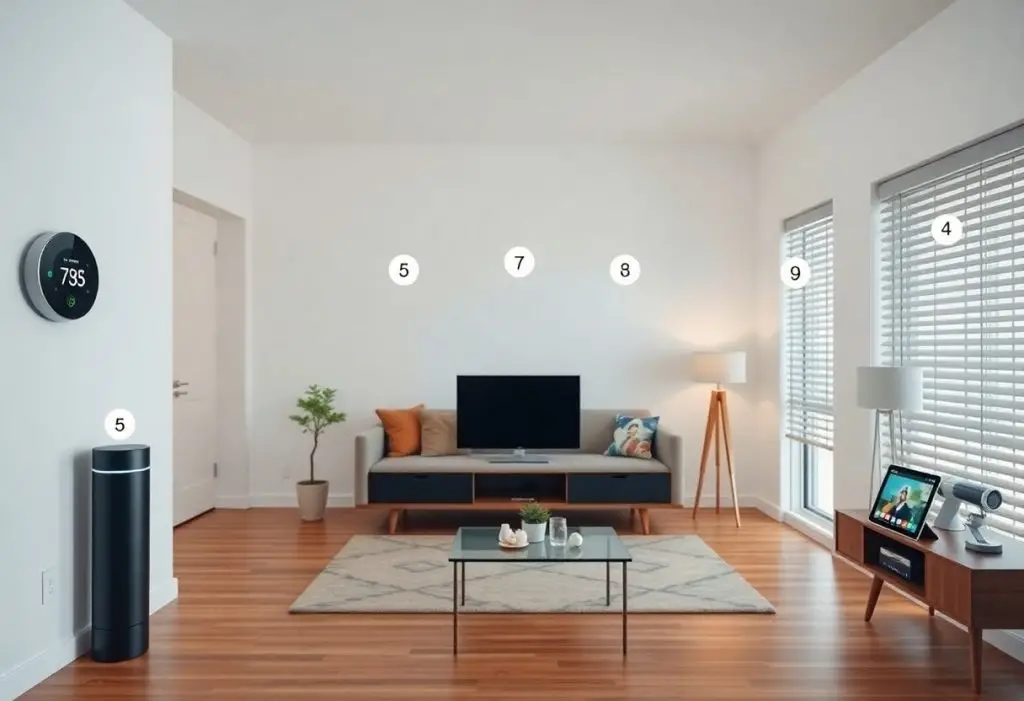
Many homeowners find success by following a clear plan; you should prioritize planning, assess risks like electrical hazards, choose reliable devices, and aim for energy savings.
Key Takeaways:
- Create a clear plan listing goals, timeline, and budget before purchasing devices.
- Prioritize improvements that increase comfort and resale value, such as insulation, windows, and efficient heating.
- Choose user-friendly smart devices that integrate with your hub and support standard protocols like Z-Wave, Zigbee, or Matter.
- Test compatibility and security: change default passwords, enable firmware updates, and segment IoT devices on a separate network.
- Schedule professional installation for complex systems and set up a simple maintenance routine to keep devices updated and performing.
Define Your Project Goals
You should outline what you want from your smart home: comfort, security, or energy savings. Prioritize needs, set a budget, and list devices. Clear goals reduce waste and prevent costly mistakes.
Assess current needs
You should audit current routines, wiring, and Wi‑Fi coverage to see what needs upgrading. Note any security gaps and power limitations that could derail plans.
Set specific objectives
You must set measurable targets: budget caps, device counts, timeline, and expected energy or security improvements. Use strict budget and clear deadlines to avoid scope creep.
You should break objectives into short-term wins and long-term outcomes, assigning costs and deadlines to each. Include performance metrics like percent energy reduction or number of automated routines. Consider vendor compatibility and security risks that could expose devices; track potential savings as a positive ROI. Keep a contingency fund for unexpected failures.
Set A Realistic Budget
You list every upgrade, set a max spend per item, and compare quotes to avoid surprise bills. Track permits and labor costs, and aim for a budget that balances quality and cost. Include a contingency to prevent delays and avoid unsafe shortcuts while preserving long-term savings.
Estimate material costs
You research prices for devices, finishes, and wiring; get multiple quotes and check bulk discounts. Factor shipping, taxes, and returns. Underestimating materials causes delays; keep a detailed list so you can adjust before work begins.
Allocate contingency funds
You set aside 10-20% of the total budget for surprises like hidden damage or code compliance. Treat this fund as untouchable until urgent needs arise. Insufficient contingency forces compromises that create safety hazards and delays; a proper reserve protects quality and timelines.
You review the contingency after major milestones, log every expense, and avoid tapping it for nonnecessary upgrades. Prioritize work that affects safety or code. Track expenses closely and raise the contingency for older homes, complex wiring, or hidden structural issues.
Research Quality Materials
You should research materials by checking certifications, construction quality, and user reports; choose items with industry certifications and clear warranties to avoid costly failures.
Compare brand reviews
You should compare brand reviews across retailers and forums, weighing high ratings, repeat complaints, and expert tests to spot danger signs like failures or recalls.
Review Comparison
| What to check | Why it matters |
|---|---|
| Average rating | Indicates overall user satisfaction |
| Common complaints | Reveals recurring failures or hazards |
| Warranty & support | Shows manufacturer confidence and repair options |
Prioritize long-term durability
You should prioritize materials with long lifespans, corrosion resistance, and tested fire safety; pay more upfront to avoid frequent replacements and hidden hazards.
Assess IP and UL ratings, choose metal or UV-stable plastics for outdoor gear, and check mean time between failures or uptime reports. Expect higher upfront cost but lower annualized expense; watch for cheap components that raise fire risk or fail under load. Maintain components per manufacturer guidance to keep the warranty valid and performance steady.
Hire Skilled Professionals
You should hire skilled professionals for complex smart-home projects; licensed, experienced technicians reduce installation errors, protect warranties, and boost system reliability while keeping electrical and data work safe.
Check contractor references
You must check contractor references by contacting past clients and viewing finished work; ask about timelines, cleanup, communication, and whether installations perform as promised. Poor references signal risk.
Verify insurance coverage
You should verify insurance coverage before work begins; request certificates for general liability and workers’ compensation and confirm policy dates and limits. Uninsured work can leave you financially liable.
You can ask the insurer to confirm coverage, require an additional insured endorsement, ensure policy limits meet local code and project size, and verify workers’ comp covers all on-site employees to avoid claims against you.
Create A Detailed Timeline
You should map every task with dates, resources, and dependencies so your project stays on track. Set clear priorities and use calendars or apps to visualize progress. On-time completion depends on this planning; missed sequencing can cause expensive setbacks.
Establish milestone dates
You should set milestone dates for phases such as design, permits, and installation. Assign owners and add buffer days. Milestones let you measure progress and flag issues early; slipping milestones signal budget and schedule risk.
Plan for potential delays
You should identify likely delays from permits, supply shortages, or weather and build contingency into dates. Keep vendors informed and create a backup plan. Buffer time protects your timeline; ignoring delays can cause costly overruns.
You should track lead times for major items, confirm delivery dates, and schedule inspections early. Maintain a prioritized task list so you can shift work when delays hit. Proactive communication with contractors reduces surprises; unchecked delays increase the chance of safety risks and higher costs.
Secure Required Permits
You must secure local permits before major smart home work begins. Proper permits ensure legal compliance, reduce risk of costly fines, and protect resale value. Contact your building department and confirm required paperwork and inspections to keep the project safe and approved.
Research local codes
You should research local electrical and building codes before planning device placement and wiring. Local rules may restrict certain installations and dictate safety standards; ignoring them can cause failed inspections or hazards. Check municipal websites and talk to inspectors for clear guidance.
Complete necessary applications
You must complete permit applications accurately, including project scope, contractor details, and technical specs. Incomplete forms delay approval and can trigger inspections or fines. Keep copies of submissions and follow up with officials until you receive formal approval.
You can speed approvals by attaching clear diagrams, manufacturer specs, and electrician licenses. If you hire a licensed contractor, their experience reduces mistakes and unsafe work. Missing signatures or wrong fees cause rejections and costly delays; aim for complete documentation to secure timely approval and avoid fines.
Focus On Energy Efficiency
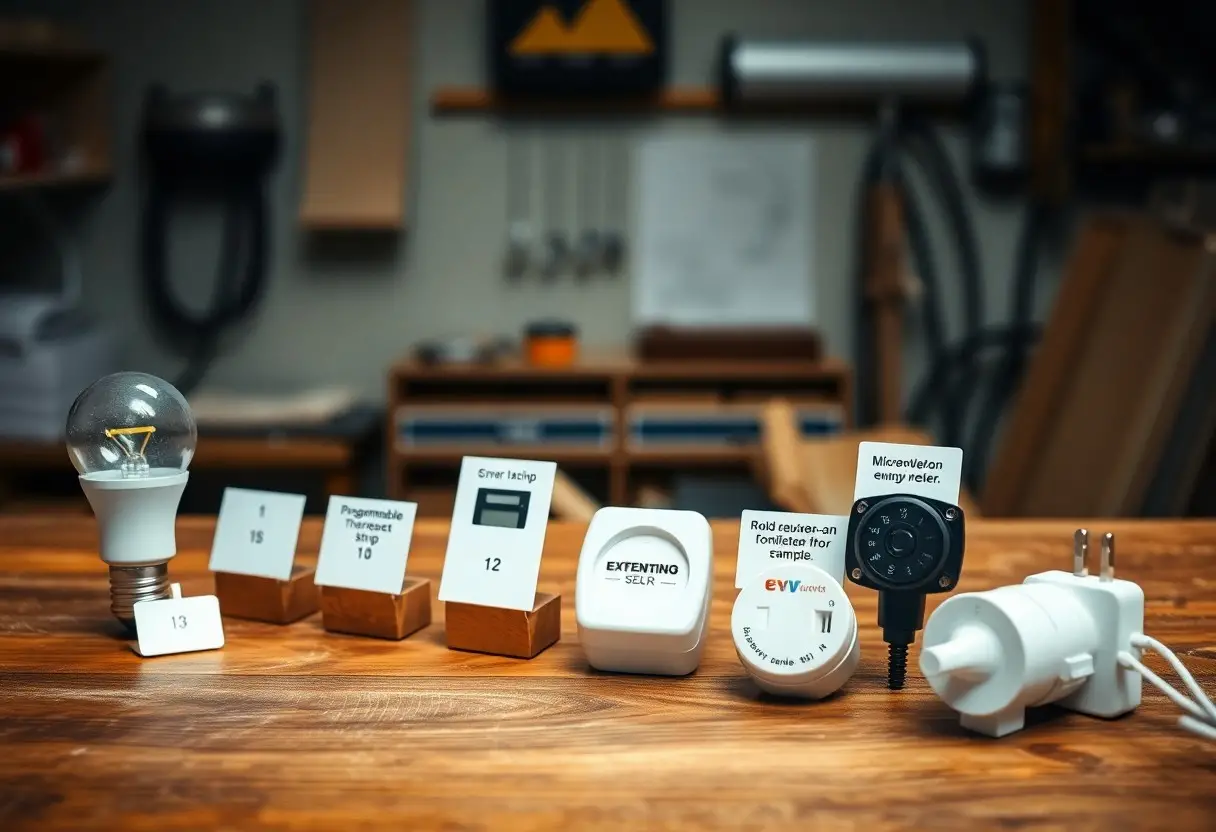
You can cut bills and carbon by prioritizing efficient upgrades: LED lighting, low-flow fixtures, and proper insulation. Target areas with high heat loss and install controllable systems to reduce waste. Expect lower utility costs and a smaller carbon footprint when you act strategically.
Upgrade home insulation
You should seal gaps, add attic and wall insulation, and upgrade windows to stop drafts. Proper insulation improves comfort and cuts heating and cooling use. Consider professional air-sealing to address hidden leaks and get better comfort and lower bills.
Install smart thermostats
You can replace manual controls with smart thermostats to optimize schedules and reduce waste. Use geofencing and learning modes to adjust temperatures automatically. Expect night and away setbacks to yield real energy savings while keeping comfort high.
You should verify HVAC compatibility and C-wire needs before buying; improper wiring can trip breakers or damage equipment. For gas furnace or high-voltage lines hire a pro. Expect 30%+ seasonal savings in smart scheduling, but secure your network to prevent remote access; weak passwords pose a security risk.
Maintain A Safe Workspace
You keep your work area clear, well-lit, and ventilated to reduce accidents. Remove trip hazards, secure electrical cords, and keep a fire extinguisher nearby. Organized space protects you from injuries and helps projects finish faster.
Utilize protective equipment
You wear appropriate PPE: safety goggles for flying debris, gloves for cuts, a dust mask for sanding, and hearing protection for loud tools. Proper protection reduces injury risk and helps you work confidently.
Keep tools organized
You store tools in labeled bins or on a pegboard so sharp tools and power tools are secure. Organized tools cut search time, reduce accidents, and make repairs faster.
You organize by frequency of use, keeping daily tools within reach and rarely used items in labeled bins. Store blades in sheaths and lock up power tools to prevent access. Coil and secure cords to remove trip hazards, inspect tools for defects, and wipe equipment after use. These habits protect you from cuts, electrical shocks and wasted time while improving workflow.
Monitor Ongoing Progress
You track daily milestones and compare work to plans, using photos and checklists. Keep an eye on schedules and budgets, flagging delays or budget overruns. Watch for safety hazards and quality issues. Regular checks keep the project on time and on budget.
Conduct daily walkthroughs
You walk the site each day, inspecting completed work, noting defects, and taking photos. Check for open wiring, tripping hazards, and wet floors. Short notes and quick fixes prevent bigger problems and keep momentum.
Communicate with workers
You hold brief daily meetings to assign tasks, confirm standards, and review safety. Give clear, written instructions and set deadlines. Praise good work and address issues immediately to maintain morale and quality.
You document change orders, safety incidents, and payment terms in writing, and share updates via app or group chat. Require PPE and flag any unsafe behavior immediately. Timely payments and clear expectations keep teams motivated and project on schedule.
Complete Final Walkthroughs
You perform a final walkthrough to confirm every system works and finishes meet expectations. Check smart devices, wiring, and plumbing for electrical hazards or leaks. Use a checklist, test automation scenes, and note items for correction to protect warranties and ensure safety.
Check finishing details
You inspect paint, trim, outlets, and flooring for gaps, chips, or loose fixtures. Verify outlet covers and device plates are secure and label circuits. Mark cosmetic and functional fixes on your punch list and flag any exposed wiring or uneven flooring as dangerous.
Ensure total satisfaction
You confirm all systems match expectations, run user scenarios, and verify app controls respond. Ask for manuals and warranty info; get contractor sign-off on corrected items. Keep a record to secure warranty protection and to prove complete satisfaction.
You set a deadline for corrections and require written acknowledgment of completed fixes. Hold final payment until contractors clear safety hazards and cosmetic defects, and verify smart scenes and backups work. Save communications and invoices to enforce the contract and protect your warranty.
Conclusion
On the whole you can achieve smart home improvement success by planning priorities, setting a realistic budget, choosing compatible devices, securing your network, and testing each upgrade; consistent maintenance and measured updates keep systems efficient and cost-effective.
FAQ
Q: How should I begin implementing the “10 Simple Steps To Smart Home Improvement Success” plan?
A: Start with a clear goals list that names the problems you want to solve and the benefits you expect, such as energy savings, security, or convenience. Set a realistic budget and timeline that break the project into phases: planning, core infrastructure (network and power), device selection, and automation rules. Create a floor-by-floor inventory of outlets, wiring, and network coverage to identify weak spots before buying equipment. Prioritize upgrades that deliver the largest day-to-day impact first, for example smart thermostats, security sensors, and reliable Wi-Fi. Keep documentation for each phase: receipts, device models, account logins, and diagrams of device locations and wiring.
Q: How can I ensure device compatibility and maintain strong security throughout the upgrade?
A: Choose a primary control platform early, such as a major voice assistant or a dedicated home automation hub, and verify that new devices explicitly list compatibility with that platform. Favor devices supporting open standards like Zigbee, Z-Wave, or Matter when possible to reduce vendor lock-in. Segment your network by placing IoT devices on a separate VLAN or guest network to limit lateral access to sensitive computers and files. Update firmware and apps as part of routine maintenance and enable two-factor authentication on vendor accounts when available. Change all default passwords, disable UPnP on the router, and review device permissions to remove unnecessary cloud access.
Q: Which tasks are safe for DIY and which should I hire a professional for during smart home improvements?
A: Simple installations such as smart plugs, bulbs, plug-and-play sensors, and many smart speakers are generally safe for DIY and can be completed with basic tools and the manufacturer’s instructions. Complex electrical work, hardwired multi-room audio, in-wall smart switches that require new wiring, changes to load-bearing structures, and HVAC integrations should be performed by licensed electricians or HVAC technicians to comply with code and ensure safety. Obtain multiple quotes, ask for permits and proof of insurance, and request references and examples of prior smart-home work before hiring. Schedule a final walkthrough and a short orientation session with the installer to learn system operation, backup procedures, and how to troubleshoot common issues.