
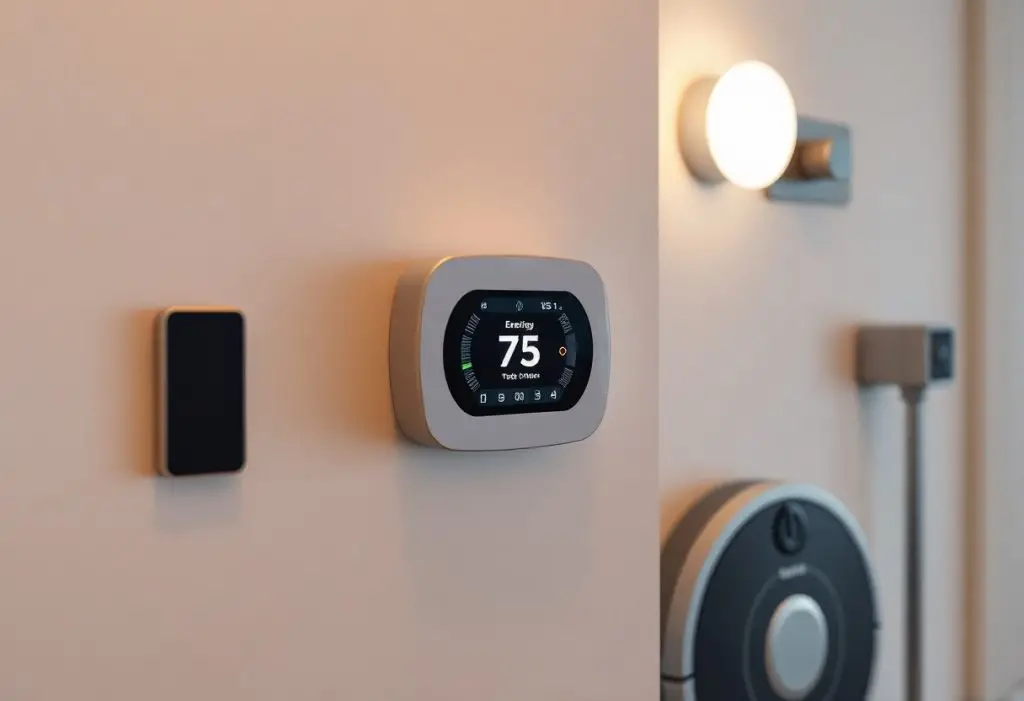
Just by integrating smart thermostats into your home automation system, you can unlock significant energy savings while enhancing your comfort. These advanced devices allow you to control your home’s temperature effortlessly, optimizing heating and cooling based on your preferences and routines. By utilizing features such as remote access and learning capabilities, smart thermostats enable you to reduce energy waste, ultimately leading to lower utility bills. In this post, we’ll explore how you can maximize these benefits, making your home more energy-efficient and environmentally friendly.
Understanding Smart Thermostats
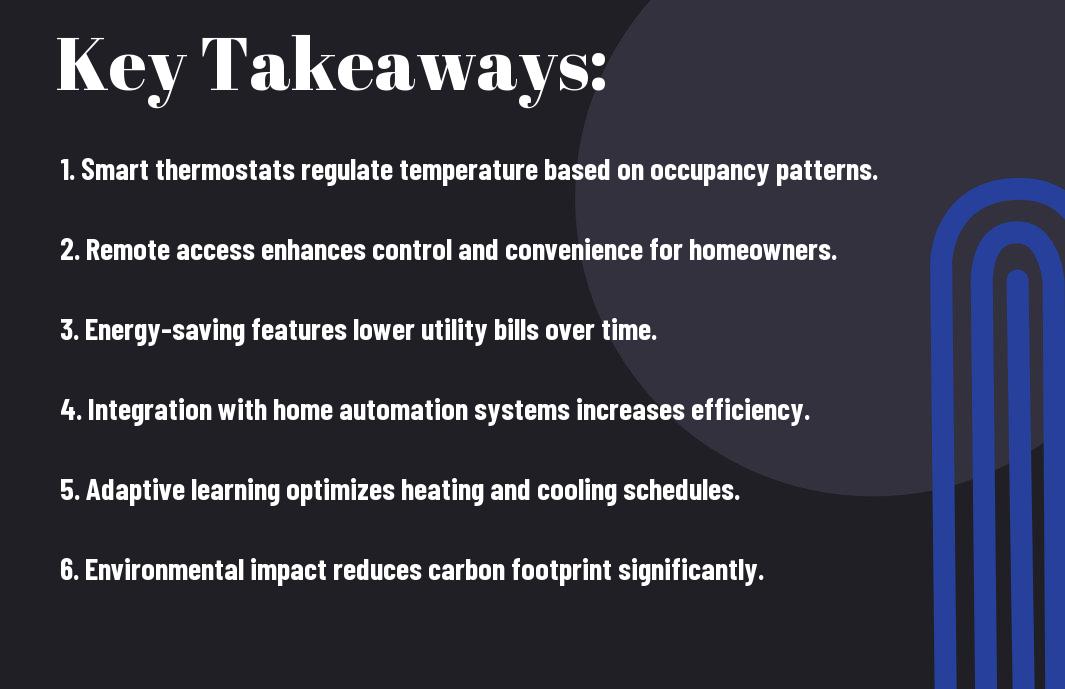
While traditional thermostats require manual adjustments to control your home’s temperature, smart thermostats bring automation and intelligence to the process. These devices not only sense your heating and cooling needs but also adapt to your preferences and routines. By learning your schedule and adjusting accordingly, smart thermostats allow you to maintain comfort while maximizing energy efficiency, ultimately saving you money on utility bills.
How Smart Thermostats Work
About smart thermostats employ advanced algorithms and connectivity to monitor your home’s temperature and patterns. They use built-in sensors to make real-time adjustments based on your behavior and can be controlled remotely via smartphones or other devices. Many models also integrate with weather forecasts, ensuring optimal energy use regardless of external conditions.
Key Features of Smart Thermostats
Any smart thermostat comes equipped with features designed to enhance convenience and energy efficiency. Key features typically include:
- Wi-Fi connectivity for remote access
- Learning capabilities to understand your schedule
- Energy usage reports to track consumption
- Integration with other smart home devices
- Voice control compatibility with virtual assistants
Recognizing these features can significantly impact your decision when choosing a smart thermostat to optimize energy savings in your home.
With advanced technology rapidly evolving, smart thermostats now boast even more functions that can further enhance your experience. You can find features like geofencing, which adjusts temperatures as you leave or approach home, and compatibility with renewable energy sources. Some models even include smart alerts for system maintenance, ensuring your heating and cooling systems run efficiently. Additionally, you can program schedules tailored to your lifestyle, minimizing energy waste based on your routines. Recognizing these features will help you select a smart thermostat perfectly suited to your needs.
Benefits of Smart Thermostats
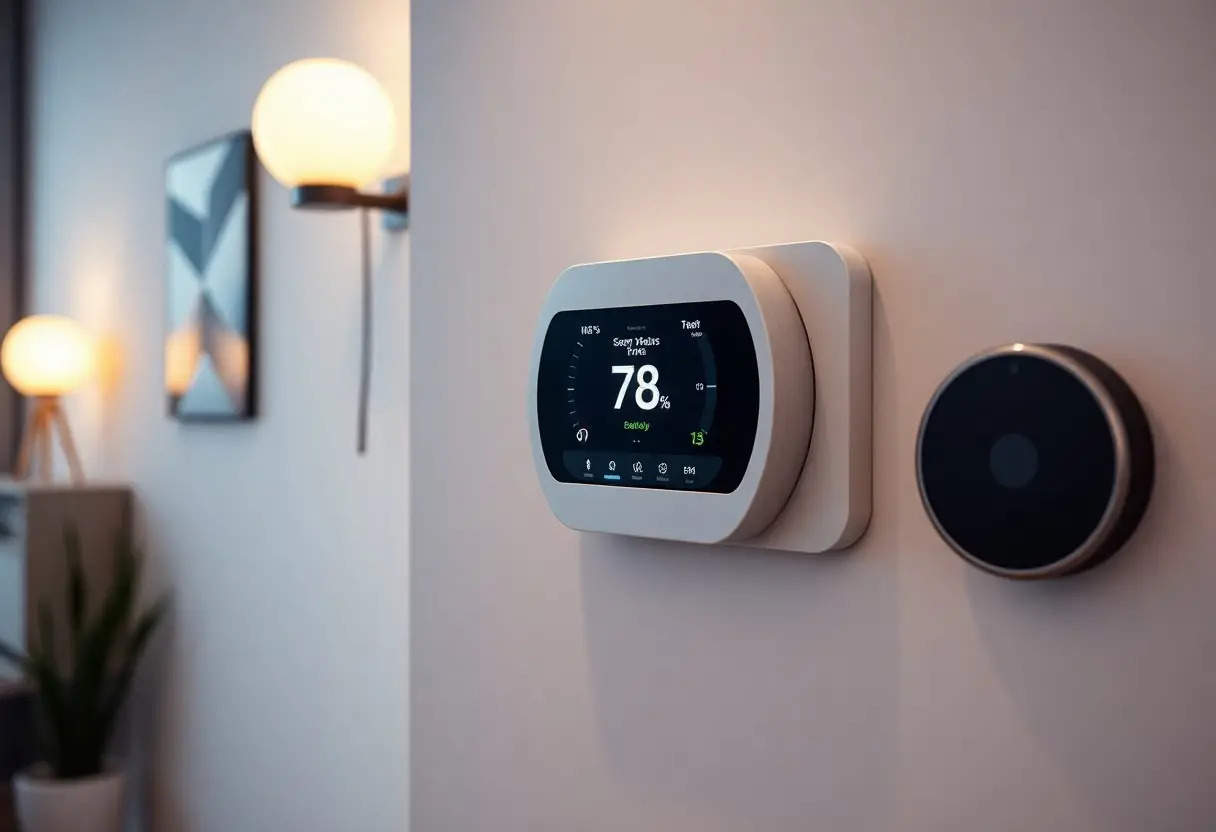
You stand to gain numerous advantages by integrating smart thermostats into your home automation system. These innovative devices provide seamless control over your heating and cooling, allowing you to create schedules, adjust settings remotely, and optimize energy usage. As a result, you can enjoy improved energy efficiency, enhanced comfort, and significant cost savings on your utility bills, making smart thermostats an excellent investment for your home.
Energy Savings Potential
The energy savings potential with smart thermostats is substantial. By automatically adjusting the temperature based on your daily routines and preferences, these devices can reduce energy consumption when you’re away from home. Many models also provide insights and reports on your energy usage patterns, enabling you to make informed decisions that further enhance your savings.
Enhanced Home Comfort
The enhanced home comfort offered by smart thermostats cannot be overstated. These devices allow you to maintain your preferred temperature settings effortlessly, ensuring your home remains welcoming no matter the season.
To elevate your living experience, smart thermostats adapt to your lifestyle and preferences, learning when you are home or away. With features like remote access and zoning capabilities, you can fine-tune the climate in different areas of your house, achieving personalized comfort while also promoting energy efficiency. This means you can come home to a perfectly tempered space without excess energy use or worrying about your thermostat settings while you’re away.
Integration with Home Automation Systems
For a truly efficient home, integrating smart thermostats with your home automation systems is crucial. This allows seamless communication between devices, optimizing your energy usage while enhancing overall comfort. By linking your thermostat to other elements like lights, security systems, and appliances, you can create a synchronized environment that adapts to your lifestyle, ensuring you make the most of your energy savings.
Creating a Connected Home Environment
Home automation helps you establish a connected environment that maximizes efficiency and convenience. By linking your smart thermostat to various devices such as smart speakers, doors, and lights, you can create routines that align with your daily activities. This interconnectedness allows your home to respond automatically to your preferences, contributing to a more comfortable living space while minimizing unnecessary energy consumption.
Compatibility with Other Smart Devices
Behind the scenes, compatibility between your smart thermostat and other devices can significantly enhance your home automation experience. Ensuring that your thermostat works effectively with your smart lights, locks, and sensors allows you to create customized settings that help save energy while providing added levels of convenience and control.
Systems that incorporate multiple smart devices are typically designed to communicate with one another, providing you with a more cohesive user experience. Look for smart thermostats that feature compatibility with popular smart home ecosystems like Amazon Alexa, Google Home, or Apple HomeKit. This ensures that you not only centralize control over your energy management but also enhance comfort by automating responses based on your habits and preferences. By choosing devices that work well together, you can take full advantage of the efficiencies offered by a connected home environment, making your energy-saving efforts both streamlined and impactful.
Installation and Setup
After you’ve selected your smart thermostat, installation and setup are the next steps to unlocking its energy-saving potential. Most smart thermostats are designed for user-friendly installation, allowing you to replace your old unit with ease. You’ll typically need basic tools and some guidance from the product manual or online resources, ensuring you’re ready to enjoy enhanced comfort and efficiency in your home.
Choosing the Right Smart Thermostat
The right smart thermostat for you will depend on your specific needs, home size, and existing heating and cooling systems. Consider factors like compatibility with your HVAC setup, remote access capabilities, and additional features such as learning capabilities or energy usage reports. Researching options can help you make an informed decision that maximizes your energy savings.
Professional vs. DIY Installation
After considering your comfort level with home improvement projects, you may choose between professional installation or a DIY approach for your smart thermostat. If you opt for DIY, ensure you thoroughly understand your existing wiring and the setup process to avoid complications. Alternatively, hiring a professional can provide peace of mind and guarantee proper functionality.
This choice often depends on your technical expertise and the complexity of your HVAC system. While some users find DIY installation straightforward, others appreciate the reassurance that comes with professional assistance. If you’re uncertain about handling electrical wiring or your home has unique heating or cooling demands, seeking expert help can be the best option to ensure your new thermostat operates effectively from the start.
Maintaining Your Smart Thermostat
All smart thermostats require regular maintenance to ensure they operate efficiently and effectively. Taking a few simple steps can prolong the life of your device while helping you save energy.
Regular Maintenance Tips
On a regular basis, you should follow these maintenance tips:
- Clean the thermostat’s sensors to prevent dust build-up.
- Check and replace the batteries as needed.
- Ensure the Wi-Fi connection is stable for optimal performance.
- Update the software to benefit from new features and security improvements.
The consistency in maintenance of your smart thermostat supports its longevity and efficiency.
Troubleshooting Common Issues
After using your smart thermostat for a while, you may encounter some common issues. These could include temperature inaccuracies or connection problems, but many can be easily resolved with a few checks.
Also, it’s important to familiarize yourself with the user manual for specific troubleshooting instructions. Sometimes, a simple reset can fix the issue, or you may need to check the compatibility of your network settings. Keeping your smart thermostat’s firmware updated is another major step to prevent problems. With a proactive approach, you can ensure that your smart thermostat continues to function smoothly.
Future Trends in Smart Thermostats
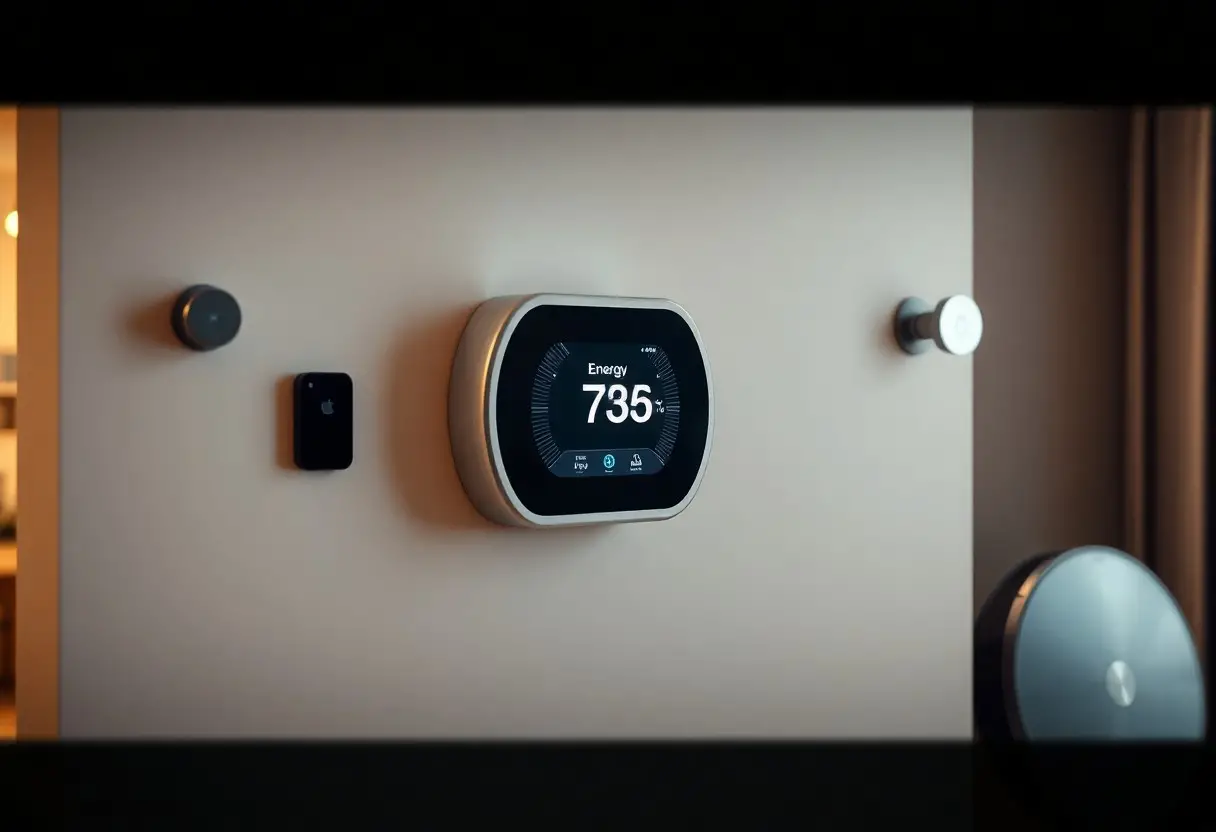
Despite the remarkable advancements in smart thermostat technology, the future promises even greater innovations that will enhance energy savings and user comfort. As more homeowners embrace home automation, you can expect a wave of integration with artificial intelligence and machine learning, enabling devices to learn your preferences for optimized performance. Newer models will also incorporate adaptive algorithms that adjust your home’s heating and cooling based on real-time data including weather patterns and occupancy levels, ultimately enriching your living experience while safeguarding the environment.
Innovations in Technology
Trends suggest that smart thermostats will evolve to include enhanced connectivity and compatibility with various home automation systems. You will find features like voice control, geofencing, and advanced sensors that accurately gauge room occupancy, making your investment more intuitive and efficient. Expect thermostats that can automatically adjust settings based on your lifestyle changes, ensuring that energy consumption is minimized without compromising on comfort.
Impact on Energy Efficiency
Below the surface of innovation lies a significant impact on energy efficiency. Smart thermostats are designed to analyze your heating and cooling patterns, helping you make informed decisions to reduce your carbon footprint. By providing real-time feedback and energy usage statistics, these devices empower you to take action and curtail unnecessary energy waste.
In addition to reducing energy consumption, smart thermostats can also identify trends in your usage habits, allowing you to make adjustments that align with your lifestyle and preferences. With features like scheduling and remote access, you have complete control over your energy usage, ensuring that you never heat or cool an empty home. This not only leads to lower utility bills but also contributes to a more sustainable environment. By adopting these technologies, you’re taking a proactive approach to energy savings and playing a part in the broader effort to conserve resources.
Final Words
Following this exploration of smart thermostats and home automation, you may now recognize the potential benefits these technologies bring for energy savings. By integrating smart thermostats into your home, you can optimize your energy usage, reduce utility bills, and contribute to a more sustainable environment. Embracing these advancements not only enhances your comfort and convenience but also empowers you to take control of your energy consumption effectively. Consider taking the next step towards a smarter living space and unlock these benefits for yourself.