
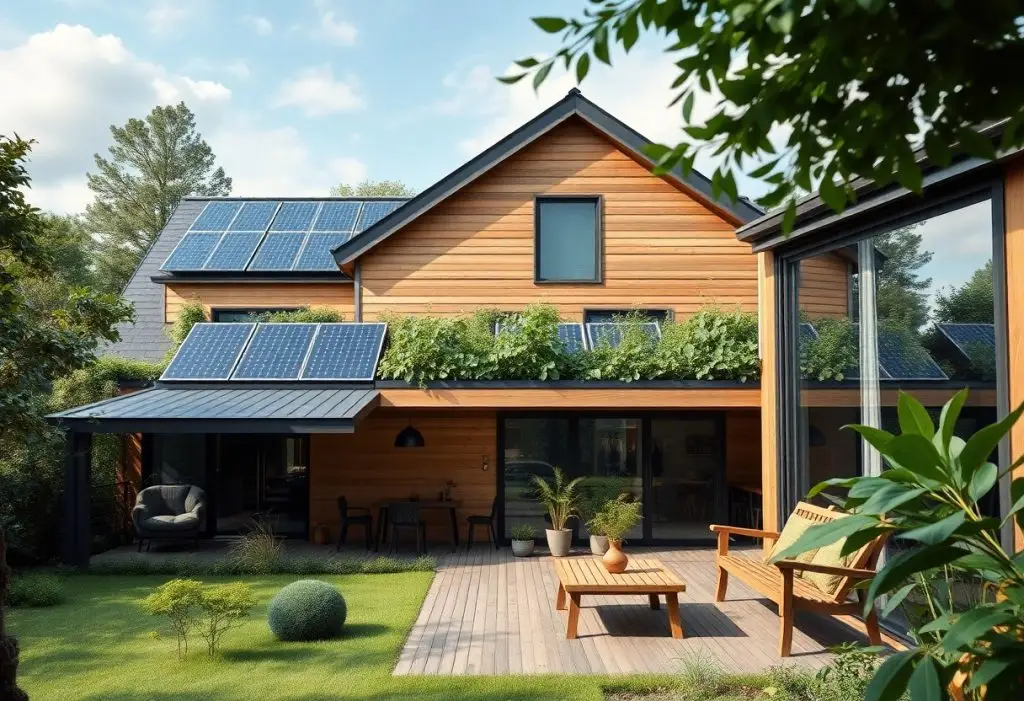
There’s a growing urge to transform your living space into an eco-friendly sanctuary. By embracing sustainable home improvement ideas, you can significantly reduce your carbon footprint while enhancing your home’s aesthetic and functionality. From energy-efficient upgrades to using recycled materials, these practical strategies empower you to create a healthier environment for yourself and future generations. Explore these innovative options to make your home more sustainable and value-driven.
Benefits of Sustainable Home Improvements
Embracing sustainable home improvements not only enhances your living space but also contributes positively to the environment and your wallet. Implementing eco-friendly upgrades leads to a healthier home, reduces carbon footprints, and promotes a sustainable lifestyle. These enhancements create long-term benefits that extend beyond aesthetics, offering both immediate and lasting advantages for you and the planet.
Environmental Advantages
Opting for sustainable home improvements significantly reduces your ecological impact. By using materials with low emissions, such as bamboo flooring or reclaimed wood, and installing energy-efficient appliances, you help to decrease resource consumption and landfill waste. Additionally, incorporating solar panels or green roofs can aid in conserving energy and supporting local ecosystems, creating a more harmonious relationship with nature.
Financial Savings
Investing in sustainable upgrades can lead to substantial savings on utility bills over time. Energy-efficient appliances and improved insulation reduce monthly energy consumption, translating to immediate financial relief. Local and federal incentives for eco-friendly home improvements, such as tax credits or rebates, further amplify your financial benefits, making this an economically savvy choice.
For instance, replacing conventional light bulbs with LED options can lead to a savings of up to $100 per year on your electricity bill. Upgrading to energy-efficient windows may reduce heating and cooling costs by 15-30%. Additionally, many local governments offer programs that reimburse a percentage of costs for solar energy installations, making sustainable choices not just an environmental responsibility, but also a smart financial investment. These cumulative savings can significantly enhance your budget, making sustainability both practical and rewarding.
Energy-Efficient Upgrades
Upgrading to energy-efficient solutions can significantly reduce your utility bills and carbon footprint, making your home more environmentally friendly. Simple improvements, from high-performance insulation to advanced appliances, contribute to a sustainable lifestyle by conserving energy and utilizing resources more efficiently. These upgrades not only benefit the planet but also enhance your comfort and property value.
Insulation and Weatherproofing
Investing in quality insulation and proper weatherproofing techniques can dramatically lower your heating and cooling costs. Sealing gaps around windows, doors, and ducts ensures that your home remains energy-efficient. Options like spray foam insulation or cellulose made from recycled materials can significantly boost your home’s energy performance, keeping it comfortable year-round while reducing reliance on energy sources.
Energy-Efficient Appliances
Transitioning to energy-efficient appliances can lead to substantial savings over time. Appliances certified by Energy Star, for example, use 10-50% less energy than standard models, which translates into lower electricity bills. You’ll find options in every category, from refrigerators to washing machines, often featuring advanced technologies that minimize energy use without sacrificing performance.
Energy-efficient appliances not only consume less power but are also designed to operate more sustainably. For instance, modern dishwashers and washing machines offer high-efficiency cycles using less water, reducing both energy and water waste simultaneously. Additionally, many come equipped with smart features that optimize usage times based on electricity rates, further enhancing your home’s efficiency. Over the lifespan of these appliances, the savings can be significant, contributing positively to your budget and the environment.
Water Conservation Techniques
Implementing effective water conservation techniques not only reduces your environmental impact but also lowers utility bills. Simple changes in your home can lead to significant savings in water usage, which is necessary for sustainable living. By adopting innovative approaches such as rainwater harvesting and low-flow fixtures, you can create a more eco-friendly home while enjoying the benefits of reduced consumption and increased efficiency.
Rainwater Harvesting
Rainwater harvesting systems allow you to collect and store rainwater from your roof for various non-potable uses such as irrigation, toilet flushing, and laundry. By installing a rain barrel or a more complex system, you can significantly reduce reliance on municipal water supplies and lower your water costs. This practice is especially beneficial in regions with variable rainfall, turning a natural resource into an invaluable asset for your home.
Low-Flow Fixtures
Switching to low-flow fixtures can dramatically decrease water consumption without sacrificing performance. These devices include low-flow showerheads, faucets, and toilets designed to use significantly less water while maintaining sufficient pressure and functionality. Replacing standard fixtures with low-flow options can reduce water usage by up to 60%, contributing to a more sustainable lifestyle and reducing your overall water bill.
For instance, low-flow showerheads can limit water usage to 1.5 gallons per minute compared to standard models that consume about 2.5 gallons. By upgrading your faucets and toilets as well, you might see average savings of 20,000 gallons of water per household annually. These upgrades not only conserve water but also support a healthier planet by minimizing the energy required for water heating and treatment, making your home both eco-friendly and cost-efficient.
Sustainable Materials for Home Renovation
Choosing sustainable materials for your home renovation plays a vital role in reducing carbon footprints and enhancing indoor air quality. Prioritizing eco-friendly options such as bamboo, reclaimed wood, and low-VOC (Volatile Organic Compounds) paints can transform your space while minimizing environmental impact. By selecting wisely, you not only create a healthier living environment but also promote a sustainable lifestyle that aligns with your values.
Recycled and Reclaimed Materials
Recycled and reclaimed materials offer an excellent way to incorporate sustainability into home renovations. Salvaged wood, for example, can be repurposed for flooring, furniture, or cabinetry, infusing your space with character and history. Additionally, using recycled metal, glass, and plastics can reduce waste and minimize the demand for new resources, allowing you to create stylish yet eco-friendly designs.
Sustainable Sourcing Practices
Employing sustainable sourcing practices involves selecting materials from suppliers that prioritize environmental stewardship. Look for companies that follow ethical extraction methods and support local economies, which reduces transportation emissions. Certifications like FSC (Forest Stewardship Council) for wood products or Cradle to Cradle for a range of materials ensure sustainability and responsible production. This approach not only fosters a connection with your local community but also encourages the responsible use of natural resources.
By adopting sustainable sourcing practices, you ensure that your renovations not only look good but are also built on a foundation of environmental ethics. Researching your suppliers is necessary; factories and mills using renewable energy or those committed to fair labor practices contribute to a more sustainable ecosystem. Furthermore, local sourcing can drastically cut transportation-related emissions, proving that mindful purchasing is a powerful choice in advocating for a greener planet.
Landscaping for Eco-Friendliness
Landscaping with an eco-friendly mindset transforms your outdoor space into a sustainable haven. By selecting environmentally conscious practices, you can enhance biodiversity, manage stormwater, and reduce maintenance needs. This holistic approach not only beautifies your property but also supports local ecosystems while minimizing harmful impacts. Implementing these strategies helps achieve both aesthetic appeal and environmental sustainability.
Native Plant Gardening
Opting for native plants fosters a symbiotic relationship with your local environment. These species are adapted to your region, requiring less water and maintenance, while providing important habitats for wildlife. Incorporating native flora can significantly enhance your landscape’s resilience against pests and diseases, encouraging natural ecosystems to thrive in your garden.
Xeriscaping Principles
Xeriscaping focuses on water-efficient landscaping practices that conserve resources. By designing your garden with drought-resistant plants and strategic layouts, you can create a stunning environment that thrives on minimal water usage. This approach not only reduces the demand on irrigation systems but also cuts your water bills substantially.
Xeriscaping principles revolve around selecting plants that naturally require less water, thereby ensuring sustainability in your garden’s upkeep. Techniques like grouping plants by their water needs, mulching to retain soil moisture, and using efficient irrigation systems allow for a thriving landscape that demands minimal water resource. For instance, incorporating succulents, ornamental grasses, and drought-tolerant perennials showcases a vibrant garden aesthetic while promoting conservation. Additionally, shading plants and hardscaping can help control soil temperature and moisture levels, resulting in a beautifully designed, eco-conscious space.
Behavioral Changes for Eco-Friendly Living
Adopting eco-friendly habits is as vital as structural changes in your home. Your daily choices significantly impact the environment, and small behavioral shifts can lead to substantial improvements. Implementing strategies that prioritize sustainability in your routine, such as energy conservation or mindful shopping, helps create a lasting positive influence. You can foster an eco-conscious mindset by evaluating your lifestyle and identifying areas for change, leading to a more sustainable way of living.
Conscious Consumption
Conscious consumption involves making informed choices about the products you buy. Prioritize quality over quantity by investing in durable items that offer sustainability benefits, such as biodegradable materials or ethical production practices. This approach extends to food as well; consider local, organic produce that reduces transportation emissions. By developing a habit of assessing the impact of your purchases, you can reduce your environmental footprint while supporting sustainable brands.
Waste Reduction Strategies
Implementing waste reduction strategies in your home can significantly decrease the amount of waste sent to landfills. Start by assessing your consumption patterns and identify areas where you can minimize single-use items. Employ practices such as composting organic waste, using reusable bags, and opting for minimal packaging when shopping. These efforts contribute to lowering waste and encourage a more sustainable lifestyle.
To effectively reduce waste, consider the principles of the 5 R’s: Refuse, Reduce, Reuse, Recycle, and Rot. Begin by refusing unnecessary items and reducing what you consume. Look for opportunities to reuse products creatively, such as repurposing glass jars for storage. Recycling should be a last resort; strive to understand your local recycling guidelines to ensure you’re disposing of items correctly. Composting kitchen scraps not only reduces landfill waste but creates nutrient-rich soil for gardening. By incorporating these strategies, you can foster a more sustainable lifestyle while contributing positively to your community and environment.
To wrap up
From above, it’s clear that implementing sustainable home improvement ideas can significantly enhance your eco-friendly living. By choosing energy-efficient appliances, utilizing sustainable materials, and incorporating smart technology, you can reduce your carbon footprint while improving your living space. Furthermore, small changes like optimizing your home’s insulation or adopting water-saving fixtures can lead to substantial savings on utility bills. Embracing these practices not only benefits the environment but also elevates your home’s value and comfort, making it a win-win for you and future generations.