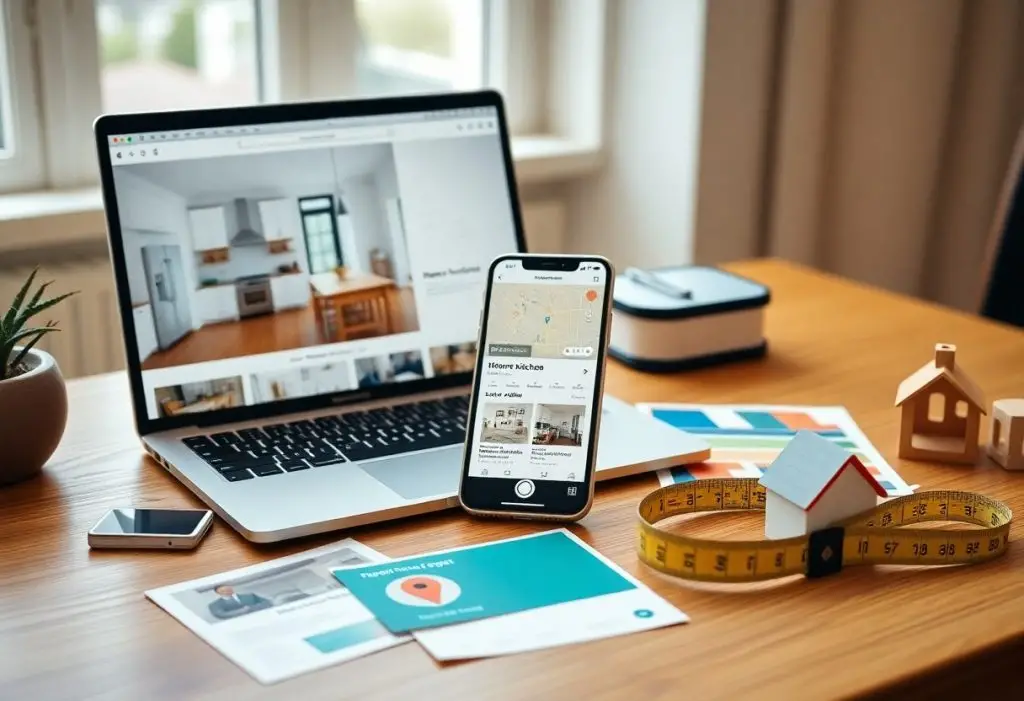
With the right platform for home improvement visibility, you gain targeted exposure, streamlined project listings, and measurable leads that help your services or renovation projects stand out. Evaluate search optimization, local listings, photo galleries, client reviews, and analytics to match your goals, and choose tools that integrate with your workflow to amplify trust and convert interest into bookings.
Understanding Home Improvement Visibility
You need visibility to turn searches into booked projects: 72% of homeowners start with an online search, and local map listings frequently drive the majority of leads. Audit your profiles, prioritize mobile page speed, and measure calls and form submissions as primary KPIs so you can allocate budget to channels that actually produce paid jobs.
Importance of Visibility in the Industry
When you rank in the local pack you capture most intent-driven queries: top-three local results often attract roughly 70% of clicks, and listings with 4+ star averages convert at significantly higher rates. You should focus on consistent NAP, timely responses to inquiries, and a stream of project photos to increase leads and lower cost-per-acquisition.
Key Factors Impacting Visibility
Visibility stems from a few measurable levers: local SEO (NAP consistency, schema, backlinks), reputation (review volume and recency), and platform mix (organic listings, marketplaces, paid search). For many small remodelers, increasing review volume by 30% and fixing NAP errors yields 20-30% ranking improvement; you should prioritize Google Business Profile, image galleries, and service-area pages.
- Local SEO: fix NAP, add schema, optimize service-area pages.
- Reputation: solicit reviews, respond within 24-48 hours, and showcase before/after photos.
- After you test improvements for 60 days, reallocate spend to channels with the best cost per lead.
You can quantify impact by tracking three metrics: organic leads, review velocity, and lead cost per channel. For example, a Denver remodeling shop I analyzed raised monthly organic leads from 14 to 38 after reducing site load from 4.2s to 2.1s and adding 15 reviews over three months. You should run A/B tests on landing pages and track outcomes weekly.
- Run a Lighthouse audit and cut load time under 2.5 seconds.
- Standardize NAP across Google, HomeAdvisor, Facebook, Yelp, and two trade directories.
- After you deploy changes, monitor conversions and review velocity for at least 90 days before scaling.
Evaluating Different Platforms
You should weigh reach, cost, control and conversion when comparing platforms: marketplaces deliver immediate leads but often charge per lead ($20-$200 depending on project), directories give long-term SEO value, and social channels let you build trust and repeat business through content. Quantify success by tracking cost-per-lead, lead-to-booking rate and average job value; for example, marketplaces suit small, quick jobs while Houzz and referrals typically win higher-value remodels with longer sales cycles.
Online Marketplaces
You can use HomeAdvisor, Thumbtack, Angi or Houzz to access active demand quickly; each uses pay-per-lead or subscription models and requires strong reviews to compete. Expect variable lead costs and conversion-profiles with 4.5+ stars and project galleries often convert 3-10% of paid leads. Prioritize fast responses (within 15 minutes), clear pricing tiers, and targeted service categories to lower cost-per-booking and improve ROI on platform spend.
Social Media Presence
You should focus on Instagram, Facebook, TikTok and Pinterest for visual storytelling: post before/after photos, time-lapses, client testimonials and short how-to videos to demonstrate craftsmanship. Use geo-targeted ads and boosted posts to reach local homeowners; typical Facebook/Instagram CPC often falls between $0.50-$2.00, and consistent posting (3-5 times weekly) plus pinned CTAs speeds lead capture via DMs, link-in-bio or booking buttons.
Dig deeper by building a content calendar, using UTM-tagged links and installing conversion pixels so you can tie views to leads and spend. Work with micro-influencers or local partners for neighborhood credibility, repurpose long projects into short clips, and track metrics weekly-impressions, saves, click-through rate and booked jobs-to iterate content that moves prospects down the funnel within 3-6 months.
Measuring Success: Metrics that Matter
You focus on a handful of metrics that prove visibility translates to business: organic search impressions, CTR, session duration, and lead volume. For example, boosting local SERP rankings from page two to page one often lifts clicks by 200-400%. Track monthly leads, cost per lead, and average job value to judge whether platforms are delivering profitable traffic.
Engagement Rates
You measure engagement by clicks, shares, comments, and time-on-page. Aim for engagement rates of 2-5% on Instagram and 1-3% on Facebook for local service content; listings that include 6-10 photos typically get 30-60% higher time-on-page. Track which formats drive leads-how-to videos or before/after sliders often outperform single images.
Conversion Tracking
You must instrument conversions: phone clicks, contact forms, booked estimates, and direction requests. Configure GA4 events and tie them to goals; use UTM parameters for campaigns. Assign values-e.g., an average booked job $2,500 and a qualified lead worth $80-to compute ROI. Monitor conversion rate by source; a 3% conversion from paid search versus 0.8% from organic signals where to invest.
You’ll get more accurate ROI by combining online and offline conversion data: enable call tracking with dynamic number insertion, tag form submissions and estimate bookings as distinct events, and import CRM-verified closed sales back into analytics. Set attribution windows (30-day default), review assisted conversions, and run A/B tests-one contractor raised booked-estimate conversion from 1.4% to 3.1% in four months after adding call tracking and a clearer CTA.
Best Practices for Enhancing Visibility
Prioritize a mix of on-site optimization, local listings, and repeatable content routines: claim and fully populate your Google Business Profile, list on Houzz, Yelp and Angi, and respond to reviews within 48 hours. You should publish project case studies with 3-5 high-quality photos and clear CTAs, run targeted local ads for peak seasons, and use schema markup (LocalBusiness, Project) so search engines display project details directly in results.
Content Strategy
Focus your editorial calendar on 1-2 in-depth posts per week (800-1,200 words) that showcase before/after project breakdowns, budgets and timelines; include a short 60-90 second video and 3-5 gallery images per project. Use how-to checklists and regional keywords (e.g., “bathroom remodel Denver”) to drive local intent, and end each piece with a clear next step-estimate request, gallery visit, or phone consultation.
SEO Techniques
Start with precise keyword research targeting geo-modified terms and service-specific phrases, then optimize title tags (50-60 characters), meta descriptions (120-155 characters), H1/H2 hierarchy, and image alt text. You should implement Project and LocalBusiness schema, maintain a crawlable XML sitemap, and prioritize internal linking from high-traffic pages to new project posts to transfer authority.
Measure technical metrics weekly: aim for page load under 3 seconds, mobile-first layout and zero crawl errors in Search Console while tracking rankings for 5-10 priority keywords. Build 8-12 local backlinks across suppliers, trade partners and local news features, and keep your Google Business Profile updated with 10+ photos and regular posts to improve visibility in the local 3-pack.
Case Studies: Successful Platforms
You can measure platform impact through concrete KPIs: after switching focus from broad advertising to platform-specific optimization, several firms doubled inbound leads, cut cost-per-lead, and raised close rates within 6-12 months, showing how targeted visibility directly moves revenue and pipeline metrics.
- Local Remodeler (Houzz-focused): 12 months after uploading 200 project photos and enabling lead routing – organic traffic +120%, leads rose from 18 to 42/month, close rate improved from 3.2% to 6.5%, revenue +36%.
- HVAC Contractor (Thumbtack campaign): 9-month paid campaign produced 540 leads, average cost-per-lead $18 (vs $45 on prior search ads), close rate 22%, monthly booked jobs increased from 8 to 28.
- Flooring Specialist (Angi listings + review push): 6 months to 85 booked projects, average job value $3,200, lead-to-sale percentage 15%, platform-attributed revenue $272,000, ROI 3.2x.
- Kitchen Cabinet Maker (Local SEO + Schema): within 9 months impressions +210%, secured top-3 local pack positions for 8 high-intent queries, inbound calls rose from 10 to 52/month, appointment conversion up 2.8x.
- National Franchise (listing management + paid search): one-year program cut customer acquisition cost by 40%, increased booked estimates 55% year-over-year, average CPL stabilized at $35 with a 4:1 lifetime value to CAC ratio.
Leading Examples in Home Improvement
You should evaluate platforms by how they match your service model: Houzz drives photo-led discovery and project inquiries, Thumbtack supplies high-volume, price-sensitive leads, Angi emphasizes review-driven referrals, and Google Local converts intent through map visibility – firms that align platform mechanics with average job value and sales cycle typically see 30-80% faster lead velocity.
Lessons Learned from Market Leaders
You will get the best results when you prioritize profile completeness, fast response times, and quantified tracking: firms that responded within one hour saw conversion lift of 35-50%, while those tracking source-level CPL reduced wasted spend by roughly 30% within six months.
Operationally, you should standardize photo counts (50+ high-quality images), request reviews after every completed job to hit a minimum 4.5+ rating, and set SLA targets for first contact under 60 minutes. In parallel, allocate 20-30% of marketing budget to platform testing, measure cost-per-booked-job, and scale channels showing >2.5x ROI; doing so turns platform visibility into predictable, trackable growth for your business.
Future Trends in Home Improvement Visibility
Emerging Technologies
Augmented reality and AI are rewriting how you get discovered: tools like IKEA Place and Houzz’s View in My Room let customers visualize products in minutes, and AI-driven SEO tools analyze search intent to rank projects by intent. Voice search and image search are growing-Google Lens and voice queries now influence local results-so optimizing for conversational keywords and high-quality images can lift local visibility. Early adopters report conversion increases of 20-40% after adding AR previews and AI chat support.
The Role of Consumer Behavior
Consumers now search with intent and visual-first habits: you must prioritize video how-tos, high-res before/after galleries, and 4+ star reviews; over 80% consult online reviews before hiring a contractor, so display vetted reviews prominently. Short-form video drives engagement on TikTok and Instagram Reels, and video accounted for over 80% of consumer internet traffic in recent years, which means your video-first content strategy converts browsers into leads faster than static portfolios.
You should map micro-moments: around half of local mobile searches lead to a store visit within 24 hours, so optimize your Google Business Profile, post project images, and add FAQ schema to capture intent. A/B test pricing displays and showcase transparent estimates-those raise contact rates-and segment audiences: first-time buyers need education while renovators want timelines and ROI; use CRM tags and targeted email drips to turn high-intent searches into booked estimates.
To wrap up
To wrap up, choosing the right platform for your home improvement visibility means aligning audience, content format, and searchability so you get consistent leads and strong brand recognition; prioritize platforms that showcase visuals, support local SEO, and let you manage reviews and project galleries, and invest in regular updates and targeted ads to amplify reach-this approach ensures your services are discoverable where homeowners look.