
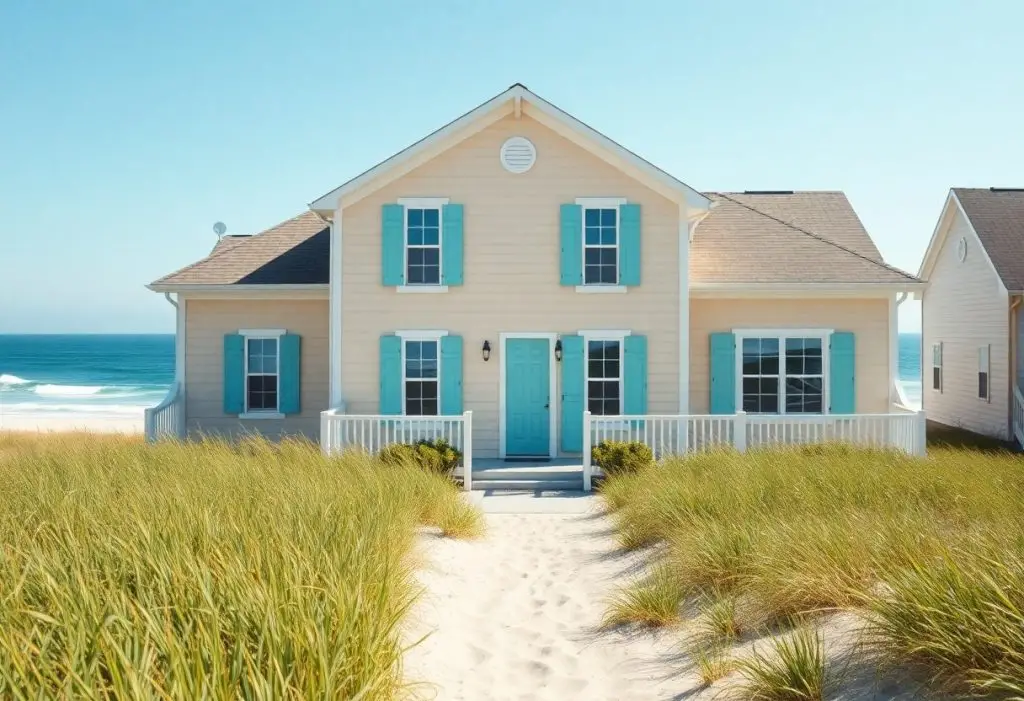
Coastal environments demand exterior paint colors that not only enhance your home’s aesthetic appeal but also withstand the elements. You must consider hues that complement the natural surroundings while providing durability against salt, moisture, and sun exposure. Your choices should reflect the serene beach atmosphere, creating a harmonious blend with the sky and ocean. This guide will help you discover the best paint colors that suit coastal climates, ensuring your home remains vibrant and protected for years to come.
Understanding Coastal Climates
Coastal climates are characterized by mild temperatures, high humidity, and variable weather patterns. The proximity to large bodies of water moderates temperature extremes, leading to warmer winters and cooler summers. Frequent rains and storms can also occur, along with salty air that can significantly affect your home’s exterior finishes over time.
Characteristics of Coastal Weather
In coastal areas, you’ll encounter higher humidity levels paired with frequent breezes. This combination can lead to daily fluctuations in temperature, alongside occasional storms bringing heavy rainfall and winds. The salt-laden air from the ocean contributes to a unique atmospheric environment where mildew and corrosion can thrive, making it important to choose exterior elements that withstand these natural elements.
Impact on Exterior Surfaces
Your home’s exterior surfaces are directly influenced by coastal weather conditions, leading to challenges such as paint degradation and material wear. The high salinity in the air can encourage rusting in metals and peeling in paints, while moisture can foster growth of mold and mildew. Selecting durable materials and quality finishes that resist these coastal elements is crucial for maintaining your home’s aesthetic appeal and structural integrity.
The impact extends beyond just aesthetic concerns; the lifespan of your paint and siding can be significantly reduced if not adequately protected against humidity and salt exposure. For instance, regular maintenance, along with the application of weather-resistant paints and sealants, can help extend the life of your home’s exterior. Using materials designed specifically for coastal conditions, like fiber cement siding or marine-grade coatings, ensures that your investment withstands the challenges posed by your coastal environment.
Color Theory Basics
Understanding color theory is important for selecting the right exterior paint for your coastal home. The interplay of color can affect perception and mood, influencing how your property blends with its environment. Coastal climates are often characterized by vibrant, dynamic colors found in nature, inspiring your choice of palette. Familiarizing yourself with basic principles will help you make informed decisions that enhance your home’s visual appeal while also accommodating the unique conditions of coastal living.
Warm vs. Cool Colors
Warm colors, such as reds and yellows, evoke a sense of energy and excitement, while cool colors like blues and greens promote tranquility and calmness. In coastal settings, cool colors often reflect the ocean and sky, creating harmony with the surroundings. Choosing between these palettes can impact how your home feels and interacts with its environment, allowing you to tailor your exterior to capture either the warmth of the sun or the coolness of the sea breeze.
Light Reflection and Heat Absorption
The color you choose significantly affects how much light is reflected and how much heat is absorbed by your home’s exterior. Darker hues absorb more heat, leading to increased interior temperatures, whereas lighter colors reflect sunlight, keeping your home cooler. In coastal areas, where temperatures can fluctuate with varying sun exposure, selecting a suitable paint color can enhance comfort and reduce energy costs.
For example, light-toned colors, such as soft whites or pastels, are ideal for reflecting sunlight, minimizing heat build-up on hot summer days. This is particularly beneficial in regions with high humidity, as it can help prevent moisture buildup and potential damage. Dark colors, on the other hand, may offer a striking aesthetic but often result in higher internal temperatures during peak sunlight hours. Balancing visual appeal with practical heat management is crucial for your coastal home’s longevity and comfort.
Best Color Choices for Coastal Homes
Choosing the perfect exterior color for your coastal home enhances its beauty and harmonizes with the surrounding environment. Light, airy hues like soft blues, sandy beiges, and crisp whites not only reflect the serene coastal atmosphere but also stand up well against the weather conditions typical of these regions.
Popular Coastal Color Palettes
Coastal color palettes often draw inspiration from the natural landscape. Soft seafoam greens, delicate corals, and muted grays reflect the beach and ocean, creating a tranquil and inviting aesthetic. Combining these shades can evoke the relaxed ambiance of seaside living.
Recommended Shades
For an appealing coastal exterior, consider shades like Benjamin Moore’s ‘Bird’s Egg’ for a fresh blue-green, Sherwin-Williams’ ‘Sea Salt’ for a calming gray-green, and Behr’s ‘Ocean Pearl’ for a subtle seafoam. These colors embody the tranquil coastal vibe while offering durability against the elements.
Utilizing a range of light to mid-tone shades helps avoid fading in the intense sun while maintaining a fresh appearance year-round. Choosing semi-gloss finishes can enhance durability against salt and moisture, creating a lasting signature look for your coastal home. Each recommended shade has been tested against coastal weather conditions, ensuring that your choice stands the test of time without losing its vibrant character.
Durability and Maintenance
Choosing the right exterior paint color for coastal climates involves understanding both aesthetic appeal and practicality. Exposure to ocean air can significantly affect paint durability, so selecting highly resistant products is imperative. Regular maintenance helps preserve the appearance and longevity of your home’s exterior, ensuring it can withstand the unique challenges presented by coastal environments.
Factors Affecting Paint Longevity
Several factors influence how long your paint lasts in coastal regions. These include humidity levels, sun exposure, and the frequency of storms. All these elements can take a toll on paint integrity over time.
- High salt content can lead to corrosion.
- UV rays can fade colors quickly.
- Moisture can cause peeling and mold growth.
- Temperature fluctuations may affect adhesion properties.
- Assume that higher-quality paints will outperform lower-end options in these conditions.
Maintenance Tips for Coastal Homes
Regular maintenance is key to extending the life of your exterior paint. To keep your home’s facade looking fresh, you should inspect the surface for signs of wear or damage frequently. Address any issues before they escalate.
- Clean painted surfaces to remove salt and grime.
- Repaint when fading or chipping becomes noticeable.
- Use mold-resistant paint to mitigate growth.
- Schedule inspections after severe weather events.
- Knowing these maintenance practices will help you preserve your coastal home’s aesthetic appeal and structural integrity.
Being proactive in maintenance offers substantial benefits. Regularly cleaning surfaces removes environmental pollutants that can deteriorate paint. Consider using a pressure washer for thorough cleaning while being cautious with the settings to avoid damage. Additionally, keeping gutters clean helps prevent water damage that could lead to paint failure. Schedule repainting every five to seven years, based on observed wear and changes in the coastal climate. Knowing these key practices will enhance your home’s exterior resilience against coastal elements.
- Always choose high-finish paints designed for coastal conditions.
- Check caulking regularly to prevent moisture intrusion.
- Document any repainting for future reference.
- Consider seasonal checks during hurricane season.
- Knowing these actions allows you to maintain a beautiful and durable exterior in your coastal environment.
Application Techniques
Mastering application techniques enhances the longevity and vibrancy of your paint job. Strategies vary based on your surface material, climate conditions, and the paint itself. Achieving an even coat requires attention to detail and knowledge of optimal tools and methods suited for coastal environments.
Preparing Surfaces for Painting
Thorough preparation is crucial for paint adhesion and durability. Start by cleaning surfaces to remove dirt, mildew, and loose paint, using a pressure washer or a scrubbing technique with a mildew-resistant solution. Repair any damage, such as cracks or rot, to ensure a smooth foundation. Sanding surfaces will promote better adhesion and should be followed by a proper primer application tailored for coastal conditions.
Best Practices for Application
Utilizing the right tools and techniques can significantly impact your project’s success. Use high-quality brushes and rollers designed for exterior applications, opting for a ¾-inch nap roller for textured surfaces. Work in sections to avoid lap marks, beginning from the top and moving downward. Maintain a wet edge to facilitate blending and make your strokes consistent, ensuring an even finish across larger areas.
Applying paint during moderate temperatures and avoiding direct sunlight helps prevent fast drying, which can lead to imperfections. For optimal results, consider back-rolling after spraying for even coverage. Allow sufficient drying time before adding a second coat, ideally 24 hours, to ensure each layer bonds well and offers maximum protection against coastal elements. Following these practices ensures that your exterior paint remains vibrant and resilient, safeguarding your home from the harsh coastal environment.
Real-Life Examples
Showcasing successful applications of coastal paint choices can inspire your own renovation plans. You’ll find homes throughout coastal regions adorned in vibrant shades of ocean blue and soft sandy beige, striking a harmonious balance with their natural surroundings. These colors not only reflect the environment but also withstand the elements, proving their validity in real-world contexts.
Successful Coastal Projects
One standout project features a charming beach bungalow painted in a sea-glass green that beautifully complements its surroundings. This color scheme, combined with crisp white trim, accentuates the home’s architectural details while blending seamlessly with the coastal landscape. Such thoughtful selections have made this home a local landmark.
Homeowner Testimonials
Homeowners often share how choosing the right paint color transformed their houses into perfect coastal retreats. Many report that light, airy colors not only refreshed their properties but also enhanced their overall mood and connection to the beach environment. Feedback emphasizes that these colors tend to reflect light beautifully, adding warmth even on cloudy days.
Testimonies reveal genuine appreciation for the lasting impact of color choice on their coastal homes. For instance, one couple noted that their choice of a pale aqua not only harmonized with the ocean but reduced their home’s perceived heat—an asset during warm summers. Multiple homeowners report positive interactions with their neighbors and visitors, feeling that their paint selections have invited community admiration and boosted their happiness living in such visually appealing spaces. The right colors can create a sense of pride and connection to place that is invaluable in coastal settings.
Summing up
Hence, selecting the right exterior paint colors for coastal climates is vital for enhancing your home’s aesthetic while ensuring durability against harsh elements. You should opt for shades that reflect the natural environment, such as soft blues, seafoam greens, or sandy neutrals, which can harmonize with the coastal landscape. Additionally, using high-quality, weather-resistant paints will protect your investment from fading and peeling. By choosing wisely, you can achieve a beautiful and resilient home exterior that stands up to the coastal conditions.