
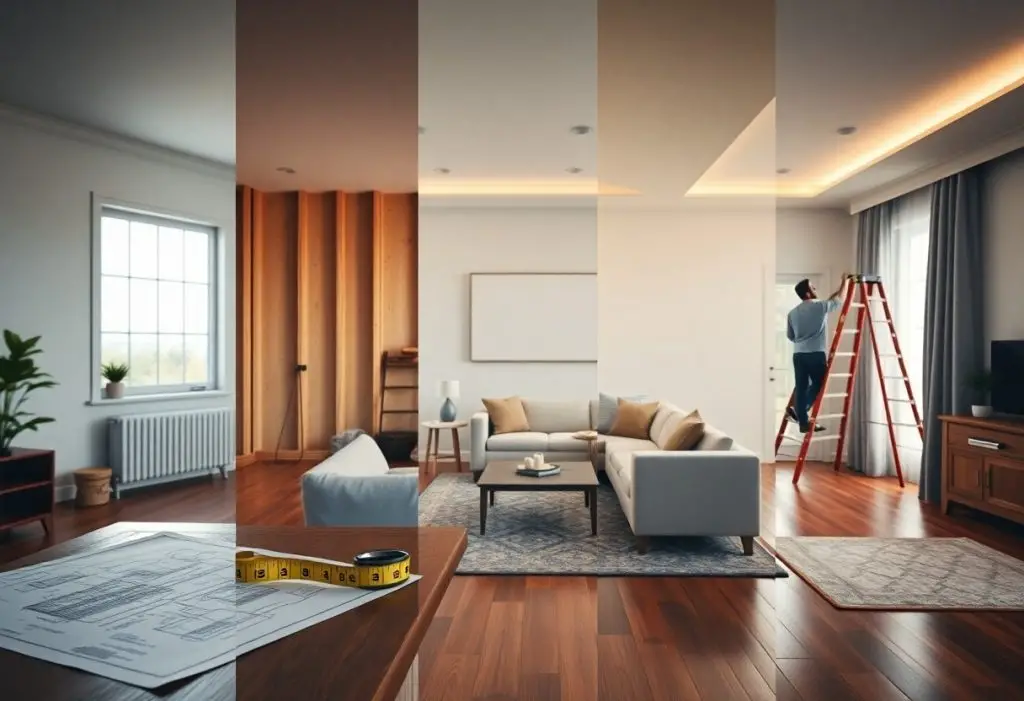
Most homeowners find that clear goals and a budget guide decisions; you should assess needs, prioritize projects, hire licensed pros for electrical and structural work, choose durable finishes, and schedule inspections to ensure safe, lasting results.
Key Takeaways:
- A focused plan defines priorities, budget, and realistic timelines for each project.
- Cohesive design choices-paint, lighting, and textiles-create mood and unify connected spaces.
- Natural and layered lighting improves function and highlights architectural features.
- Repurposed furniture and DIY accents save money while adding personal character.
- Targeted upgrades to hardware, trim, and flooring deliver big visual impact; hire pros for structural or electrical work.
Define Your Design Vision and Objectives
Clarify your design vision by listing your goals, desired mood, and budget; flag structural or electrical changes as dangerous and note expected resale value gains.
Establishing a Cohesive Aesthetic Theme
Choose a unified palette and repeating textures so each room feels connected; designate a signature piece to anchor the aesthetic and guide purchases.
Prioritizing Functionality and Lifestyle Needs
Balance daily routines with layout choices: map traffic flow, storage requirements, and seating to secure comfort and lasting practicality.
Assess how you live and use each room, timing upgrades around daily patterns; plan storage, lighting, and durable finishes to reduce maintenance and boost daily efficiency. If work affects structure or systems, confirm permit requirements and hire licensed contractors for safety to avoid costly mistakes and preserve long-term value.
Master the Use of Strategic Lighting
Lighting transforms rooms; you should blend natural and artificial sources to shape mood and function. Use directional fixtures for tasks, retain open sightlines, and control brightness with dimmers. Watch for overheating or overloaded circuits and get a professional when wiring changes are needed.
Maximizing Natural Light Exposure
Windows, mirrors, and light-colored finishes help you draw daylight deeper into rooms; position furniture to avoid blocking flow. Trim exterior foliage and choose sheer treatments to preserve privacy while increasing brightness. Sunlight improves mood, so use blinds to limit direct glare during peak hours.
Implementing Layered Artificial Lighting Schemes
Layering artificial light-ambient, task, and accent-lets you control ambiance and function; install dimmable ambient fixtures, focused task lights over work zones, and accents for texture. Use LEDs for efficiency and match color temperature across layers to avoid harsh contrasts.
Combine ceiling-mounted ambient, under-cabinet task lights, and wall-mounted accents to create flexible moods; position task lights within 18 inches of your work surfaces and avoid glare. Choose bulbs with consistent color temperature (2700-3000K for living areas) and high CRI. For new circuits or high-wattage fixtures, use licensed electricians to prevent electrical hazards and ensure compliant wiring.
Revitalize Surfaces with Color and Texture
You can transform rooms by blending paint, wallpaper, and textured finishes; prioritize durable, moisture-resistant surfaces in kitchens and baths and add contrasting textures for visual depth.
Selecting a Sophisticated Color Palette
Choose a refined trio of base, accent, and trim colors; test swatches under varied light and pick undertones that flatter, then pair with neutrals to keep the room calm.
Incorporating Architectural Wall Treatments
Layer crown molding, wainscoting, or plaster panels to add dimension; choose moisture-safe materials for baths and use targeted lighting to showcase profiles.
Consider scale and placement; test samples on full walls and confirm substrates are solid. Use primed, rot-resistant backer in damp rooms and maintain ventilation to prevent mold risk. Properly executed treatments boost texture and resale value.
Optimize Spatial Layout and Traffic Flow
Optimize your floor plan by clearing congested routes and aligning focal points to guide movement; keep primary walkways at 30-36 inches and remove tripping hazards to maintain safe, efficient traffic flow.
Enhancing Room Functionality through Zoning
Divide open spaces into distinct zones with rugs, lighting, and storage so you can assign tasks to areas while preserving clear paths; zoning boosts usability and reduces clutter that blocks movement.
Strategic Furniture Placement for Openness
Arrange seating to float and face focal points, leaving at least 36 inches in main walkways and narrower side routes for comfort, which opens sightlines and eases circulation.
Consider grouping pieces into conversation clusters, selecting scaled furniture, and using low-profile tables to avoid bulky obstructions that create tripping hazards; measure clearances-target 36 inches on primary paths and 18-24 inches between seating and surfaces-to achieve improved openness and consistent, comfortable flow.
Integrate Sustainable and Biophilic Elements
Integrate sustainable finishes and biophilic touches so you cut waste, improve air quality, and secure energy savings by choosing low-VOC finishes and recycled materials that reduce off-gassing and long-term costs.
Selecting Eco-Friendly Building Materials
Choose materials with transparent sourcing and low embodied carbon, favoring reclaimed wood, recycled metal, and natural insulation to lower your carbon footprint while avoiding toxic additives that can harm indoor health.
Incorporating Indoor Greenery and Natural Textures
Bring plants, natural fibers, and stone into key zones so you enhance wellbeing, reduce stress, and add biophilic presence, while minding drainage and pest control to prevent mold or water damage.
Focus on selecting easy-care species like pothos, snake plant, and ferns for low-maintenance greenery that deliver air purification benefits. Place plants near appropriate light and use well-draining soil and pots to prevent root rot; avoid standing water and keep trays clean to mitigate the risk of mold and pests. Combine jute, wood, and stone accents to introduce tactile natural texture without synthetic coatings that may off-gas.
To wrap up
You can transform your space with five creative steps: plan purposefully, update finishes, optimize lighting, add clever storage, and personalize accents to increase comfort and resale appeal while keeping budget and timeline on track.
FAQ
Q: How should I apply the five creative steps when transforming a room?
A: Start by assessing how you use the room and set three clear goals such as improving storage, boosting comfort, or creating a focal point. Build a mood board with colors, materials and a scaled floor plan that marks traffic flow and existing focal elements. Tackle function first by optimizing layout and storage, then update surfaces like paint, flooring and fixtures, and finish with lighting, textiles and styling for personality. Schedule tasks in phases, allow extra time for ordering and permits, and add a 10-20% contingency to your budget.
Q: What low-cost, high-impact techniques deliver the biggest transformation?
A: Painting walls, trim or even ceilings creates the most visible change for the least money; test samples in different light before committing. Replace dated lighting and hardware, refresh cabinet fronts or install peel-and-stick backsplashes and flooring for big visual wins without full replacement. Reconfigure furniture, add open shelving for display and storage, and use rugs and layered textiles to define zones and add warmth. Choose the projects that give the strongest visual return per dollar and track material and labor costs to prioritize effectively.
Q: Which tasks should I DIY and which require a professional?
A: Hire licensed pros for structural changes, major electrical, gas or complex plumbing to meet code and ensure safety. Take on painting, trim, basic tiling, simple cabinet updates and furniture builds if you have the right tools, skills and time; start with a small test project to confirm ability. Request at least three written quotes for contractor work, verify references and agree on timelines and payments in writing. Protect floors and belongings, plan noisy or disruptive tasks around family routines, and set realistic time buffers for unexpected delays.