
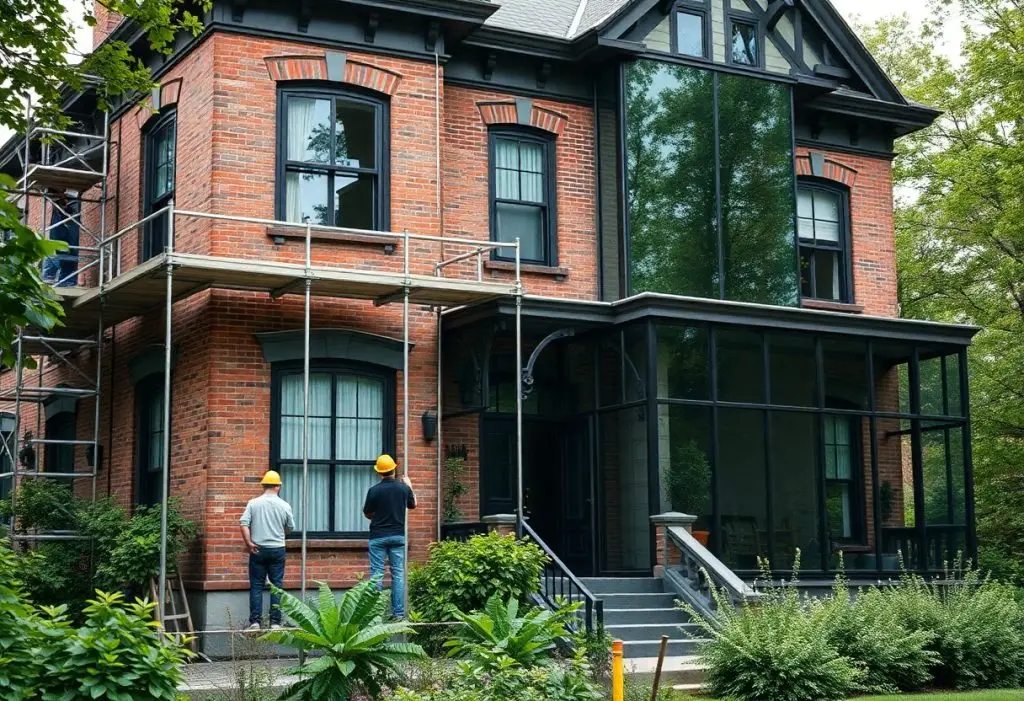
Renovation offers an exciting opportunity for you to breathe new life into old homes while preserving their unique charm. You can create modern masterpieces by blending contemporary design elements with traditional aesthetics. This blog post will guide you through crucial strategies, innovative ideas, and practical tips to help you navigate the transformation process and achieve a stunning balance between the old and the new in your home. Get ready to unlock the hidden potential of your space and elevate your living environment.
Assessing the Potential of Old Homes
Identifying the possibilities within an old home requires a keen eye and a thorough understanding of its unique characteristics. You’ll want to explore not only the aesthetic features but also the functional aspects that can be transformed or maintained. Each element, from original woodwork to room layout, presents an opportunity for creative updates while ensuring the home’s history is preserved. This assessment lays the groundwork for making informed renovation decisions that align with your vision.
Understanding Architectural Features
Delve into the architectural elements that define your old home, as they provide the foundation for its charm and character. Consider details like moldings, staircases, or window styles that can either inspire your design choices or dictate necessary restorations. By appreciating these features, you can craft an interior that harmonizes modern aesthetics with the home’s inherent beauty.
Evaluating Structural Integrity
A sound structure is non-negotiable for any renovation project. Assessing the integrity of foundational elements, such as beams, walls, and the roof, ensures your investment contributes to a lasting renovation. Look for signs of deterioration or damage, like cracks or sagging, which could necessitate repairs before moving forward with your plans.
Evaluating structural integrity involves examining various components of the home, starting with the foundation, which holds everything in place. Inspect for cracks or uneven floors, as these can indicate underlying issues. Next, check the roof for leaks or missing shingles and ensure the framing is secure. Notably, older plumbing and electrical systems may not meet current codes and could require updates, adding to your overall costs. Engaging a professional inspector can provide a comprehensive assessment, identifying potential problems before they become costly repairs during renovation.
Designing for Modern Living
Embracing modern living in old homes means reimagining spaces that accommodate contemporary lifestyles. Prioritizing functionality while respecting historical elements creates a harmonious blend of past and present. Open layouts, multipurpose spaces, and a focus on natural light enhance your daily experience, making homes both inviting and efficient.
Open Floor Plans
Opening up walls to create a seamless flow between living, dining, and kitchen areas transforms the dynamics of your home. This layout not only maximizes space but also fosters a sense of connection, allowing family and friends to interact effortlessly whether cooking, dining, or relaxing together. Visual continuity can also be achieved through consistent materials and color schemes, linking the environment beautifully.
Incorporating Sustainable Technologies
Integrating sustainable technologies into your renovation enriches your home’s modernity while promoting environmental responsibility. Energy-efficient appliances, advanced insulation, and renewable energy sources like solar panels significantly reduce carbon footprints and utility bills. Smart home technologies can also enhance comfort and security, allowing you to control lighting, temperature, and even security from your smartphone.
Incorporating sustainable technologies not only benefits the planet but also enhances your daily living experience. For instance, installing a solar water heating system can reduce water heating costs by up to 80%. Additionally, smart thermostats can optimize energy use by adapting to your schedule and preferences. These advancements not only create an eco-friendly home but also offer tangible savings and an improved quality of life, making your old property a modern marvel.
Preserving Historical Elements
Maintaining the historical charm of your home enhances its character and the stories it tells. Focus on elements like original moldings, fireplaces, and built-in cabinetry, which can serve as focal points after thoughtful restoration. Using traditional techniques for repairs not only upholds authenticity but enriches the overall aesthetic, seamlessly integrating history into the modern context. Your home’s past shouldn’t be erased; it should inform your design choices, adding a timeless quality that speaks to both history and contemporary living.
Repurposing Original Materials
Utilize salvaged materials from your renovation process to breathe new life into your home while honoring its history. Old beams can become striking accent walls, while antique doors may find new uses as sliding barn doors, embodying both functionality and nostalgia. This approach not only promotes sustainability but also ensures that the stories behind these elements are preserved, creating a unique narrative that complements your home’s transformation.
Blending Old and New Aesthetics
A harmonious mix of old and new elements establishes a captivating design that feels fresh yet grounded. By incorporating contemporary fixtures and furnishings alongside traditional architecture, you can create spaces that honor the past while embracing modernity. Layering textures, colors, and styles bridges the gap, allowing for an inviting environment where both eras coexist beautifully.
To achieve a successful blend, consider juxtaposing sleek, modern lines against vintage features. For example, pair a minimalist kitchen with original wooden beams overhead, or use modern lighting fixtures to highlight classic architecture. Integrating contemporary colors and materials can accentuate the historic elements, drawing attention to their craftsmanship. Think about how each component interacts; when chosen thoughtfully, the mix amplifies the character of your home, creating a unique balance that feels cohesive and intentional. This approach not only enhances aesthetic appeal but also cultivates an atmosphere that celebrates both history and innovation.
Innovative Kitchen and Bath Renovations
Transforming kitchens and bathrooms is pivotal in bridging the gap between classic charm and contemporary functionality. Upgrading these spaces enhances their aesthetic appeal and significantly increases your home’s value. Thoughtful renovations can integrate modern design trends while retaining unique historical features, allowing you to enjoy both elegance and practicality in your daily life.
Modern Appliances and Fixtures
Selecting energy-efficient appliances and stylish fixtures elevates your kitchen and bathroom to modern standards while conserving resources. Stainless steel finishes, smart refrigerators, and sleek faucets blend seamlessly with vintage aesthetics, ensuring a harmonious balance. Investing in high-quality products not only improves functionality but also adds a touch of luxury to your spaces.
Functional Design Approaches
Functional design focuses on maximizing usability while incorporating aesthetically pleasing elements. By prioritizing flow and accessibility, you create spaces that cater to your daily routines. Concepts like open shelving in the kitchen or a double vanity in the bathroom enhance efficiency, allowing you to work seamlessly amidst your beautiful surroundings.
Incorporating functional design approaches means analyzing your kitchen and bath based on your lifestyle needs. Consider factors such as workflow in the kitchen; a layout that allows for easy movement between the stove, sink, and refrigerator is ideal. In bathrooms, adding built-in storage solutions can streamline your morning routine, keeping crucials organized and within reach. By integrating these practical elements with thoughtful aesthetics, you not only enhance the usability of your spaces but also create an inviting ambiance that reflects your personal style.
Enhancing Curb Appeal
First impressions matter, and enhancing curb appeal transforms your old home into an inviting masterpiece. Start by considering a fresh coat of paint that highlights the original architecture while modernizing the color palette. Incorporating stylish house numbers and updated lighting fixtures can provide a contemporary touch, making your home stand out. Simple updates like new shutters or a decorative front door can significantly elevate the overall aesthetic, ensuring your home reflects both its historical charm and modern sensibilities.
Landscaping and Outdoor Spaces
Landscaping plays a pivotal role in boosting curb appeal. You can create visual interest with native plants that require minimal maintenance, offering color throughout the seasons. Consider adding ornamental grasses for texture and flower beds that lead to your entryway. Outdoor seating areas under shade trees or a welcoming patio not only enhance beauty but also expand your outdoor living space, making it inviting for both family and guests.
Façade Improvements
Updating your home’s façade can dramatically impact its appearance. Replacing tired siding or adding modern elements like metal accents introduces a fresh look while preserving your home’s essence. You might explore revitalizing brickwork with clean mortar lines or even introducing contemporary materials like fiber cement to blend old and new seamlessly. These improvements can increase property value significantly, making your home more appealing to future buyers.
Consider adding architectural features such as decorative molding or trimmed eaves for a sophisticated touch. If applicable, modernizing your windows with energy-efficient designs not only enhances aesthetics but also contributes to lower utility bills. Incorporating substantial elements like a new entryway awning or porch can make a striking statement, bridging the gap between the historic nature of your home and contemporary design trends, ensuring it feels both timeless and relevant.
Budgeting for Transformation
Establishing a clear budget is vital for the transformation of your old home into a modern masterpiece. Start by assessing the overall condition of your property and prioritize renovations that align with your vision. Allocate funds for important structural repairs, followed by aesthetic upgrades. Factor in unexpected costs, typically running 10-20% over budget, to ensure financial flexibility. Listing out each area of expenditure will help you allocate resources efficiently while keeping your dream project manageable.
Cost-effective Solutions
Exploring cost-effective solutions can significantly reduce expenses without sacrificing quality. Consider refinishing existing fixtures instead of replacing them, utilizing paint to refresh tired spaces, or repurposing materials from your home for new projects. Simple updates, like energy-efficient lighting or smart home technology, can also modernize your space while providing long-term savings on utility bills. Think creatively about how to enhance your home while staying within budget.
Understanding Return on Investment
Evaluating the return on investment (ROI) for your renovations helps prioritize projects that add the most value. Focus on upgrades such as kitchen remodels, bathroom updates, and enhanced curb appeal, which historically offer the highest returns. By researching housing market trends and consulting local real estate agents, you can estimate how certain improvements may influence future resale value, ensuring that your investment enhances both comfort and marketability.
For instance, a minor kitchen remodel can recoup over 80% of its cost upon resale, highlighting the importance of strategic renovations. Enhancements like energy-efficient windows can not only improve aesthetics and comfort but also yield returns through lower energy bills. Take the time to assess your local market and the needs of potential buyers, ensuring your renovations are not just personal preferences but smart investments for your home’s future value.
Final Words
So, transforming your old home into a modern masterpiece requires a balanced approach that embraces both historical charm and contemporary innovation. By carefully selecting design elements, maintaining structural integrity, and incorporating smart technology, you can enhance your living space while honoring its unique past. Take the time to explore sustainable materials and efficient layouts, ensuring your renovation project meets today’s standards without losing its character. This thoughtful process not only enriches your home’s aesthetic but also elevates your living experience for years to come.