

There’s a growing demand among homeowners for quality craftsmanship in home improvement projects. You want to ensure that your investments reflect durability and aesthetics, which is why identifying skilled professionals is imperative. This post will guide you through the best resources and strategies to help you find reliable craftspeople and contractors who deliver exceptional results. Understanding where to look and what to consider will empower you to enhance your living space effectively and confidently.
The Fine Print: Evaluating Craftsmanship Quality
Understanding craftsmanship quality requires keen attention to detail and an appreciation for nuanced characteristics that distinguish exceptional work. Look beyond surface aesthetics and consider the structural integrity, functionality, and longevity of the finished product. Assessing the alignment of joints, uniformity of finishes, and the smoothness of edges can help you evaluate a craftsman’s expertise. Informed homeowners often seek out reviews and testimonials related to the craftsmanship of the work they are considering, providing insight into the experiences of others.
Key Indicators of Exceptional Workmanship
Exceptional workmanship is often evidenced by meticulous attention to detail and precision. Look for consistent craftsmanship across all elements—measurements should be accurate, finishes uniform, and joints seamless. An artisan who takes pride in their work will often go the extra mile, ensuring that even hidden components are crafted to the same high standards as visible ones, providing a guarantee of longevity and resilience in your investment.
The Role of Materials and Techniques in Quality
The quality of craftsmanship is significantly influenced by the materials and techniques employed. Premium materials, such as solid woods or high-grade metals, not only offer durability but also enhance aesthetic appeal. Techniques such as traditional joinery or modern manufacturing methods can dictate the overall strength and reliability of the final product, ensuring that your investment holds up over time.
Choosing the right materials is fundamental to achieving lasting quality in craftsmanship. For instance, hardwoods like oak or maple are favored for their strength and beauty, while using marine-grade materials for exterior applications can protect against weathering. Techniques like dovetail joinery and mortise-and-tenon joints enhance structural integrity and eloquence in design. Understanding these material characteristics and methods enables you to make informed decisions, ensuring that your chosen craftsman employs practices that align with your expectations for quality and durability.
Where to Source Talent: Navigating the Marketplace
Identifying skilled professionals requires a strategic approach. You can tap into a variety of resources to locate talent that meets your standards, from local networking opportunities to online platforms. Understand the specific skills you need and where these experts are likely to be found in your area. Focusing your search will lead you to quality craftsmanship.
Utilizing Local Trade Shows and Expos
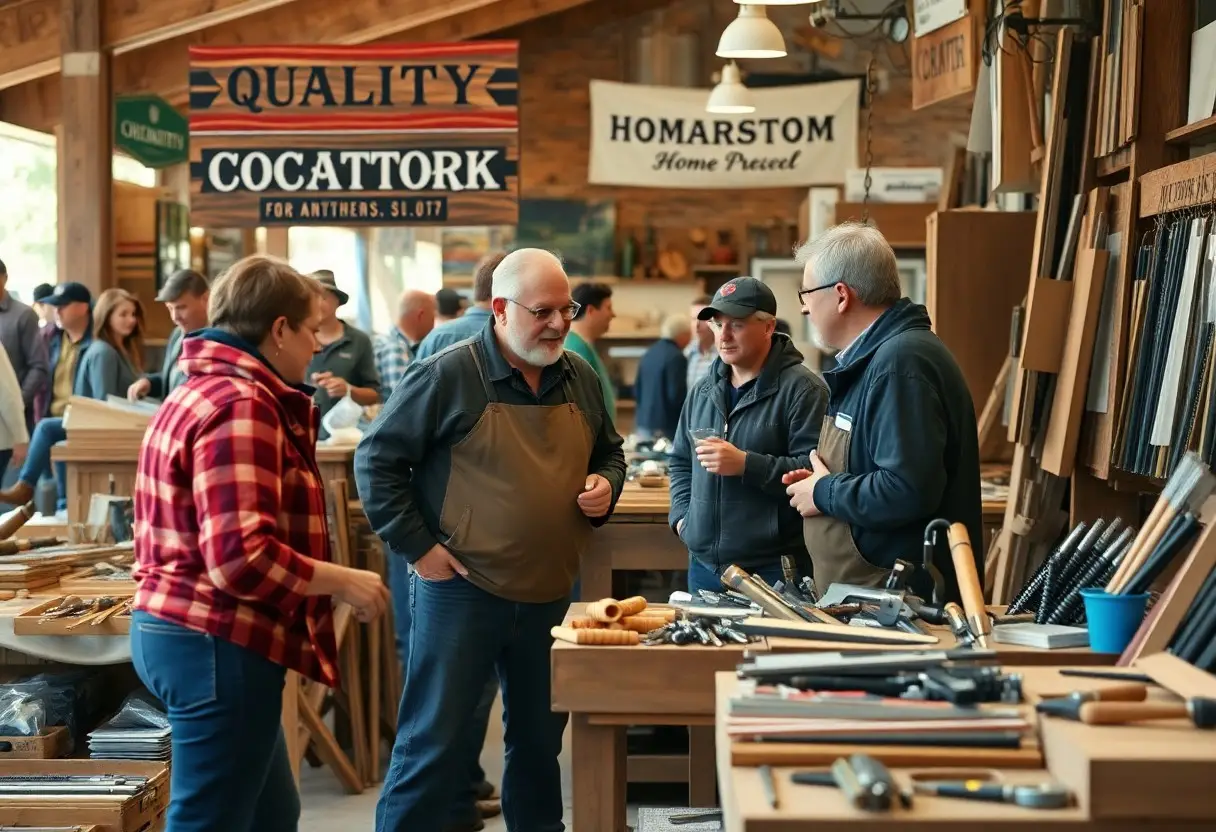
Attending local trade shows and expos provides direct access to a diverse range of contractors, artisans, and suppliers. These events showcase the latest trends and innovations, giving you a chance to meet professionals while observing their work firsthand. Engaging with exhibitors allows you to ask questions and gauge their expertise, making it easier to find the right fit for your project.
Finding Recommendations Through Community Forums
Community forums serve as valuable resources for sourcing trusted recommendations. Many neighborhoods have dedicated online groups where residents share experiences with local tradespeople. Engaging in these discussions helps you identify reputable professionals based on real feedback, offering insights you might not find in traditional advertising.
Participating in community forums can provide insight into the craftsmanship and reliability of local talent. Platforms like Nextdoor, Facebook Groups, or specialized websites like Houzz allow you to post queries and receive suggestions from homeowners with firsthand experience. You can gather a list of potential candidates, see their portfolios, and learn about their customer service, making your selection process streamlined and informed.
Building Relationships: The Importance of Communication
Effective communication serves as the backbone of successful craftsmanship. Establishing clear lines of dialogue with your craftsmen ensures that your vision is accurately understood and executed. Regular check-ins and open discussions about materials, timelines, and project changes foster a collaborative environment. This not only enhances the quality of the work but also builds a rapport that can lead to more efficient problem-solving and a smoother project flow.
Questions to Ask Potential Craftsmen
Engaging potential craftsmen with thoughtful questions enhances your understanding of their expertise and work style. Inquire about their previous projects, request references, and ask how they handle challenges or changes during a project. Specific queries like their preferred materials, timeline expectations, and methods for staying within budget can reveal their professionalism and alignment with your needs.
Establishing Trust and Setting Expectations
Trust is built over time through transparency and accountability. Clearly outlining project goals, deadlines, and payment schedules at the outset sets a strong foundation for your relationship. Regular updates and adherence to agreed timelines demonstrate reliability from your craftsman, reinforcing your confidence in their abilities. Establishing a mutual understanding of expectations can mitigate potential misunderstandings and foster a productive partnership.
To further solidify trust, consider documenting all agreements in a contract. Include detailed descriptions of the work scope, materials to be used, and payment milestones. This proactive approach safeguards both parties and clarifies expectations, minimizing the risk of disputes. Engaging craftspeople who are open to discussions about these elements not only helps you to feel secure but also encourages a more invested relationship, leading to exceptional results tailored to your vision.
The Value of Experience: Leveraging Long-standing Professionals
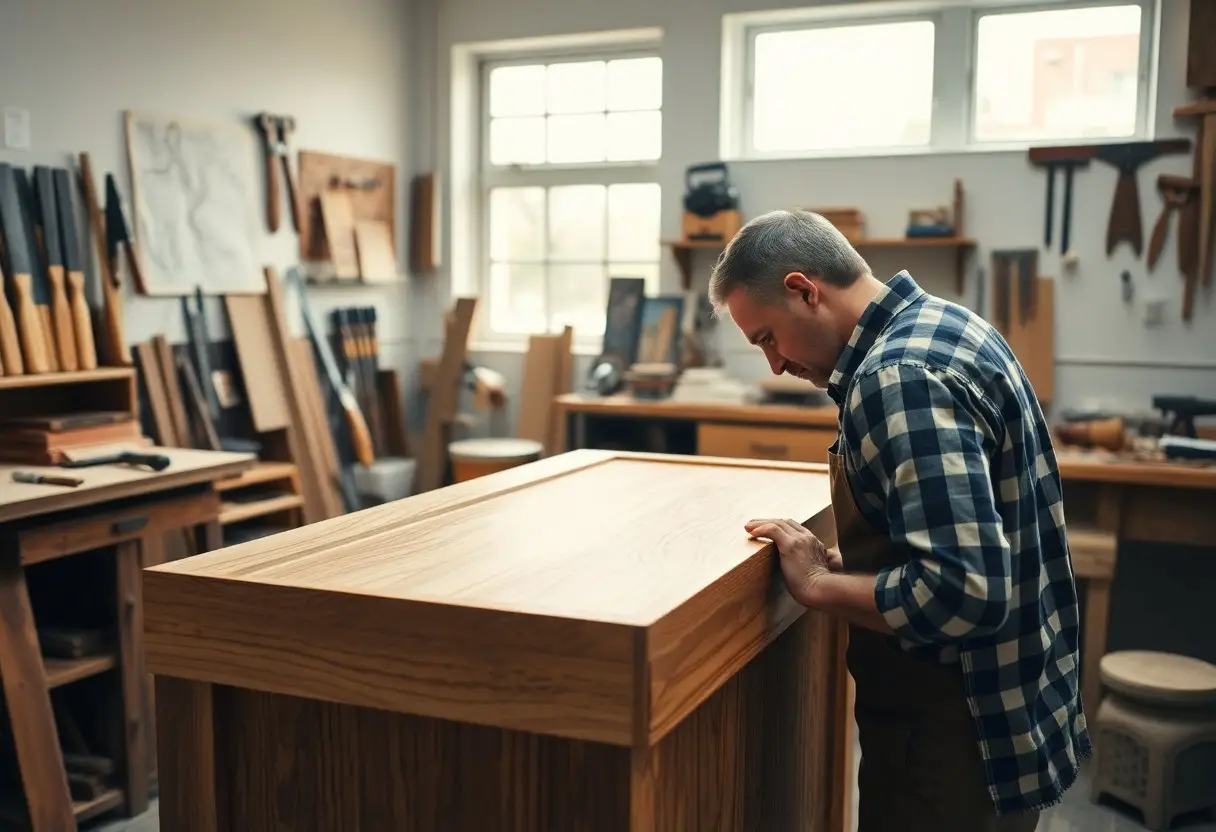
Choosing established craftsmen means tapping into a wealth of experience and refined skills, important for achieving high-quality results. Their extensive background often translates to a deeper understanding of materials, techniques, and local building codes, allowing for more efficient and precise work. By opting for these seasoned professionals, you ensure that your project benefits from years of practical knowledge and a history of delivering top-tier craftsmanship.
Comparing Newcomers vs. Established Craftsmen
| Newcomers | Established Craftsmen |
| Often lack extensive portfolios. | Have proven track records and references. |
| May be familiar with recent trends. | Possess timeless techniques and methods. |
| Usually require more guidance and supervision. | Operate independently with confidence. |
| Pricing may be lower. | Pricing reflects their expertise and quality. |
The Benefits of Veteran Insights and Techniques
Veteran craftsmen draw upon decades of insights to avoid common pitfalls and enhance the efficiency of projects. Their familiarity with various materials ensures optimal choices that not only meet aesthetic desires but also long-term durability. For instance, established professionals can foresee potential issues, utilize techniques that minimize waste, and offer innovative solutions tailored to your specific needs, making your investment more worthwhile in the long run.
Leveraging veteran insights means gaining access to a treasure trove of knowledge that often includes tricks of the trade not found in textbooks. For example, a seasoned carpenter may suggest specific wood types that’ve stood the test of time in your local climate, preventing future problems. Additionally, their experience with a wide range of projects allows for adaptability, meaning they can pivot designs to better align with your vision without compromising structural integrity. By integrating these timeless techniques, you not only elevate the quality of your project but also ensure it withstands the test of time.
Ensuring Accountability: Contracts and Guarantees
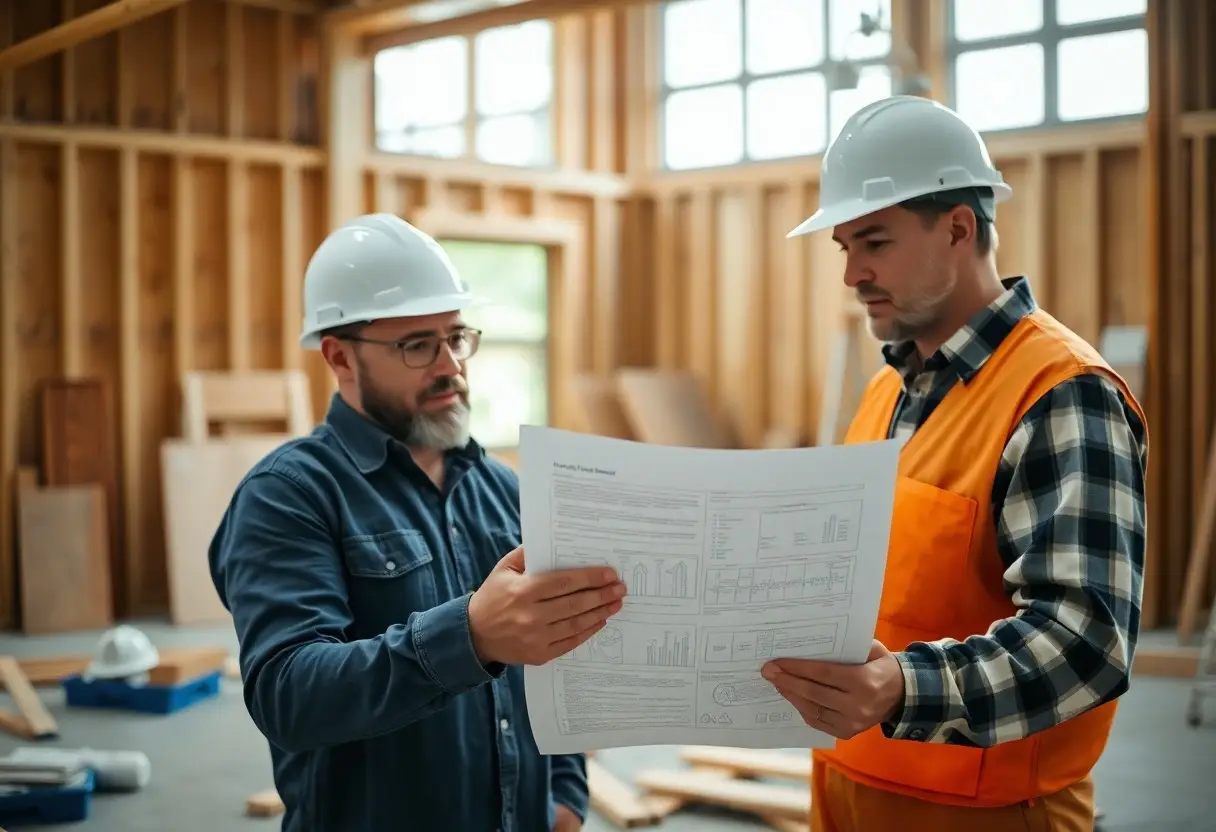
Securing quality craftsmanship hinges on clear agreements that delineate expectations and responsibilities. A well-structured contract not only protects your interests but also fosters trust between you and the contractor. Key aspects should include detailed project descriptions, timelines, payment schedules, and provisions for unforeseen changes. By requiring a written agreement, you hold both parties accountable, ensuring that standards are met throughout the project.
Elements of a Solid Contract
A solid contract must cover crucial elements such as scope of work, material specifications, timelines, payment terms, and dispute resolution methods. Each section should be explicit to eliminate ambiguity, providing a comprehensive framework that protects your investment. Including detailed information on labor quality and craftsmanship further strengthens your standing should any issues arise during the project.
Importance of Warranties and Aftercare
Warranties and aftercare services play a pivotal role in safeguarding your investment. A strong warranty ensures that any defects in materials or workmanship will be addressed at no additional cost, while aftercare provides ongoing support to maintain the integrity of your home. Choosing a contractor who offers robust warranties showcases their confidence in their craft and commitment to your satisfaction.
The reassurance provided by warranties means you can move forward with projects knowing that if any issues arise, they will be resolved without incurring extra costs. For instance, some contractors offer extended warranties of up to 10 years, covering specific aspects like roofing or foundational work. Aftercare extends beyond initial project completion, with many professionals offering regular maintenance checks or consultations, ensuring sustained quality and longevity. This proactive approach is crucial; it not only protects you financially but also fosters a long-lasting relationship with your craftsman, ensuring you’re supported long after the project is finished.
Final Words
Taking this into account, you can discover quality craftsmanship for your home by researching local professionals, reading reviews, and seeking recommendations from trusted sources. Focus on portfolios that showcase attention to detail and a commitment to excellence. You should also verify credentials and conduct interviews to ensure that your vision aligns with their skills. By prioritizing these steps, you will enhance your chances of finding skilled artisans who take pride in their work and can transform your living space into a true reflection of your style and needs.