
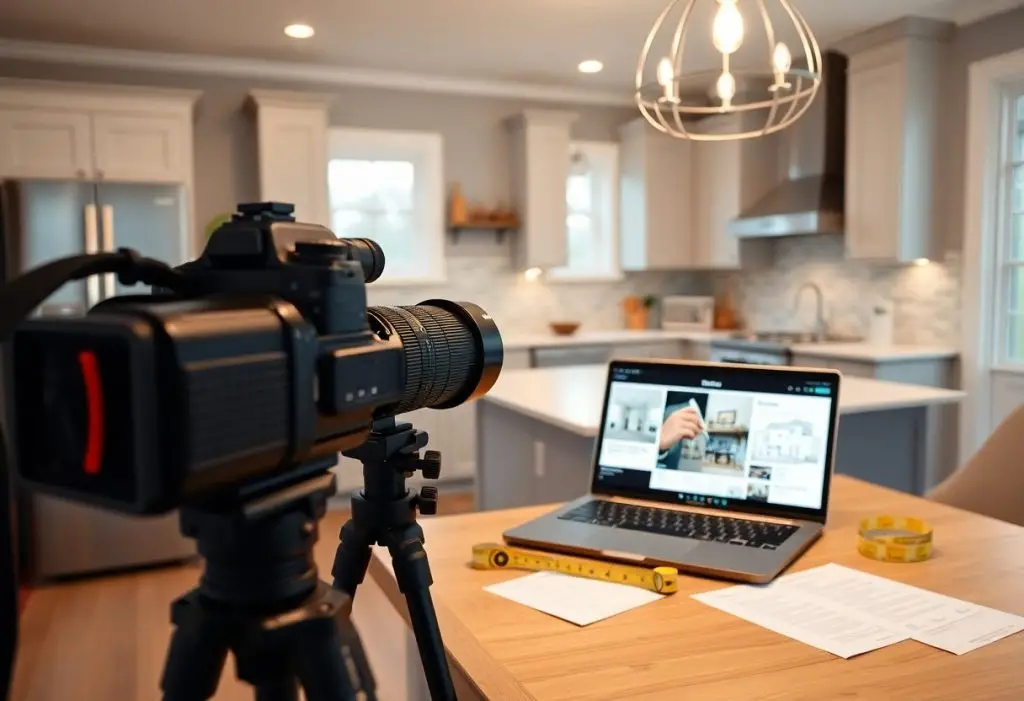
There’s a clear connection between high-quality listings and the outcomes of your home improvement efforts: accurate descriptions, reliable contractor reviews, and precise measurements help you make informed decisions, avoid costly mistakes, and secure the right materials and labor. By valuing thorough listings you reduce risk, streamline budgeting, and ensure projects finish on time and to standard.
Understanding Quality Listings
Definition of Quality Listings
You identify a quality listing by clear scope, accurate measurements, high-resolution photos (8-12 images), material specifications, permit and licensing details, and an itemized budget or allowances. Including timelines, warranty terms, and previous-project references helps contractors produce firm bids and plan workflows. When your listing contains these elements, contractors need fewer site visits and change orders drop, accelerating approvals and keeping estimates closer to final costs.
Importance in Home Improvement
When you present a complete listing, contractors respond faster and budgets become more reliable; you can expect 2-3 detailed bids within 5-7 days instead of several weeks. This efficiency cuts administrative time for both you and builders and reduces dispute risk during construction. Clear scope and material choices let you compare apples-to-apples, making it easier to negotiate timelines, warranties, and payment schedules.
Consider a renovation case where a homeowner uploaded floor plans, exact appliance models, permit status, and a 10-week timeline; three contractors returned fully itemized bids in 48 hours, and the winning offer was $4,500 (about 13%) lower than the first vague estimate. That level of detail saved you time, reduced contingency needs, and produced clearer schedules for subcontractors and inspectors.
Impact on Home Value
The way you list a property influences appraisals and offers: exact square footage, documented upgrades, and permitted work give buyers and appraisers concrete justification to bid higher. Industry ranges indicate professional listings can reduce days on market by 20-50% and boost final sale price by 1-5%. In neighborhoods with tight inventory, you’ll see better alignment with comps and fewer price reductions when listings present measurable, verifiable improvements.
How Listings Affect Market Perception
Online visibility and first impressions shape buyer behavior: listings with professional photos and structured descriptions often draw 40-60% more views and climb search rankings. When you include neighborhood stats, recent sales comparisons, and targeted keywords, you attract qualified buyers who submit stronger offers; in hot markets that can translate to 2-3 competing bids rather than prolonged bargain hunting.
Enhancing Value Through Quality Descriptions
Specifics let you capture measurable value-state the year, brand, and warranty for major systems, list room-by-room square footage, and cite permit numbers for renovations. For example, noting “2018 roof-30-year architectural shingles” or “2019 HVAC with 10-year transferable warranty” provides verifiable anchors that help appraisers and buyers justify higher offers when backed by receipts and permits.
Use quantified benefits to strengthen perceived value: disclose renovation costs, energy savings, and added usable square footage, and provide before-and-after photos and invoices. A documented $25,000 kitchen remodel with permits and photos, for instance, typically shifts buyer expectations toward a $15,000-20,000 valuation increase, reducing negotiation leverage and improving appraisal outcomes.
Attracting Potential Buyers
When your listing pairs accurate specs with high-resolution photos and clear floor plans, you capture buyer attention immediately; listings with professional photography receive up to 60% more online views and often sell 2-3 weeks faster. You should list recent upgrades (e.g., roof 2018, HVAC 2019), precise square footage, and competitive pricing to turn browsers into showings and prioritize the details buyers search for first.
The Role of Visuals in Quality Listings
Photos, virtual tours, floor plans and drone shots each serve a clear purpose: photos show condition, 3D tours let buyers “walk” remotely, and drones reveal lot and neighborhood context. You should include at least 15-25 high-quality images, a 60-90 second video tour, and an accurate floor plan; data shows video tours can boost inquiries by roughly 20% and reduce time on market for busy buyers.
Crafting Compelling Narratives
You convert features into lifestyle benefits by phrasing specifics as lived experience: “1,500 sq ft open-plan home-ideal for morning coffee on the south-facing deck; kitchen remodeled 2020 with quartz counters and stainless appliances.” Mention measurable upgrades (insulation, HVAC year, energy savings), proximity metrics (5-minute walk to transit), and one-line buyer-focused headlines to help your listing stand out in search results.
Focus your narrative structure: lead with the single strongest selling point, follow with three crisp facts (square footage, notable upgrades with years, monthly utilities or HOA fees), then add a lifestyle sentence and a clear call to action that tells buyers what to do next. You should A/B test two headlines over a 7-10 day window and track click-through rates; targeting language to commuters, families, or downsizers often yields double-digit improvements in qualified leads.
Optimization for Online Platforms
Utilizing SEO for Home Listings
Your listing titles should include neighborhood and property type to match search intent; keep meta descriptions around 120-155 characters to boost CTR. Implement schema.org/Residence markup to expose price, beds, baths and listingDate so search engines can display rich results. Optimize images with descriptive filenames and alt text, compress photos to help pages load under 3 seconds, and prioritize mobile-first layouts-agents who add structured data frequently report marked increases in organic visibility.
Importance of Social Media in Promotion
You should use Instagram Reels, Facebook Marketplace and TikTok for short walkthroughs (15-60s) that drive shares and saves; include clear CTAs and hashtags with neighborhood names. Target paid campaigns by ZIP code, radius (down to 1 mile), age and income on Meta platforms to reach likely buyers. Highlight specific ROI details-such as typical kitchen remodels recouping roughly 60% of cost-to make posts more persuasive and searchable.
Adopt a content mix: publish 2-3 short videos weekly, 3-5 photo carousels and one targeted ad per listing, then measure performance with UTM tags. You should track CTR, saves, shares and lead-to-sale conversion; aim to validate creatives via A/B tests. Start sponsored boosts at $10-20/day for 7-14 days around an open house to quantify demand and iterate based on which formats generate the most qualified leads.
Common Mistakes in Listings
You skip specifics, use vague adjectives, or leave out measurements and system ages, which frustrates buyers and agents. Incomplete square footage, unclear bed/bath counts, missing upgrade dates, and no permit history drop listing visibility and trust. Overpriced or under-photographed homes can sit weeks longer and attract fewer competitive offers.
Overlooking Key Features
You often omit details buyers filter for-exact square footage, lot size, room dimensions, system ages, and permit status-so your property never shows in targeted searches. List recent upgrades, appliance brands, storage counts, and HOA fees to cut inquiries from unqualified leads and speed decisions.
- Square footage: interior finished vs. total; cite tax record or appraisal and note measurement method.
- Lot size and usable outdoor space: dimensions, landscaping, decks, patios, and fencing.
- Beds/baths with room dimensions and closet/storage counts (e.g., primary: 15’x13′, walk-in closet).
- Year built and dates for major systems: roof, HVAC, electrical, plumbing (include ages in years).
- Recent upgrades and warranties: roof replaced 2019, tankless water heater 2021, kitchen appliances-brand and install year.
- Energy and efficiency features: insulation levels, solar panels (kW), smart thermostats, ERV/HRV systems.
- Permits, certificates of occupancy, and any open violations or completed remodel permits.
- Parking and storage: garage size, EV charger, shed square footage.
- Zoning, flood zone status, neighborhood amenities, school district and walk score.
Assume that buyers will filter out your property if these fields are blank or vague, costing you showings and offers.
Poor Photography and Presentation
You post blurry, dark, or oddly cropped images that fail to convey scale and flow; agents report professional photos can double inquiries and reduce time on market. Include clear hero shots-exterior, kitchen, primary bath-and avoid heavy filters that distort color or size.
You should aim for quality and quantity: 8-12 photos for a 1-2 bedroom condo, 20-30 for a 4+ bedroom house, plus floor plans and a virtual tour when possible. Use a wide-angle lens (14-24mm full-frame equivalent), tripod, and HDR blending to retain detail in windows; shoot exteriors at golden hour and interiors with natural light plus supplemental strobes. Declutter, depersonalize, and stage high-impact rooms (kitchen, primary, living). If your property sits on >0.5 acre, include drone shots of the lot. Hiring a professional typically costs $150-400 but often returns higher engagement and faster offers.
The Future of Home Listings
With more than 90% of buyers starting their search online, you need listings that move beyond static photos: interactive floorplans, drone overviews, and 3D tours from platforms like Matterport or Zillow 3D Home let you showcase scope and craftsmanship, improving lead qualification and buyer confidence.
Trends in Home Improvement Advertising
Short-form video dominates-use TikTok and Instagram Reels for time-lapse remodels and before/after reveals, combine those with geo-targeted ads and localized SEO, and partner with niche influencers to put your services in front of homeowners actively planning projects.
Technology’s Role in Listing Quality
HDR photography, drone shots, virtual staging (roOomy, BoxBrownie), and AI-written listings are tools you can deploy to elevate perceived value; automated floorplan services like CubiCasa convert photos into accurate layouts, making your listings easier for buyers and contractors to assess.
Practical workflows matter: you might commission a Matterport scan ($150-$400 typical), capture HDR interiors, order virtual staging ($30-$150 per image), then publish enhanced photos, a 3D tour, and AI-optimized copy to MLS and social channels; that coordinated spend usually yields higher-quality inquiries and faster decision cycles.
To wrap up
Hence you should prioritize quality listings because they showcase accurate measurements, materials, and timelines so prospective buyers and contractors can trust your project and make informed decisions; clear, consistent listings reduce costly revisions, speed approvals, increase perceived value, help you attract the right clients, maximize ROI, and protect your reputation.