
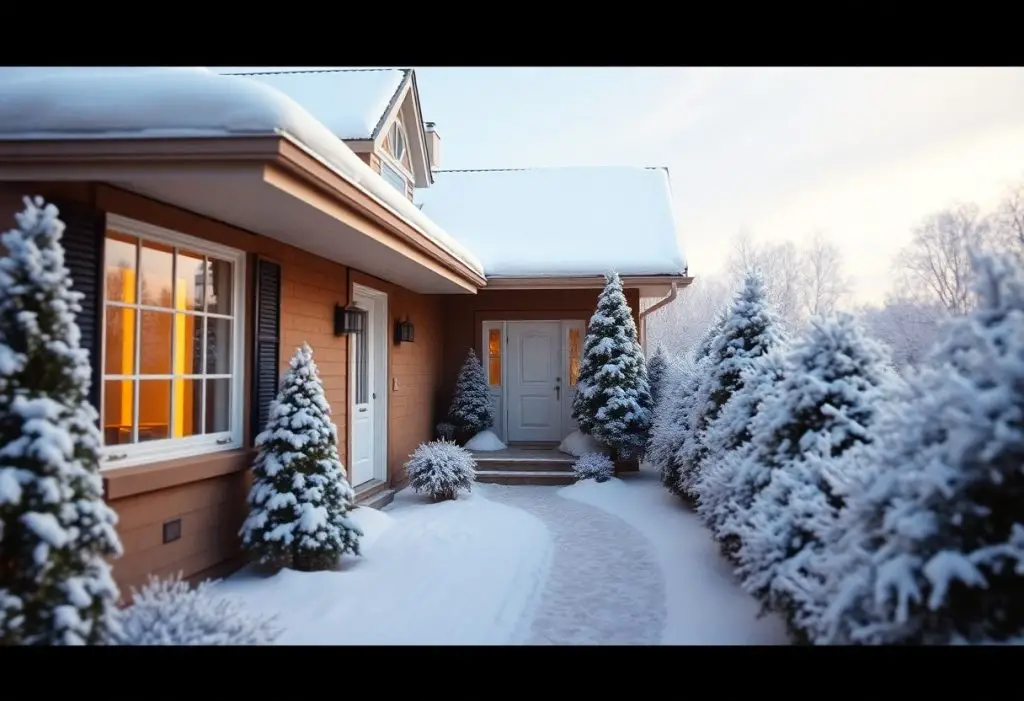
You have the power to protect your home from the harsh realities of winter weather. As temperatures drop and snow begins to fall, taking proactive steps can save you from expensive repairs and inconveniences down the line. By incorporating expert advice on insulation, drainage, and maintenance, you can create a safe and cozy environment for your family while shielding your property from potential damage. Dive into our practical tips to ensure your home stands strong against winter’s challenges.
Battling the Elements: Key Areas of Vulnerability
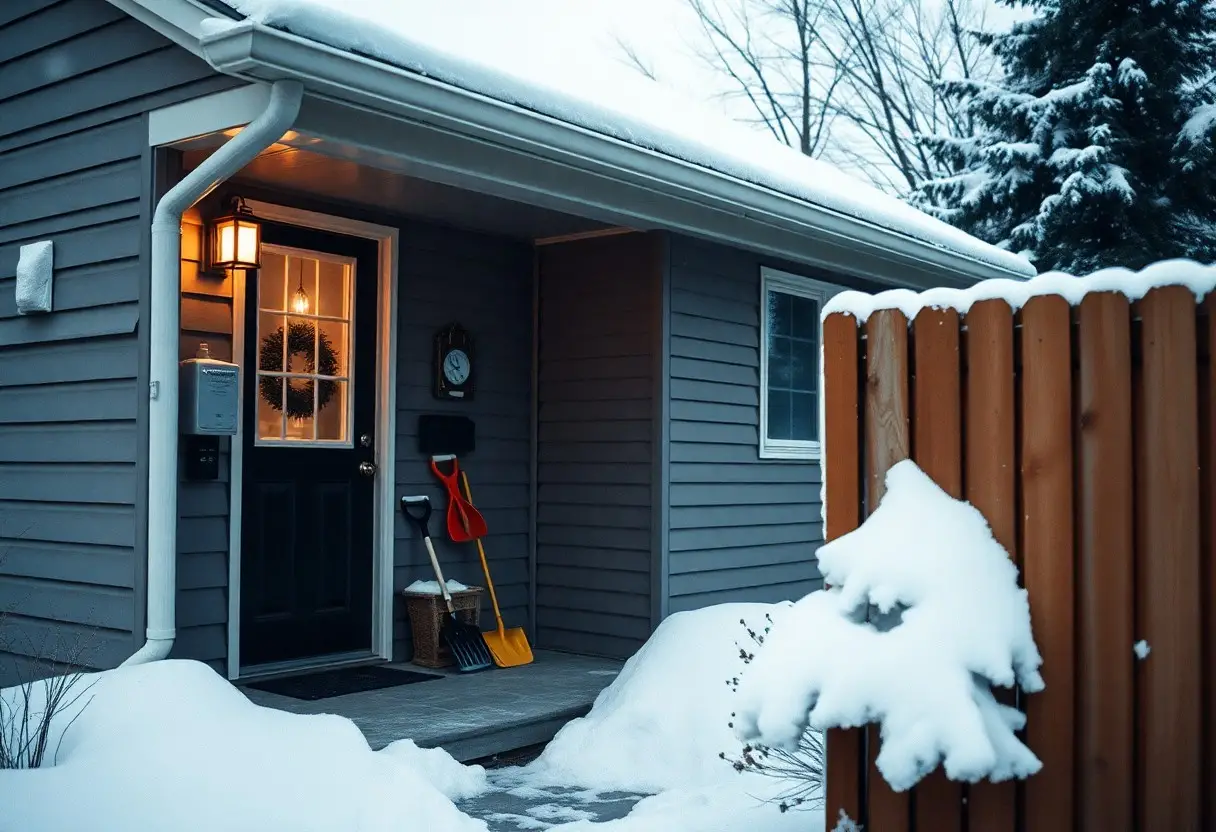
Your home faces various vulnerabilities during winter, primarily from cold weather, snow, and ice. The roof, windows, and doors are critical areas where issues may arise, leading to costly damage. Taking proactive measures in these key zones is necessary for keeping your home safe and energy-efficient throughout the season.
Roof Integrity: Inspections and Repairs
Window and Door Sealing: Keeping the Cold Out
Plumbing Pitfalls: Preventing Frozen Pipes
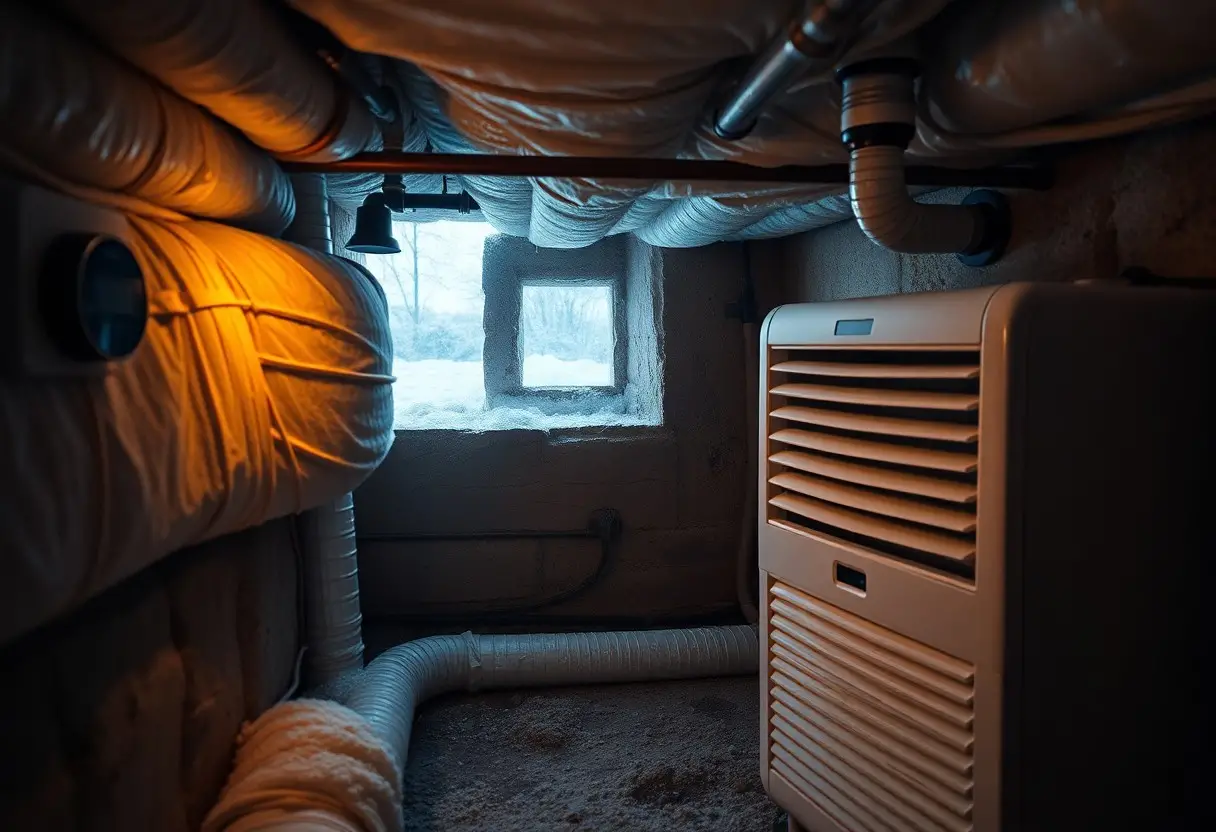
Frozen pipes can lead to serious water damage and costly repairs. To prevent this common winter issue, ensure you keep your heating system running during extremely cold temperatures, especially in unoccupied areas of your home. Consider letting faucets drip slightly during deep freezes to maintain water movement, which reduces the likelihood of ice buildup. Additionally, monitor the insulation in your home, particularly in areas where pipes are exposed to the cold, such as attics, basements, and crawl spaces.
Insulation Techniques for Exposed Pipes
Adding insulation around exposed pipes is one of the most effective ways to prevent them from freezing. Use foam pipe insulation sleeves that you can easily find at home improvement stores. For added protection, consider wrapping pipes with heat tape or electrical heating cables, which provide consistent warmth to vulnerable areas. Seal any gaps in walls or floors that might allow cold air to reach your plumbing, and ensure that any drains or vents are properly insulated as well.
The Importance of Heating Systems in Extreme Cold
Your heating system plays a pivotal role in safeguarding your home’s plumbing during severe winter conditions. Properly functioning heaters maintain a consistent temperature throughout your living spaces, ensuring that pipes remain above freezing. Regular maintenance is important—prioritize cleaning and servicing your furnace to prevent potential breakdowns. If your heating system is outdated or insufficient for your home’s size, consider an upgrade, as modern heaters offer better efficiency and reliability during extreme cold spells.
A reliable heating system is not just a comfort; it’s a necessity during winter. For instance, homes with central heating typically keep indoor temperatures above 55°F, significantly reducing the risk of freezing pipes. Additionally, incorporating programmable thermostats allows you to regulate temperatures efficiently, ensuring that unoccupied areas still receive some degree of warmth. When severe cold sets in, maintaining a stable environment even in less-used spaces is vital for overall home protection.
Beyond the Basics: Landscaping for Winter Resilience
Preparing your landscaping for winter can significantly enhance your home’s resilience against the cold. Select native plants that naturally adapt to colder temperatures, and incorporate mulch around flower beds to insulate roots. Additionally, strategic placement of evergreen shrubs can act as windbreaks, protecting your home from harsh winter winds while maintaining your property’s aesthetic appeal. By investing time in winter-proofing your landscape now, you can enjoy a vibrant outdoor space that withstands the season’s challenges.
Protective Strategies for Trees and Shrubs
Wrapping young trees with burlap or protective foam can shield them from frost damage while helping maintain moisture levels in their bark. Applying anti-desiccant sprays on evergreens prevents moisture loss during dry winter months, effectively safeguarding their health. Additionally, consider staking fragile branches to minimize breakage under heavy snow or ice accumulation. Implementing these strategies will ensure your trees and shrubs thrive even in the harshest winter conditions.
Managing Snow Accumulation Around Your Property
Reducing snow accumulation around your home’s foundation is vital for preventing water damage during melting periods. Create a plan to regularly remove snow from walkways and driveways, allowing melted snow to drain away from your home’s base. Strategically using shovels or snow blowers can help you manage heavier accumulations, while ensuring that snow is directed away from your foundation and downspouts. Additionally, consider the placement of snow barriers like wooden boards or reinforced fences, which can redirect melting snow effectively.
Managing snow accumulation involves more than just shoveling; creating a consistent snow removal schedule helps maintain optimal drainage. Keeping pathways clear not only ensures safety but also prevents excessive buildup that can lead to ice formation or roof leaks. Making it a habit to clear snow when it’s fresh will aid in maintaining your landscape’s integrity and allow for proper water drainage when temperatures begin to rise. Aim to clear as much snow as possible, particularly from areas surrounding the building’s foundation and where drainage issues may arise.
Embracing Technology: Smart Solutions for Winter Preparation
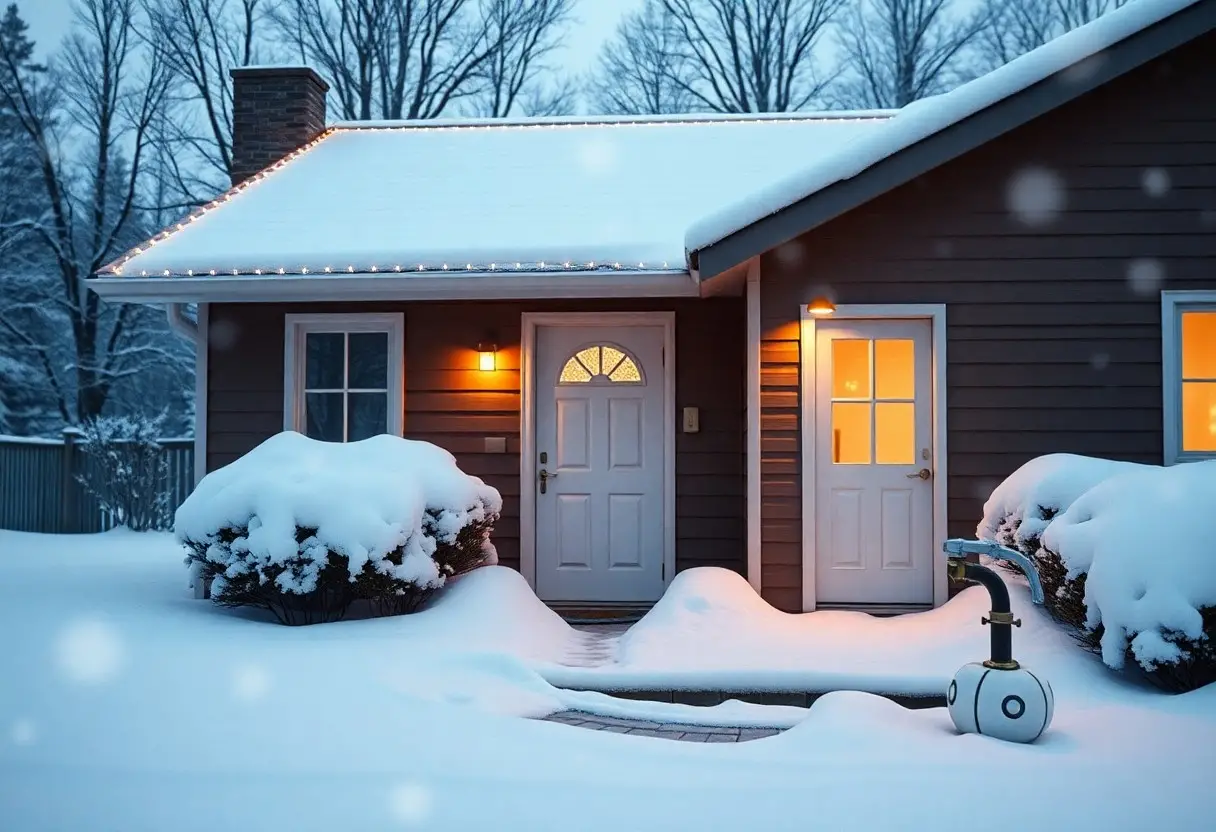
Utilizing technology can enhance your winter preparation, ensuring your home remains protected against the elements. Smart home solutions streamline everything from temperature control to leak detection, allowing you to monitor and manage your home’s winter readiness efficiently. By embracing these innovations, you gain peace of mind and potentially reduce your heating costs as well.
Home Automation for Temperature Control
Smart thermostats allow you to manage your home’s temperature remotely, adapting to your schedule and reducing energy consumption. With features like geofencing, these devices can lower heating when you’re away and warm up your home before you return. Integrated with other smart home systems, they ensure optimal performance and comfort throughout winter.
Temperature Control Features
| Feature | Description |
|---|---|
| Remote Access | Control your heating from anywhere via a smartphone app. |
| Energy Reports | Receive insights on your energy usage and savings. |
| Learning Algorithms | Automatically adjusts temperature based on your habits. |
Smart Monitoring Systems for Water Leaks
Leak detection systems are vital for protecting your home from water damage during winter. These smart devices can send immediate alerts to your smartphone if they detect moisture, allowing you to address the issue before it escalates into a larger problem. Many systems also come with automatic shut-off valves to prevent flooding from broken pipes or appliances.
Some leak detection systems feature multiple sensors placed throughout your home, specifically in high-risk areas like basements, under sinks, or near water heaters. By receiving real-time notifications, you can act swiftly—potentially saving thousands in repairs. Many of these systems can integrate with your smart home setup, providing comprehensive monitoring for enhanced protection against unexpected water damage this winter.
Financial Forethought: Budgeting for Winter-Proofing Investments
Allocating a budget for winter-proofing your home not only prepares you for seasonal challenges but also protects your financial health. Start by evaluating your current home condition and identifying high-priority areas that require attention, such as insulation, roof repairs, or window sealing. Setting a budget ahead of time will prevent last-minute, costly decisions and help you prioritize expenditures that provide the best protection against winter hazards.
Cost-effective Materials and Solutions
Choosing cost-effective materials can greatly enhance your winter-proofing strategy without overwhelming your budget. For insulation, consider fiberglass batting or foam boards, which offer excellent thermal resistance. Weather stripping your doors and windows with affordable, durable options can significantly reduce heat loss. Additionally, opting for DIY solutions like installing a programmable thermostat can also save money on labor while ensuring your home is efficiently heated throughout the winter months.
Long-term Savings: The ROI of Winter Preparations
Investing in winter preparations often yields remarkable long-term savings. A well-insulated home can cut energy bills by up to 30%, allowing you to reclaim your investment over time. Furthermore, proper maintenance can extend the lifespan of your roofing and siding by preventing water damage and mold growth, ultimately averting costly repairs or replacements. In some cases, safety measures like secured pipes can prevent freezing and bursting, saving you from possibly thousands in emergency plumbing costs.
For example, the average homeowner spends around $1,500 annually on energy bills during winter; however, by investing $1,000 in comprehensive winter-proofing improvements, you can expect to see a return on investment within a few years, as energy efficiency increases and reduces those bills significantly. With various rebates and incentives offered for energy-saving home upgrades, the financial advantages of winter preparations can compound over time, making your home more resilient while enhancing its value.
Conclusion
Conclusively, ensuring your home is winter-proof is necessary for maintaining its integrity and comfort during the colder months. By following expert tips, such as sealing gaps, insulating pipes, and maintaining your heating systems, you can effectively safeguard your property from winter-related damage. Taking proactive steps helps you avoid costly repairs and ensures a safe, warm environment for you and your loved ones. Equip yourself with these strategies, and enjoy peace of mind throughout the winter season.