
Over time, your home may require repairs or renovations to maintain its beauty and functionality. In this comprehensive guide, you will discover everything you need to know to tackle home improvement projects effectively and efficiently. From common repairs like leaks and paint touch-ups to major renovations such as kitchen remodels and bathroom upgrades, you’ll gain insights and practical tips that will empower you to enhance your living space. Embrace this opportunity to transform your home into the sanctuary you’ve always envisioned.
Mastering Essential Home Repair Skills
Building your home repair skill set is not just a benefit; it’s a necessity for every homeowner. Grasping the basics—like patching drywall, fixing leaky faucets, or troubleshooting electrical issues—can save you time and costs. By mastering these skills, you enhance the longevity and appearance of your home while gaining confidence in your ability to tackle unexpected repairs. Plus, the satisfaction of completing a task on your own is unmatched. With the right guidance and practice, you’ll find these crucial skills are within your reach.
The Crucial Toolbox: Tools Every Homeowner Needs
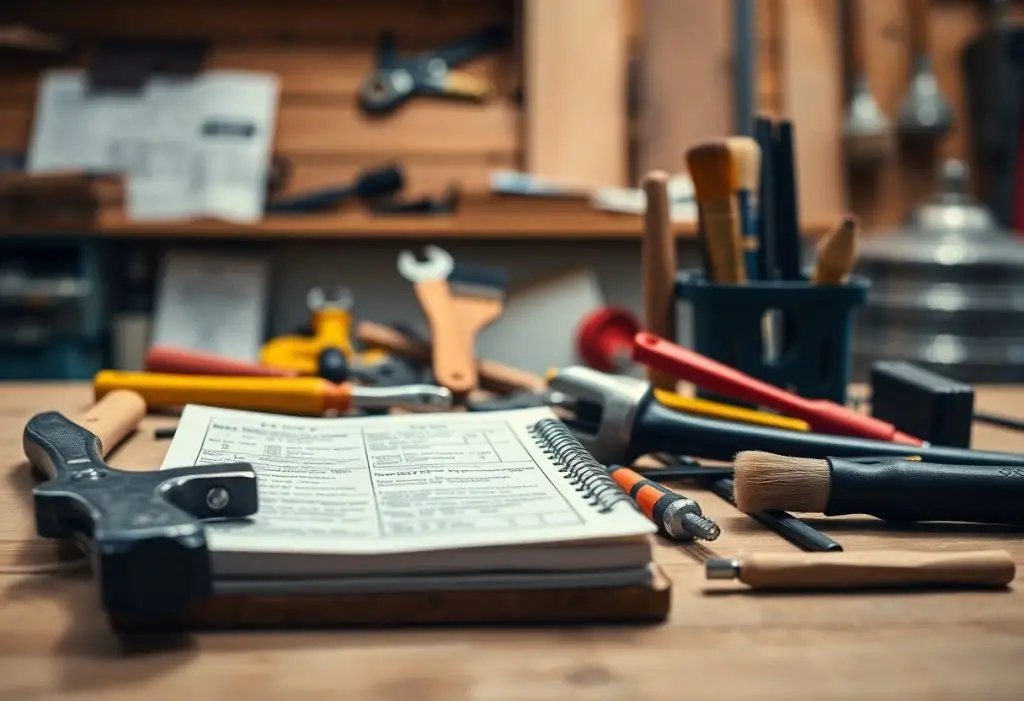
Equipping your toolbox with crucial tools is a game-changer for any homeowner. Start with fundamental items like a versatile hammer, a reliable set of screwdrivers, a sturdy tape measure, and a level. Don’t overlook the importance of pliers, a utility knife, and a cordless drill. These tools form the foundation for countless repairs and projects around your home, enabling you to tackle minor fixes or major renovations with confidence. With a solid toolbox at your disposal, everyday repairs become manageable challenges instead of daunting tasks.
DIY vs. Hiring Professionals: When to Take the Plunge
The decision between handling repairs yourself or hiring a professional can significantly impact both your wallet and your peace of mind. If the job involves basic maintenance, such as painting or installing shelves, you’ll likely save money and gain satisfaction from doing it yourself. However, for complex projects like electrical wiring or plumbing, enlisting a licensed professional ensures safety and compliance with local codes. Evaluate the intricacy of the task, your skill level, and the potential risks involved before diving in or calling for help.
Taking on DIY projects can be immensely rewarding, especially for tasks within your current skill set. For example, if you’re comfortable with minor plumbing tasks, unblocking a sink can be a simple job that saves you a service fee. Conversely, don’t hesitate to consult a professional for jobs that could pose safety risks, such as extensive electrical work or structural repairs. Weigh the potential for error and the time you might spend learning a new skill against the cost of hiring an expert to ensure your home remains safe and well-maintained.
Tackling Common Repair Challenges
Every homeowner encounters unique repair challenges, from pesky plumbing issues to unwelcome electrical mishaps. Knowing how to handle these situations not only saves you time and money but also boosts your confidence as a DIYer. You’ll find that most common problems have straightforward solutions, and with the right guidance, you can address them efficiently and effectively.
Plumbing Nightmares: Solutions for Common Issues
Clogged drains and leaky pipes can quickly escalate into plumbing nightmares. Simple solutions like using a plunger or a drain snake can often clear minor clogs, while tightening loose fittings can fix leaks. For stubborn blockages, a mixture of baking soda and vinegar followed by hot water might do the trick, giving you a clean and odor-free drain without harsh chemicals.
Electrical Mishaps: Safety and Quick Fixes
Electrical issues often cause panic, but many problems have simple fixes if handled safely. If a circuit breaker trips frequently, check for overloaded circuits and redistribute appliances to prevent future tripping. Likewise, a flickering light could signal a loose bulb or a faulty socket. Always ensure the power is off before attempting repairs, and when in doubt, consult a licensed electrician.
Using a circuit tester can help identify faulty switches or outlets before you start any repair. Ensure you also replace any frayed wires or worn out sockets promptly, as these can lead to more significant hazards, like electrical fires. If you lack experience with more complex electrical issues, hiring a professional will not only guarantee safety but also ensure compliance with local building codes. Building your electrical knowledge will empower you to take on minor tasks confidently while staying safe at home.
Transformative Renovation Ideas for Every Budget
Renovating your home doesn’t have to drain your wallet; there are transformative ideas to fit every budget. Whether you’re looking to breathe new life into a small space or planning a significant makeover, creative solutions exist that won’t compromise your vision. From DIY projects that give your home character to professional upgrades that enhance functionality, embracing a thoughtful renovation approach can bring about stunning results that reflect your style and meet your needs.
Budgeting for Your Dream Space: Prioritizing Projects
Start your renovation journey by prioritizing which projects will bring you the greatest benefit and satisfaction. Create a wish list of renovations and categorize them into must-haves and nice-to-haves. Consider how each project impacts the overall functionality and aesthetic of your home. By allocating your budget effectively, you can ensure that vital upgrades are completed first, laying a solid foundation for future enhancements.
Affordable Upgrades: Low-Cost Improvements with Big Impact
Transforming your space doesn’t always require a large investment; simple improvements can create significant changes. Small upgrades like swapping out outdated hardware, painting walls a fresh color, or adding decorative elements can make your home feel brand new. Focus on enhancing key areas, such as your kitchen and living room, where improvements are likely to yield a greater return on investment.
Consider the effect of re-grouting tiles in the bathroom, installing new light fixtures, or adding peel-and-stick backsplash in the kitchen. These low-cost enhancements not only modernize your spaces but also provide an inviting atmosphere. Energy-efficient bulbs, fresh cabinetry handles, or a new faucet can elevate the appeal without stretching your finances. Keep an eye out for clearance items or DIY tutorials that can help you further reduce costs while maximizing your home’s potential. Engaging in these affordable upgrades can make your home reflect your taste and personality without a hefty price tag.
Navigating Permits and Regulations
Understanding the landscape of permits and regulations can significantly impact your home repair and renovation journey. Many projects, especially those involving structural changes, electrical upgrades, or plumbing modifications, require proper permits from your local authorities. Successfully navigating this terrain ensures compliance with safety standards and protects your investment from potential legal issues down the road.
The Importance of Permits: Protecting Your Investment
Obtaining the necessary permits safeguards your investment by confirming all work meets local building codes. Projects conducted without permits might lead to fines and complications when selling your home. Additionally, permits streamline the inspection process, ensuring that renovations are not only aesthetically pleasing but also structurally sound and safe for occupants.
What Homeowners Need to Know About Local Codes
Your local codes dictate what is permissible regarding construction, renovations, and repairs, often varying significantly between regions. Each locality has specific guidelines encompassing everything from electrical work to HVAC installations. Engaging with your municipality or planning department will provide the necessary details, ensuring that your home improvements not only comply with regulations but also enhance the value of your property.
Local codes can encompass a wide range of regulations, including those governing aesthetic aspects like exterior building materials and colors, as well as technical standards for safety and energy efficiency. For instance, some towns may require that fences be a specific height or that home additions have certain setback distances from property lines. Knowing these guidelines helps prevent future complications and costly alterations, enhancing the durability and value of your home while ensuring a seamless renovation process.
Integrating Sustainable Practices in Home Renovations
Incorporating sustainable practices during home renovations not only reduces your environmental impact but also enhances your home’s overall value. Techniques like recycling existing materials, utilizing energy-efficient appliances, and applying eco-friendly design principles can minimize waste while fostering a healthier indoor environment. This approach doesn’t stop at aesthetics; embracing sustainability can lead to significant long-term savings on utility bills, an attractive feature for potential homebuyers. Every choice you make contributes to a more sustainable future for your community and planet.
Eco-Friendly Materials: Choosing Greener Options
Selecting eco-friendly materials is a fundamental step in sustainable renovations. Opt for materials that are locally sourced, recyclable, or made from renewable resources. For instance, bamboo flooring is not only sustainable but also durable and stylish. Reclaimed wood adds character and minimizes deforestation. Additionally, low-VOC paints enhance indoor air quality, ensuring your home is a safe haven for you and your family.
Energy Efficiency: Making Your Home Work Smarter
Energy efficiency is pivotal in creating a sustainable home. Investing in high-quality insulation, ENERGY STAR-rated appliances, and smart home technology significantly reduces energy consumption. With proper insulation, your heating and cooling systems operate more effectively, minimizing wastage. You can also incorporate smart thermostats, which allow you to program temperature settings for optimal efficiency, cutting down on unnecessary energy use.
By utilizing energy-efficient practices, your home can become a model of sustainability. For example, replacing your old windows with double or triple-glazed options can reduce heat loss by up to 30%, which not only saves energy but also lowers your heating bills. Adding solar panels can generate your own energy, potentially eliminating your electricity costs over time. With these upgrades, homes can often achieve a return on investment through lower utility bills, making the upfront costs worth it in the long run. Plus, many local and federal incentives can offset initial expenses, making energy efficiency an incredibly smart choice for your renovation project.
Conclusion
Summing up, your journey towards successful home repairs and renovations starts with the right resources at your fingertips. By utilizing the comprehensive guides, expert tips, and reliable contacts provided here, you empower yourself to tackle projects efficiently and effectively. Whether you’re enhancing your living space or addressing vital maintenance, this one-stop resource equips you with the knowledge and confidence to make informed decisions, ensuring your home reflects your style and meets your needs.