

Spot the signs of poor workmanship early to save yourself time, money, and frustration. As you navigate home renovations or new constructions, understanding what to look for can make all the difference. In this guide, you will learn key indicators of subpar work, from aesthetic flaws to functional issues, ensuring you can address potential problems before they exacerbate. Equip yourself with the knowledge you need to make informed decisions about your projects and maintain the integrity of your property.

Decoding the Signs of Inferior Craftsmanship
Identifying poor workmanship can save you time, money, and headaches down the line. With a practiced eye, you can decode the subtle signs that indicate inferior craftsmanship. From glaring visual clues to functional failures that compromise performance, knowing what to look for before it’s too late is important.
Visual Clues: What to Look For
Poor craftsmanship often reveals itself through visual imperfections. Look for uneven surfaces, inconsistent paint lines, and misaligned tiles. Gaps in joints, rough edges, or excessive glue can hint at a lack of attention to detail. If the finish appears dull or discolored inconsistently, you’re likely witnessing inferior work. Inspecting these visual markers can provide insight into the overall quality of the project.
Functional Failures: Performance Red Flags
Not all indicators of poor workmanship are visual; many manifest in performance-related issues. If items are difficult to operate or fail to perform their intended purpose, you’re facing a functional red flag that hints at inferior craftsmanship.
For example, a door that sticks or doesn’t close securely points to poor alignment or installation. Plumbing systems that leak or drain slowly not only indicate bad workmanship but can lead to further complications. Appliances that repeatedly malfunction, despite being brand new, may have been improperly fitted. Keeping an ear out for odd sounds, smells, or other unusual signs during regular use can help you identify these performance red flags early, potentially saving you from costly repairs or replacements down the line.

The Costly Consequences of Overlooking Details
Ignoring the finer points of workmanship can lead to significant setbacks that ripple through your project, accumulating costs and creating headaches. Small oversights may seem insignificant at first glance, but they can morph into major problems, resulting in additional repairs, extended timelines, and ultimately, financial strain. You could find yourself in a position where you need to hire experts to fix what should have been done correctly from the start, translating to unforeseen bills and stress.
Long-term Financial Impact
Investing in subpar craftsmanship may appear to save money in the short term, but the long-term consequences can be staggering. A poorly installed roof, for instance, can lead to leaks that require expensive water damage repairs, costing you thousands. A survey of homeowners showed that 40% experienced structural issues that stemmed from inadequate workmanship, leading to average repair costs of $10,000 or more.
Aesthetic and Structural Implications
Aesthetically, shoddy work can detract from the overall appearance of your home or project, leading to a less appealing environment. Structural issues, on the other hand, can compromise the integrity of your building, posing safety risks that may put lives and investments at risk. For example, improperly laid bricks can result in uneven walls, compromising both appearance and structural stability, necessitating costly remedial actions to restore integrity.
Beyond just the visual appeal, structural implications can include sagging floors, misaligned doorways, or cracks in the foundation due to inadequate support. Issues like these not only diminish your property value but can also create hazardous living conditions. Many homeowners find themselves in legal disputes with contractors over the quality of work and suffer from prolonged living conditions plagued by aesthetic dissatisfaction and safety concerns. Regularly inspecting and ensuring quality craftsmanship during your project can mitigate these risks significantly.
Essential Tools and Techniques for Inspection
Equipping yourself with the right tools and techniques can make a significant difference in your ability to spot poor workmanship. Use a variety of inspection tools such as levels, tape measures, and moisture meters to assess the quality of the work. A keen eye for detail and a systematic approach will also help you identify irregularities that may indicate underlying issues. Regular practice in inspecting various projects can enhance your skills and make you more adept at recognizing craftsmanship flaws before they escalate.
Must-Have Tools for DIY Enthusiasts
Gathering important tools for inspection is a wise investment for any DIY enthusiast. A laser level offers precision in ensuring surfaces are perfectly straight, while a quality tape measure helps verify that dimensions are accurate. A multi-tool can facilitate quick fixes and adjustments, and a digital moisture meter is vital for assessing potential water damage. With these tools, you can confidently evaluate workmanship and identify areas that may require further attention.
Professional Evaluation: When to Call in Experts
Certain situations demand the expertise of professionals, particularly when complexities arise beyond your skill set. If you encounter issues that seem extensive or potentially hazardous, enlisting an expert’s help is advisable. This includes problems like structural deficiencies, electrical code violations, or plumbing irregularities that could lead to safety hazards. An experienced professional can diagnose hidden problems, recommend solutions, and ensure that any work adheres to local codes and standards, saving you time and preventing future expenses.
When unsure about the integrity of a project, trust your instincts and consult an expert. For instance, if you observe noticeable cracks in walls or floors that weren’t there previously, or if you’re dealing with an extensive remodeling effort that involves uneven surfaces, the risk of further complications increases. Hiring a licensed contractor or inspector can pinpoint the root causes and provide an action plan. Their expertise typically pays off by preventing costly mistakes and enhancing the overall quality of your project.
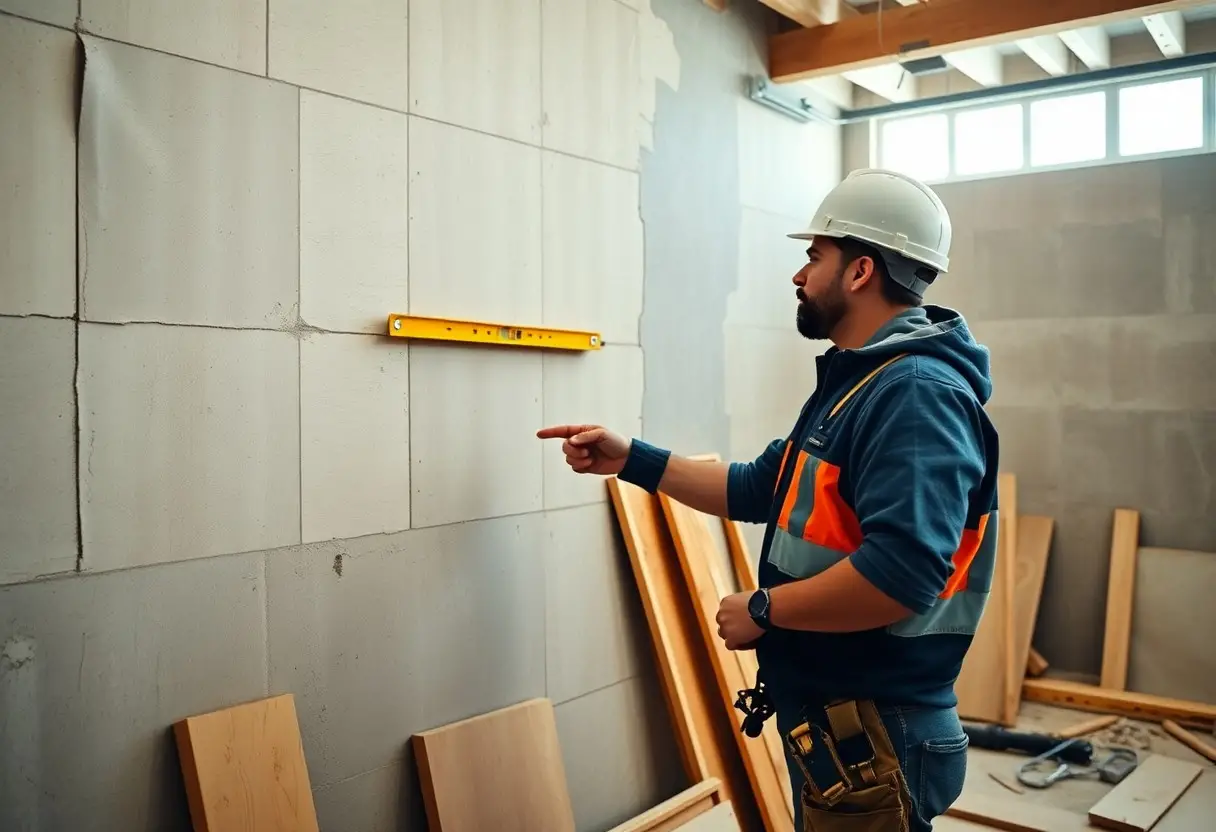
Building a Quality Assurance Mindset
Fostering a quality assurance mindset involves sharpening your instincts to identify craftsmanship flaws early in the process. This mindset empowers you to prioritize quality over speed and helps you to cultivate expectations of excellence, both in your own work and in that of others. By maintaining a high standard and being vigilant, you minimize the chances of overlooking poor workmanship that could lead to costly repairs and dissatisfaction down the line.
Developing an Informed Eye for Detail
Training your eyes to catch inconsistencies is a skill that improves with practice. Start by examining past projects and noting where problems occurred; whether it’s uneven finishes, misaligned structural elements, or inferior materials. Over time, you’ll develop an intuitive understanding of what constitutes quality work, enabling you to catch issues early before they become more significant flaws.
Cultivating Effective Communication with Craftsmen
Communicating effectively with craftsmen sets the foundation for successful project outcomes. Establishing a rapport encourages transparency, which allows both you and the craftsmen to address concerns before they escalate. Make it a habit to ask questions about methods, materials, and project timelines. This proactive approach not only builds trust but also ensures that everyone is aligned with the project’s quality expectations, leading to better results and fewer misunderstandings.
Creating an open dialogue with craftsmen enhances collaboration and allows you to express your expectations clearly, reducing the likelihood of errors and rework. Use specific language to describe any standards you have in mind and encourage feedback from the craftsmen. By showing interest in their perspectives and inviting them to share their expertise, you create a more engaging working relationship that promotes shared accountability for quality. This way, any potential issues can be addressed swiftly, ensuring a smoother workflow and a higher standard of workmanship throughout the project.
Navigating the Repair Process: Your Next Steps
Once you’ve identified poor workmanship, addressing it promptly can save you time and money. Start by documenting the issues with photos and written descriptions, as this evidence will be critical in discussing repairs with your contractor. Approach your contractor to present your findings, emphasizing the need for corrective actions. If they’re unresponsive or unwilling to make necessary repairs, it may be time to seek legal advice or consult a third-party mediator to help resolve the situation effectively.
Handling Disputes with Contractors
Disputes with contractors can arise if expectations aren’t aligned. Keep communication clear and respectful, outlining your concerns and the specific repairs you are requesting. If informal conversations fail to yield results, consider writing a formal complaint. Document everything meticulously and maintain records of all communications to strengthen your position. A well-documented case can facilitate quicker resolutions.
Ensuring Quality in Corrective Measures
Prioritizing quality during corrective measures demands vigilance and involvement. Engage independent inspectors if necessary to evaluate the work once repairs are completed. Not only will this provide an objective assessment of the workmanship, but having a third-party opinion can also validate your concerns and give you leverage in discussions with your contractor about further adjustments needed. Trust your instincts; if something seems off, don’t hesitate to seek additional evaluations or redress.
Quality in corrective measures ensures you are not only addressing the superficial damage but also tackling the underlying issues caused by previous workmanship failures. When engaging a contractor for repairs, outline your expectations clearly and ask about their process for ensuring quality. It may be beneficial to establish checkpoints or milestones for the work where you can review progress. Additionally, employing a reputable inspector to verify that repairs meet industry standards will help mitigate future issues. These steps create accountability and can lead to a more satisfactory outcome, preventing another round of flaws from developing.
To wrap up
On the whole, identifying poor workmanship early can save you time, money, and frustration. By diligently examining the quality of materials, observing attention to detail, and asking the right questions, you empower yourself to make informed decisions. Trust your instincts and look out for red flags, such as uneven finishes or inconsistent patterns, which can indicate underlying issues. By remaining vigilant and informed, you can protect your investment and ensure that the work meets your standards before it’s too late.