
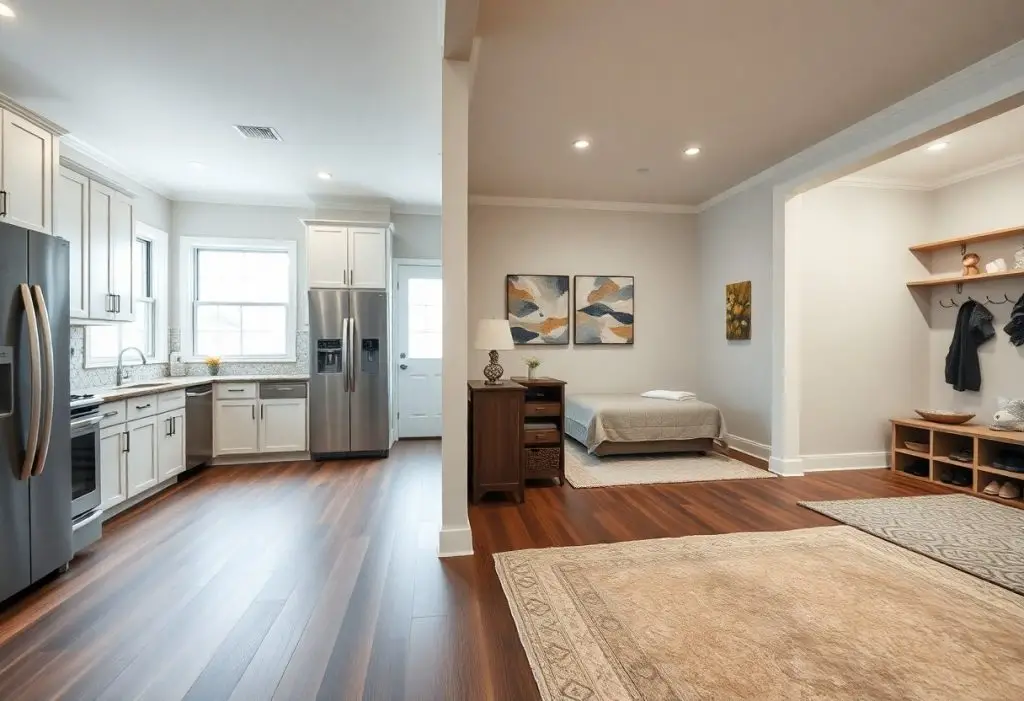
Many homeowners struggle to pick flooring that balances style, durability, and function across different spaces. You need solutions that match each room’s unique demands-from moisture-prone bathrooms to high-traffic hallways. This guide gives you clear, practical steps to make confident, informed choices that enhance both comfort and value in your home.
Analyzing Key Factors for Room-Specific Selection
Every room has unique demands that shape the best flooring choice. Consider how each space is used, who uses it, and environmental conditions like sunlight or temperature shifts.
- Foot traffic intensity
- Moisture exposure
- Desired comfort level
- Maintenance preferences
This ensures your selection supports both lifestyle and long-term durability.
Assessing Foot Traffic and Impact Resistance
High-traffic areas like hallways and living rooms need flooring that withstands constant movement. Materials such as hardwood, luxury vinyl, or ceramic tile hold up well under pressure and resist scratches. Soft surfaces like cork or unglazed stone may dent or wear faster. This means choosing resilient options where activity is heaviest.
Evaluating Moisture Levels and Humidity Control
Bathrooms, kitchens, and basements face frequent moisture exposure, demanding water-resistant materials. Porcelain tile, sealed concrete, or waterproof vinyl perform well in damp settings. Natural wood can warp if not properly protected. This makes moisture resistance a non-negotiable factor in these spaces.
Moisture isn’t just about spills-it includes ambient humidity that fluctuates with seasons and ventilation. In poorly ventilated rooms, trapped moisture can lead to mold, warping, or adhesive failure beneath flooring. You’ll want to measure relative humidity before installing and choose materials with low moisture absorption. Some engineered products offer better stability in humid climates than solid wood. This helps maintain both appearance and structural integrity over time.
How to Choose Resilient Flooring for Living Areas
Living areas endure constant foot traffic and daily wear, so your flooring must stand up to real life. You need a surface that combines strength with style, resisting scratches and spills without sacrificing comfort. Think beyond appearance-focus on materials engineered for endurance while still enhancing your home’s warmth and flow.
Balancing Hardwood Aesthetics with Durability
You love the timeless look of hardwood, but you also need it to last. Opt for harder wood species like oak or hickory, which resist dents and scratches better than softer varieties. Engineered hardwood offers another smart solution, giving you the authentic grain you want with improved stability in high-traffic zones.
Selecting Fade-Resistant Materials for Sunlight Exposure
You’ll notice some floors fade quickly when hit by direct sunlight. Choose materials like ceramic tile, luxury vinyl, or UV-stabilized laminate to maintain color over time. These options handle prolonged sun exposure without dulling, ensuring your space looks consistent and fresh for years.
Sunlight streaming through large windows can break down flooring pigments, leading to uneven tones and a worn appearance. You’re better off selecting products specifically rated for UV resistance. Porcelain tiles with through-body color, certain LVT with protective wear layers, or prefinished hardwoods treated for light exposure all perform well. Test samples in your actual space to see how they age under your unique light conditions before committing.
Tips for Installing Waterproof Solutions in Wet Rooms
- Use waterproof membranes beneath tiles to prevent moisture penetration.
- Seal all joints and corners with high-quality silicone.
- Install a properly sloped floor to ensure efficient water drainage.
- Choose grout that’s mold-resistant and specifically rated for wet areas.
Thou will avoid long-term water damage by addressing hidden vulnerabilities during installation.
Identifying High-Performance Porcelain and Stone
Select porcelain with a water absorption rate below 0.5% to ensure durability in wet environments. Look for stone labeled as dense and impervious, like quartzite or certain granites. Check manufacturer specifications for freeze-thaw resistance and porosity. These qualities guarantee lasting performance in high-moisture rooms.
Ensuring Slip Resistance in Bathrooms and Laundries
Flooring in wet areas must offer reliable traction underfoot. Choose tiles with a textured surface or matte finish to reduce slip risks. Verify the coefficient of friction (COF) rating-aim for at least 0.6 for wet conditions. Safety improves significantly when texture and design work together.
Slip-resistant flooring isn’t just about surface roughness-it’s about smart material selection and proper installation. A slightly abrasive finish can prevent falls without compromising comfort. Consider tiles with micro-texturing that hides wear while maintaining grip. You’ll find peace of mind knowing your family walks safely, even on damp surfaces.
How to Prioritize Comfort and Warmth in Bedrooms
Bedrooms should feel like personal sanctuaries, where comfort and warmth come first. You spend hours barefoot on the floor in the morning and late at night, so your flooring choice directly impacts daily comfort. Soft, insulating materials not only feel better underfoot but also help maintain a cozy room temperature, especially during colder months.
Comparing Plush Carpeting and Natural Cork
Each material brings unique benefits when softness and insulation are priorities. The table below outlines key differences to help you decide based on your needs.
| Feature | Plush Carpeting | Natural Cork |
| Comfort Level | Extremely soft and warm underfoot | Slightly springy with moderate warmth |
| Insulation | Excellent thermal and sound insulation | Good natural thermal resistance |
| Maintenance | Requires regular vacuuming; prone to stains | Easy to clean; needs sealed finish |
| Eco-Friendliness | Varies by material and backing | Renewable, biodegradable resource |
Utilizing Underfloor Heating Compatibility
Some bedroom flooring options work better with underfloor heating systems than others. You’ll want a material that conducts heat efficiently without expanding, warping, or insulating too much. Choosing the right combination ensures consistent warmth and energy efficiency throughout the year.
Underfloor heating performs best beneath materials with low thermal resistance. Cork and engineered wood respond well, releasing warmth steadily. Avoid thick carpets unless designed for heated floors. Always check manufacturer guidelines to confirm compatibility-installing the wrong flooring can reduce system performance or void warranties. Proper pairing enhances comfort without sacrificing efficiency.
Essential Factors for Long-Term Maintenance
- Daily wear and foot traffic patterns
- Resistance to moisture and spills
- Compatibility with household pets and children
- Frequency of required cleaning
- Availability of professional maintenance services
Knowing how each flooring type responds to real-life demands ensures lasting beauty and function across years of use.
Understanding Specialized Cleaning Requirements
Some floors need specific cleaners to avoid damage-vinyl tolerates mild soap, while hardwood rejects excess water. You must follow manufacturer guidelines to preserve finishes and warranties. Using the wrong products can dull surfaces or cause warping over time.
Evaluating Refinishing Potential and Lifespan
Hardwood can be sanded and refinished multiple times, extending its life far beyond other materials. Laminate and vinyl, however, can’t be refinished and must be replaced when worn. Surface durability directly impacts how often you’ll face major updates.
Real wood floors typically last 25-100 years, depending on care and refinishing frequency. Engineered wood offers a middle ground, with one or two refinishing options. Materials like luxury vinyl or tile may last 20 years but can’t be renewed-once they show wear, replacement is the only fix. Your choice shapes long-term costs and effort.
Expert Tips for a Flawless Installation Process
- Always acclimate your flooring material to the room’s temperature and humidity for at least 48 hours.
- Use the right underlayment to enhance comfort, reduce noise, and extend the floor’s lifespan.
- Follow manufacturer guidelines for expansion gaps around edges and fixtures.
- Double-check subfloor flatness with a straightedge before laying any material.
Assume that
Preparing the Subfloor for Structural Integrity
You need a clean, level, and dry subfloor to prevent future warping or squeaks. Test for moisture levels, especially in basements or over concrete. Repair any damage, secure loose boards, and sand high spots to ensure a smooth base that supports your chosen flooring long-term.
Managing Transitions Between Different Materials
Different floor types expand and contract at varying rates, so proper transition strips maintain both function and style. Match the strip’s height and color to adjacent floors for a clean look. Secure it firmly to avoid tripping hazards and gaps over time.
When you install flooring across rooms with different materials-like hardwood in the living area and tile in the kitchen-the change in elevation and movement needs careful handling. Transition strips aren’t just cosmetic; they protect edges, absorb stress, and allow for natural shifts without cracking or lifting. Choose the right type-T-molding, reducer, or threshold-based on the height difference and foot traffic patterns.
To wrap up
Summing up, you make the best flooring choices by matching durability, maintenance, and style to each room’s use. Kitchens need moisture-resistant materials, bedrooms favor comfort underfoot, and living areas balance aesthetics with wear resistance. Your lifestyle, budget, and long-term plans shape what works best. Choosing wisely ensures beauty and function throughout your home.