
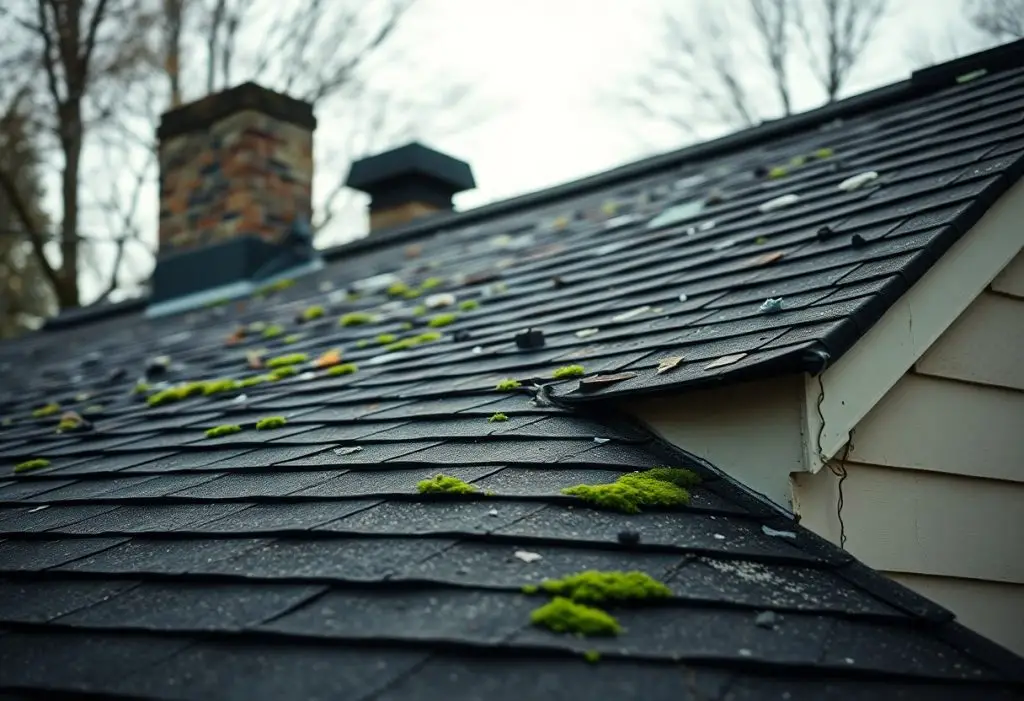
Damage from a failing roof often starts small but escalates quickly. You may notice sagging areas, missing shingles, or water stains in your attic. If your roof is over 20 years old or shows visible wear, it’s time to act. Catching these signs early helps prevent costly interior damage and maintains your home’s safety and value.
The Clock of the Shingle
Your roof has a lifespan most homeowners overlook until problems arise. Asphalt shingles typically last 20 to 25 years, and time alone can degrade their performance. Even without visible damage, aging materials lose resilience. If your roof is approaching or past this age, it’s wise to evaluate replacement before leaks or structural issues emerge.
The twenty-year mark
You’ve likely reached a turning point when two decades pass since installation. Most asphalt shingle roofs begin significant deterioration around this time. Granule loss, curling, and reduced water resistance become common. Just because it hasn’t leaked yet doesn’t mean it’s holding strong. Age alone is a valid reason to consider a full replacement.
Brittle edges in the heat
Heat exposes weakness most visible at shingle edges. When once-flexible materials become stiff and crack under summer sun, they’re no longer protecting your home. These fractures let water sneak beneath layers. What looks like minor dryness today can lead to interior damage tomorrow.
Shingle edges that flake or crumble during hot weather signal advanced asphalt degradation. UV exposure over years depletes protective oils, leaving materials dry and fragile. You might notice these changes after a heatwave when walking the perimeter or inspecting from the ground. Once brittleness sets in, repairs won’t restore longevity-only replacement ensures reliable defense against storms and moisture.
Scars on the Surface
Your roof bears the brunt of every storm, sunburst, and freeze-thaw cycle. Over time, visible wear like discoloration, cracks, or surface abrasions signals aging materials. These blemishes may seem minor now, but they often point to deeper vulnerabilities that compromise your roof’s ability to protect your home.
Bald spots and missing grit
You’ll notice dark streaks or smooth patches where granules once protected the shingles. This loss exposes the underlying material to UV damage and moisture. When you see piles of gritty residue in gutters, it’s a clear sign your shingles are deteriorating faster than expected.
Curling corners like old paper
Edges of your shingles begin to lift and twist upward, mimicking the look of dried, aged paper. This curling happens as asphalt dries out and loses flexibility. Once this occurs, water can slip underneath, increasing the risk of leaks and structural harm.
Curling corners develop when moisture gets trapped beneath shingles or due to prolonged heat exposure. As the underside dries slower than the top, uneven contraction pulls the edges upward. This creates gaps where wind-driven rain can enter, making your roof less effective even if no shingles are missing yet.
The Gutter Evidence
What you find in your gutters can tell you more about your roof’s health than you might think. Accumulated debris is normal, but certain signs point to roofing breakdown. If you’re seeing granules, dark stains, or heavy sludge, your shingles are likely deteriorating. These are not just maintenance issues-they’re early warnings of a failing roof.
Sand and silt in the troughs
You’ve probably noticed small black granules in your gutters after a storm. That’s asphalt from your shingles washing away. When you see sand-like particles building up, it means UV exposure and weather have worn down the protective layer. This erosion reduces your roof’s ability to shed water and resist heat.
Heavy deposits of decay
Thick, dark sludge clogging your downspouts isn’t just leaves and dirt. It often includes decomposed roofing material mixed with mold and algae. When this buildup happens regularly, it signals your shingles are breaking down faster than normal. Your roof can’t protect your home if it’s literally washing away.
Decay in your gutters often stems from prolonged moisture retention on aging shingles. Algae and fungi thrive in damp conditions, accelerating material breakdown. As organic matter accumulates, it traps water against the roof surface, leading to wood rot and compromised underlayment. Left unchecked, this process undermines structural integrity and invites leaks long before visible roof damage appears. Cleaning gutters helps, but persistent decay means the roof itself needs replacement.
Light in the Attic
Seeing daylight where there should be none is a clear signal your roof’s integrity is compromised. Sunlight filtering through the attic floor or ceiling boards means gaps exist in your roofing system. This isn’t just about brightness-it’s proof that water, pests, and cold air can follow the same path.
Sunbeams through the boards
You might notice thin rays of sunlight slicing through attic wood during midday. These aren’t harmless glimmers-they trace the exact spots where shingles, sheathing, or flashing have failed. Each beam marks a breach that exposes your home to weather and decay over time.
Holes where the dark should be
Darkness should dominate your attic when sealed properly. If you spot openings where daylight pours in through the roof deck, those are structural gaps demanding immediate attention. These holes often stem from rot, animal activity, or long-term wear that’s gone unchecked.
These openings do more than let in light-they create direct pathways for rain, snow, and pests. Over time, moisture entering through these holes weakens support beams, encourages mold, and damages insulation. Left unrepaired, they can lead to costly interior repairs and serious safety risks during storms or heavy winds.
The Sagging Ridge
Your roof’s ridge line should remain straight and level over time. If you notice it dipping or sagging in the middle, this signals serious structural stress. A drooping ridge often means the underlying framing can no longer support the roof’s weight, usually due to prolonged moisture exposure or weakened support beams.
Rot in the foundation
Rot beneath your roof’s structure is a silent threat that compromises stability. If you spot soft spots, discolored wood, or a musty odor in the attic, decay is likely present. This kind of damage often stems from chronic leaks and poor ventilation, weakening critical support points over time.
A roof that loses its line
Your roof should maintain a clean, consistent profile from the street. If sections appear wavy, uneven, or visibly droop, the structure is failing. This distortion often means underlying decking or trusses are compromised, usually from water damage or age-related wear.
When your roof loses its line, it’s not just a cosmetic issue-it reflects deeper structural problems. The decking may be warping due to trapped moisture, or trusses could be bending under excess weight. Ignoring this distortion risks further collapse, especially after heavy rain or snow. Early inspection by a qualified roofer can determine whether reinforcement or full replacement is needed.
Vegetation and Rot
Visible signs of organic growth or decay on your roof signal deeper issues that demand attention before structural damage sets in. Algae, moss, or fungi thrive in damp, shaded areas and often point to poor ventilation or water retention. Left unchecked, these conditions soften shingles and underlayment, weakening your roof’s integrity over time.
Moss in the shadows
Moss creeping along valleys or shaded roof sections holds moisture against the surface, accelerating shingle deterioration. You’ll often find it on north-facing slopes where sunlight rarely reaches. Its root-like structures can lift shingle edges, creating entry points for water and pests.
Trapped water in the cracks
Water pooling in tiny fissures or along flashing edges rarely evaporates quickly, especially in cooler months. You might not see it from the ground, but this hidden moisture seeps beneath layers, weakening adhesion and promoting rot in the decking below.
When water becomes trapped in cracks, it expands during freeze-thaw cycles, widening gaps with each fluctuation. This persistent dampness invites wood decay and compromises the roof deck’s strength. Over time, you may notice sagging or soft spots in the attic ceiling-clear indicators that trapped moisture has already caused internal damage.
Summing up
Following this checklist, you recognize subtle warnings before they escalate. Missing shingles, persistent leaks, and sagging areas signal it’s time to act. Your roof protects everything beneath it-ignoring early signs risks structural harm. When wear becomes visible or storms leave lasting effects, replacement isn’t just smart, it’s necessary. You preserve safety, value, and peace of mind by deciding early.