
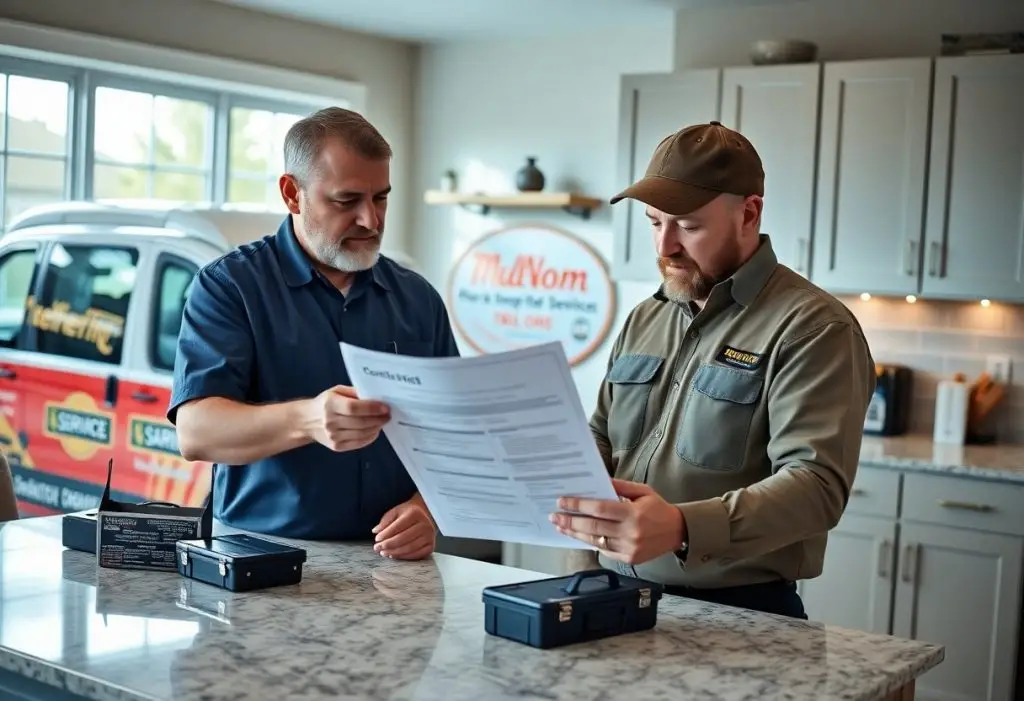
Most homeowners face unexpected repairs and need trustworthy professionals fast. You want quality work without overspending or getting stuck with subpar results. This guide shows you how to find, vet, and hire service pros who deliver consistent, reliable results-every time.
Identifying the Essential Types of Service Professionals
Every well-maintained home relies on a network of skilled individuals ready to handle different tasks. You’ll commonly work with:
- General contractors
- Plumbers
- Electricians
- HVAC technicians
- Handymen or maintenance pros
Perceiving each role’s scope helps you call the right person at the right time.
| General Contractors | Oversee full renovations or major structural work |
| Plumbers | Install and repair water, drain, and gas lines |
| Electricians | Handle wiring, panels, lighting, and electrical safety |
| HVAC Technicians | Maintain heating, cooling, and ventilation systems |
| Maintenance Professionals | Perform routine fixes and small upgrades |
General Contractors vs. Specialized Trade Experts
General contractors manage large-scale projects and coordinate multiple trades, making them ideal for home additions or full remodels. Specialists like electricians or plumbers bring deep expertise in their fields. You hire a contractor to lead, but call in trade experts when precision matters. Knowing when to use each saves time and prevents costly errors.
Maintenance Professionals and Emergency Repair Services
Maintenance pros keep your home running smoothly with regular inspections and minor fixes. Emergency repair services step in when systems fail unexpectedly-like burst pipes or power outages. These experts offer rapid response and often provide after-hours support. Planning ahead ensures you’re not scrambling during a crisis.
When a pipe bursts at midnight or your furnace dies in winter, waiting isn’t an option. Emergency repair services specialize in urgent fixes and typically offer 24/7 availability with quick dispatch times. Maintenance professionals, on the other hand, help prevent those emergencies through scheduled tune-ups and proactive repairs. Building relationships with both means your home stays safe, efficient, and disruption-free year-round.
Critical Factors to Consider Before Making a Hire
- Verify licensing, insurance, and bonding status
- Assess industry experience and local reputation
- Review clear communication and responsiveness
This builds confidence in your final decision.
Verification of Licensing, Insurance, and Bonding
You must confirm that any pro you hire holds current licensing in their trade. Unlicensed workers risk failed inspections and legal issues. Always ask for proof of insurance and bonding-these protect you if accidents occur or work is subpar. This shields your home and finances from unexpected liabilities.
Assessing Industry Experience and Local Reputation
Years in business signal reliability, but local experience matters more. A contractor familiar with your area understands regional building codes and climate challenges. Check online reviews and ask neighbors for feedback. This gives you real insight into how they treat customers and complete jobs.
Longstanding pros often build relationships with quality suppliers and subcontractors, which can improve your project’s outcome. Look for consistent, positive feedback across multiple platforms-especially comments about punctuality, cleanliness, and problem-solving. A strong local track record shows they value repeat business and community trust, not just one-time profits.
A Step-by-Step Guide to Vetting Candidates
Follow this structured approach to ensure you choose a qualified, trustworthy professional for your home project. Each step helps eliminate uncertainty and confirms the contractor’s ability to deliver quality work on time and within budget.
| Step | Action |
| 1 | Verify license, insurance, and business registration |
| 2 | Check online reviews and request references |
| 3 | Schedule initial interviews with top candidates |
| 4 | Conduct site visits and assess professionalism |
| 5 | Compare written estimates and project timelines |
Conducting the Initial Interview and Site Visit
Ask about their experience with similar jobs when you meet in person. Observe how they interact with you and inspect your space-do they take notes, ask questions, and offer suggestions? A professional will communicate clearly and show genuine interest in your project’s details.
Comparing Detailed Estimates and Project Timelines
Look beyond the bottom line when reviewing quotes. A detailed estimate breaks down labor, materials, and fees, while the timeline outlines start and end dates, milestones, and payment schedules. This clarity helps you avoid surprises later.
| Estimate Component | What to Look For |
| Labor Costs | Hourly rate or fixed price, number of workers |
| Material List | Brands, quantities, quality level specified |
| Permits & Fees | Included or noted as homeowner responsibility |
| Payment Schedule | Installments tied to project phases, not upfront |
| Project Duration | Start date, completion date, key milestones |
Expert Tips for Ensuring Project Quality
- Get detailed written estimates from at least three pros
- Ask for references and follow up with past clients
- Verify licenses and insurance before work begins
- Request photos of completed similar projects
After you confirm their qualifications, trust your instincts during conversations-clear, confident answers signal professionalism.
Best Practices for Clear Communication
Set expectations early by discussing your goals, timeline, and preferred method of contact. Respond promptly to questions and keep all project details in writing. Misunderstandings fade when both sides speak the same language-clarity builds trust. After you establish open dialogue, adjustments become routine, not stressful.
Establishing a Milestone-Based Payment Schedule
Break payments into phases tied to specific deliverables like demolition, framing, or final cleanup. Avoid large upfront deposits-no more than 10-20% is standard. This approach protects your budget and motivates timely progress. After each checkpoint, inspect the work before releasing funds.
Linking payments to milestones gives you control and ensures accountability. For example, pay 25% after materials are delivered and inspected, another 25% upon rough-in completion, and the final balance only after a thorough walkthrough. Contractors who agree to this structure typically take more pride in their work, knowing each stage must meet your approval before moving forward.

Pros and Cons of Independent Pros vs. Large Service Firms
Choosing between independent contractors and large service companies affects both your experience and project outcome. Your decision should align with your priorities around cost, availability, and long-term support.
| Factor | Independent Pros | Large Firms |
|---|---|---|
| Cost | Often lower due to fewer overhead costs | Typically higher with added administrative fees |
| Availability | May have limited scheduling flexibility | Better coverage with multiple technicians |
| Personal Attention | High; direct communication with the pro | Can be impersonal; routed through customer service |
| Work Quality | Varies; depends on individual skill and reputation | More consistent due to standardized training |
| Response Time | Slower during peak demand | Faster dispatch with backup teams |
| Pricing Transparency | Often clearer, one-on-one quotes | May include bundled or hidden fees |
| Warranty Support | Limited; depends on individual policy | Stronger; backed by company guarantees |
| Accountability | Direct but less formal recourse | Structured complaint and resolution process |
| Specialization | Often highly specialized in niche areas | Broad services but less depth in specialties |
| Longevity | Business stability varies | More likely to remain in operation long-term |
Evaluating Personal Attention and Cost-Efficiency
You often get more personalized service from independent pros who handle every detail themselves. Their lower overhead can translate into fairer pricing, but always confirm the scope of work to avoid unexpected costs down the line.
Assessing Resource Availability and Warranty Guarantees
Large firms usually offer stronger warranty protection because they have systems to honor long-term commitments. If a contractor vanishes, you’re left without recourse-something corporate backing helps prevent.
When a service issue arises months after completion, you need reliable support. Large companies maintain service departments dedicated to honoring warranties and resolving post-job concerns. Independent pros may not have the infrastructure to respond months later, especially if they’re booked or no longer operating. Your peace of mind often depends on this kind of follow-through, making warranty terms a key factor in your decision.
Recognizing Red Flags and Avoiding Scams
Spotting warning signs early saves you time, money, and stress when hiring home service professionals. You protect your investment by knowing what dishonest tactics look like and trusting your instincts when something feels off.
Identifying Unrealistic Bids and Pressure Tactics
You should question bids that are far below market rate-extremely low estimates often signal subpar materials or hidden costs. Be cautious if a pro pushes you to decide immediately or claims the deal expires today; reputable contractors give you space to think.
Warning Signs in Contract Language and Payment Requests
You’ll want to pause if a contract lacks clear start and end dates, itemized costs, or a detailed scope of work. Avoid anyone demanding full payment upfront or asking you to pay in cash only-these are common red flags of unreliable service.
Look closely at how payment milestones are structured in the agreement. A trustworthy contractor typically requests a modest deposit and ties larger payments to project phases, not unearned future work. Vague wording around cancellations, warranties, or liability shifts risk unfairly onto you-clarify these points before signing anything.
Final Words
Upon reflecting on the Smart Homeowner’s Guide to Hiring Reliable Service Pros, you now hold the insights to make informed, confident decisions. Choosing the right professional isn’t about luck-it’s about knowing what to ask, verifying credentials, and trusting clear communication. You have the tools to protect your home and your investment with smart, deliberate choices.